Tumblr
125827978402
IMS Engage 2014: David Lynch In Conversation With Moby
125823699852
A Picture of Dorian Gray
The artist is the creator of beautiful things. To reveal art and conceal the artist is art’s aim.
The critic is he who can translate into another manner or a new material his impression of beautiful things.
The highest as the lowest form of criticism is a mode of autobiography.
Those who find ugly meanings in beautiful things are corrupt without being charming. This is a fault.
Those who find beautiful meanings in beautiful things are the cultivated. For these there is hope.
They are the elect to whom beautiful things mean only beauty.
No artist desires to prove anything. Even things that are true can be proved.
No artist has ethical sympathies. An ethical sympathy in an artist is an unpardonable mannerism of style.
No artist is ever morbid. The artist can express everything.
Thought and language are to the artist instruments of an art.
Vice and virtue are to the artist materials for an art.
From the point of view of form, the type of all the arts is the art of the musician. From the point of view of feeling, the actor’s craft is the type.
All art is at once surface and symbol.
Those who go beneath the surface do so at their peril.
Those who read the symbol do so at their peril.
It is the spectator, and not life, that art really mirrors.
Diversity of opinion about a work of art shows that the work is new, complex, and vital.
When critics disagree, the artist is in accord with himself.
We can forgive a man for making a useful thing as long as he does not admire it. The only excuse for making a useless thing is that one admires it intensely.
All art is quite useless.
— Oscar Wilde, from ‘A Picture of Dorian Gray’
125777032377
125765053912
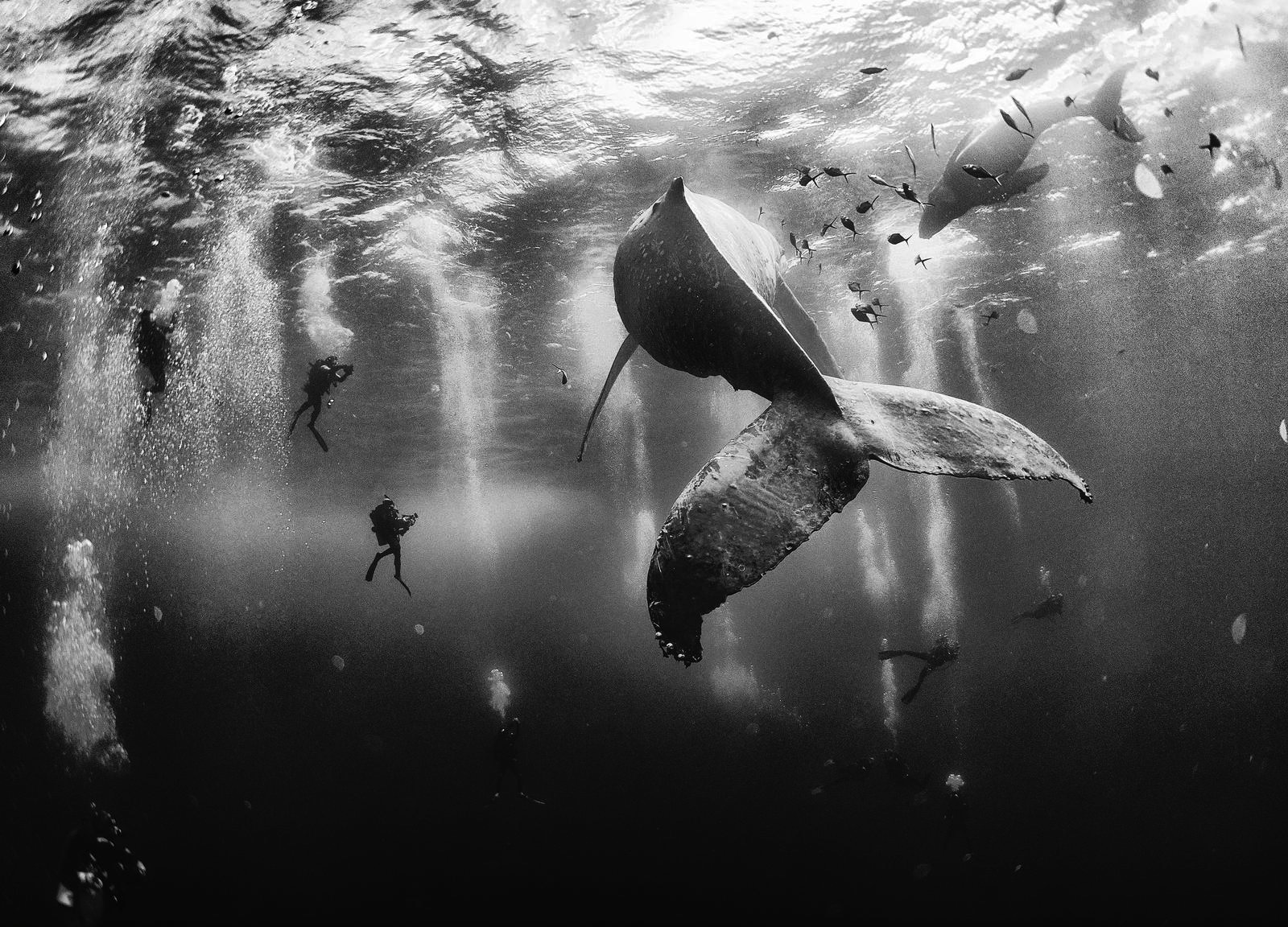
National Geographic Traveler Photo Contest 2015 winners: Grand Prize winner: Whale Whisperers by Anuar Patjane Floriuk
125692304430
125658005482
125653833567
Animals don’t hate, and we’re supposed to be better than them.
125612418396

125533416115
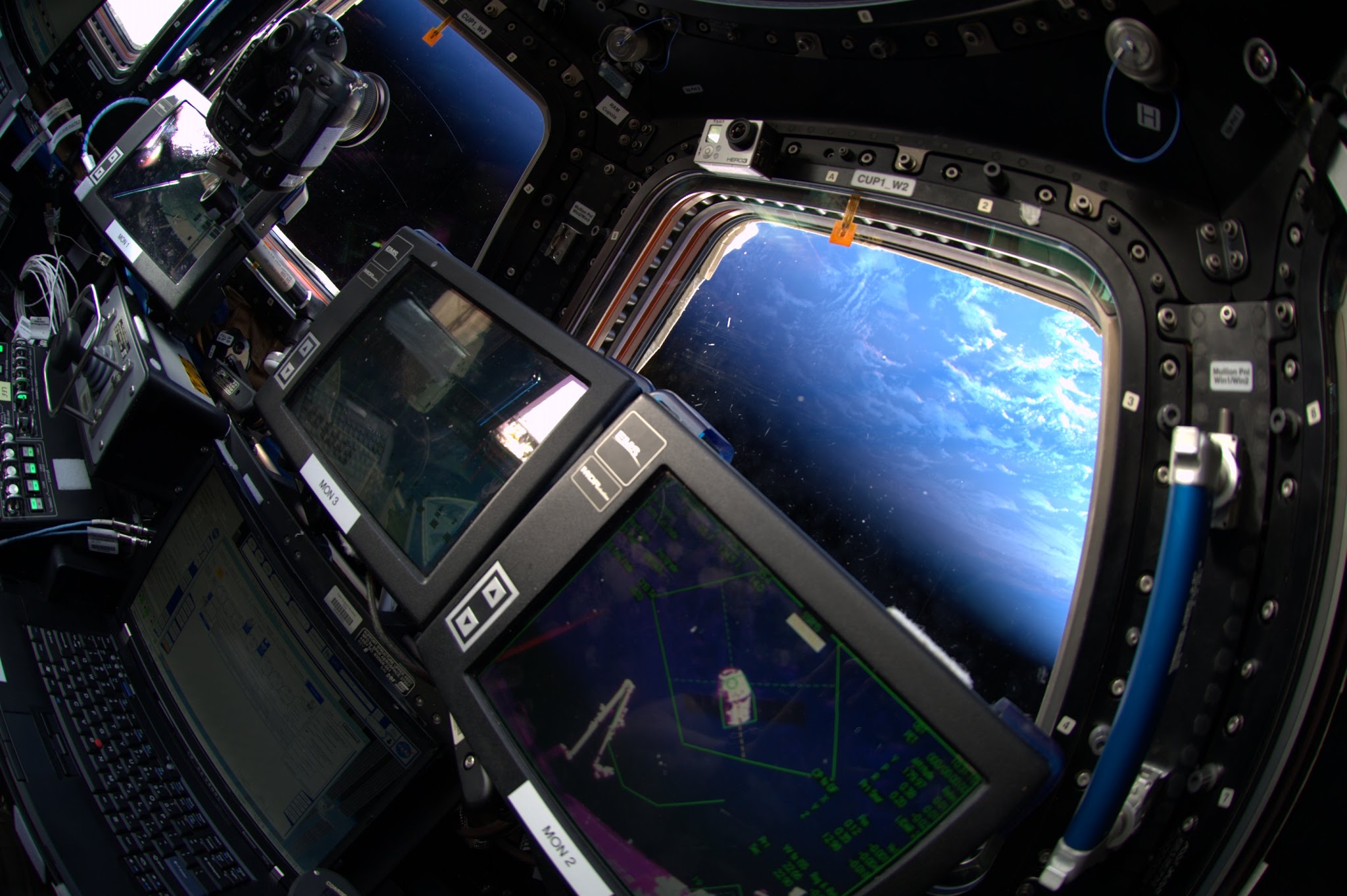
Tour the International Space Station – Inside ISS
125509773867
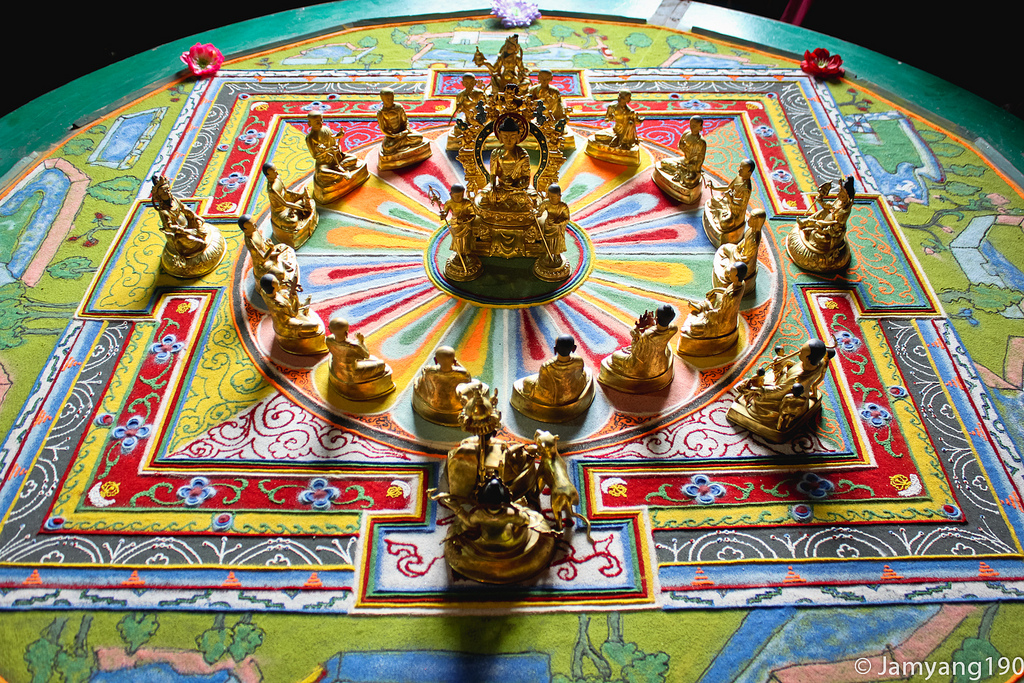
วันเข้าพรรษา (Vassa or Buddhist Lent)
Following
the full moon day in July is the beginning of Buddhist lent, which the
Buddha assigned to all of his disciples. It is said that Buddhist monks
traveled in every season, especially in the rainy season, when sometimes
they accidentally stepped on young plants and insects. People
complained about this matter and so the Buddha called the monks to a
gathering and said, “Behold monks, I grant you all to stay in the
monastery in the rainy season.”
The commentary says that there are two forms of the
Buddhist lent; 1. The first one is directly after the full moon day of
July. 2. The second one is after the new moon day or a month after the
original day.
The regulation is that all monks have to stay in the temple for three
months, they are not supposed to over night anywhere during this time.
If, for some unavoidable reason they have to travel, they must catch
dawn in the temple. In the case of extreme emergencies or absolutely
necessary journeys, they may be away for seven days, before their
return.
There is an ancient tradition that the monks repeat three times
saying “I stay in this monastery for three months” this is the Buddhist
lent as proclaimed by the Buddha.
Photo:
125455711722
Redo by Do Not Destroy®
125448529283
current status
125433461627