army
791169701662408704


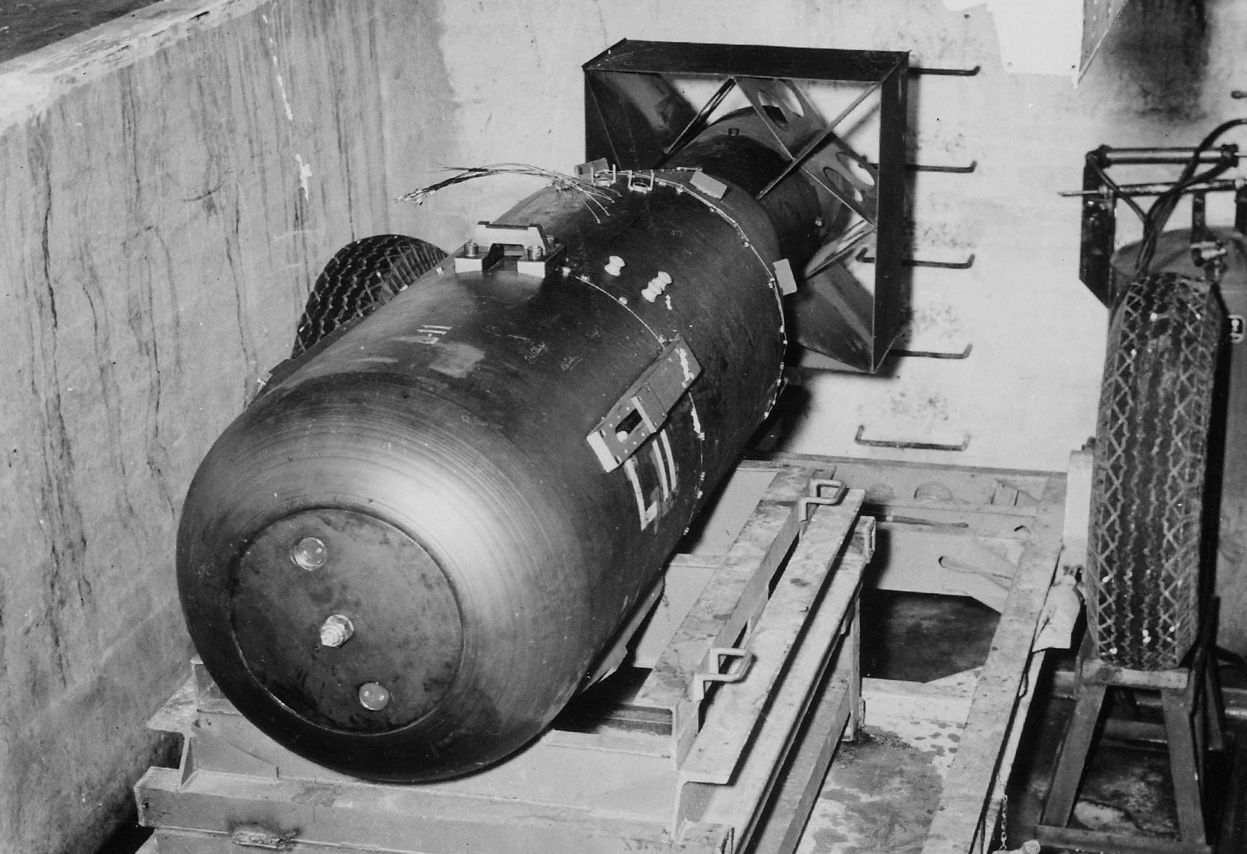

Atomic bombings of Hiroshima and Nagasaki
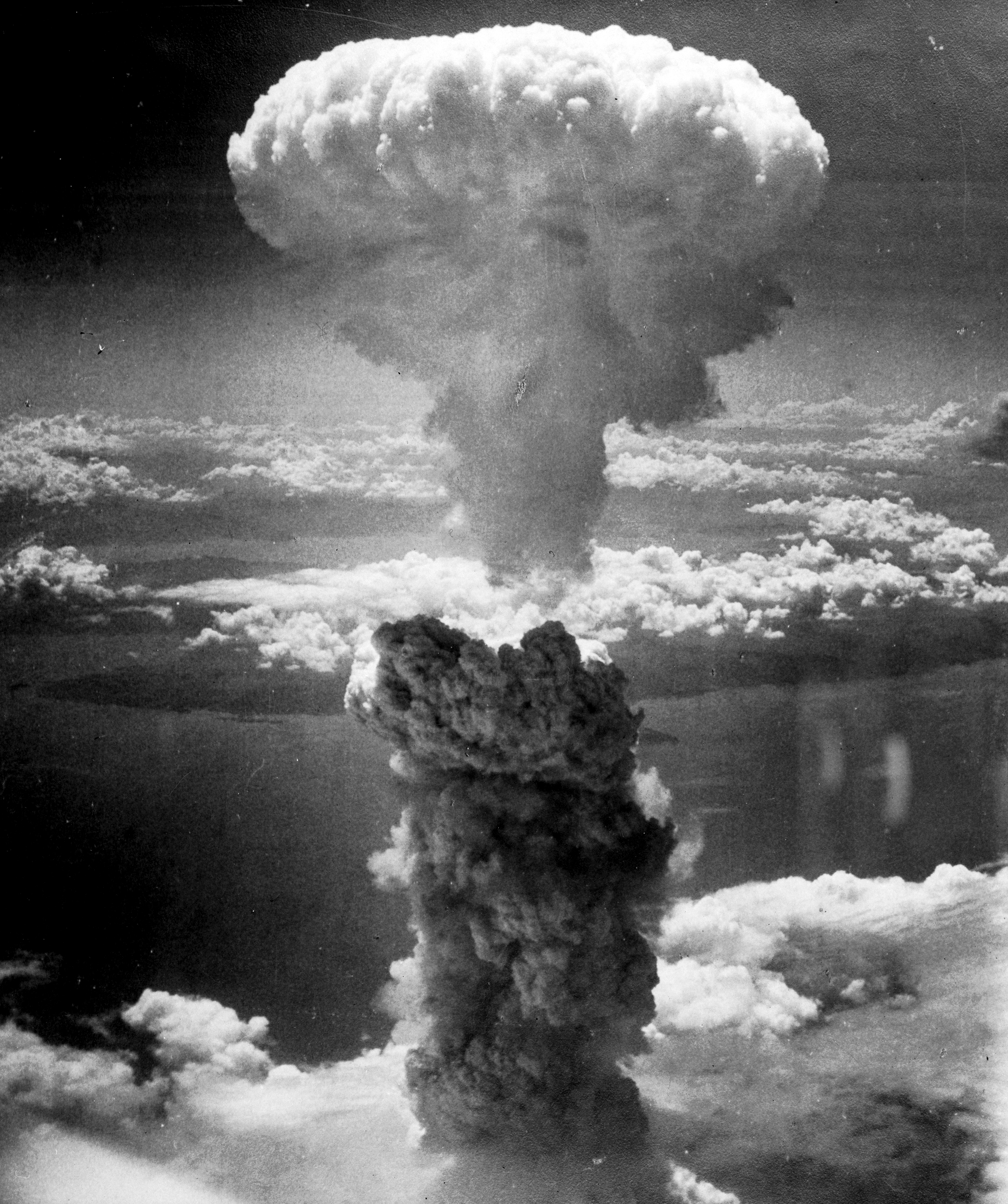
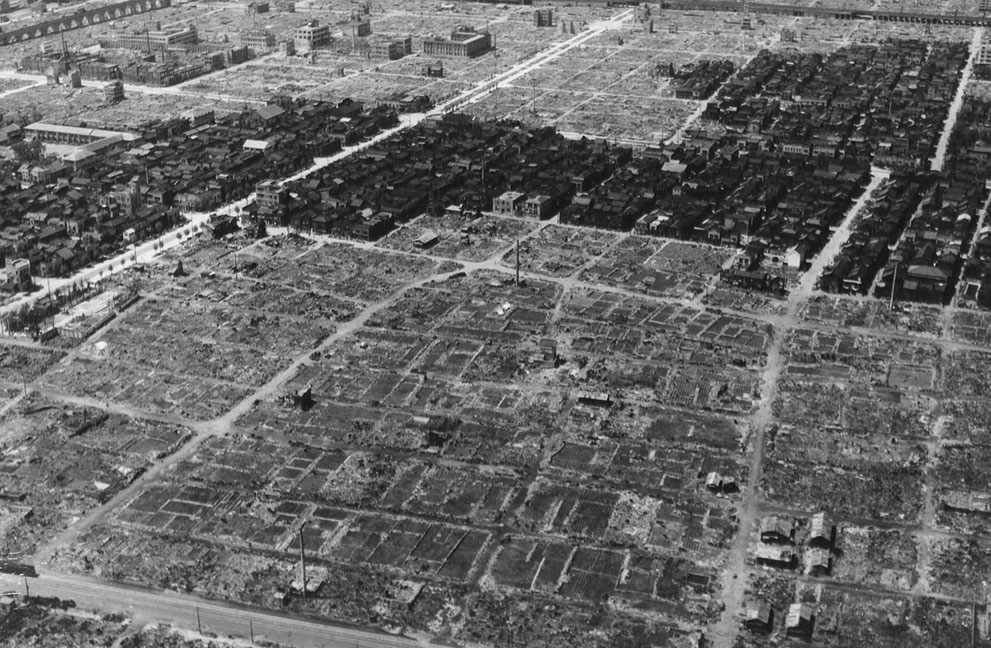
The United States gave Japan a warning and a deadline to surrender before the atomic bombings of Hiroshima and Nagasaki, though not with an explicit mention of the atomic bomb itself.
Key Warning: The Potsdam Declaration (July 26, 1945)
- The Potsdam Declaration was issued by the United States, the United Kingdom, and China.
- It called for Japan’s unconditional surrender, warning of “prompt and utter destruction” if they refused.
- It did not mention the atomic bomb specifically, as the weapon had not yet been used publicly and was still secret.
- Japan was given an ultimatum, though no exact deadline date was specified.
- Japan’s government rejected the ultimatum (or more accurately, chose to ignore it, which was interpreted as rejection by the Allies).
What happened next:
- On August 6, 1945, the U.S. dropped the first atomic bomb on Hiroshima.
- On August 8, the Soviet Union declared war on Japan.
- On August 9, the second atomic bomb was dropped on Nagasaki.
- Japan announced its intention to surrender on August 15, 1945, leading to the formal surrender on September 2, 1945.
Summary:
The U.S. did issue a surrender ultimatum (Potsdam Declaration) before the bombings, but did not reveal that an atomic bomb would be used. The warning was serious but vague about the nature of the coming destruction.
790375064542560256
Why the US has an All-Volunteer Military
The United States has an all-volunteer military, meaning people choose to join the armed forces instead of being forced to serve. Here are the main reasons why:
1. End of the Draft (Conscription)
- Until 1973, the U.S. used a draft system to fill the military, especially during major wars (like WWII and Vietnam).
- The draft became increasingly unpopular, especially during the Vietnam War.
- In 1973, the U.S. officially ended the draft and moved to an all-volunteer force.
2. Democratic Values
- A volunteer military fits with American ideas of freedom, personal choice, and limited government control over individuals’ lives.
- Citizens can choose whether or not to serve, rather than being forced by the state.
3. Professional Military
- A volunteer force tends to be more skilled and motivated.
- Enlisted personnel train longer and often choose the military as a career, leading to higher professionalism and efficiency.
4. Public Opinion and Politics
- After Vietnam, public resistance to the draft was strong.
- Politicians responded to this sentiment and designed the military to appeal to recruits through pay, benefits, and education incentives (like the GI Bill).
5. Technology and Modern Warfare
- Modern warfare relies more on technology and specialized skills than large numbers of troops.
- This makes a smaller, well-trained volunteer force more effective than a massive conscript army.
Optional Service, but Still Registered
- While military service is voluntary, men must still register for Selective Service at age 18, just in case a draft is ever reinstated.
⚠️ If the U.S. government decides it’s necessary, it can bring back the draft (mandatory military service), and citizens could be legally required to go to war.
Here’s how that would work:
🔹 1. Selective Service System
- All U.S. men aged 18–25 are required by law to register for the Selective Service.
- This doesn’t mean they are being drafted — it’s just a system to prepare for a possible draft.
- If Congress and the President agree, the draft can be reactivated in a national emergency.
🔹 2. Congress Must Approve
- The draft cannot be used unless Congress passes a law to reinstate it.
- The President signs the law, and the draft would then begin.
🔹 3. How It Would Work
- If reinstated, the Selective Service System would hold a draft lottery based on birth dates.
- Those selected would be called up in order, typically starting with 20-year-olds.
🔹 4. Conscientious Objectors
- Some people may refuse to fight due to moral or religious beliefs.
- They can apply for non-combat roles or alternative civilian service.
🔹 5. Penalties for Refusing
- Not registering for the Selective Service is a federal crime (although rarely prosecuted).
- If the draft is active and someone refuses to serve, they can face fines, imprisonment, or loss of federal benefits (like student aid).
✅ Today: No Draft, But the Power Exists
So yes — while service is voluntary right now, the U.S. government has the legal power to require citizens to go to war if the situation demands it.
By ChatGPT
790212445955358720
The Insane Engineering of the F-16
789938718590042112
Thailand launches airstrikes on Cambodian military targets in escalation of border dispute | CNN
“Thailand has deployed fighter jets against Cambodian military targets along their disputed border, in a dramatic escalation of tensions that threatens to erupt into a broader conflict. The attack comes a day after a Thai soldier lost his leg in a landmine explosion, an incident that saw relations between the two Southeast Asian neighbors collapse to their lowest level in years.”
785622960093495296
Thailand and Cambodia face rising tensions over Emerald Triangle dispute
“Cambodia has said it will go to the World Court (ICJ) to help resolve a dispute over the so-called Emerald Triangle boundary, after a firefight with Thai troops last week that resulted in the death of a Cambodian soldier.”
784623133128802304
The Real Meaning of Memorial Day
779898847471304704
นศ.ปี 1 ฉายเดี่ยวประท้วง ‘มินอ่องหล่าย’ ที่ BIMSTEC | 4 เม.ย. 68
“ประเทศไทยไม่ต้อนรับฆาตกรเผด็จการ มินอ่องหล่าย การประชุมครั้งนี้เปื้อนไปด้วยเลือดคนบริสุทธิ์กว่า 6,000 คน”
769856451803004928
US Army Intelligence study reported human consciousness ‘never dies’
“An eye-popping study conducted by US Army Intelligence and made public by the CIA has shocked social media with its finding that consciousness transcends space and time. Entitled ‘Analysis and Assessment of The Gateway Process,’ the 29-page report was drafted in 1983. The recently resurfaced US Army Intelligence report presents an abstract explanation of how consciousness is created through the brain’s processing of energy in the physical world – transforming it into what Lieutenant Colonel Wayne McDonnell compares to a hologram.”
767897918921490432
Project Blue Book: Alien Interview
764335622262603776

United States spending on Israel’s military operations, $17.9 billion