art gallery
723199409127636992
By ChatGPT
Some artists may feel the need to assert their identity as “real artists” due to various reasons:
1. Validation: Artists often face criticism or skepticism about their work, especially in the early stages of their careers. By proclaiming themselves as “real artists,” they seek validation from others and reaffirm their commitment and skill in their chosen medium.
2. Imposter syndrome: Many artists, even those with significant talent and success, may experience imposter syndrome—a feeling of inadequacy and fear of being exposed as a fraud. By emphasizing their status as “real artists,” they may be trying to overcome their own self-doubt and convince themselves that they belong in the artistic community.
3. Differentiation: In a highly competitive artistic landscape, some artists might use the phrase to distinguish themselves from amateurs or hobbyists. By asserting their professionalism and dedication, they aim to establish their credibility and set themselves apart from those who may not be as serious or committed.
4. Marketing and branding: In the realm of self-promotion, artists often need to build a personal brand and create a distinct image for themselves. Presenting oneself as a “real artist” can be part of their marketing strategy to attract attention, gain recognition, and position themselves as experts in their field.
5. Artistic identity: For some artists, the label of a “real artist” is not just about external validation but also an internal affirmation of their creative identity. It represents their passion, purpose, and the depth of their artistic practice, reflecting their dedication to their craft and their unique vision.
It’s important to note that not all artists feel the need to assert their identity in this way, and the term “real artist” can be subjective, as artistic expression is diverse and personal. Ultimately, the desire to proclaim oneself as a “real artist” may stem from a combination of personal, societal, and professional factors.
718740732041707520
Genuine individuals require no validation, while pretenders feel compelled to prove themselves.
714436080101883904
712007828306591744
702587573262024704
700723976079556608
White cube
Refers to a certain gallery aesthetic characterised by its square or oblong shape, white walls and a light source usually from the ceiling
The aesthetic was introduced in the early twentieth century in response to the increasing abstraction of modern art. With an emphasis on colour and light, artists from groups like De Stijl and the Bauhaus preferred to exhibit their works against white walls in order to minimise distraction. The white walls were also thought to act as a frame, rather like the borders of a photograph. A parallel evolution in architecture and design provided the right environment for the art.
In 1976 Brian O’Doherty wrote a series of essays for Artforum magazine, later turned into a book called Inside the White Cube, in which he confronted the modernist obsession with the white cube arguing that every object became almost sacred inside it, making the reading of art problematic.
161417333362
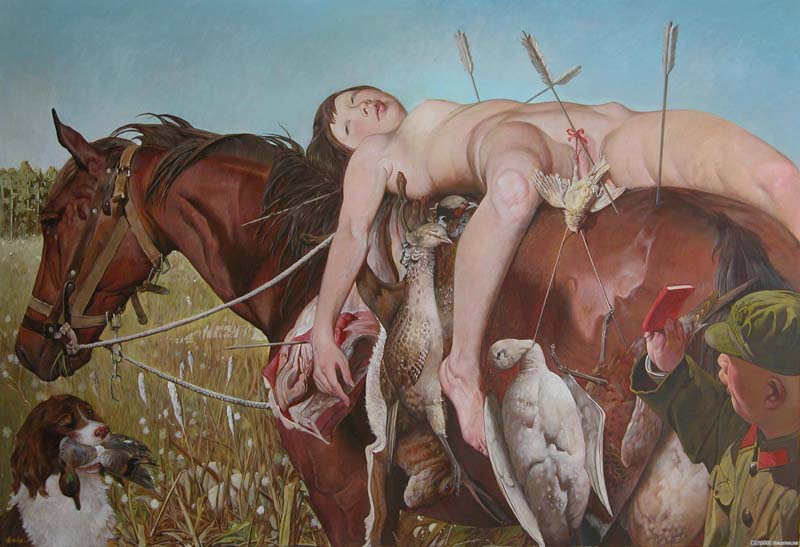
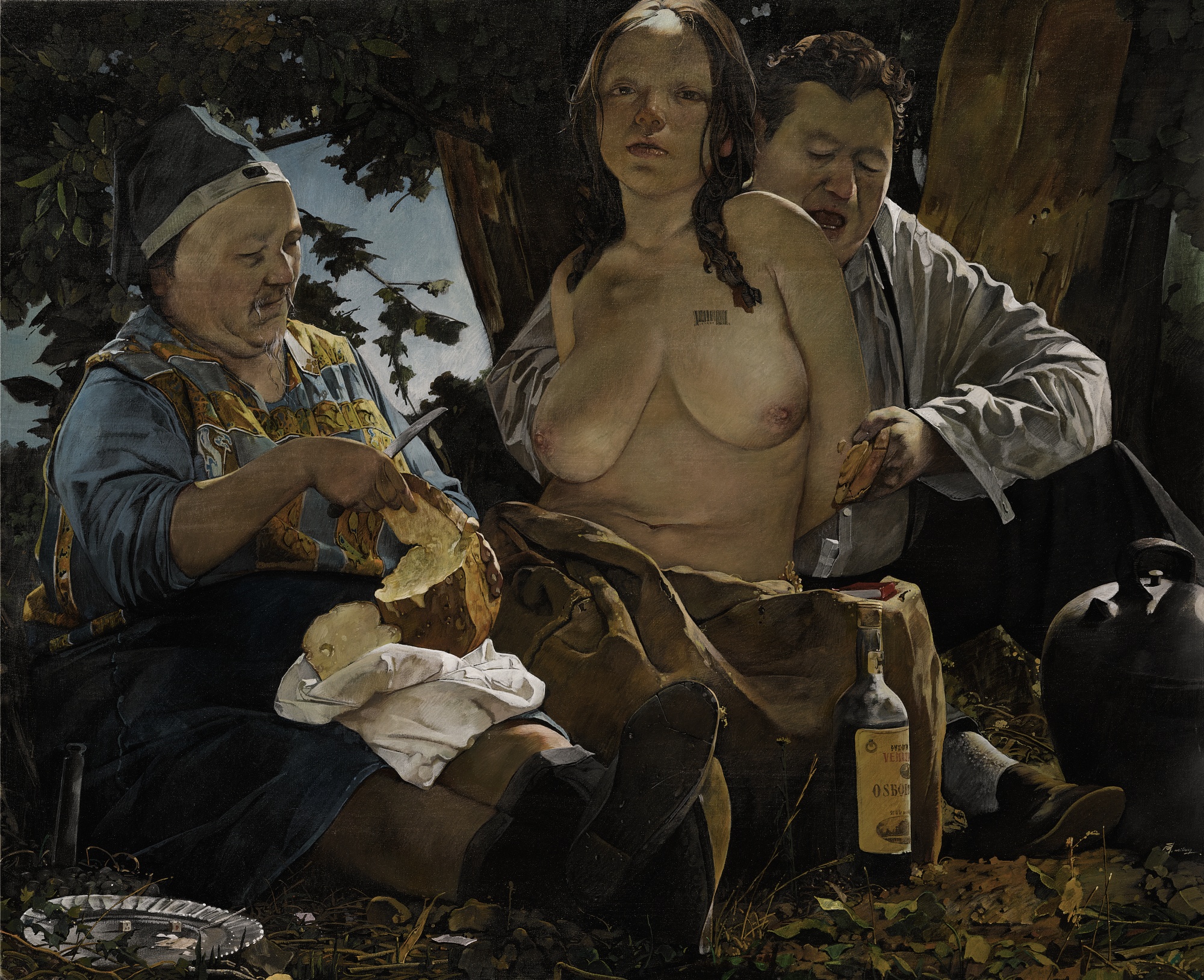
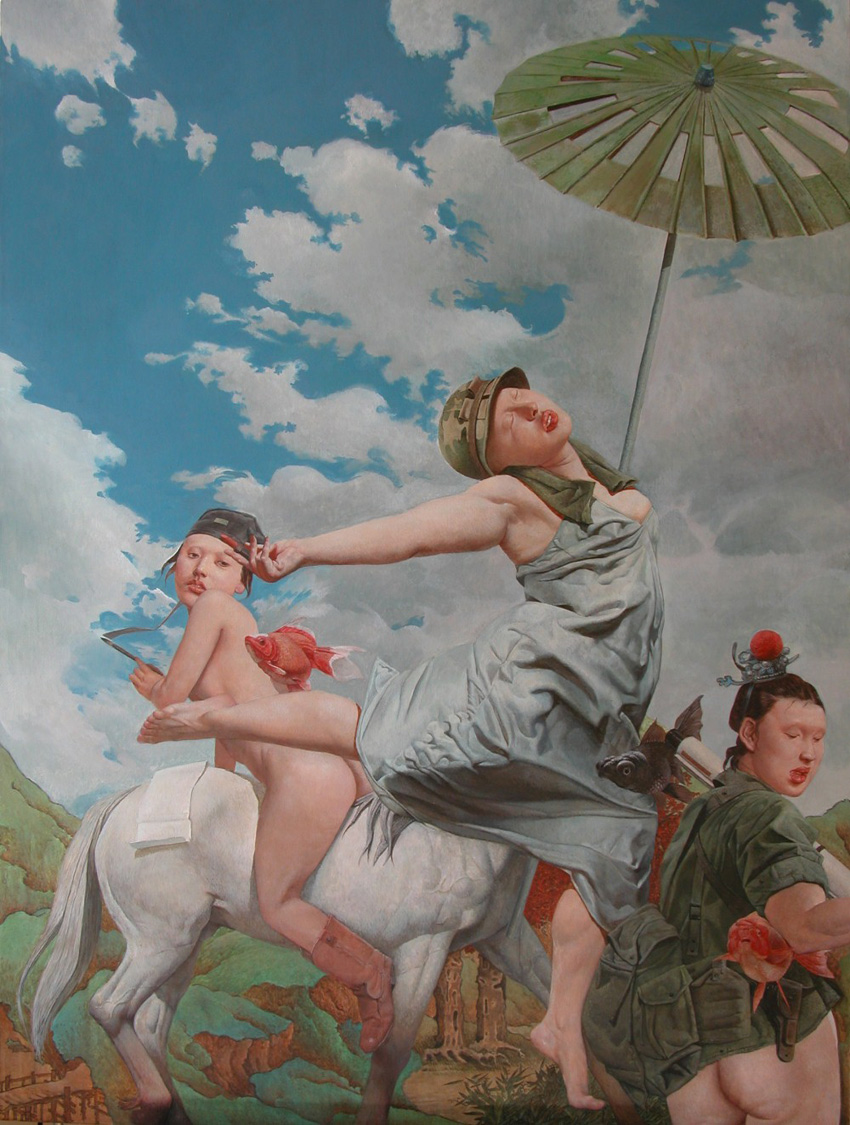
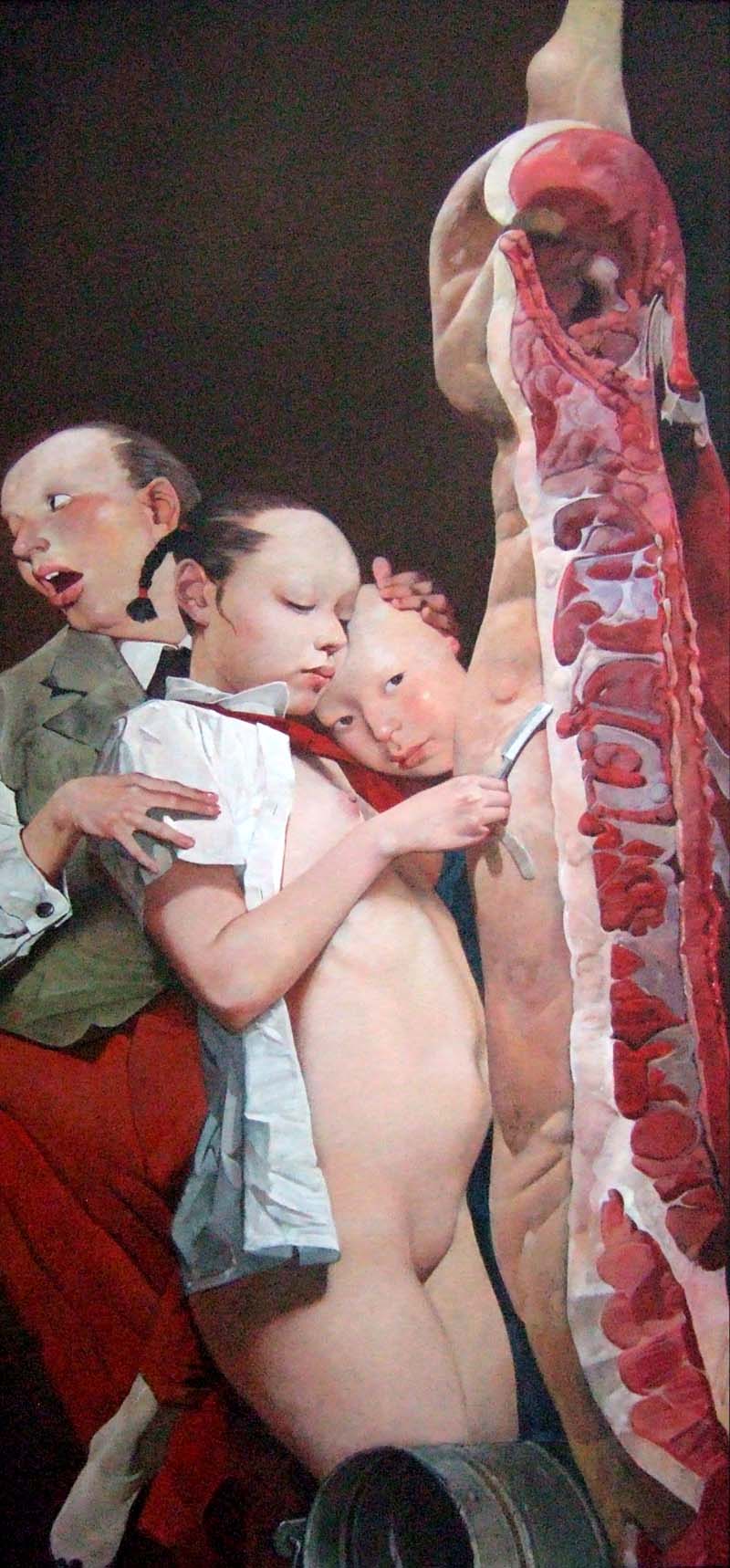
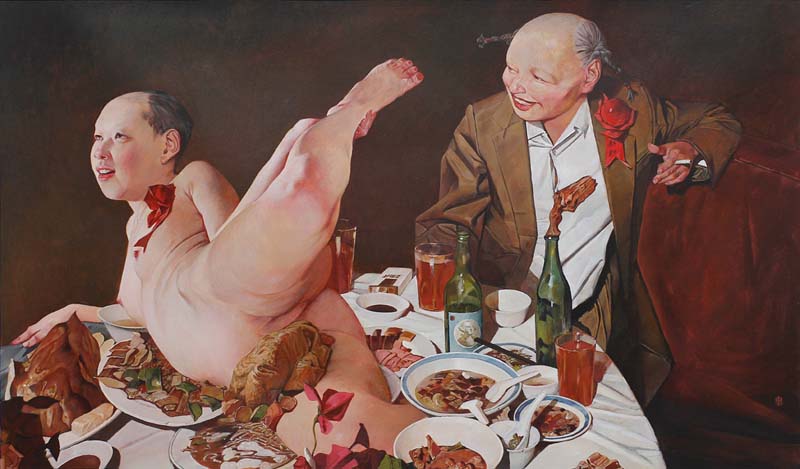
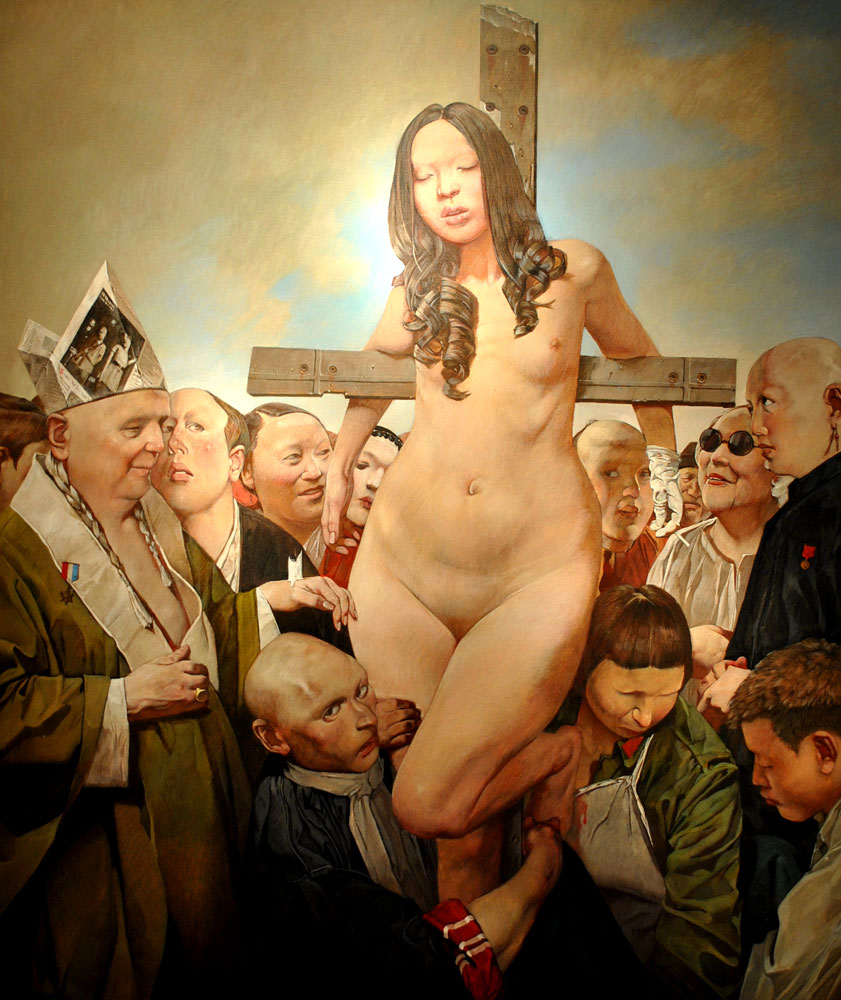
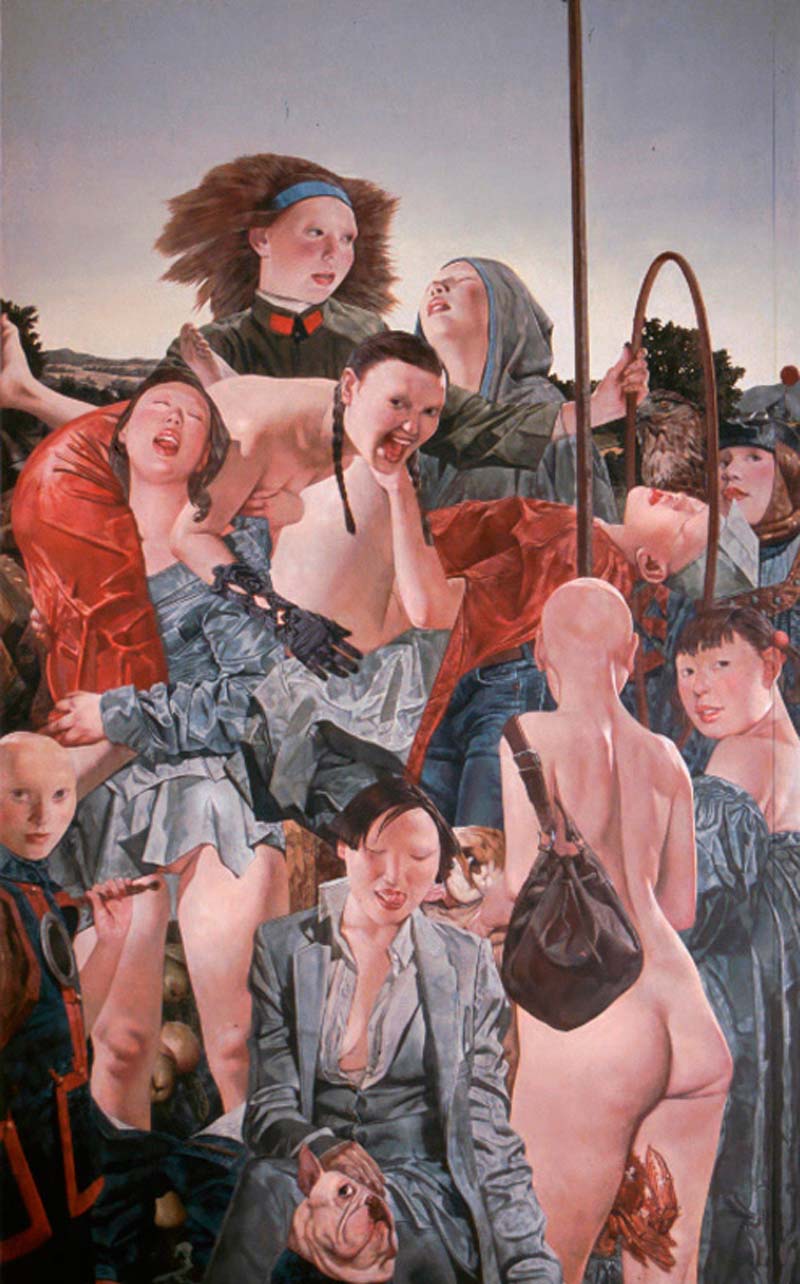
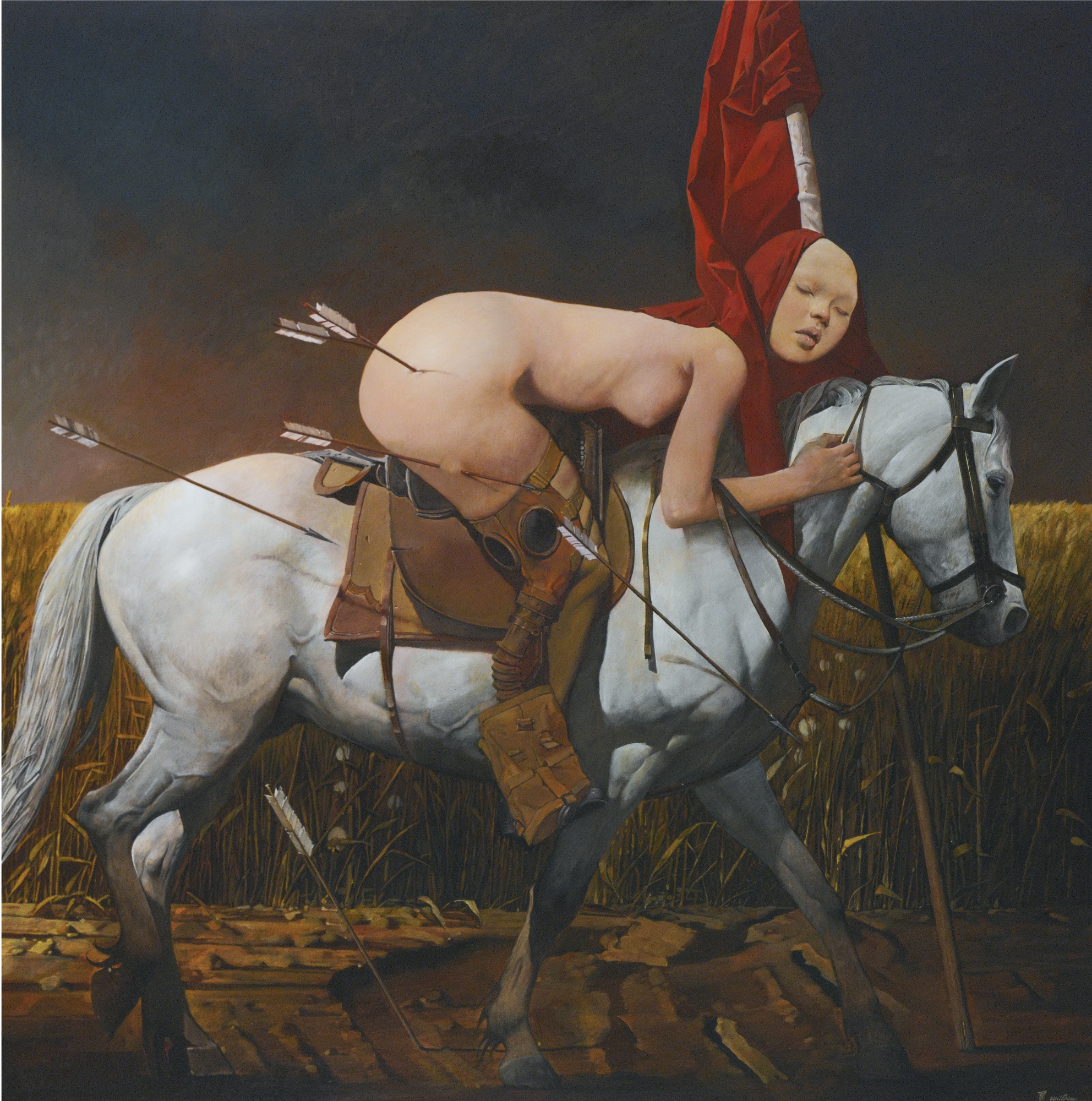
“They also asked me why I didn’t make my
female figures more beautiful. If I have to choose between making
something look beautiful and making something look realistic, I would
choose the latter. Paintings that depict really beautiful women are
rarely truthful representations of reality, because real people have
flaws. Take, for example, the figures in classical oil paintings…”
— Wei Dong