art history
795392216278450176
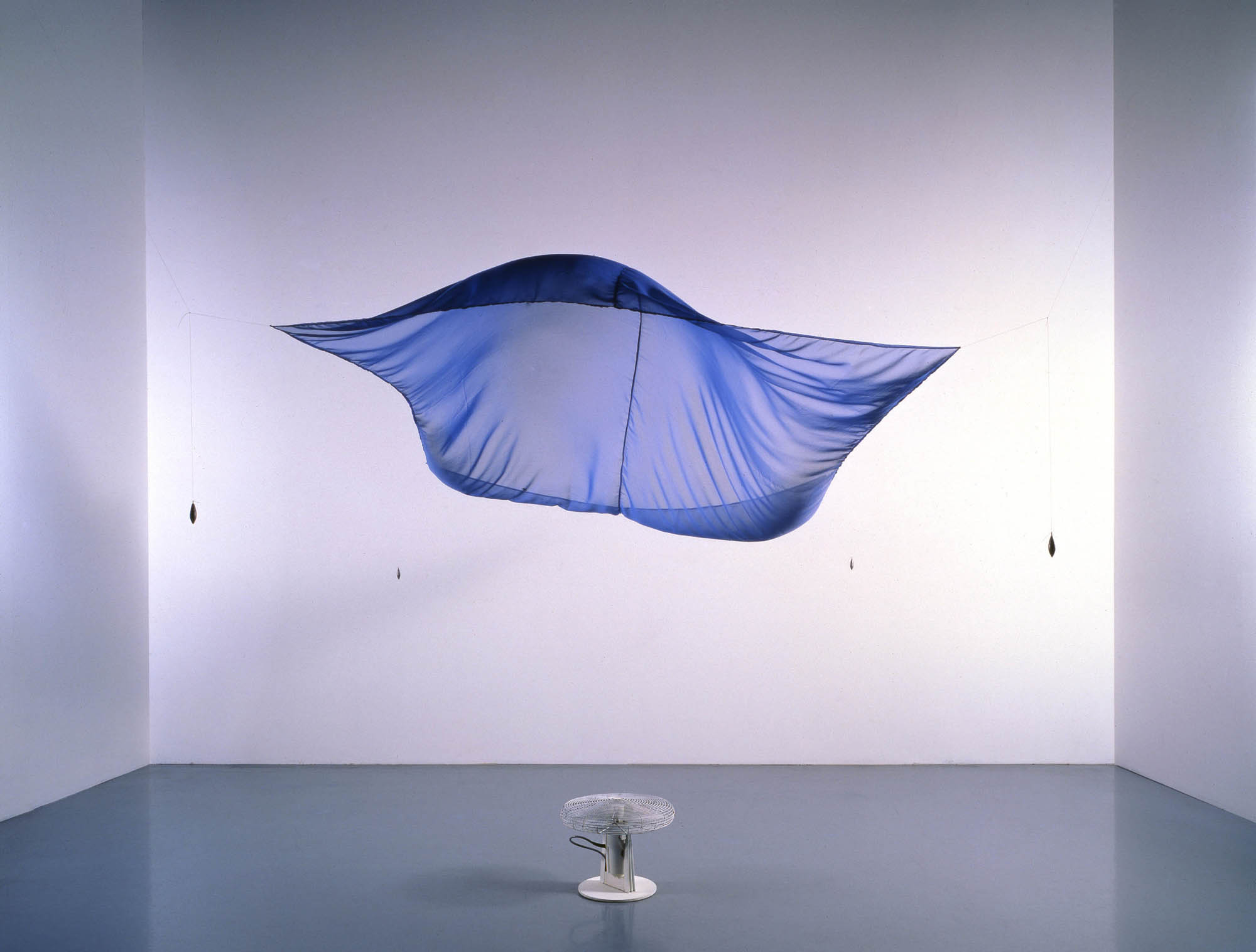
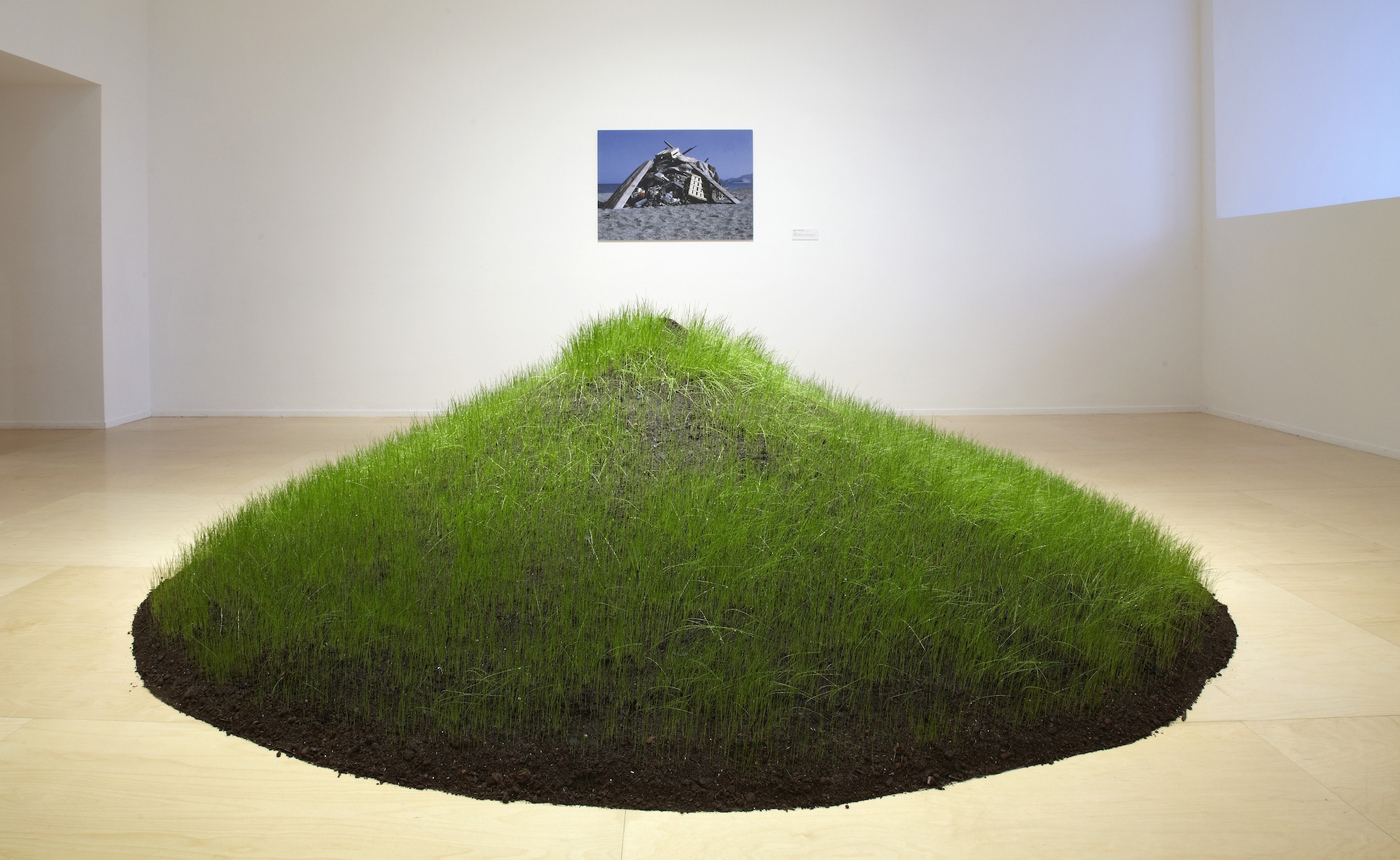

“Museums are managers of consciousness. They give us an
interpretation of history, of how to view the world and locate ourselves
in it. They are, if you want to put it in positive terms, great
educational institutions. If you want to put it in negative terms, they
are propaganda machines.”by Hans Haacke
794221315545595904
“Museums are managers of consciousness. They give us an
interpretation of history, of how to view the world and locate ourselves
in it. They are, if you want to put it in positive terms, great
educational institutions. If you want to put it in negative terms, they
are propaganda machines.”by Hans Haacke
786795804354576384
Famous Art Influences Future
Here’s a list of famous artworks and styles that deeply connect to the past yet shaped the future of art that influenced generations:
1. Giotto’s Frescoes (1300s) – Proto-Renaissance
- Connection to the Past: Medieval religious themes.
- Impact on the Future: Introduced depth and human emotion, paving the way for the Renaissance.
2. Sandro Botticelli – The Birth of Venus (1480s)
- Connection: Classical mythology and Greco-Roman ideals.
- Influence: Inspired the humanist emphasis of the Renaissance and later Neoclassicism.
3. Leonardo da Vinci – The Last Supper (1495–1498)
- Connection: Religious story, traditional techniques.
- Legacy: Revolutionary use of perspective and narrative; studied by countless artists for composition.
4. Raphael – The School of Athens (1509–1511)
- Connection: Ancient philosophers in a classical setting.
- Influence: A timeless example of harmony between classical past and modern technique.
5. Caravaggio – The Calling of Saint Matthew (1600)
- Connection: Biblical subject.
- Future Style: Invented dramatic chiaroscuro that influenced Baroque, cinema, and photography.
6. Francisco Goya – Saturn Devouring His Son (1819–1823)
- Connection: Greek myth.
- Influence: Psychological intensity that paved the way for Expressionism and Surrealism.
7. J.M.W. Turner – Rain, Steam and Speed (1844)
- Connection: Industrial Revolution.
- Legacy: A link between Romanticism and Impressionism, focusing on light, movement, and emotion.
8. Claude Monet – Impression, Sunrise (1872)
- Connection: Real-world scene of Le Havre harbor.
- Impact: Launched Impressionism, shifting toward modernism, abstraction, and color theory.
9. Pablo Picasso – Les Demoiselles d’Avignon (1907)
- Connection: African and Iberian tribal masks.
- Future Style: Foundation of Cubism and modern abstract art.
10. Marcel Duchamp – Fountain (1917)
- Connection: Industrial age & Dada movement (anti-tradition).
- Impact: Introduced the concept of the readymade and questioned “what is art?”, inspiring Conceptual Art.
11. Salvador Dalí – The Persistence of Memory (1931)
- Connection: Freud, time, and subconscious.
- Legacy: Helped define Surrealism, blending dreams and reality, still reflected in modern design and film.
12. Andy Warhol – Marilyn Diptych (1962)
- Connection: Pop culture icons.
- Future Impact: Birth of Pop Art, leading to graphic design, advertising, and street art movements.
13. Jean-Michel Basquiat – Untitled (1981)
- Connection: African-American heritage, graffiti culture.
- Future Influence: Merged street art with fine art, inspiring today’s neo-expressionists and activists.
By ChatGPT
777245839468953600
Estimated Representation of Asian Artists in Art History Books
Pre-20th Century (Before 1900s)
- Western art history books: Less than 2%
- Global art history books: 10–15% (including Chinese, Japanese, Indian, and Persian art)
20th Century (1900–1999)
- Western-focused books: 3–5%
- More globally aware books: 15–20%
- Asian artists became more recognized in the contemporary period, especially post-1950s.
21st Century (2000–Present)
- Traditional Western art books: 5–10%
- Contemporary/global art books: 20–30%
- With globalization, more Asian artists are included, particularly from China, Japan, Korea, and India.
Overall Estimate (From Past to Present)
- Western-centric books: ~3–5% Asian artists across all periods.
- Global/inclusive books: ~15–20%, rising in recent years.
776396429505740800
If words didn’t matter, then why do artists give their work titles?
774071554777743360
Why learning art history is important for artists
Artists should study art history for several reasons:
- Inspiration and Influence – Understanding past movements, styles, and artists can provide fresh ideas and insights that influence an artist’s own work.
- Technical and Conceptual Growth – Studying historical techniques, materials, and methods helps artists refine their own practice and expand their creative approach.
- Context and Meaning – Art is often a response to cultural, political, and social issues. Knowing the historical context of art allows artists to create work with deeper meaning and relevance.
- Avoiding Reinventing the Wheel – By learning from past successes and mistakes, artists can build upon existing knowledge rather than repeating what has already been done.
- Developing a Critical Eye – Exposure to a variety of styles and critiques sharpens an artist’s ability to analyze and evaluate art, including their own.
- Building a Personal Voice – Studying different artistic movements helps artists understand where they fit within the larger artistic tradition, allowing them to develop a unique style.
- Professional and Academic Opportunities – Knowledge of art history can open doors in teaching, curation, and other art-related careers beyond personal practice.
- Cultural Literacy – Understanding art history enriches an artist’s appreciation of global cultures and traditions, making their work more informed and impactful.
Ultimately, art history provides artists with a foundation of knowledge that can fuel creativity, enhance technique, and deepen the meaning of their work.
By ChatGPT
774071176588836864
If words didn’t matter, then why do artists give their work titles?
774070873093210112
The phrase “Let art speak for itself” likely emerged from the broader philosophy that art should be experienced and interpreted directly by viewers, without requiring excessive explanation or commentary. It aligns with ideas from movements like Romanticism and Modernism, which emphasized the emotional, personal, or universal power of art.
Key Contexts for the Phrase:
1. Romanticism (18th-19th Century):
Romantic artists and thinkers believed in the innate ability of art to evoke emotions and connect directly to the human spirit, minimizing the need for verbal justification.
2. Modernism (late 19th-20th Century):
Modernist artists often rejected traditional rules and advocated for the autonomy of art. They believed that art could stand on its own without the constraints of narrative or explanation.
3. Art Criticism and Philosophy:
Thinkers like John Ruskin and Clement Greenberg contributed to the idea that art should be appreciated for its intrinsic qualities—form, texture, color—without relying heavily on external context.
772987100917383168
“The importance of art history can be summed up in a single word: integration. As we’ve already pointed out, when you study art history, you learn the context in which that piece was created. You also learn about the technologies of the day, or lack thereof. You gain an understanding of the sciences, literature and more. However, to make sense of all of this is another thing altogether. One of the biggest reasons why you should study art history is because it teaches you how to integrate information from disparate sources and to make sense of that information. This is a high-level thinking skill that has become increasingly important in the workplace and in life.”
771219446118449152
The phrase “Let art speak for itself” likely emerged from the broader philosophy that art should be experienced and interpreted directly by viewers, without requiring excessive explanation or commentary. It aligns with ideas from movements like Romanticism and Modernism, which emphasized the emotional, personal, or universal power of art.
Key Contexts for the Phrase:
1. Romanticism (18th-19th Century):
Romantic artists and thinkers believed in the innate ability of art to evoke emotions and connect directly to the human spirit, minimizing the need for verbal justification.
2. Modernism (late 19th-20th Century):
Modernist artists often rejected traditional rules and advocated for the autonomy of art. They believed that art could stand on its own without the constraints of narrative or explanation.
3. Art Criticism and Philosophy:
Thinkers like John Ruskin and Clement Greenberg contributed to the idea that art should be appreciated for its intrinsic qualities—form, texture, color—without relying heavily on external context.
By ChatGPT
763057952307412993
“What do you think an artist is? …he is a political being, constantly aware of the heart breaking, passionate, or delightful things that happen in the world, shaping himself completely in their image. Painting is not done to decorate apartments. It is an instrument of war.”
— Pablo Picasso
747881408837681152
Jackson Pollock documentary
746122446526201856
743361042109841408
In my view, when people discuss digital culture or the art world, they often focus solely on Western culture.