art movement
803556816621617152
A movement forms when:
– the work keeps evolving while imitators stay static
– the idea expands beyond a single form
– viewers begin to reference the thinking, not the image
As Marcel Duchamp showed, once the idea is stronger than the object, imitation loses its power.
799488790841409536
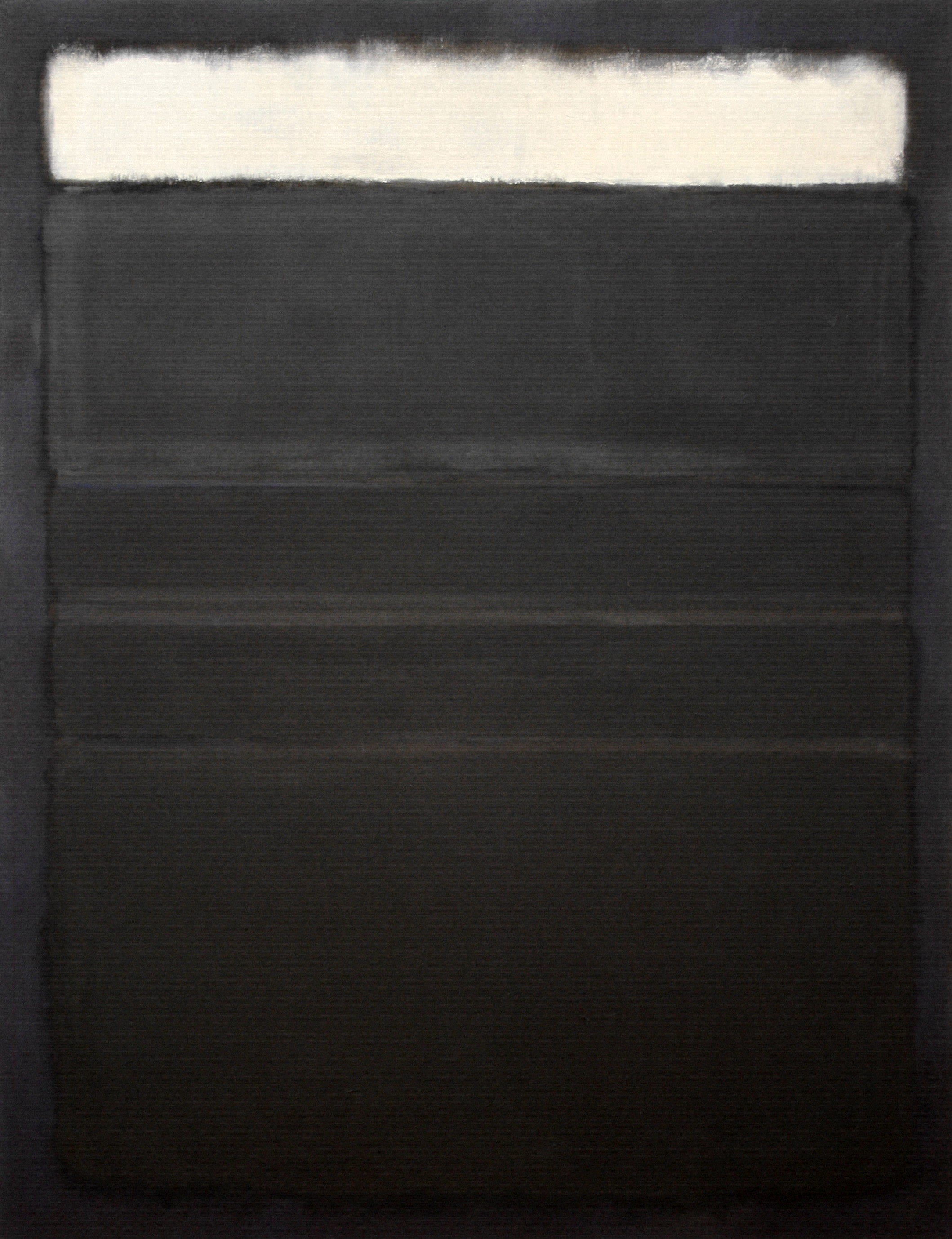
“When I was a younger man, art was a lonely thing. No galleries, no
collectors, no critics, no money. Yet, it was a golden age, for we all
had nothing to lose and a vision to gain. Today it is not quite the
same. It is a time of tons of verbiage, activity, consumption. Which
condition is better for the world at large I shall not venture to
discuss. But I do know, that many of those who are driven to this life
are desperately searching for those pockets of silence where we can root
and grow. We must all hope we find them.”Untitled (1963) by Mark Rothko
791787582763778048
Andy Warhol: A Master of the Modern Era.
786795804354576384
Famous Art Influences Future
Here’s a list of famous artworks and styles that deeply connect to the past yet shaped the future of art that influenced generations:
1. Giotto’s Frescoes (1300s) – Proto-Renaissance
- Connection to the Past: Medieval religious themes.
- Impact on the Future: Introduced depth and human emotion, paving the way for the Renaissance.
2. Sandro Botticelli – The Birth of Venus (1480s)
- Connection: Classical mythology and Greco-Roman ideals.
- Influence: Inspired the humanist emphasis of the Renaissance and later Neoclassicism.
3. Leonardo da Vinci – The Last Supper (1495–1498)
- Connection: Religious story, traditional techniques.
- Legacy: Revolutionary use of perspective and narrative; studied by countless artists for composition.
4. Raphael – The School of Athens (1509–1511)
- Connection: Ancient philosophers in a classical setting.
- Influence: A timeless example of harmony between classical past and modern technique.
5. Caravaggio – The Calling of Saint Matthew (1600)
- Connection: Biblical subject.
- Future Style: Invented dramatic chiaroscuro that influenced Baroque, cinema, and photography.
6. Francisco Goya – Saturn Devouring His Son (1819–1823)
- Connection: Greek myth.
- Influence: Psychological intensity that paved the way for Expressionism and Surrealism.
7. J.M.W. Turner – Rain, Steam and Speed (1844)
- Connection: Industrial Revolution.
- Legacy: A link between Romanticism and Impressionism, focusing on light, movement, and emotion.
8. Claude Monet – Impression, Sunrise (1872)
- Connection: Real-world scene of Le Havre harbor.
- Impact: Launched Impressionism, shifting toward modernism, abstraction, and color theory.
9. Pablo Picasso – Les Demoiselles d’Avignon (1907)
- Connection: African and Iberian tribal masks.
- Future Style: Foundation of Cubism and modern abstract art.
10. Marcel Duchamp – Fountain (1917)
- Connection: Industrial age & Dada movement (anti-tradition).
- Impact: Introduced the concept of the readymade and questioned “what is art?”, inspiring Conceptual Art.
11. Salvador Dalí – The Persistence of Memory (1931)
- Connection: Freud, time, and subconscious.
- Legacy: Helped define Surrealism, blending dreams and reality, still reflected in modern design and film.
12. Andy Warhol – Marilyn Diptych (1962)
- Connection: Pop culture icons.
- Future Impact: Birth of Pop Art, leading to graphic design, advertising, and street art movements.
13. Jean-Michel Basquiat – Untitled (1981)
- Connection: African-American heritage, graffiti culture.
- Future Influence: Merged street art with fine art, inspiring today’s neo-expressionists and activists.
By ChatGPT
779505973504229376
Art Movement Overview (Cont.)
Style often helps categorize and define art, making it easier for people to understand and discuss different periods, techniques, and themes in art history. Without a recognizable style, art can become more challenging to classify. However, this does not mean that art without a defined style lacks value or meaning. It just means that it may not fit neatly into the traditional frameworks that we’ve created for understanding art.
In the absence of a specific style, art may be categorized by other criteria, like the concepts behind the work, its intentions, or even its context (social, political, or cultural). For instance, conceptual art is categorized by the ideas it expresses rather than the visual style itself. Similarly, installation art might focus more on how the work interacts with space and the viewer than on the style of its execution.
In some ways, art without style challenges the idea that all art must be categorized in a specific way. It opens up a broader interpretation, where the meaning and impact of the art can come from its message or experience rather than its form.
Do you find this lack of style freeing, or do you think art needs some form of structure to be appreciated?
779488642004598785
Art Movement Overview
An art movement is a style or trend in art that is followed by a group of artists during a specific period. These movements often share common techniques, themes, or philosophies. They can be influenced by historical events, cultural shifts, or technological advancements.
For example:
- Impressionism (late 19th century) focused on capturing light and everyday life with loose brushwork.
- Surrealism (20th century) explored dreams and the unconscious mind with strange, dreamlike imagery.
- Abstract Expressionism (mid-20th century) emphasized spontaneous and emotional brushstrokes rather than realistic representation.
Art movements help categorize different styles and ideas in art history. Do you have a particular movement you’re interested in?
736088665672007680
702050421313814528
700901591502520320
166461853162
Basquiat – Rage to Riches Documentary 2017
161417333362
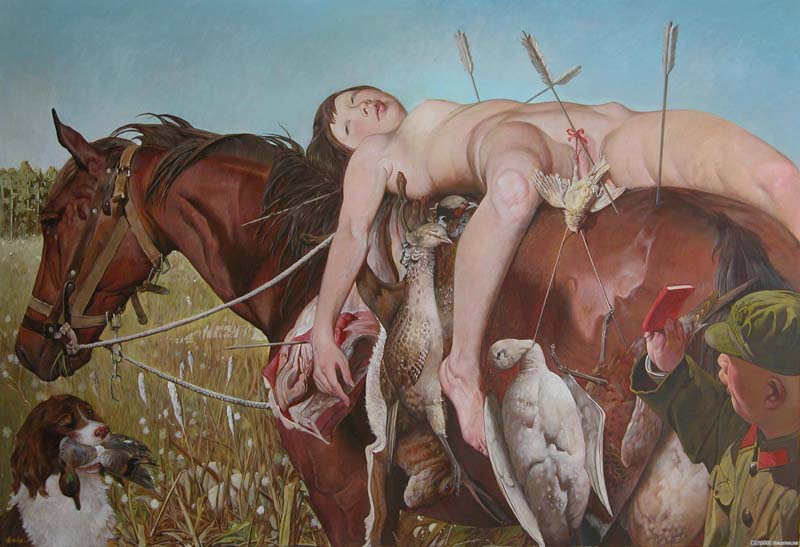
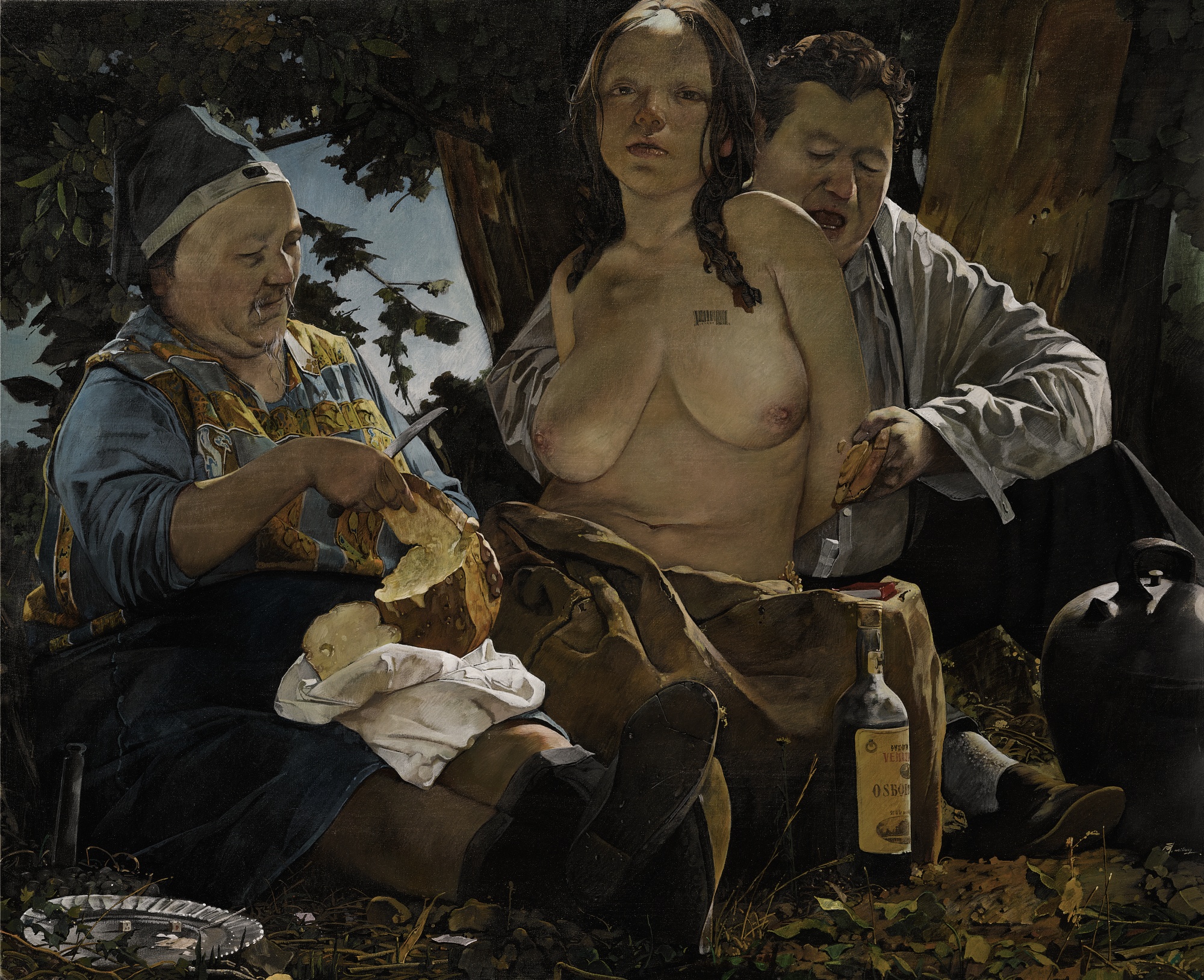
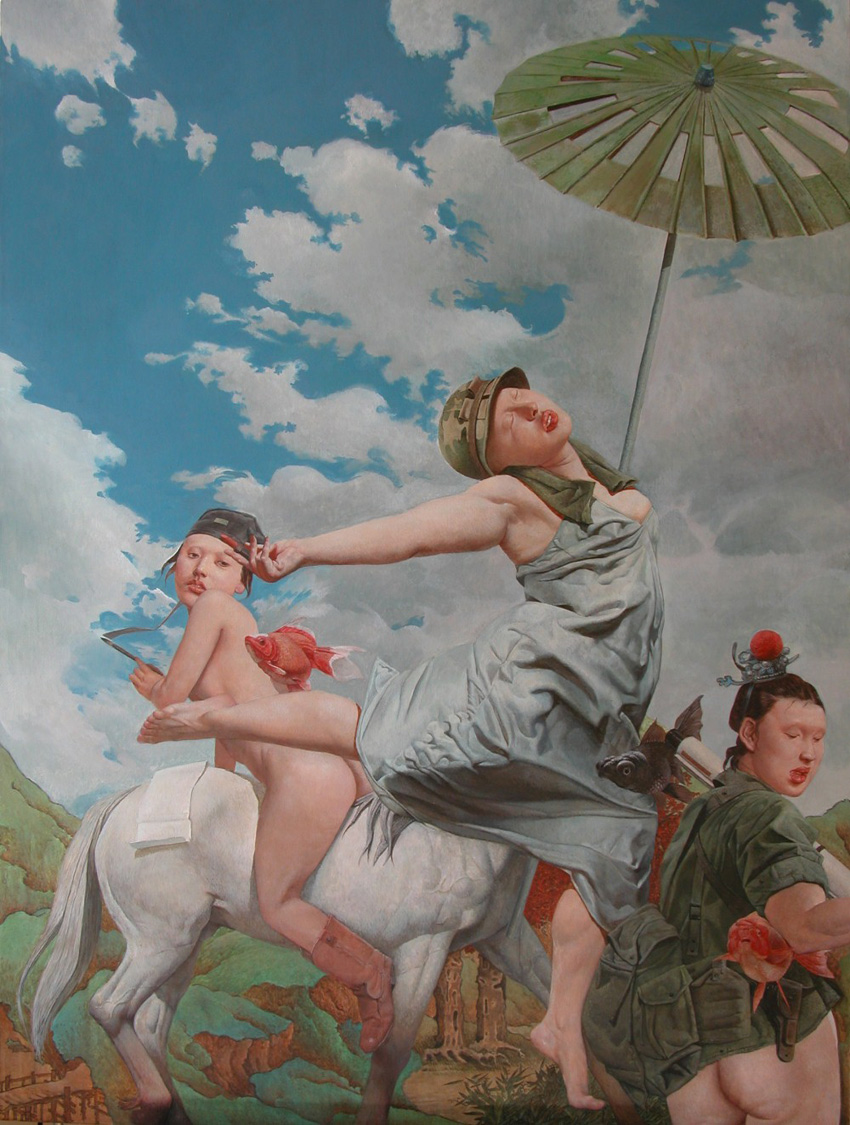
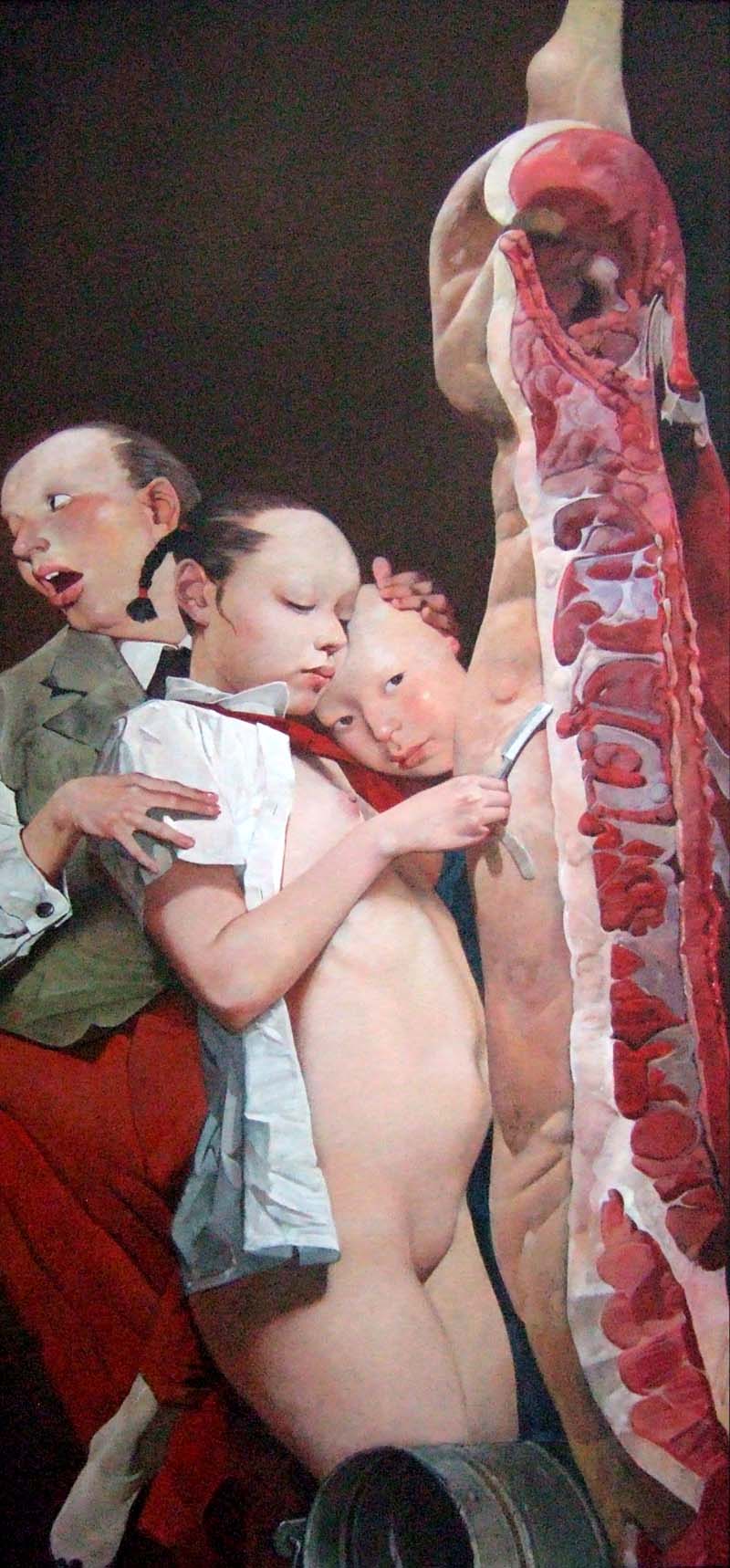
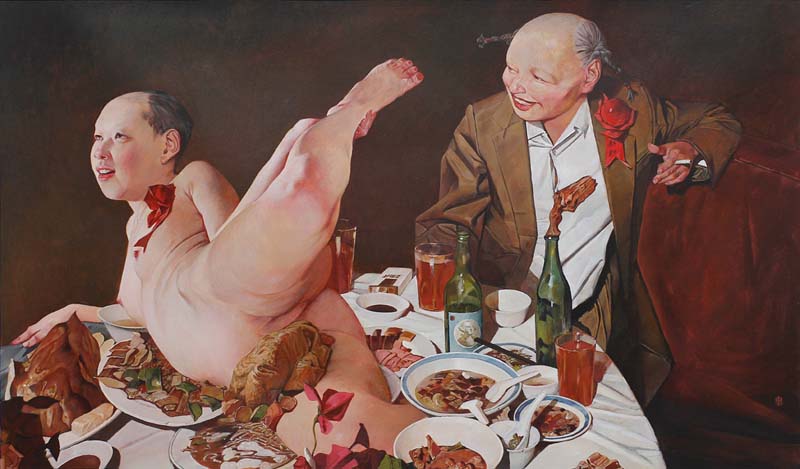
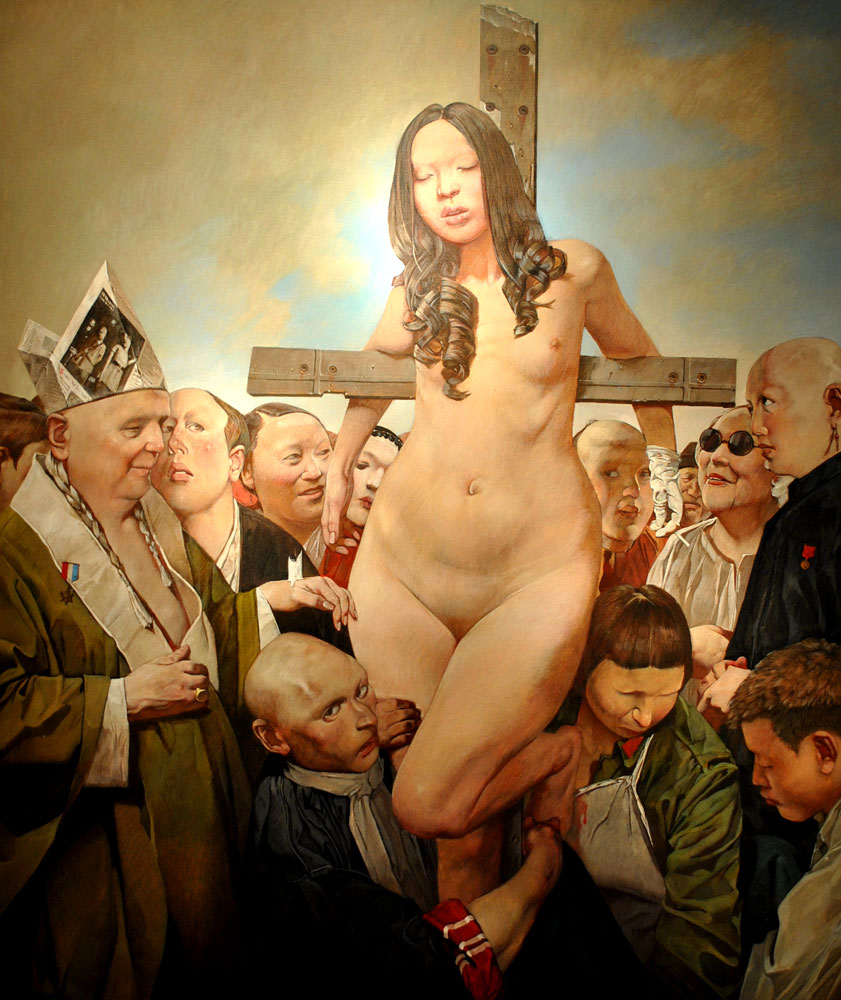
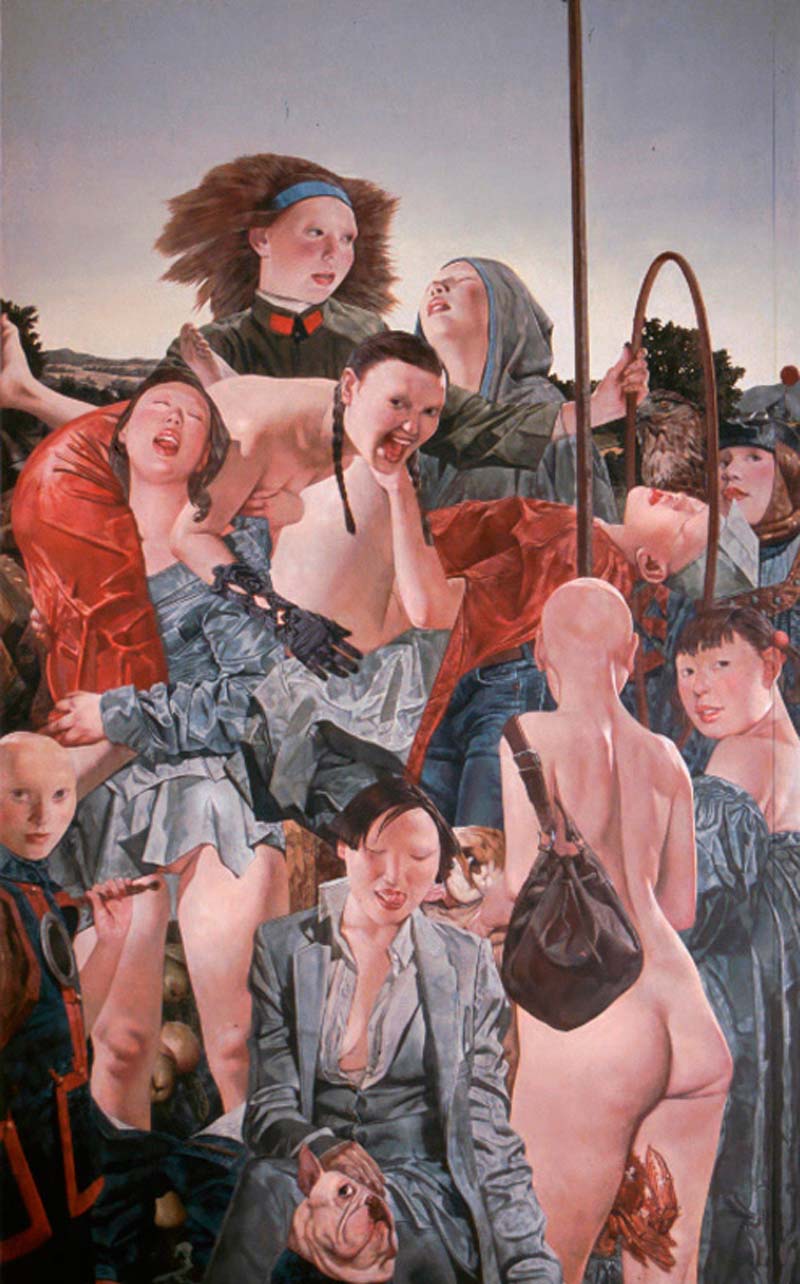
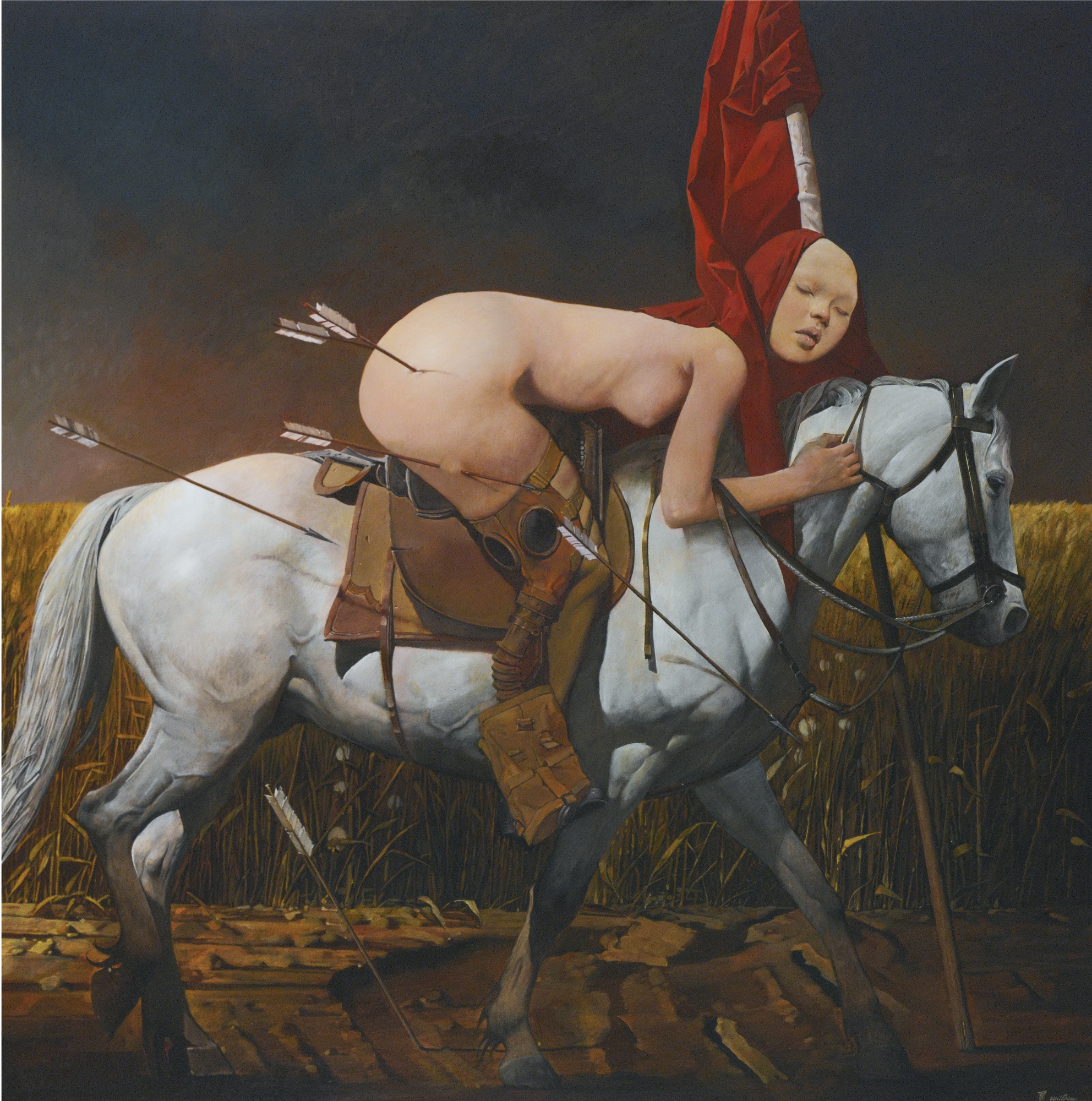
“They also asked me why I didn’t make my
female figures more beautiful. If I have to choose between making
something look beautiful and making something look realistic, I would
choose the latter. Paintings that depict really beautiful women are
rarely truthful representations of reality, because real people have
flaws. Take, for example, the figures in classical oil paintings…”
— Wei Dong
156550809914
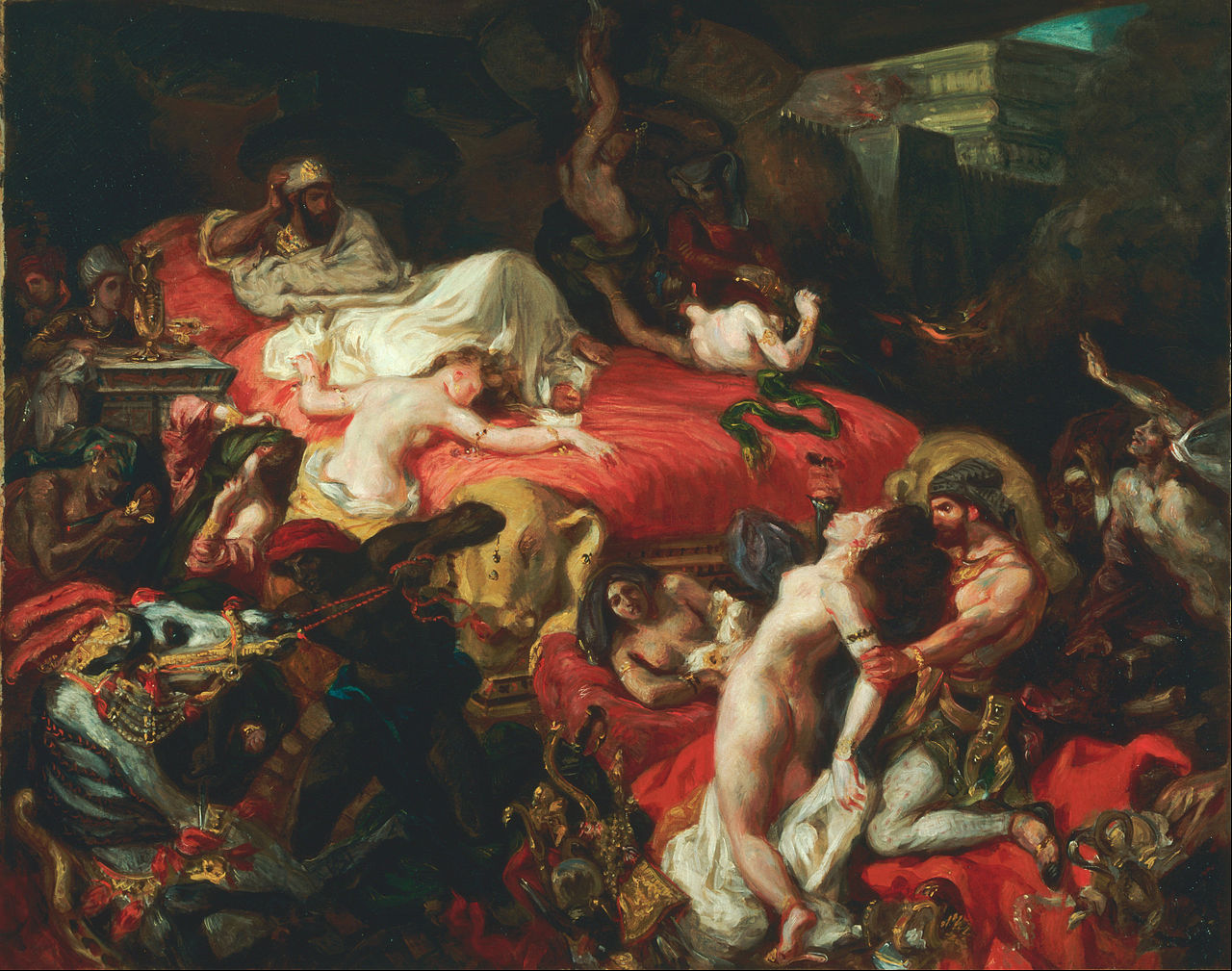
The Death of Sardanapalus by Eugène Delacroix
156301316252
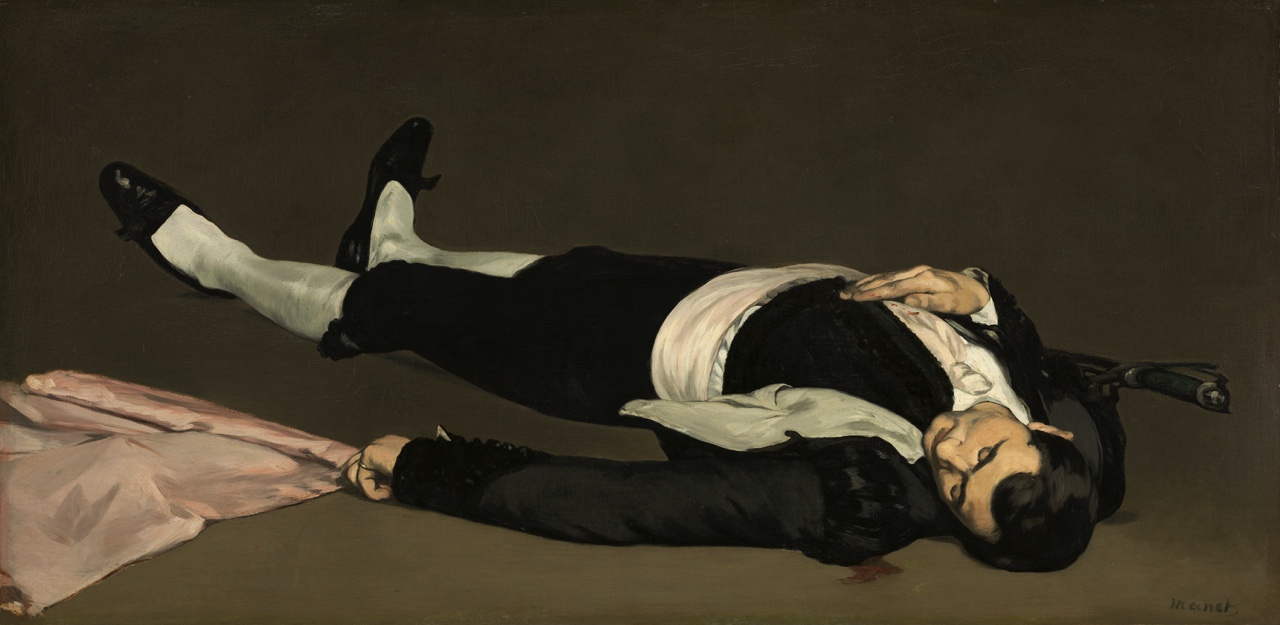
“It is not enough to know your craft – you have to have feeling. Science is all very well, but for us imagination is worth far more.”
The Dead Bullfighter
1864-1865, oil on canvas
76 × 153.3 cm (29.9 × 60.4 in)
by Édouard Manet