Art
724532170490839040
The Evolution of KAWS’ Street Art Aesthetic | Brilliant Ideas Ep. 29
724499150033567744
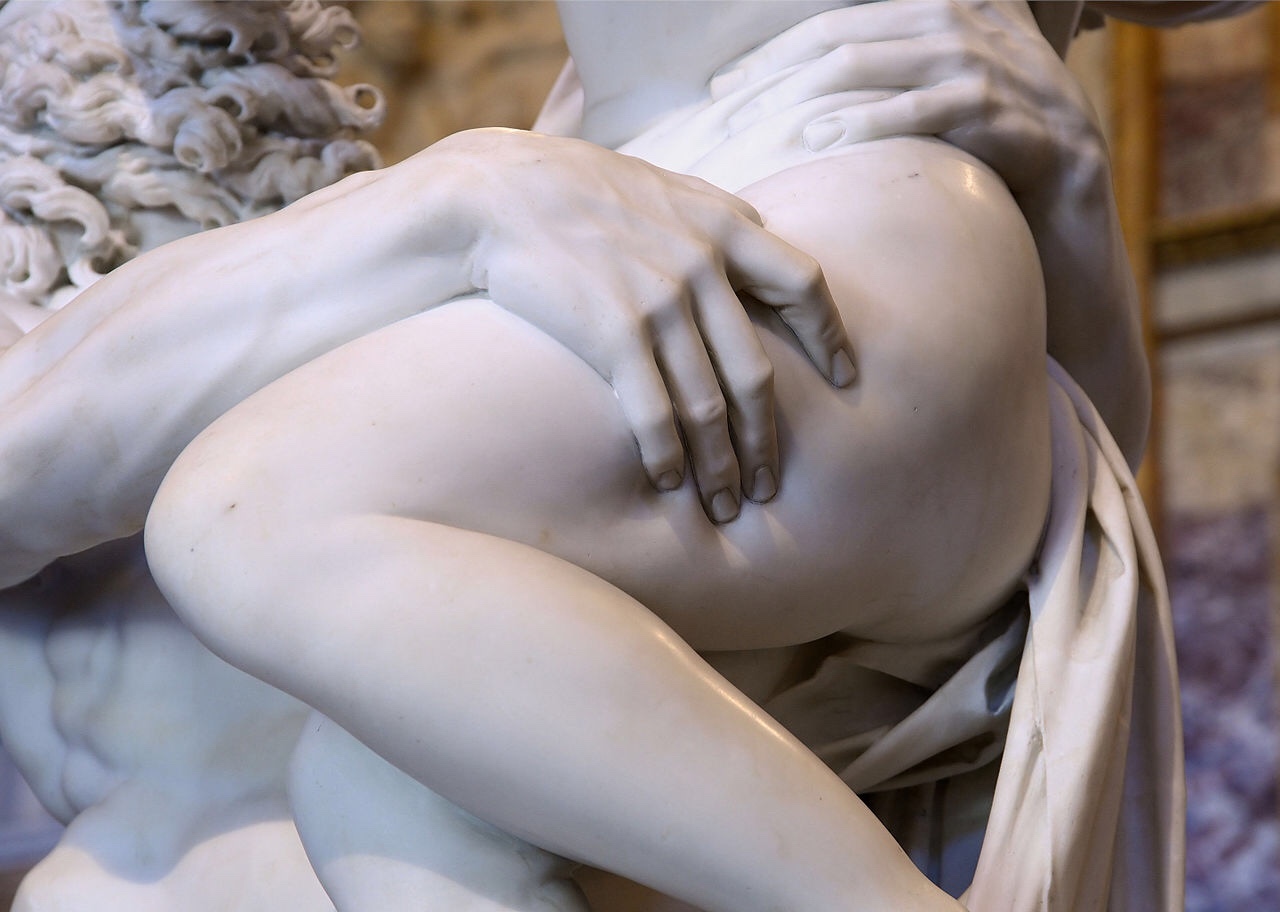
not to be a nerd but it’s so crazy how he (Bernini) really did that from cold hard stone……. truly a spectacle, truly breathtaking, an honor to behold
724461787512193024
Shepard Fairey Street Basics – FULL VIDEO
Graffiti ของจริง!
724410232896421888
724327194540867584
“I believe in intuition and inspiration. Imagination is more important than knowledge. For knowledge is limited, whereas imagination embraces the entire world, stimulating progress, giving birth to evolution. It is, strictly speaking, a real factor in scientific research.”
— Albert Einstein
724068110708178944
723867997240967168
723683808520683520

723450658633777152
“Feel free to take what you want, but remember to take only what you truly need.”
723248840409481216
“Have the courage to follow your heart and intuition. They somehow know what you truly want to become.”
— Steve Jobs
723248403883212800

723199409127636992
By ChatGPT
Some artists may feel the need to assert their identity as “real artists” due to various reasons:
1. Validation: Artists often face criticism or skepticism about their work, especially in the early stages of their careers. By proclaiming themselves as “real artists,” they seek validation from others and reaffirm their commitment and skill in their chosen medium.
2. Imposter syndrome: Many artists, even those with significant talent and success, may experience imposter syndrome—a feeling of inadequacy and fear of being exposed as a fraud. By emphasizing their status as “real artists,” they may be trying to overcome their own self-doubt and convince themselves that they belong in the artistic community.
3. Differentiation: In a highly competitive artistic landscape, some artists might use the phrase to distinguish themselves from amateurs or hobbyists. By asserting their professionalism and dedication, they aim to establish their credibility and set themselves apart from those who may not be as serious or committed.
4. Marketing and branding: In the realm of self-promotion, artists often need to build a personal brand and create a distinct image for themselves. Presenting oneself as a “real artist” can be part of their marketing strategy to attract attention, gain recognition, and position themselves as experts in their field.
5. Artistic identity: For some artists, the label of a “real artist” is not just about external validation but also an internal affirmation of their creative identity. It represents their passion, purpose, and the depth of their artistic practice, reflecting their dedication to their craft and their unique vision.
It’s important to note that not all artists feel the need to assert their identity in this way, and the term “real artist” can be subjective, as artistic expression is diverse and personal. Ultimately, the desire to proclaim oneself as a “real artist” may stem from a combination of personal, societal, and professional factors.
722850607106523136
722687177022193664
A new work every 36 hours: Despite only working for 10 years—from the age of 27 up until his early demise at 37—van Gogh was incredibly prolific. He produced more than 900 paintings and many more drawings and sketches, which works out at nearly a new artwork every 36 hours.
But he never achieved professional success during his lifetime. He sold only one painting while alive. Vincent van Gogh became successful as an artist in the world several decades after his death.