“I didn’t return to Apple to make a fortune. I’ve been very lucky in my life and already have one. When I was 25, my net worth was $100 million or so. I decided then that I wasn’t going to let it ruin my life. There’s no way you could ever spend it all, and I don’t view wealth as something that validates my intelligence.”
“There are different reasons why people bully, including wanting to dominate others and improve their social status, having low self-esteem and wanting to feel better about themselves, and lacking remorse or failing to recognize their behavior as a problem.”
“Art is not a pleasure, a solace, or an amusement; art is a great matter. But most art of the upper classes is made for luxury, and does not serve the poor in any way.”
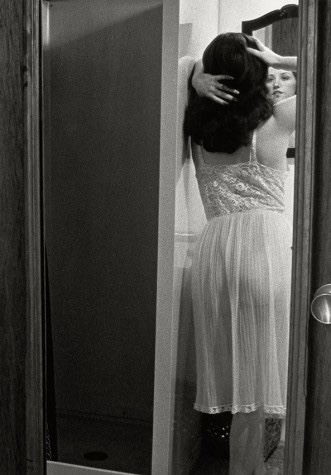
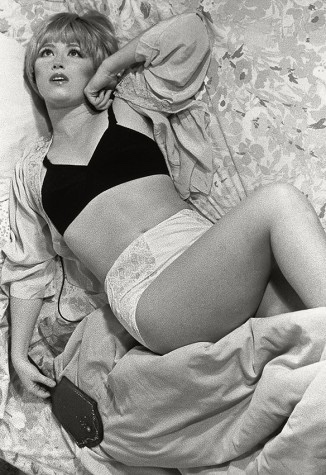
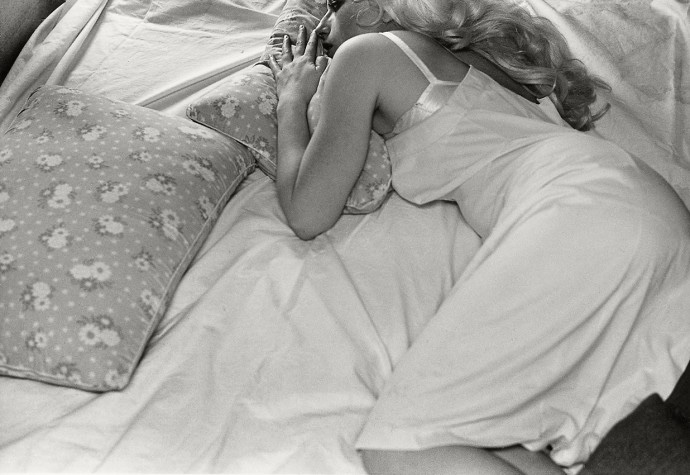
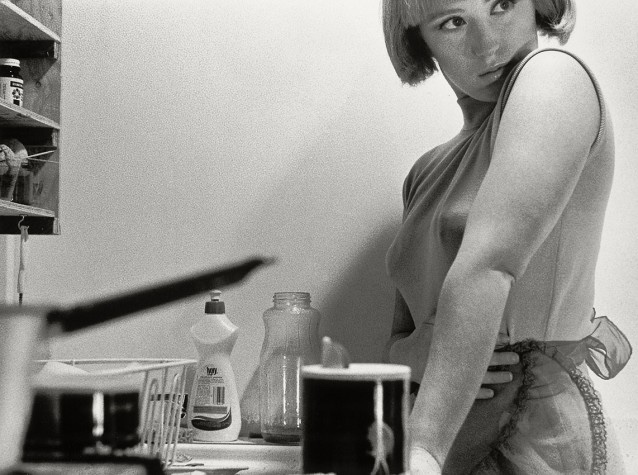
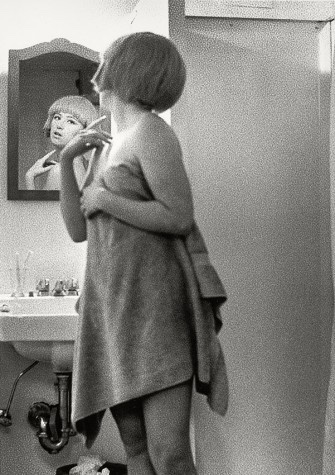
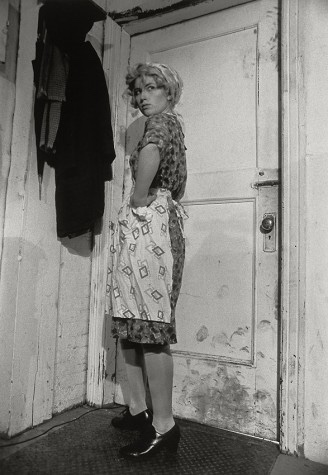
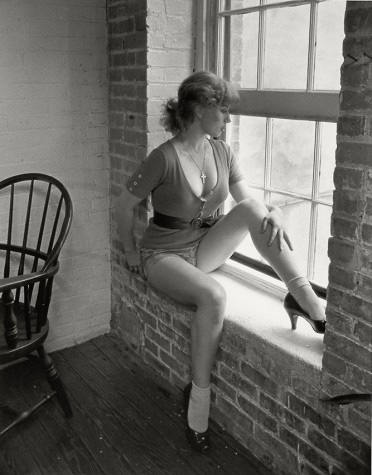
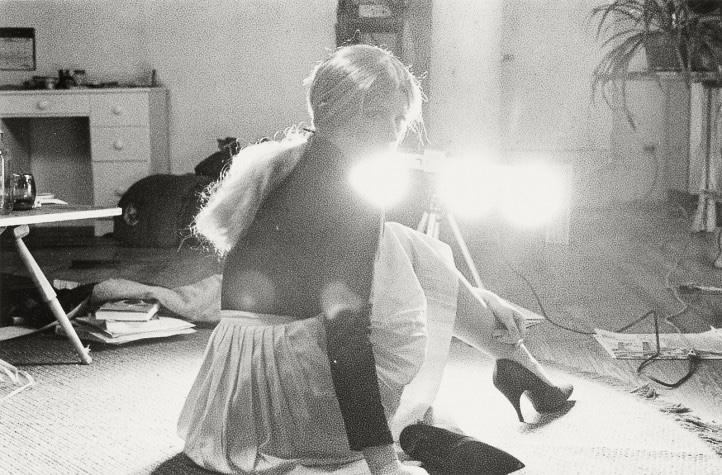
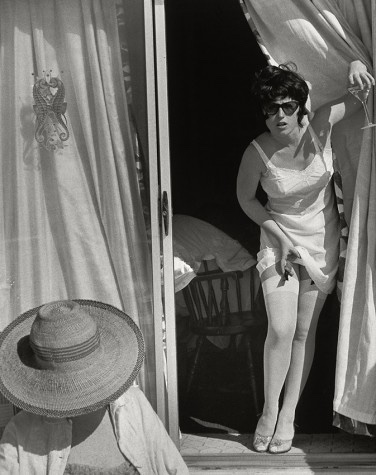
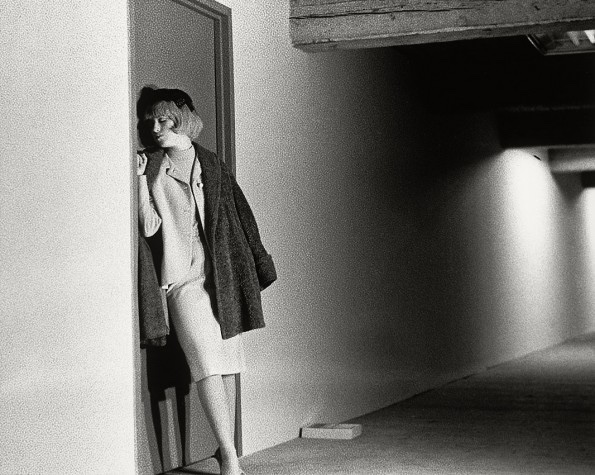
In fall 1977, Sherman began making pictures that would eventually become her groundbreaking “Untitled Film Stills.” Over three years, the series grew to comprise a total of seventy black-and-white photographs. Taken as a whole, the “Untitled Film Stills”—resembling publicity pictures made on movie sets—read like an encyclopedic roster of stereotypical female roles inspired by 1950s and 1960s Hollywood, film noir, B movies, and European art-house films. But while the characters and scenarios may seem familiar, Sherman’s “Stills” are entirely fictitious; they represent clichés (career girl, bombshell, girl on the run, vamp, housewife, and so on) that are deeply embedded in the cultural imagination. While the pictures can be appreciated individually, much of their significance comes in the endless variation of identities from one photograph to the next. As a group they explore the complexity of representation in a world saturated with images, and refer to the cultural filter of images (moving and still) through which we see the world.
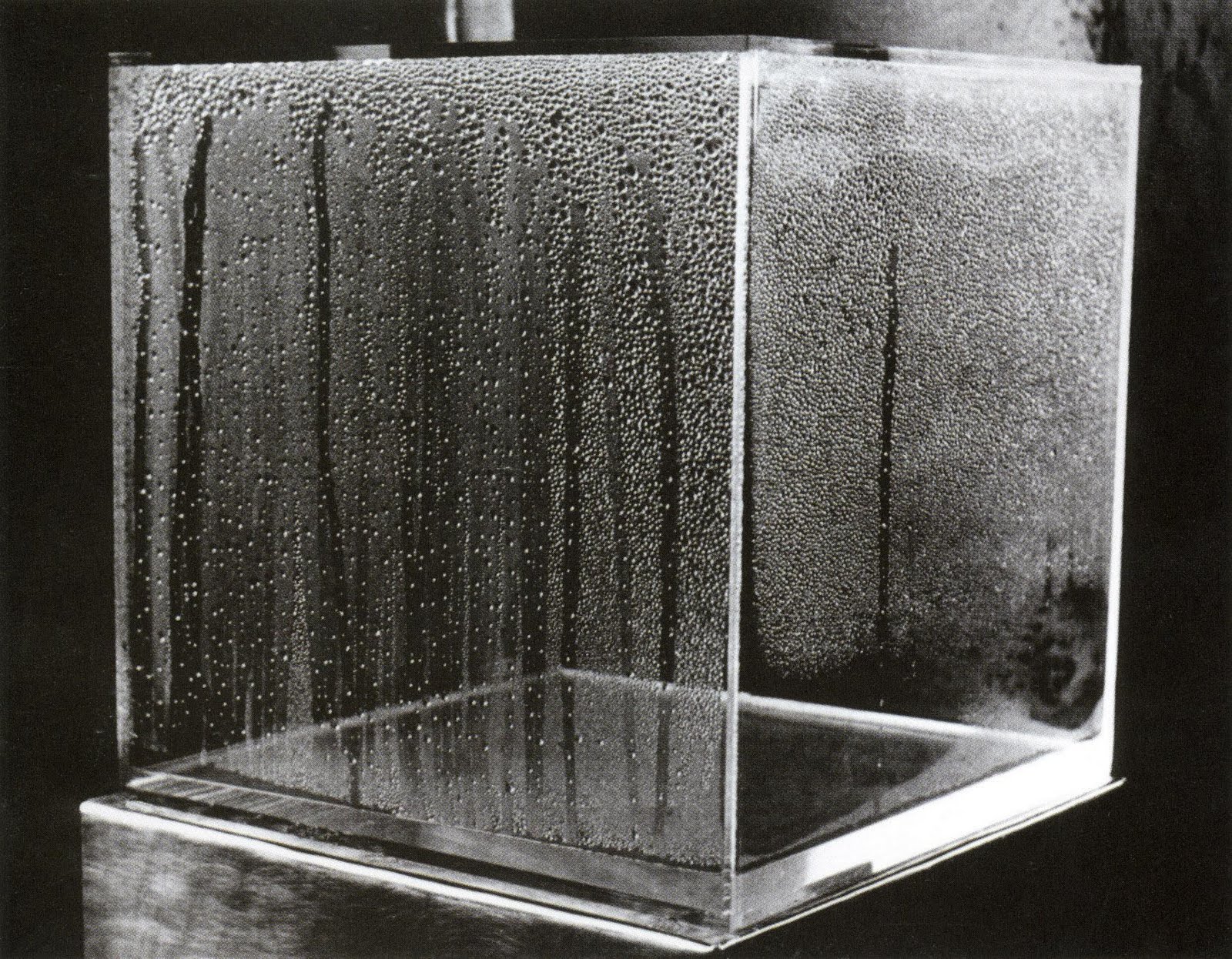
Hans Haacke, Condensation Cube, 1963-65 Installation
“I have partially filled Plexiglas containers of a simple stereometric form with water and have sealed them. The intrusion of light warms the inside of the boxes. Since the inside temperature is always higher that the surrounding temperature, the water enclosed condenses: a delicate veil of drops begins to develop on the inside walls. At first they are so small that one can distinguish single drops from only a very close distance. The drops grow, hour by hour, small ones combine with larger ones. The speed of growth depends on the intensity and the angle of the intruding light. After a day, a dense cover of clearly defined drops has developed and they all reflect light. With continuing condensation, some drops reach such a size that their weight overcomes the forces of adhesion and they run down along the walls, leaving the trace. This trace starts to grow together again. Weeks after, manifold traces, running side by side, have developed. According to their respective age, they have drops of varying sizes. The process of condensation does not end. The box has a constantly but slowly changing appearance that never repeats itself. The conditions are comparable to a living organism that reacts in a flexible manner to its surroundings. The image of condensation cannot be precisely predicted. It is changing freely, bound only by statistical limits. I like this freedom.”
“When works of art are presented like rare butterflies on the walls, they’re decontextualized. We admire their beauty, and I have nothing against that, per se. But there is more to art than that.”