Art
771664007337738240

“You really need faith in yourself to make art and to stand up for what you believe in.” — Elizabeth Peyton
Elizabeth Peyton (b. 1965)
Kurt with cheeky num-num
1995
oil on masonite
14 x 11 in. (35.5 x 27.9 cm.)
Price realised
USD 386,500
771600288370081792
771526202751156224
How Do I Avoid Glare When Photographing My Artwork?
771509662048813056
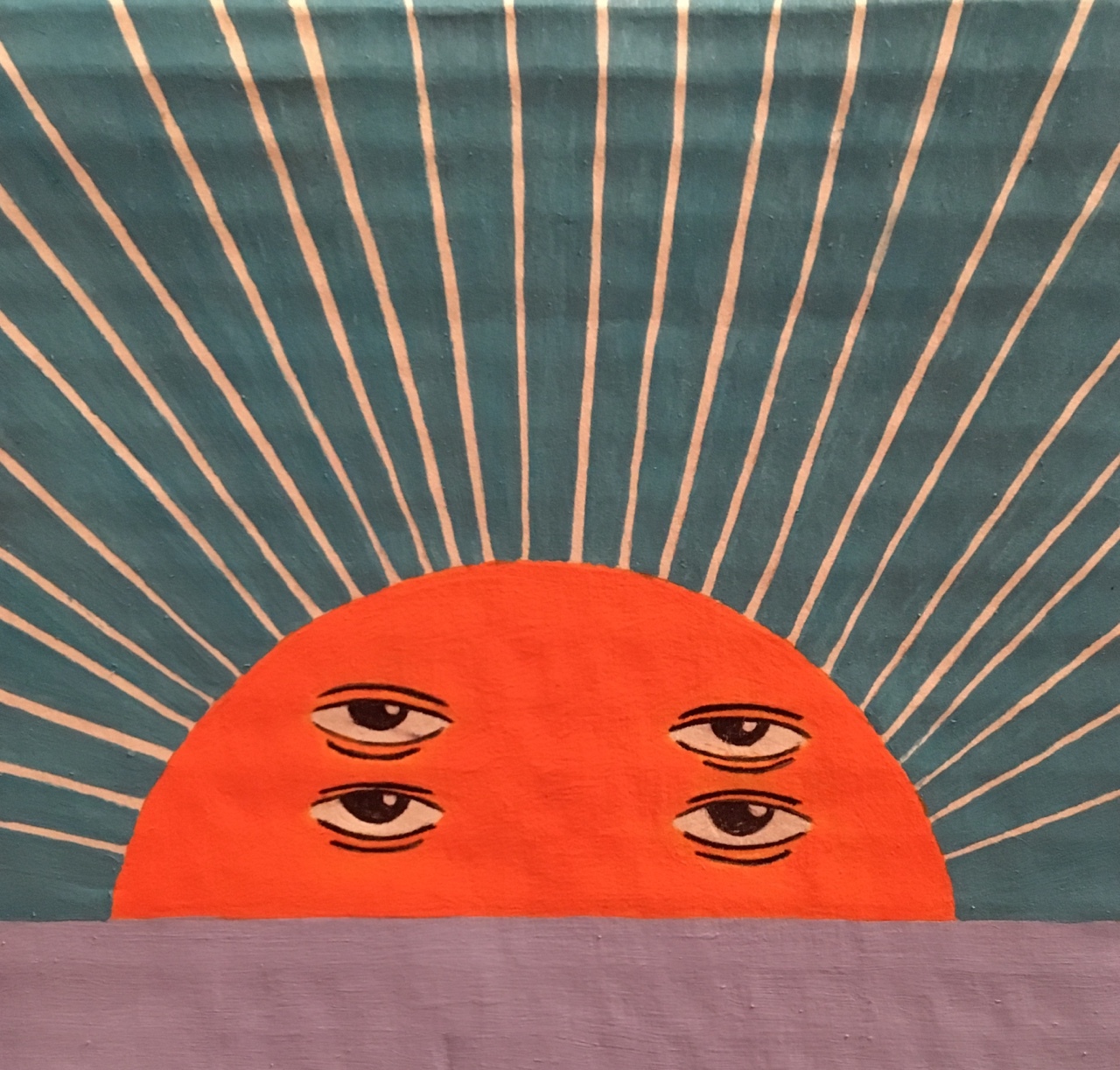
Sun – Acrylic paint on cardboard
771507634566234112
Living a Lie: We Deceive Ourselves to Better Deceive Others
“What’s so interesting is that we seem to intuitively understand that if we can get ourselves to believe something first, we’ll be more effective at getting others to believe it,” says William von Hippel, a psychologist at The University of Queensland, who co-authored the study. “So we process information in a biased fashion, we convince ourselves, and we convince others. The beauty is, those are the steps Trivers outlined—and they all lined up in one study.”
771507471657402368
“It is better to fail in originality than to succeed in imitation.”
— Herman Melville
771328384545472512
771304389395742720
Why people fall for bullshit, according to a scientist
“The difference between bullshit and lying is that bullshit is constructed without any concern for the truth. It’s designed to impress rather than inform. And then lying, of course, is very concerned with the truth — but subverting it.”
771237804178014208
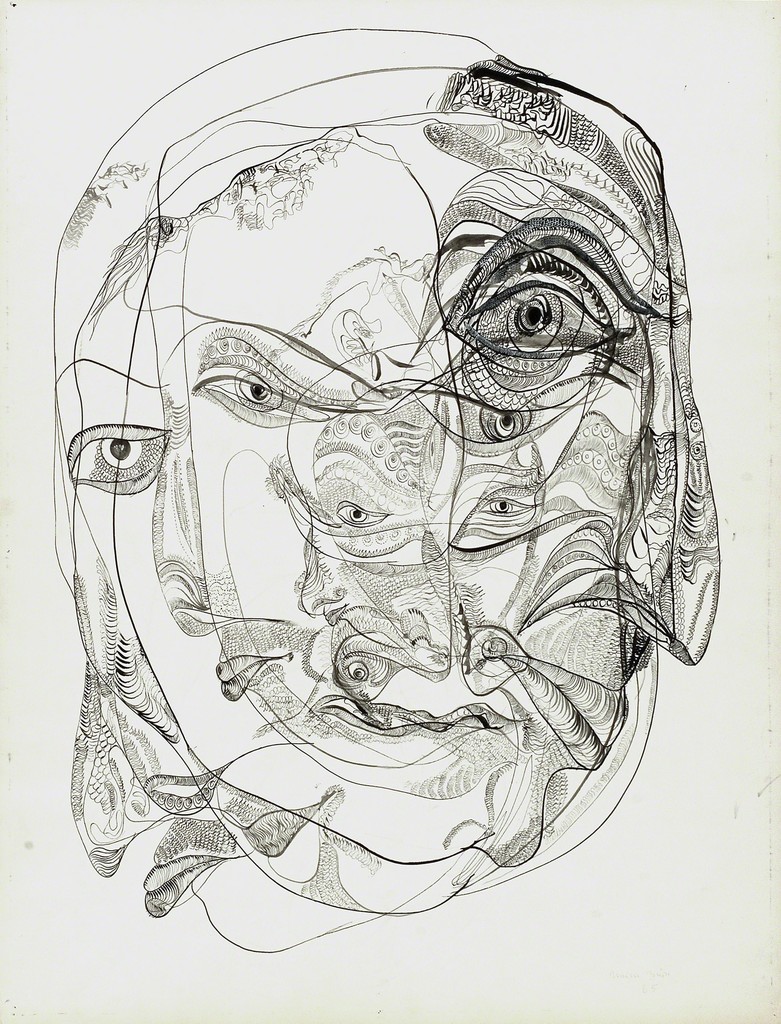
Unica Zürn – Untitled, 1965, ink & gouache on paper, 65.1 × 50.2 cm
771219446118449152
The phrase “Let art speak for itself” likely emerged from the broader philosophy that art should be experienced and interpreted directly by viewers, without requiring excessive explanation or commentary. It aligns with ideas from movements like Romanticism and Modernism, which emphasized the emotional, personal, or universal power of art.
Key Contexts for the Phrase:
1. Romanticism (18th-19th Century):
Romantic artists and thinkers believed in the innate ability of art to evoke emotions and connect directly to the human spirit, minimizing the need for verbal justification.
2. Modernism (late 19th-20th Century):
Modernist artists often rejected traditional rules and advocated for the autonomy of art. They believed that art could stand on its own without the constraints of narrative or explanation.
3. Art Criticism and Philosophy:
Thinkers like John Ruskin and Clement Greenberg contributed to the idea that art should be appreciated for its intrinsic qualities—form, texture, color—without relying heavily on external context.
By ChatGPT
771147234866757632
Fantastic Planet “La planète sauvage” (1973) dir. René Laloux
771056673800519681
770989307298234368
Authenticity: The Deep Hurt of Hiding Your True Self
“Living your truth is daunting and yet empowering, unimaginable but possible, raw and fulfilling. It may be the greatest gift we can give ourselves, but it can be completely overwhelming. As several celebrities recently spoke openly about their sexual orientation and gender identity, they become an example of what is possible, ushering in an era of being oneself completely.”
770904000765853696
“You can’t copy anybody and end with anything. If you copy, it means you’re working without any real feeling.”
— Milt Jackson