artist
723199409127636992
By ChatGPT
Some artists may feel the need to assert their identity as “real artists” due to various reasons:
1. Validation: Artists often face criticism or skepticism about their work, especially in the early stages of their careers. By proclaiming themselves as “real artists,” they seek validation from others and reaffirm their commitment and skill in their chosen medium.
2. Imposter syndrome: Many artists, even those with significant talent and success, may experience imposter syndrome—a feeling of inadequacy and fear of being exposed as a fraud. By emphasizing their status as “real artists,” they may be trying to overcome their own self-doubt and convince themselves that they belong in the artistic community.
3. Differentiation: In a highly competitive artistic landscape, some artists might use the phrase to distinguish themselves from amateurs or hobbyists. By asserting their professionalism and dedication, they aim to establish their credibility and set themselves apart from those who may not be as serious or committed.
4. Marketing and branding: In the realm of self-promotion, artists often need to build a personal brand and create a distinct image for themselves. Presenting oneself as a “real artist” can be part of their marketing strategy to attract attention, gain recognition, and position themselves as experts in their field.
5. Artistic identity: For some artists, the label of a “real artist” is not just about external validation but also an internal affirmation of their creative identity. It represents their passion, purpose, and the depth of their artistic practice, reflecting their dedication to their craft and their unique vision.
It’s important to note that not all artists feel the need to assert their identity in this way, and the term “real artist” can be subjective, as artistic expression is diverse and personal. Ultimately, the desire to proclaim oneself as a “real artist” may stem from a combination of personal, societal, and professional factors.
722850607106523136
722687177022193664
A new work every 36 hours: Despite only working for 10 years—from the age of 27 up until his early demise at 37—van Gogh was incredibly prolific. He produced more than 900 paintings and many more drawings and sketches, which works out at nearly a new artwork every 36 hours.
But he never achieved professional success during his lifetime. He sold only one painting while alive. Vincent van Gogh became successful as an artist in the world several decades after his death.
722684377641926656
The most pathetic person in the world is some one who has sight but no vision.
— Helen Keller
722436323439476736
Why would you listen to an influencer who gave up on their own dream?
721129252705222656
Bullying
Bullying is a complex issue with various underlying causes. People engage in bullying behavior for different reasons, and it’s important to understand that it is not justified or acceptable. Here are some common reasons why individuals may engage in bullying:
1. Power and control: Some people bully others to exert power and control over them. They may feel a sense of superiority by belittling or demeaning others.
2. Insecurity and low self-esteem: Individuals with low self-esteem may bully others as a way to compensate for their own insecurities. By putting others down, they may temporarily feel better about themselves.
3. Peer pressure: In certain social groups, bullying may be perceived as a way to gain acceptance or maintain a certain social status. People may join in or continue bullying behavior to fit in with their peers.
4. Lack of empathy: Some individuals may have difficulty understanding or empathizing with the feelings of others. This lack of empathy can lead to a disregard for the harm they cause through bullying.
5. Learned behavior: Bullying can be learned from observing others, such as family members, friends, or even media influences. If someone grows up in an environment where bullying is normalized or tolerated, they may be more likely to engage in similar behavior.
6. Personal issues or trauma: Individuals who have experienced personal issues or trauma, such as abuse or neglect, may sometimes resort to bullying as a way to cope with their own pain or regain a sense of control.
It’s important to note that these are general reasons and not an exhaustive list. Each bullying situation is unique, and it may involve a combination of factors. Understanding the underlying reasons can help in developing strategies to address and prevent bullying behavior, fostering empathy, and promoting a positive and inclusive environment.
By Chat GTP
721056492960268288
720531921217765376
YOUNG WOMAN: When you go on like this, you know what you sound like?
YOUNG MAN: I sound like a sensible fucking man, is what I sound like.
YOUNG WOMAN: You sound like a duck. (imitates a duck) Quack, quack, quack, quack, quack, quack, quack…
“PULP FICTION” By Quentin Tarantino & Roger Avary
718740732041707520
Genuine individuals require no validation, while pretenders feel compelled to prove themselves.
717683565591248896
714813386754555904
pathetic
adjective
pa·thet·ic pə-ˈthe-tik
Synonyms of pathetic
1: having a capacity to move one to either compassionate or contemptuous pity
2: marked by sorrow or melancholy : sad
3: pitifully inferior or inadequate
4: absurd, laughable
713446342682460160
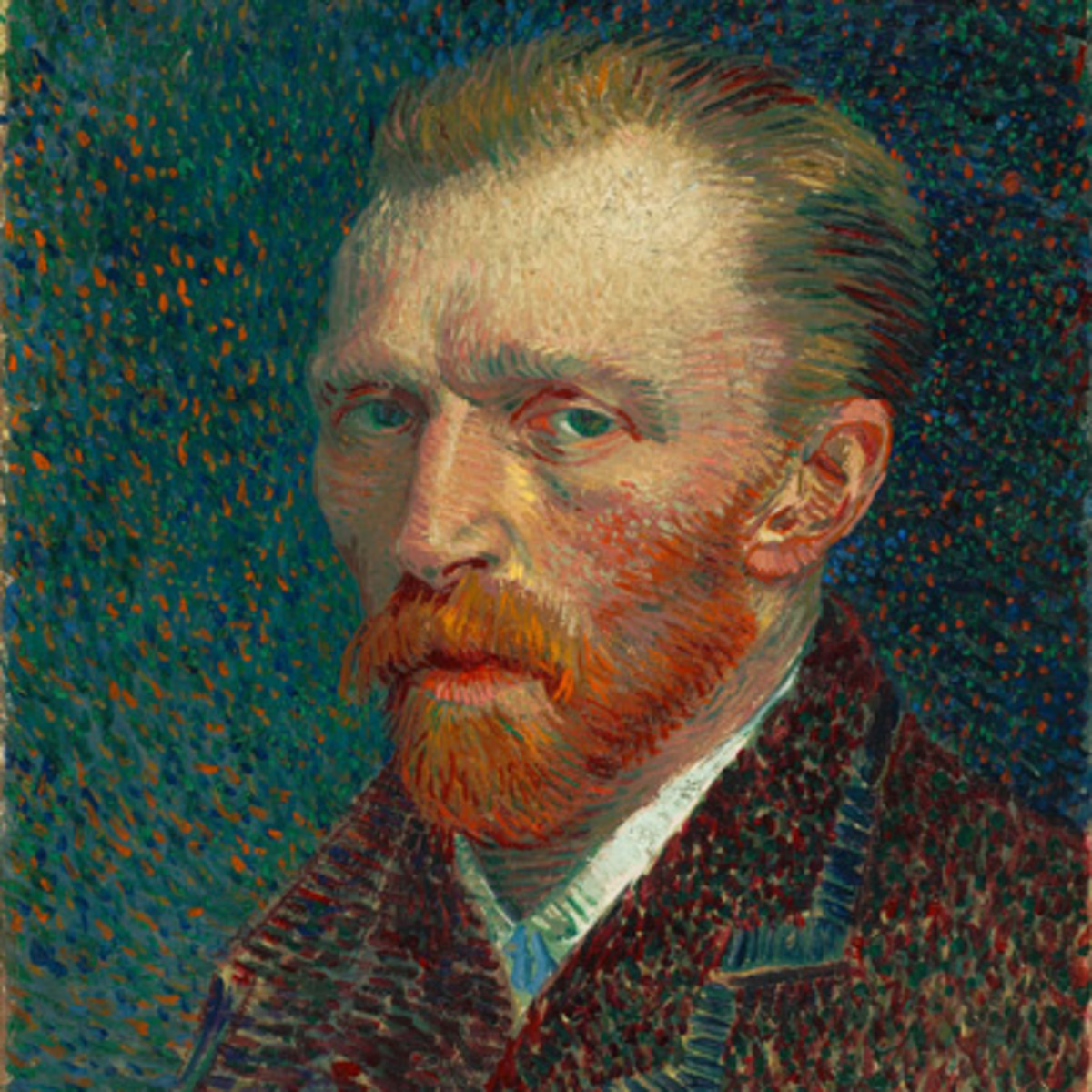
Vincent van Gogh’s last words were “La tristesse durera toujours”, which translates to “The sadness will last forever.” He had shot himself in the chest at the age of 37, although had managed to walk back to the Auberge Ravoux, where two doctors tended to him, but were unable to remove the bullet. He uttered his last words to his brother before his death.
712007828306591744
710902287499919360
Fake Ass Bitches · 2Pac