bomb
791169701662408704
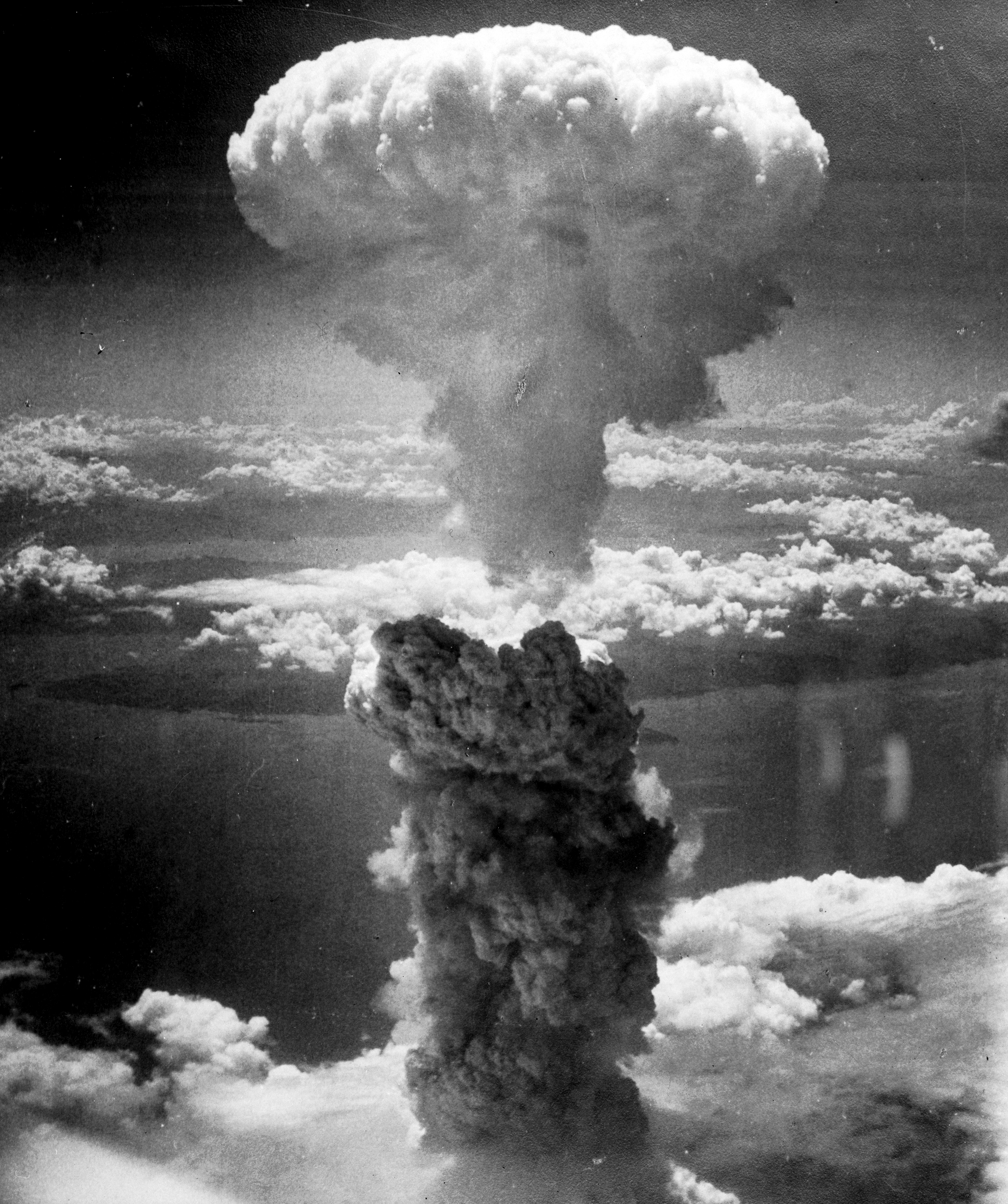
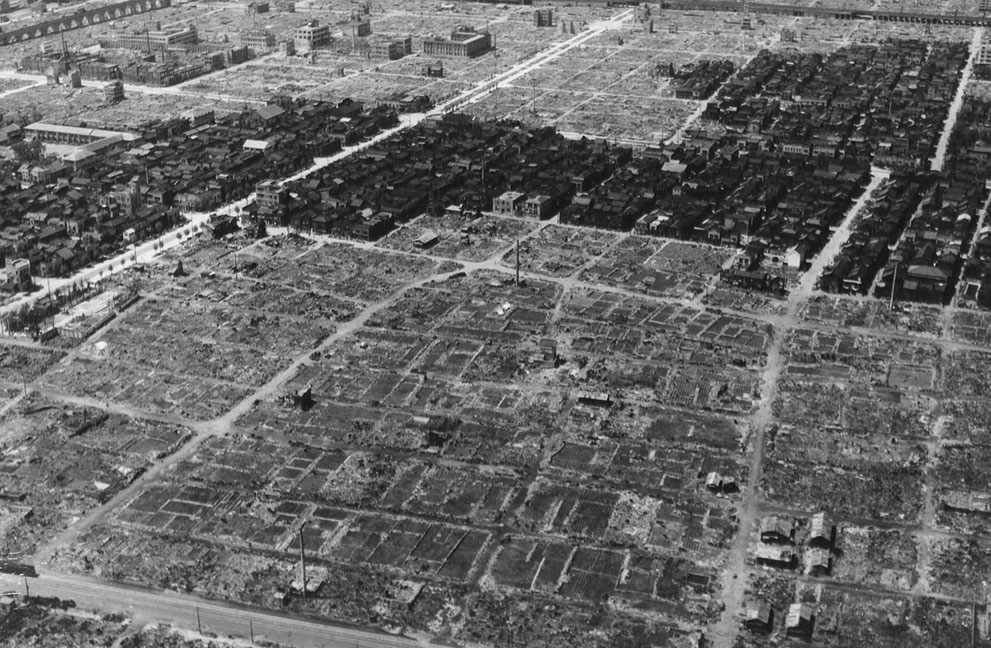

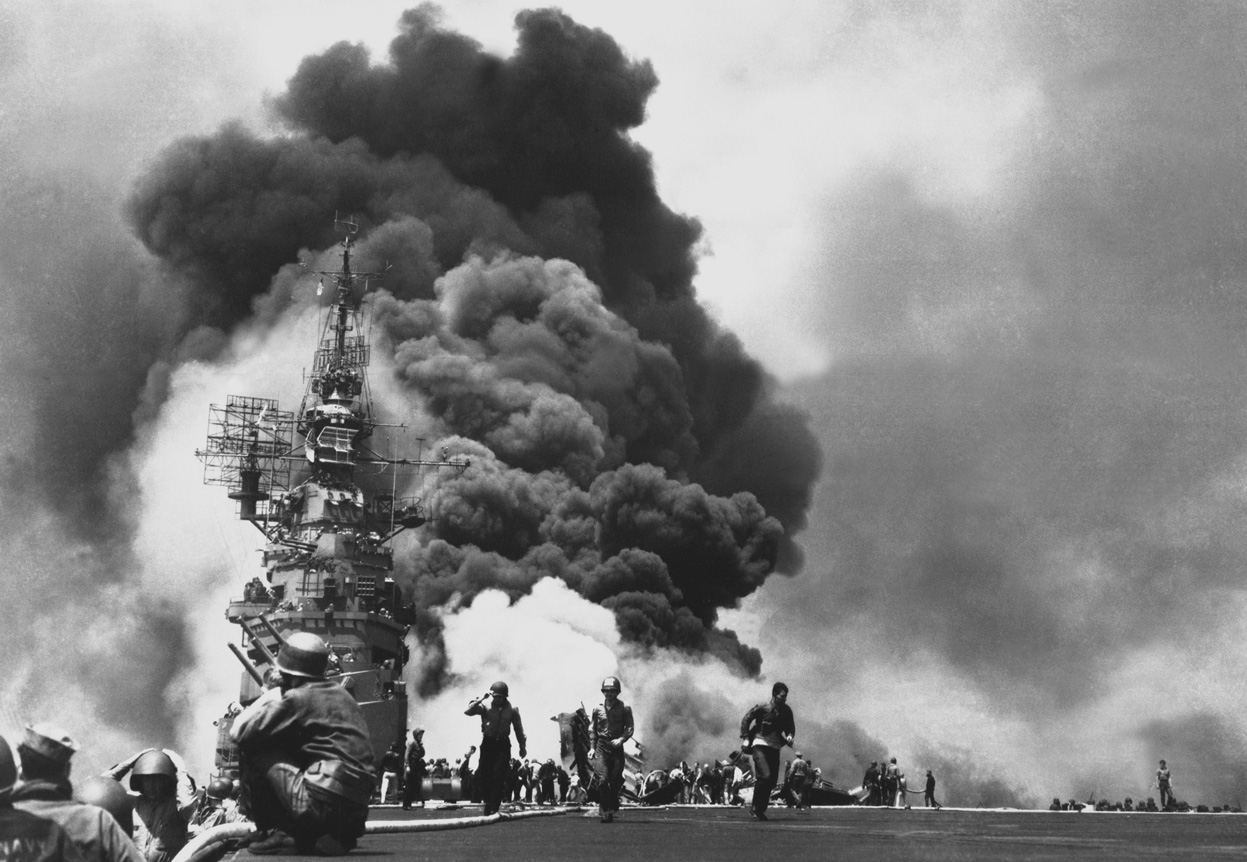

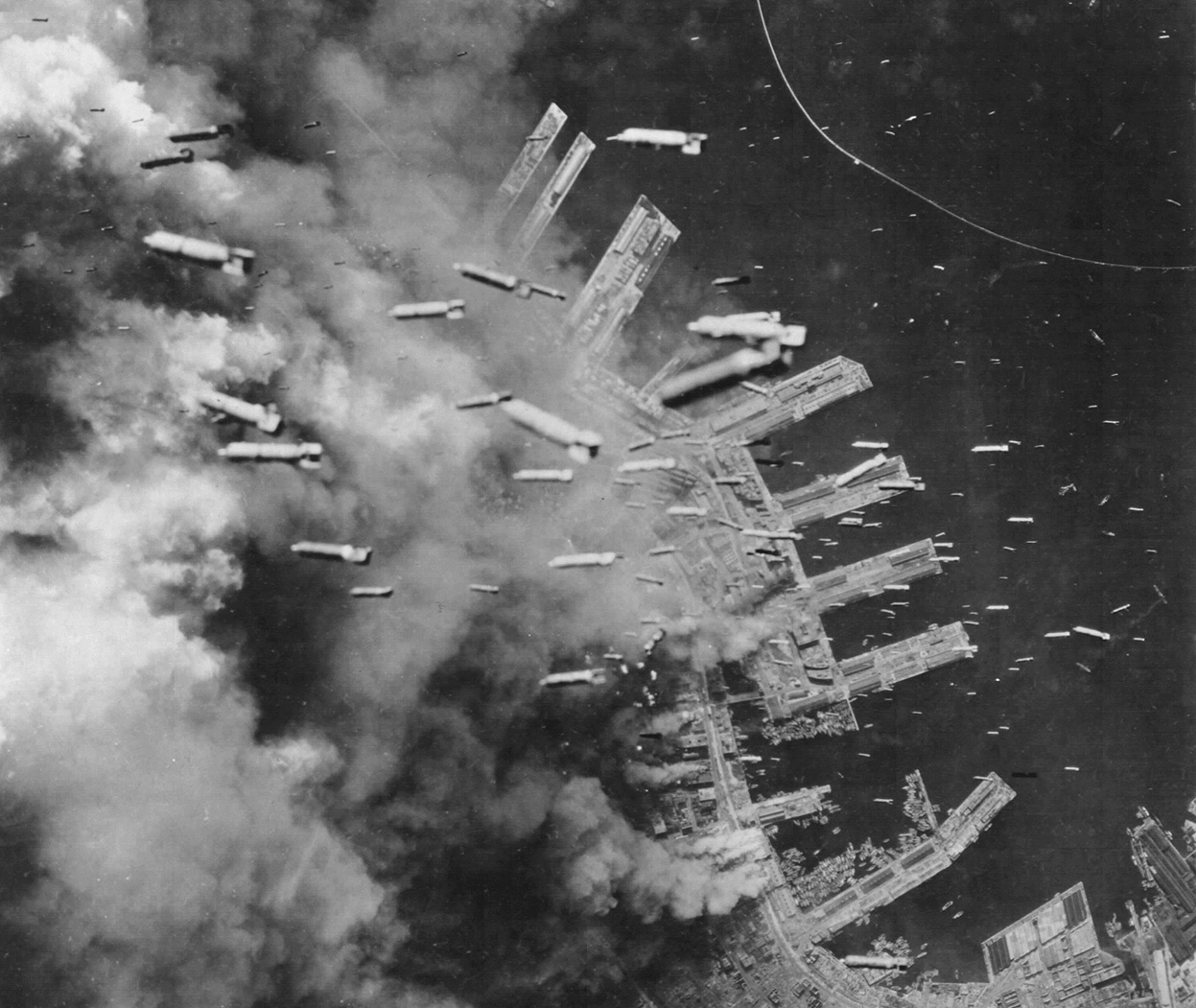
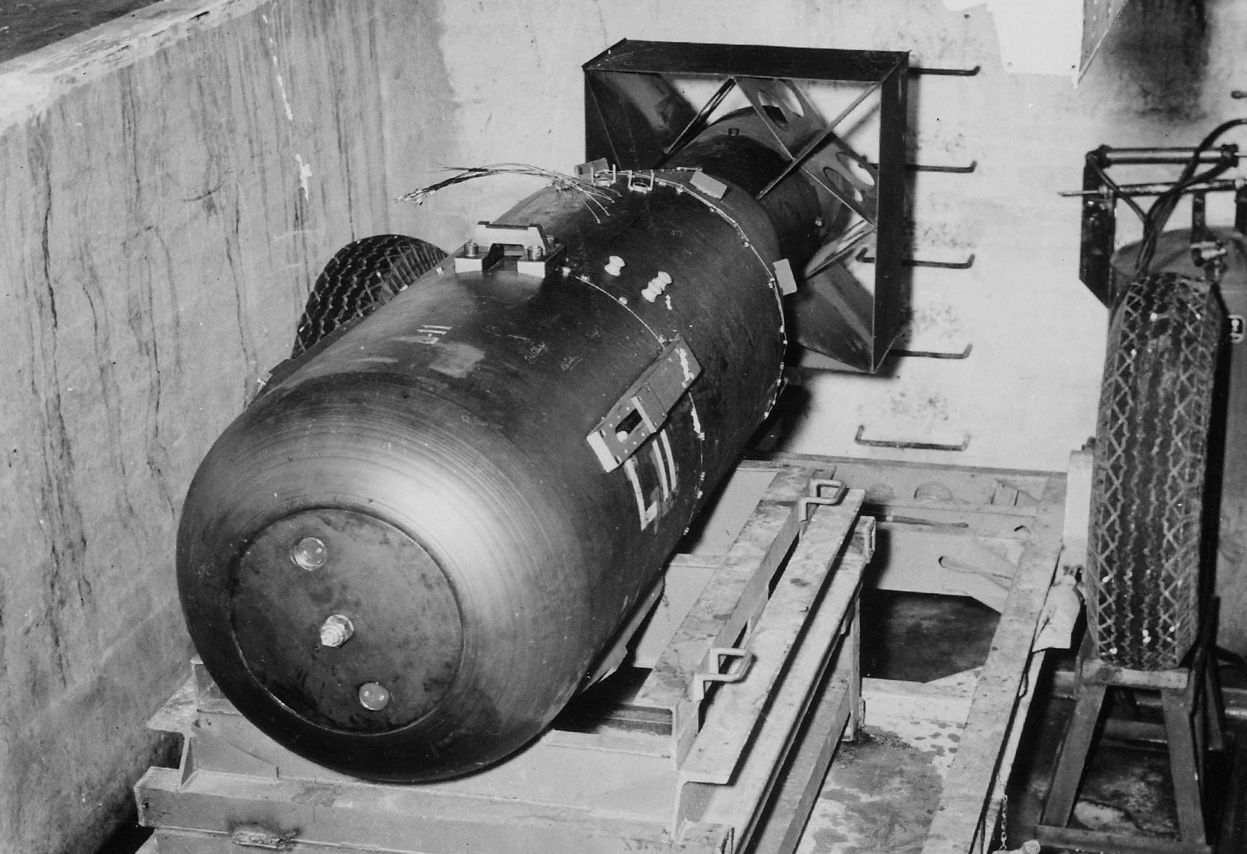

Atomic bombings of Hiroshima and Nagasaki
The United States gave Japan a warning and a deadline to surrender before the atomic bombings of Hiroshima and Nagasaki, though not with an explicit mention of the atomic bomb itself.
Key Warning: The Potsdam Declaration (July 26, 1945)
- The Potsdam Declaration was issued by the United States, the United Kingdom, and China.
- It called for Japan’s unconditional surrender, warning of “prompt and utter destruction” if they refused.
- It did not mention the atomic bomb specifically, as the weapon had not yet been used publicly and was still secret.
- Japan was given an ultimatum, though no exact deadline date was specified.
- Japan’s government rejected the ultimatum (or more accurately, chose to ignore it, which was interpreted as rejection by the Allies).
What happened next:
- On August 6, 1945, the U.S. dropped the first atomic bomb on Hiroshima.
- On August 8, the Soviet Union declared war on Japan.
- On August 9, the second atomic bomb was dropped on Nagasaki.
- Japan announced its intention to surrender on August 15, 1945, leading to the formal surrender on September 2, 1945.
Summary:
The U.S. did issue a surrender ultimatum (Potsdam Declaration) before the bombings, but did not reveal that an atomic bomb would be used. The warning was serious but vague about the nature of the coming destruction.
789938718590042112
Thailand launches airstrikes on Cambodian military targets in escalation of border dispute | CNN
“Thailand has deployed fighter jets against Cambodian military targets along their disputed border, in a dramatic escalation of tensions that threatens to erupt into a broader conflict. The attack comes a day after a Thai soldier lost his leg in a landmine explosion, an incident that saw relations between the two Southeast Asian neighbors collapse to their lowest level in years.”
770612988121120768
The manifesto written by Theodore John Kaczynski
The manifesto written by Theodore John Kaczynski, titled “Industrial Society and Its Future”, was published in 1995. It consists of 232 paragraphs outlining his critiques of modern technological society, its effects on human freedom, and his views on what could be done to address these issues.
Here’s a broad outline of the manifesto’s main topics:
1. Introduction (Paragraphs 1-6)
- Kaczynski introduces his thesis: The Industrial Revolution and its consequences have been disastrous for humanity.
- He sets the foundation for why he believes modern technology erodes freedom and causes widespread psychological suffering.
2. The Power Process (Paragraphs 7-37)
- Explains the concept of the “power process”—a framework of achieving goals and experiencing autonomy in life.
- Argues that industrial society disrupts this natural process because basic needs are too easily met, leading to psychological issues.
- Introduces terms like “surrogate activities” (unnecessary hobbies or pursuits) that people turn to in order to feel purpose.
3. The Problems of Modern Society (Paragraphs 38-76)
- Highlights the growing control of individuals by large systems (e.g., governments, corporations).
- Discusses the impact of technology on human autonomy, nature, and small communities.
- Critiques the loss of personal freedom due to modern societal rules.
4. The Psychology of Leftism (Paragraphs 8-36, 83-120)
- Kaczynski claims that modern “leftism” stems from feelings of inferiority, oversocialization, and a desire for control.
- He argues that leftists often oppose technology in ways that still reinforce technological systems, undermining true revolution.
5. Disruption of Human Behavior (Paragraphs 121-144)
- Explores how technological systems force humans to behave in unnatural ways.
- Asserts that people are manipulated into conformity by bureaucratic systems and societal norms.
6. The Future of Industrial Society (Paragraphs 145-182)
- Predicts two potential outcomes:
- Technology continues to advance, leading to complete control over human behavior and loss of freedom.
- The industrial system collapses, providing an opportunity to rebuild society on a smaller, more natural scale.
- Warns that technological “solutions” to problems often create worse consequences.
7. Strategy for Revolution (Paragraphs 183-232)
- Advocates for the elimination of the technological system rather than reforming it.
- Rejects political reform or violence aimed at small issues; instead, he calls for a comprehensive rejection of industrial society.
- Suggests focusing on spreading anti-technology ideology to prepare for a potential collapse.
Conclusion:
The manifesto concludes with a reiteration of the main point: technology is incompatible with human freedom, and radical action is necessary to dismantle the system.
The full text can be found in archives or historical repositories under its title “Industrial Society and Its Future.”
770314941880238080
How the FBI Caught the Unabomber
760275656215068672

746531888302374912
150575315932
146880511517
146630895712
145600059537
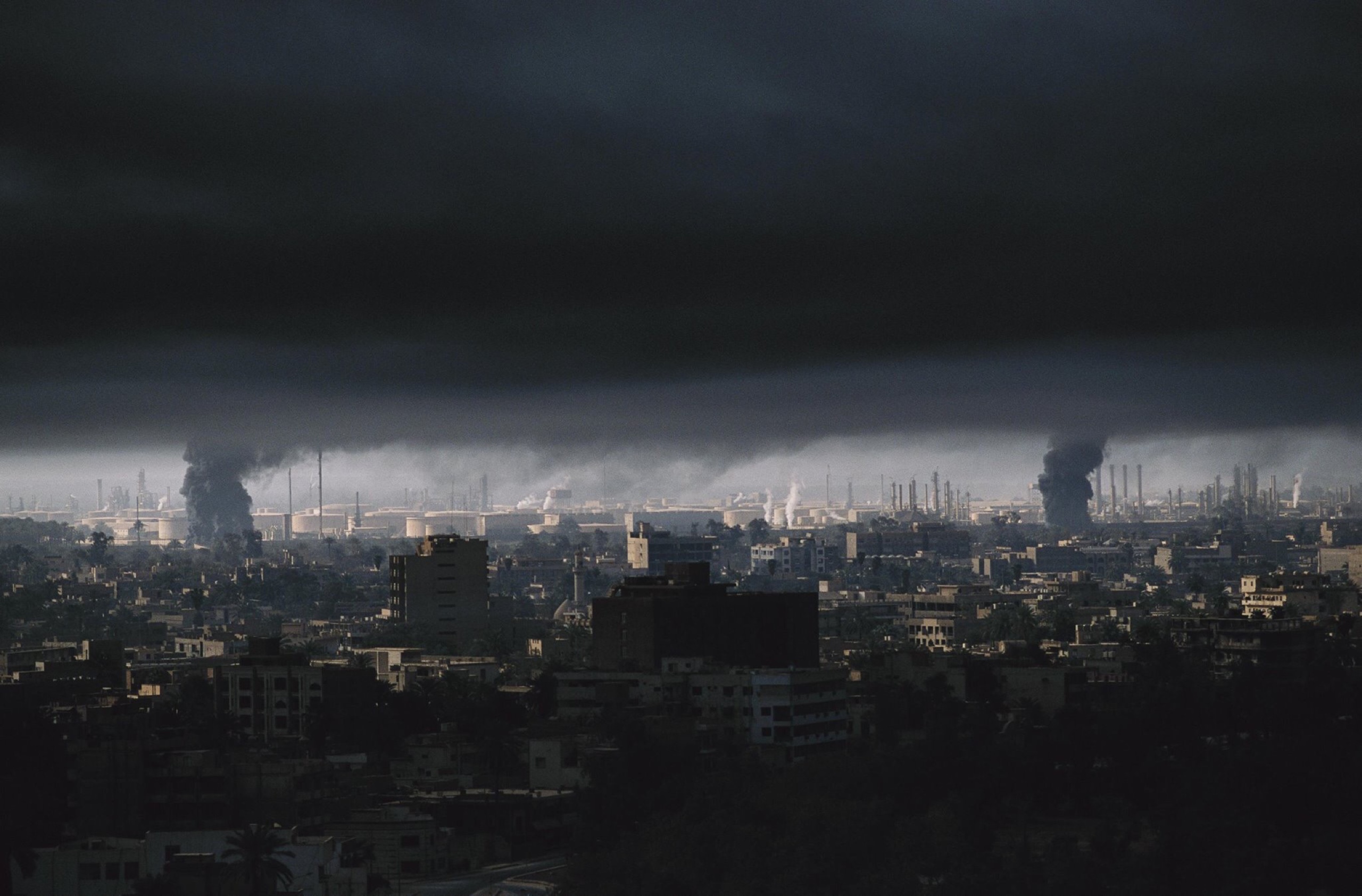
Polluted sky over Baghdad by oil smoke during the three-week coalition air strikes over the city, Iraq, Feb. 15, 2003.
145089013942
Seed Bombing: How Thailand Plans To Restore Its Forests
132168109453

129471433376

Grumman F-14 Tomcat
126002226427
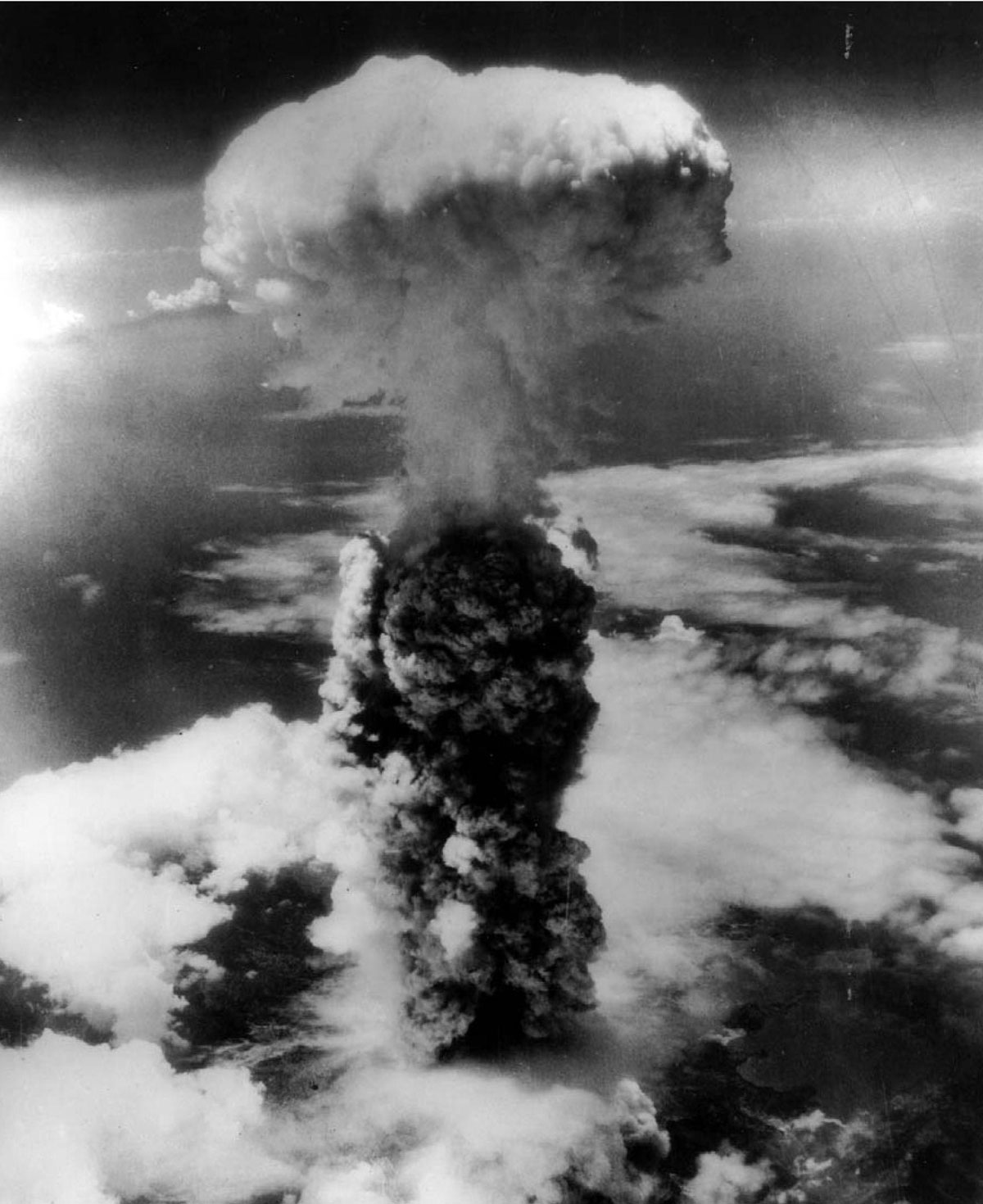
ATOMIC BOMBING OF NAGASAKI, 9 August 1945