book
187822815382
Sixteen Strategies of Zhuge Liang
Governing a country
– Be as “unerring as the North Star”
Ties between the ruler and subjects
– Let respect and loyalty become the only set of links between the ruler and his subjects.
Observing and listening
– Be a
leader with a good strategic understanding of the situation at hand.
Keep your mind on the game and your eye on the target.
Acceptance of advice
– Be receptive and kind to other people’s ideas.
Being perceptive
– Be perceptive of all details (large and small) and make a clear distinction between the attribute of right and wrong.
Managing people
– In order to win people over to your side, educate them.
Selection of people
– Seek the worthy and employ the talented.
Performance evaluation
– Promote the praiseworthy and dismiss the average performers and producers.
Military administration
– Play the game effectively and win by sound strategy development.
Rewards and punishments
– While you reward those who deliver a clean, efficient administration, you should punish those who do not.
On emotion
– Do not make decisions via emotion.
Controlling chaos
– Be careful when handling a chaotic situation.
Education and orders
– Rectify oneself first when issuing orders.
Dealing with difficulties
– Act decisively to eliminate the cause of chaos.
Looking ahead
– Be farsighted and cautious when planning.
Observation
– Commit one’s self to strive only for success.
166419880222
There’s a lot of ugly things in this world, son. I wish I could keep ’em all away from you. That’s never possible.
161729551822
From a book การเดินทางของปรัชญาตะวันตก By นรินทร์ โอฬารกิจอนันต์
โสกราตีส เป็นผู้ที่ปลุกให้ชาวเอเธนล์ลุกขึ้นมาพยายามตอบคำถามพื้นฐานของชีวิตให้ได้เสียก่อนว่า ความดีหรือชีวิตที่ดีนั้นคืออะไร? เพราะเขาเห็นว่าหากเรายังไม่สามารถตอบคําถามนี้ได้ ทุกสิ่งที่เราพยายามทําไปในชีวิตก็อาจสูญเปล่าทั้งหมด เพราะสิ่งที่เราทำอยู่ทุกวันเพราะเข้าใจว่าเป็นความดีนั้นเเท้จริงแล้ว อาจไม่ใช่ความดีเลยก็ได้ แต่เกิดจากความไม่รู้หรือความเข้าใจผิดของเราว่าสิ่งเหล่านั้นคือความดี
โสกราตีสจึงเห็นว่า ความรู้ (หรือปัญญา) นั้นเป็นสิ่งที่สําคัญที่สุด เเละสําคัญยิ่งกว่าความดีด้วย เพราะถ้าเรายังไม่รู้เลยว่า ความดีคืออะไร (หรือเข้าใจผิด) แล้วเราจะทําความดีอย่างไร สิ่งสําคัญที่สุดของขีวิตมนุษย์หรือสิ่งที่ควรเป็นเป้าหมายของการมีขีวิตอยู่ของมนุษย์ตามความเห็นของโสกราตีสจึงได้เเก่ การแสวงหาความรู้ (หรือปัญญา) นั่นเอง
ในทางตรงข้าม โสกราตีสเห็นว่า ผู้ที่เข้าถึงปัญญาได้แล้วก็จะทำแต่ความดีเอง ซึ่งแนวคิดนี้อาจเป็นแนวคิดที่ฟังดูแปลกอยู่สักหน่อยสำหรับคนทั่วไปเพราะคนทั่วไปมักรู้สึกว่า คนที่มีปัญญารู้ว่าความดีคืออะไร แต่ก็ยังทำชั่วเพราะความโลภ โกรธ หลง ก็น่าจะมีอยู่ แต่ที่จริงแลัว คําว่ามีปัญญาในที่นี้ โสกราตีสไม่ใด้หมายถึง แค่มีความรู้เฉพาะเรื่องที่เกี่ยวข้องกับการกระทํานั้นๆ เท่านั้น แต่โสกราตีสหมายถึงการมีความรู้ทั้งหมด เข้าใจหรือเข้าถึงความจริงแท้ของโลกทั้งหมดเเล้วเท่านั้น บุคคลที่มีปัญญาถึงระดับนี้จะทำแต่ความดีเสมอเพราะมองไม่เห็นประโยชน์ใดๆ ที่จะทำความชั่ว เเละการที่คนทั่วไปยังทำความชั่วอยู่นั้น โสกราตีสเห็นว่าล้วนมีสาเหตุมาจากความไม่รู้ทั้งสิ้น คือยังไม่ได้เข้าถึงความจริงทั้งหมด ความชั่วจึงมีสาเหตุที่เเท้จริงมาจากความไม่รู้ เฉกเช่นเดียวกับความดีที่มีต้นเหตุมาจากความรู้นั้นเอง
ที่แปลกยิ่งกว่านั้นสำหรับคนทั่วไปด้วยก็คือ แม้โสกราตีสจะเห็นว่า คนที่เข้าถึงความรู้ทั้งหมดแล้วเท่านั้นที่จะทําความดีอย่างสมบูรณ์ เเต่โสกราตีสเองกลับเชื่อว่า ไม่ว่าคนเราจะพยายามแสวงหาความรู้มากแค่ไหน สุดท้ายเเล้วเราก็จะไม่มีวันเข้าถึงความรู้ที่เเท้จริง หรือความรู้ทั้งหมดได้อยู่ดี เนื่องจากมนุษย์มีข้อจำกัดทั้งทางกายภาพเเละสติปัญญาที่จะเข้าถึงความรู้ที่แท้จริงได้
เเต่ถึงกระนั้น โสกราตีสก็ยังเห็นว่า คนเราก็ยังต้องแสวงหาความรู้ให้มากที่สุดเท่าที่จะทำได้อยู่ดี เปรียบเสมือนการที่คนเราไม่อาจป้องกันตัวเองให้รอดพันจากโรคภัยไข้เจ็บได้ทั้งหมด ไม่ว่าเราจะพยายามรักษาสุขภาพเเค่ไหน เเต่ถึงกระนั้นคนเราก็ยังต้องพยายามดูแลรักษาสุขภาพใหัดีที่สุดเท่าที่จะทำได้อยู่ดี เราจึงมีหน้าที่เเสวงหาความรู้ให้มากที่สุด และเวลาที่เราทำชั่วนั้น เราไม่ได้ผิดเพราะว่า เราไม่รู้ว่าสิ่งนั้นเป็นความชั่ว (ผู้ไม่รู้ย่อมไม่ผิด) แต่เราจะผิดเพราะว่าเราไม่ได้ใชัความพยายามอย่างมากพอ ที่จะแสวงหาความรู้ เพื่อหลีกเลี่ยงความชั่วเหล่านั้นให้ได้มากที่สุดต่างหาก จะเห็นได้ว่า โสกราตีส เห็นความสําคัญของการแสวงหาความรู้ของคนเรา
ในการพิจารณาคดีครั้งสุดท้าย โสกราตีสกล่าวต่อคณะลูกขุนว่า “ชีวิตที่ไม่ได้ตรวจสอบนั้นไม่มีค่าพอที่จะมีขีวิตอยู่” ซึ่งหมายความว่า เขายินดีจะตายเสียดีกว่าที่จะหยุดตั้งคำถามใดๆ เพียงเพื่อให้ได้มีขีวิตอยู่รอดหายใจต่อไปวันๆ เท่านั้น ยิ่งเป็นการตอกย้ำว่าเขาให้ความสำคัญกับการแสวงหาความรู้ว่าเป็นสิ่งที่สำคัญที่สุด
เเละในคืนก่อนที่โสกราตีสจะถูกนำตัวไปประหารขีวิตนั้น คริโต้ เพื่อนสนิทของเขาได้ลักลอบให้สินบนแก่ผู้คุมนักโทษเพื่อให้ปล่อยตัวเขา แต่โสกราตีสกลับปฏิเสธที่จะหลบหนี ทำให้คริโต้ถึงกับตำหนิโสกราตีสว่า ทอดทิ้งลูกน้อยของตนเองให้ต้องกําพร้าพ่อแต่ถึงกระนั้นโสกราตีสก็ยังยืนยันว่า ตนเองจะไม่หนีอยู่ดี และทำให้เขาถูกประหารขีวิตในวันรุ่งขึ้น
ถือกันว่า การยอมตายของโสกราตีสนั้น เป็นวีรกรรมอย่างหนึ่ง เพราะเป็นการพิสูจน์ว่า เขาเห็นความสำคัญของการ แสวงหาปัญญาว่าเป็นสิ่งที่สําคัญที่สุดในชีวิตมนุษย์อย่างแท้จริง ไม่ใช่เพียงแค่คําพูดลอยๆ
161417138812
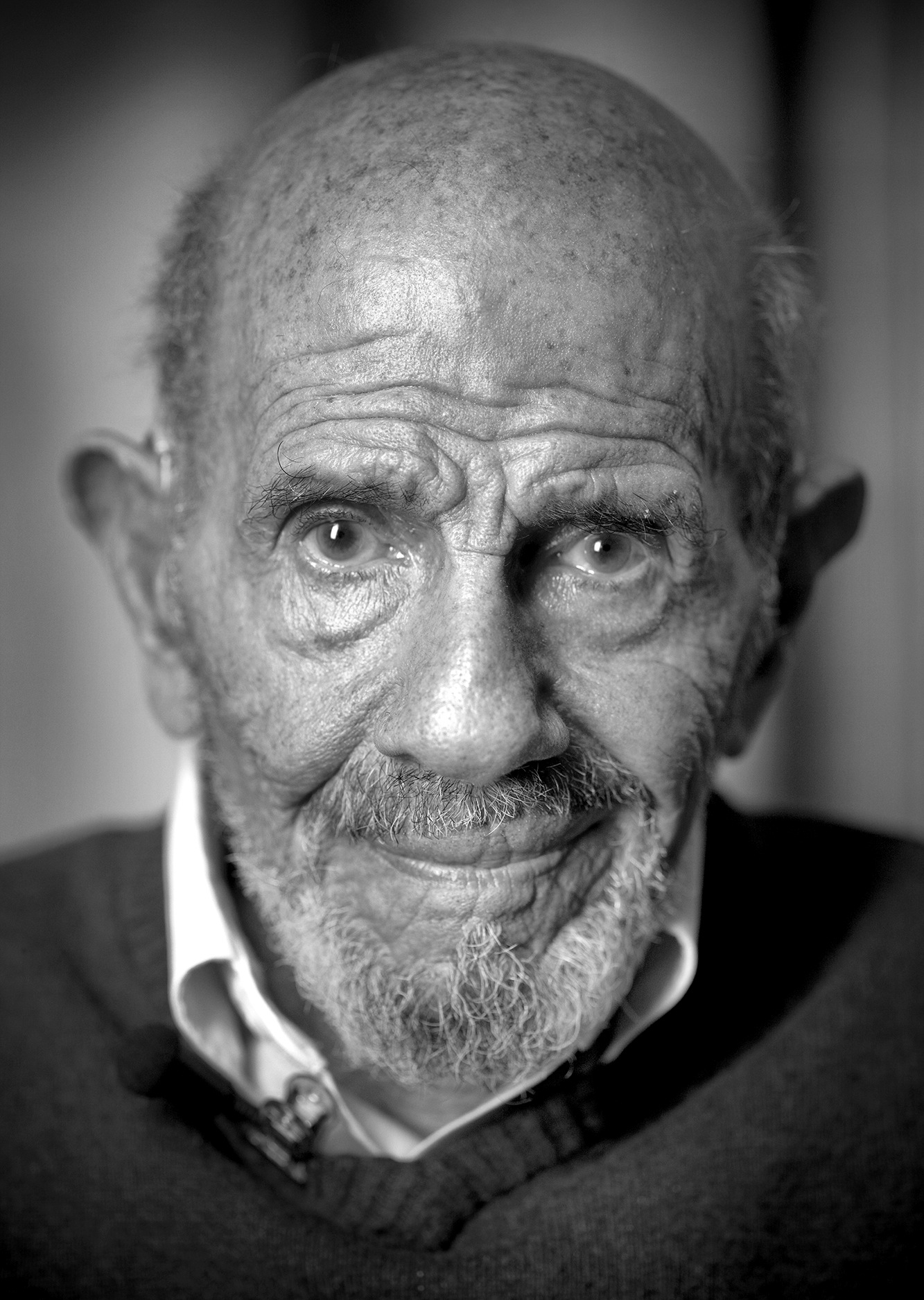
“Another factor encouraging my positive attitude about
problem solving was World War II when the U.S. spent billions of dollars
for weapons of mass destruction in the Manhattan Project. Cost was no
object and it was one of the largest and best-financed projects
undertaken to that date. I realized the same energies that went into the
Manhattan Project could be channeled to improve and update our way of
life, and to achieve and maintain the optimal symbiotic relationship
between nature and humankind. If we are willing to spend that amount of
money, resources, and human lives in times of war, we must ask why we
don’t commit equal resources to improving the lives of everyone and
anticipating humane needs for the future in times of peace.
When
scientists were called upon to solve problems of a military nature, the
answers were immediately forthcoming. This demonstrated to me the
ability of science and technology to solve problems when properly
organized and funded, but it is shameful that these methods are not
applied to solving social problems on a global scale. In my work I am
not attempting to predict the future. I am only pointing out what is
possible with the intelligent application and humane use of science and
technology. This does not call for scientists to manage society. What I
suggest is applying the methods of science to the social system for the
benefit of human kind and the environment.”
RIP Jacque Fresco
(March 13, 1916 – May 18, 2017)
155486883912
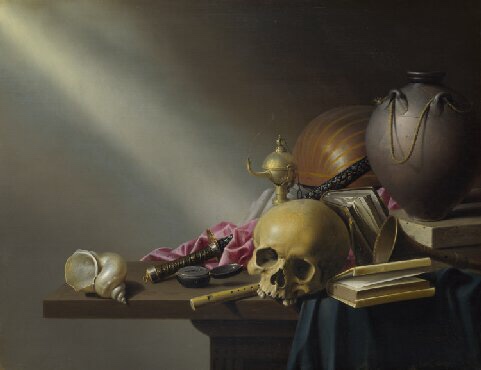
Still Life: An Allegory of the Vanities of Human Life (about 1640) by Harmen Steenwyck
155239324342
The sun and moon had always shone; the rivers had always flowed and
the bees had hummed, but in previous times all this had been nothing to
Siddhartha but a fleeting and illusive veil before his eyes, regarded
with distrust, condemned to be disregarded and ostracized from the
thoughts, because it was not reality, because reality lay on the other
side of the visible. But now his thoughts lingered on this side; he saw
and recognized the visible and he sought his place in this world. He did
not seek reality; his goal was not on any other side. The world was
beautiful when looked at in this way—without any seeking, so simple, so
childlike. The moon and the stars were beautiful, the brook, the shore,
the forest and the rock, the goat and the golden beetle, the flower and
the butterfly were beautiful. It was beautiful and pleasant to go
through the world like that, so childlike, so awakened, so concerned
with the immediate, without any distrust. …
All this had always been and he had never seen it; he was never
present. Now he was present and belonged to it. Through his eyes he saw
light and shadows; through his mind he was aware of moon and stars.
—Siddhartha (novel) pp. 45-46 by Hermann Hesse
155238695617