Buddhism
125509773867
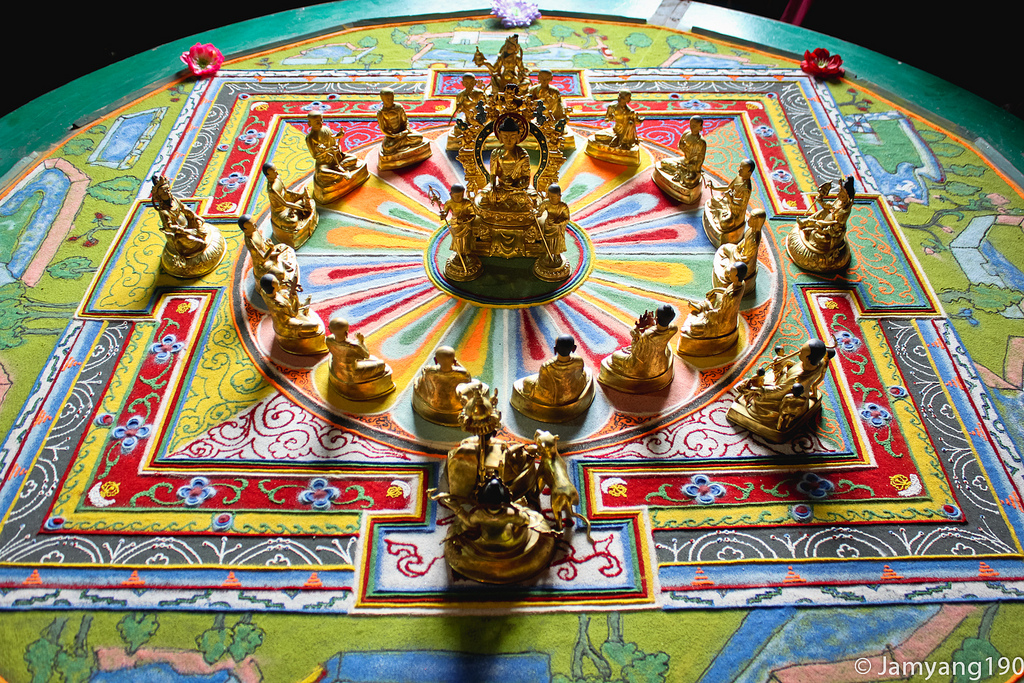
วันเข้าพรรษา (Vassa or Buddhist Lent)
Following
the full moon day in July is the beginning of Buddhist lent, which the
Buddha assigned to all of his disciples. It is said that Buddhist monks
traveled in every season, especially in the rainy season, when sometimes
they accidentally stepped on young plants and insects. People
complained about this matter and so the Buddha called the monks to a
gathering and said, “Behold monks, I grant you all to stay in the
monastery in the rainy season.”
The commentary says that there are two forms of the
Buddhist lent; 1. The first one is directly after the full moon day of
July. 2. The second one is after the new moon day or a month after the
original day.
The regulation is that all monks have to stay in the temple for three
months, they are not supposed to over night anywhere during this time.
If, for some unavoidable reason they have to travel, they must catch
dawn in the temple. In the case of extreme emergencies or absolutely
necessary journeys, they may be away for seven days, before their
return.
There is an ancient tradition that the monks repeat three times
saying “I stay in this monastery for three months” this is the Buddhist
lent as proclaimed by the Buddha.
Photo:
125084538107
In Between
by Ajahn Brahm
124479739127
Dhammapada Verse One: Mind Precedes All Things
123269790052
Get Real by Ajahn Brahm
122729751577
Dhammapada Verses 54 & 55: Against The Wind by Yuttadhammo Bhikkhu
121496458522
The Meaning of Life – Peace of Mind – Ajahn Brahm
120955141168
Present moment – retreat talk Ajahn Brahm
119243349997
What is the meaning of the lotus flower in Buddhism?
The lotus is one of the most well-known symbols of Buddhism. The
lotus flower is one of the “Eight Auspicious Symbols” in the religion,
and is one of the most important images in the faith. The roots of a
lotus flower extend into the mud and the stem grows up through the water
and the flower blossoms above the surface.
In Buddhist thought, this pattern of growth signifies the progress
of the soul from the primeval mud of materialism, through the waters of
experience, and into the bright sunshine of enlightenment. Though there
are other water plants that bloom above the water, it is only the lotus
which, owing to the strength of its stem, regularly rises eight to
twelve inches above the surface.
According to the Buddhist scholar Lalitavistara,
“The spirit of the best of men is spotless, like the lotus in the muddy water which does not adhere to it.”
According to another scholar,
“In
esoteric Buddhism, the heart of the beings is like an unopened lotus:
when the virtues of the Buddha develop therein, the lotus blossoms; that
is why the Buddha sits on a lotus bloom.”
119237622042
Ask A Monk: Criticism and Insults