chatgpt
796335917731364864
VPN app
794122669956186112
If you ask me, saying art doesn’t need to be explained feels kind of like an old-time way of looking at things.
792146227835863040
Object-Oriented Ontology
Object-Oriented Ontology (OOO) isn’t an art movement originally, but a philosophical framework that’s had influence in contemporary art and theory.
Here’s the gist:
- What it is: OOO is a branch of speculative realism, developed mainly by Graham Harman, Levi Bryant, and Ian Bogost in the early 2000s.
- Core idea: Objects exist independently of human perception. A chair, a rock, a virus, or even a fictional character has its own reality that isn’t reducible to how humans experience or use it.
- Why it matters for art: Traditional Western art has long been human-centered — even abstract or minimalist works are often framed around human meaning or perception. OOO pushes back against this “anthropocentrism.”
- In art practice: Artists influenced by OOO often explore the agency of objects themselves, how materials interact with each other, or how nonhuman entities (machines, ecosystems, algorithms) shape reality. This can look “anti-human figure” because the focus shifts from people to things.
Examples in art influenced by OOO:
- Installations where objects “confront” viewers as independent beings.
- Works that emphasize materiality — like how steel, plastic, or digital code behaves on its own.
- Ecological and post-humanist art that treats humans as just one actor among many.
So in a sense, OOO isn’t anti-human like Suprematism or Constructivism were, but it de-centers humans — making the human figure no longer the default subject of art.
By ChatGPT
791488692732772352
If you ask me, saying art doesn’t need to be explained feels kind of like an old-time way of looking at things.
791169701662408704
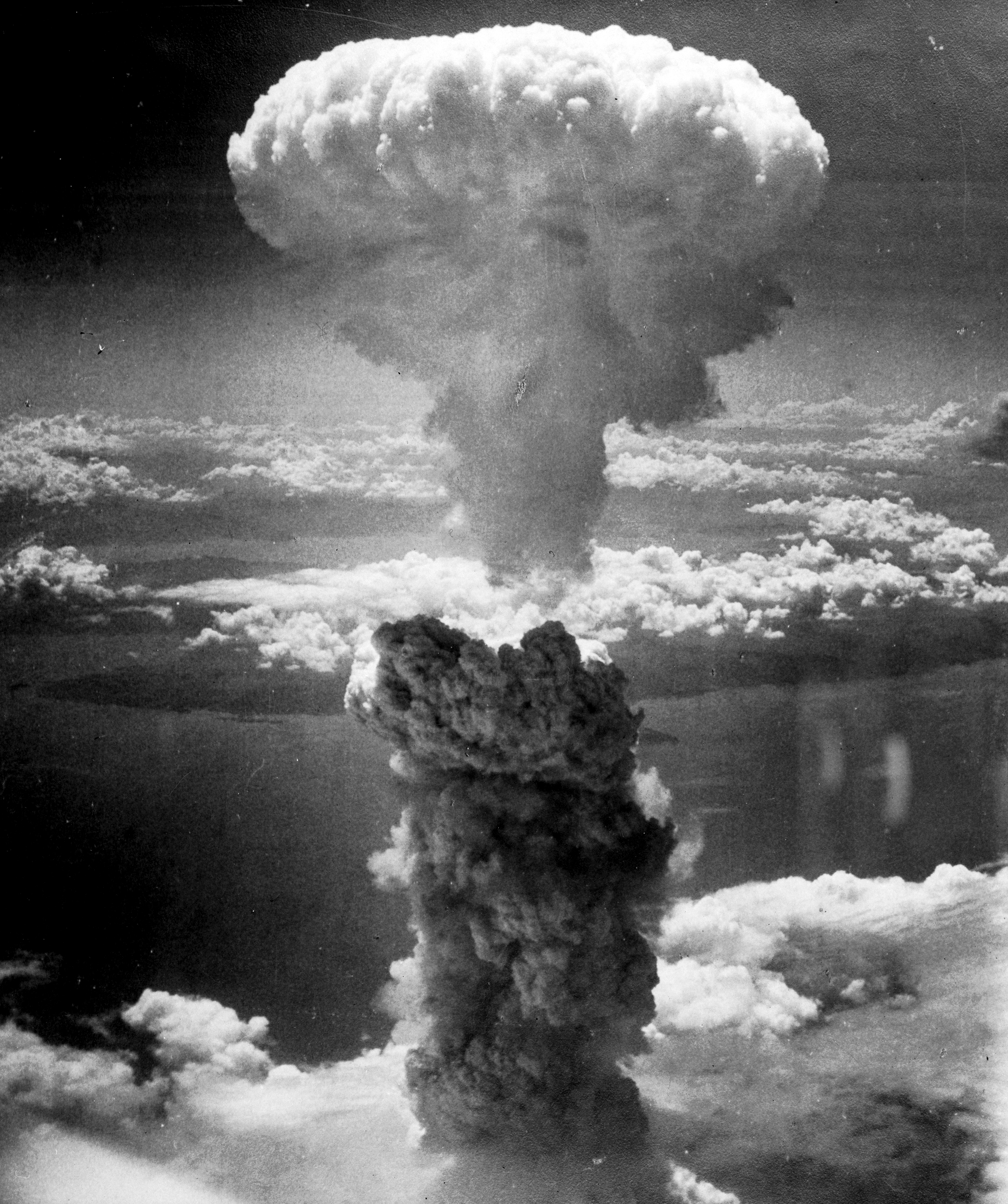
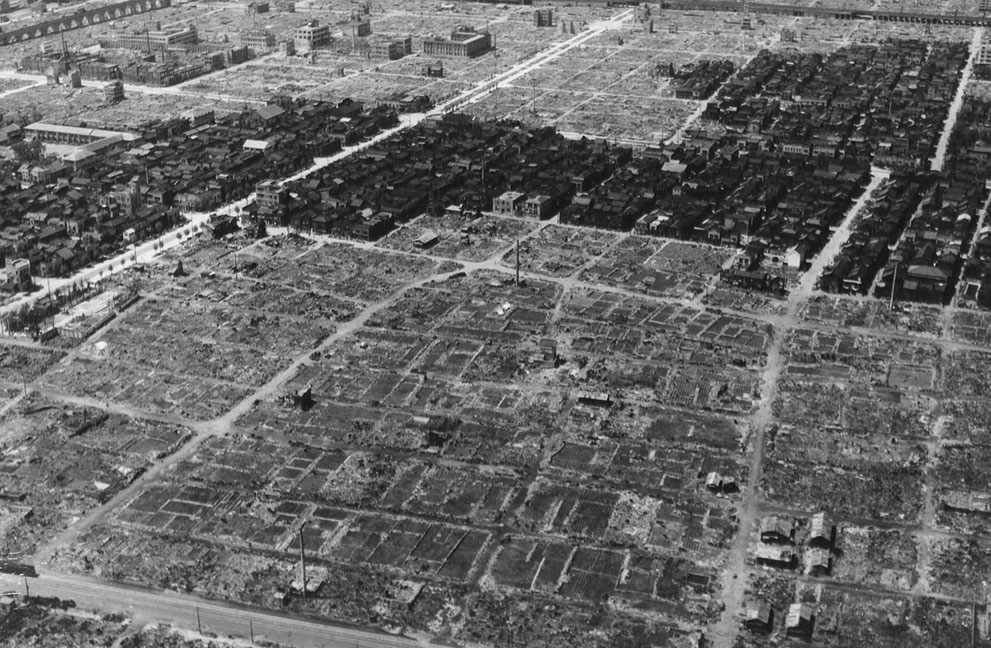

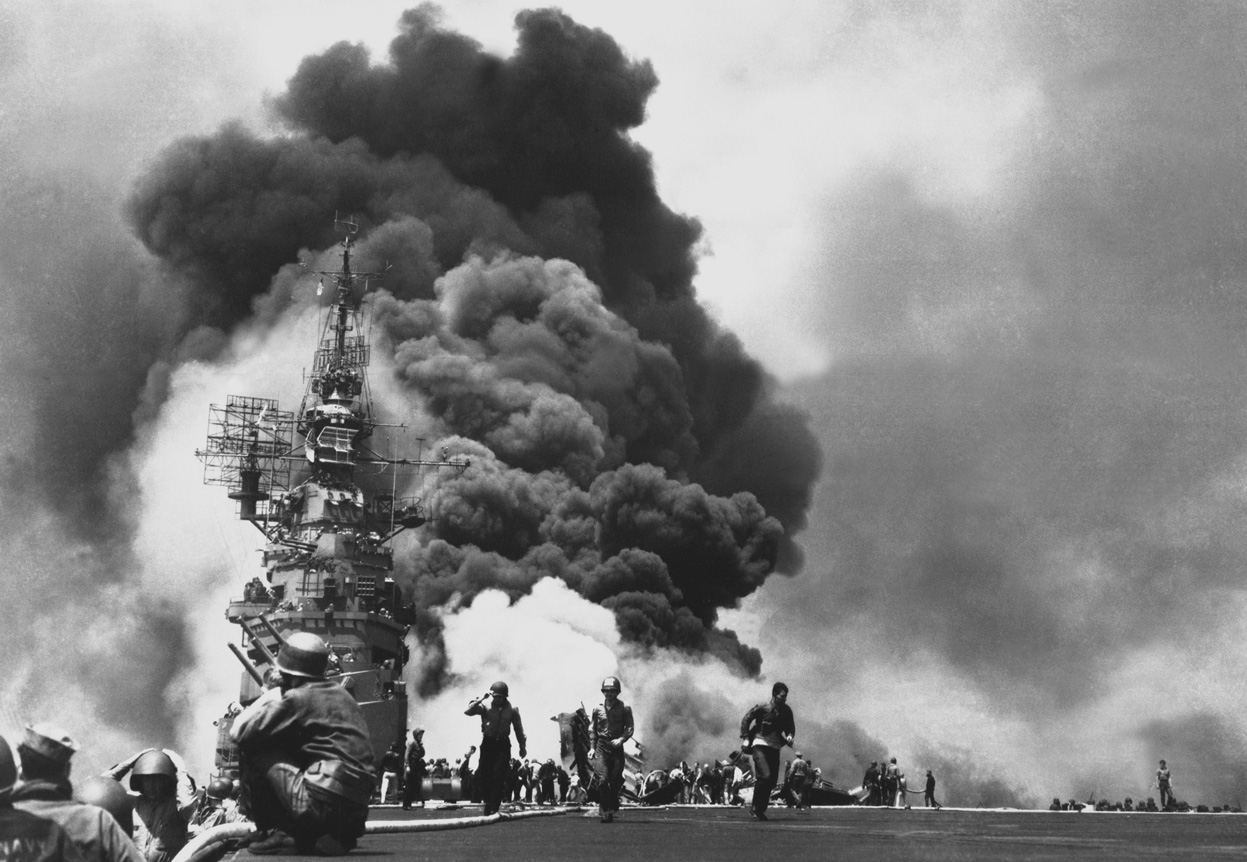
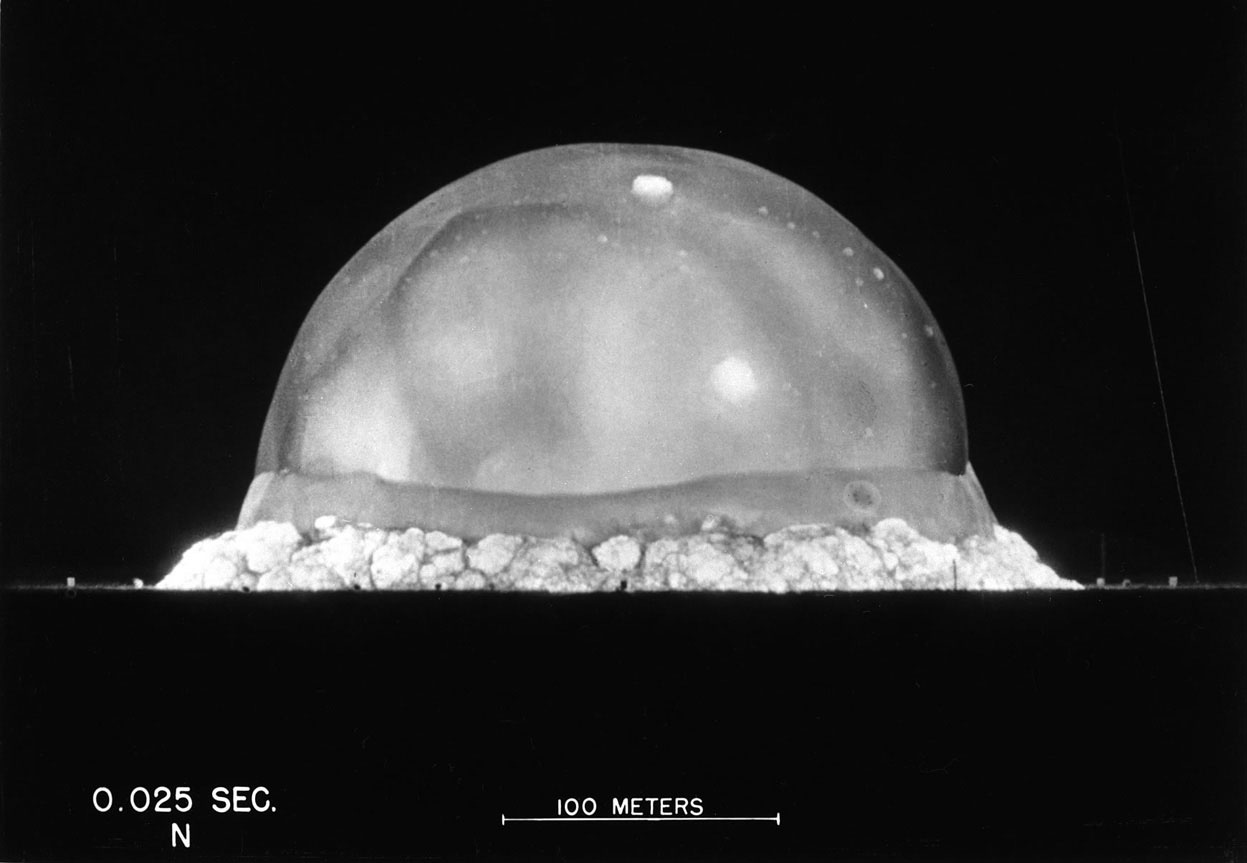
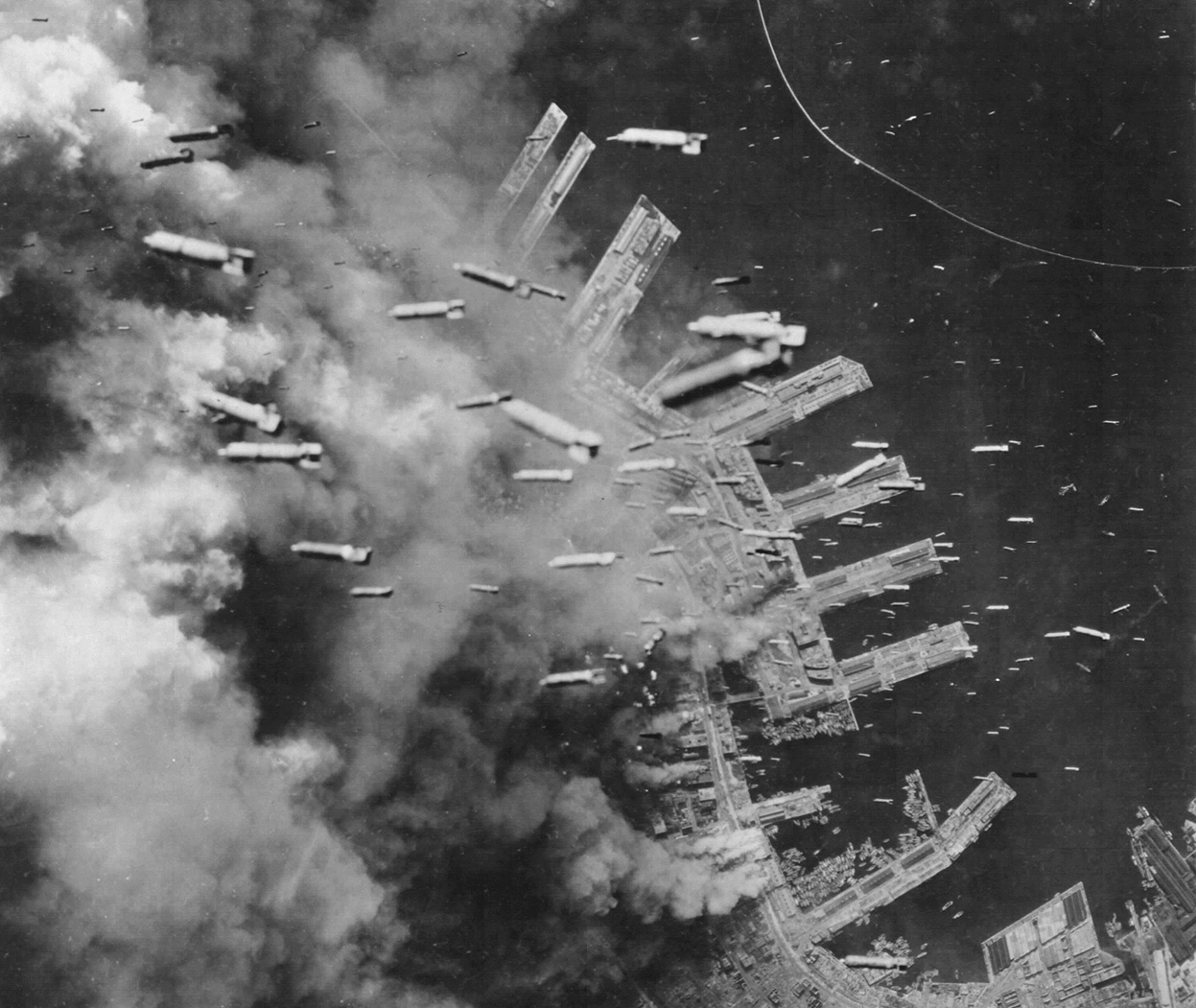
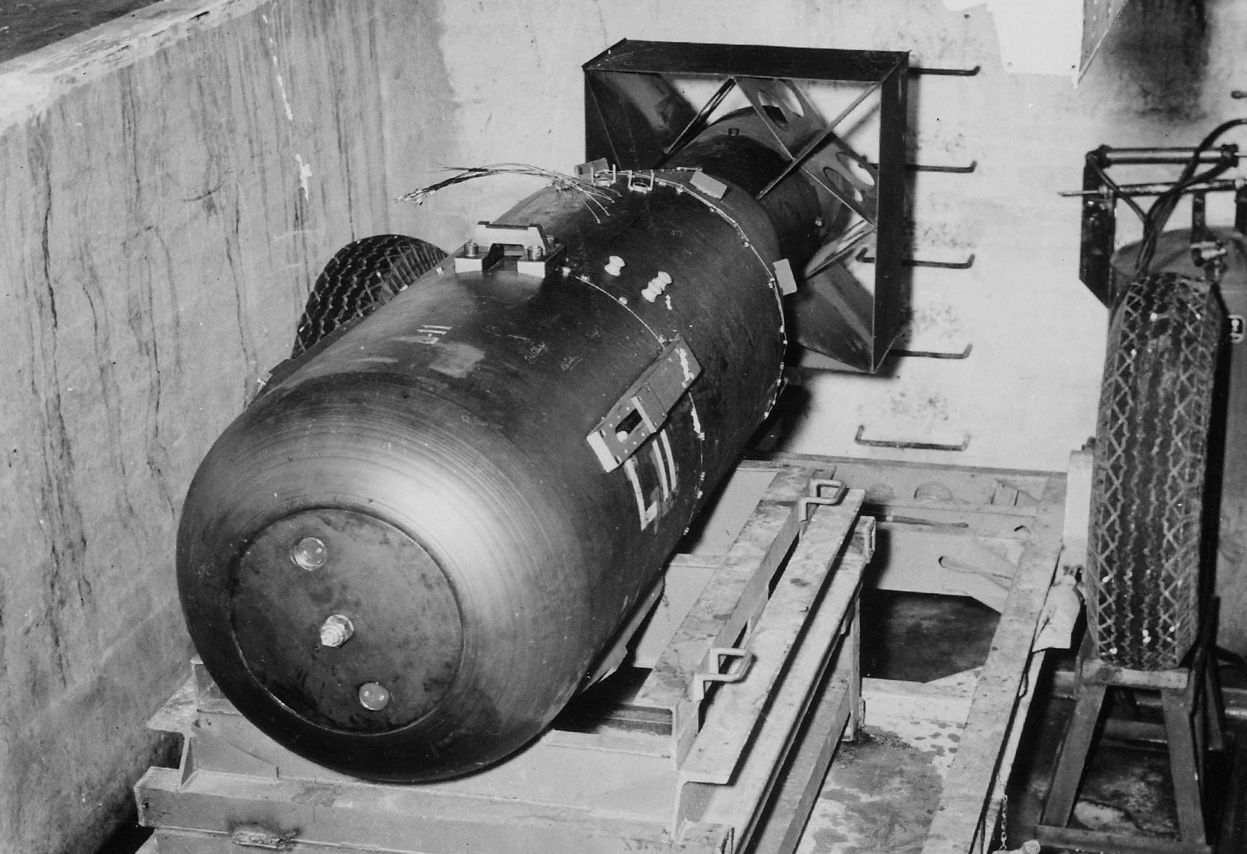
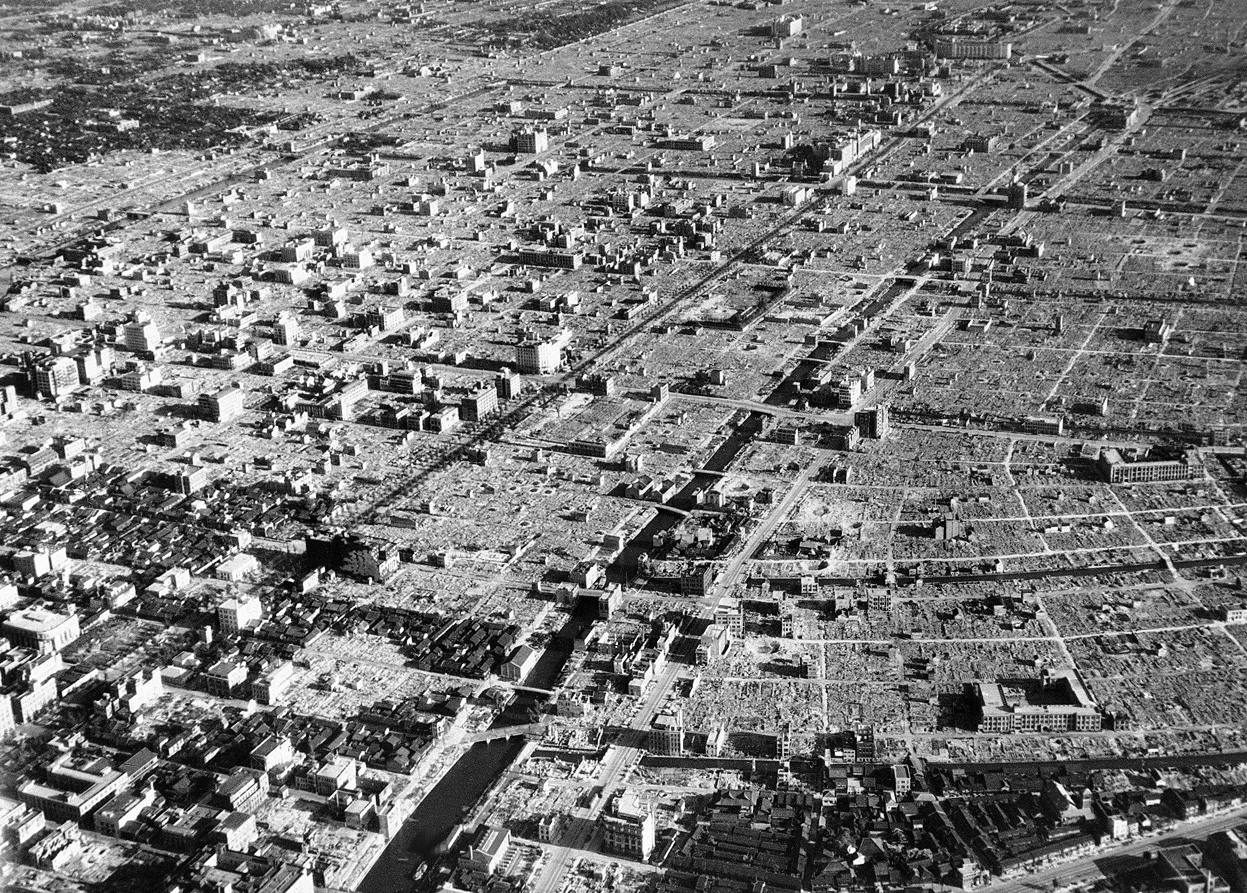
Atomic bombings of Hiroshima and Nagasaki
The United States gave Japan a warning and a deadline to surrender before the atomic bombings of Hiroshima and Nagasaki, though not with an explicit mention of the atomic bomb itself.
Key Warning: The Potsdam Declaration (July 26, 1945)
- The Potsdam Declaration was issued by the United States, the United Kingdom, and China.
- It called for Japan’s unconditional surrender, warning of “prompt and utter destruction” if they refused.
- It did not mention the atomic bomb specifically, as the weapon had not yet been used publicly and was still secret.
- Japan was given an ultimatum, though no exact deadline date was specified.
- Japan’s government rejected the ultimatum (or more accurately, chose to ignore it, which was interpreted as rejection by the Allies).
What happened next:
- On August 6, 1945, the U.S. dropped the first atomic bomb on Hiroshima.
- On August 8, the Soviet Union declared war on Japan.
- On August 9, the second atomic bomb was dropped on Nagasaki.
- Japan announced its intention to surrender on August 15, 1945, leading to the formal surrender on September 2, 1945.
Summary:
The U.S. did issue a surrender ultimatum (Potsdam Declaration) before the bombings, but did not reveal that an atomic bomb would be used. The warning was serious but vague about the nature of the coming destruction.
790779595628724224
Fine vs Decorative Art
If a painting is created mainly to match a luxurious interior rather than to express something deeply personal or challenge ideas, then it leans more toward decorative art, even if it’s technically a painting. It becomes part of the decor rather than a standalone statement.
That raises an interesting question—does the intent of the artist or the way the artwork is used define whether it’s fine art or decorative art? If someone paints with raw emotion and meaning but it ends up as a luxury wall piece, does that change what it is?
Especially with modern abstract painting—it’s everywhere in high-end homes, hotels, and corporate spaces. A lot of it seems designed to be aesthetically pleasing but not too thought-provoking, so it blends into the environment rather than demanding attention. It feels like abstraction has been commercialized into a luxury good rather than a form of deep expression, at least in many cases.
Of course, that doesn’t mean all abstract art today is purely decorative. There are still artists pushing boundaries and using abstraction in meaningful ways. But a lot of what sells seems to be more about fitting a vibe than saying something.
By ChatGPT
789319285509111808
AI Water Usage Comparison
ChatGPT’s data centers—like those for most large AI systems—consume water primarily for cooling, which is a common practice in many industries that operate heat-generating equipment. Here’s a comparison of ChatGPT (AI/data centers) water use with other industrial sectors:
📊 Water Use Comparison Table
1. AI/Data Centers (e.g. ChatGPT)
• Typical Use: Cooling servers in data centers
• Water Usage: ~500 ml to 4 liters per 10–20 prompts
• Purpose: Cooling via evaporative systems
2. Power Plants
• Typical Use: Steam generation, cooling (especially nuclear & coal)
• Water Usage: 20,000–60,000 liters per MWh
• Purpose: Steam turbines and heat management
3. Agriculture
• Typical Use: Irrigation for crops, livestock
• Water Usage: ~1,500 liters per kg of wheat, 15,000 liters per kg of beef
• Purpose: Growing food
4. Textile Industry
• Typical Use: Dyeing, washing fabrics
• Water Usage: ~200 liters per T-shirt, 2,700 liters per cotton shirt
• Purpose: Dyeing and rinsing
5. Semiconductor Manufacturing
• Typical Use: Washing wafers, ultra-pure water processes
• Water Usage: ~7,500–30,000 liters per wafer (depending on chip size)
• Purpose: Cleaning and chip etching
6. Steel Production
• Typical Use: Cooling, descaling, processing
• Water Usage: ~100–150 liters per kg of steel
• Purpose: Cooling and material processing
🌍 Context for AI & ChatGPT Water Use
- OpenAI reported that ChatGPT usage can indirectly lead to water consumption through data center cooling, especially in places where water-cooled systems are used (like Microsoft’s data centers).
- A 2023 paper estimated OpenAI’s GPT models consumed ~500 ml of water per 5–10 prompts, when averaged globally.
💡 Why Does AI Use Water?
- Most data centers use evaporative cooling systems or chillers to dissipate heat from servers.
- In hot/dry regions, water-cooled systems are more efficient than air cooling, but they consume more water.
🧠 Summary
Efficiency per Impact AI is less water-intensive per unit of energy than agriculture or steel but still contributes noticeably as demand scales. The concern isn’t just total water used, but where it’s used. AI data centers in drought-prone areas may stress local water supplies.
By ChatGPT
789169610560798720
AI Isn’t Taking Your Job – It’s Taking Everyone’s
“Going forward, as the rug of new tool after tool is pulled out from under us, and the flow of profound new capabilities continues to pick up speed, it will reach a point where humans have no choice but to surrender. Where our ability to uniquely track, learn and use any given tool better than anyone else will be irrelevant, as new tools with new capabilities will shortly solve for and reproduce the effect of whatever it was you thought you brought to the equation in the first place. That’s in the design plan. It will learn and replace the unique value of your contribution and make that available to everyone else.”
789089116547678208
Importance of Narrative in Art
Art and narrative are closely connected because storytelling is a powerful way to convey meaning, emotion, and context. Here are a few reasons why art often needs a narrative:
1. Contextual Understanding: A narrative provides context that helps viewers understand the deeper meaning or message of the artwork. Without a story, the interpretation of art can be vague or ambiguous.
2. Emotional Engagement: Stories evoke emotions, and when art is tied to a narrative, it can resonate more deeply with the audience, making the experience more impactful.
3. Connection with the Audience: A narrative allows viewers to relate the artwork to their own experiences, thoughts, or feelings, creating a personal connection between the art and the audience.
4. Cultural and Historical Significance: Art often reflects the time, place, and culture in which it was created. A narrative can highlight these aspects, making the artwork more meaningful in a broader context.
5. Guiding Interpretation: While art can be open to interpretation, a narrative can guide viewers toward a particular understanding or theme, helping to convey the artist’s intended message more clearly.
6. Creating a Legacy: Narratives can preserve the stories behind art, ensuring that future generations understand and appreciate the significance of the work.
By ChatGPT
788840805391564800
Homophobia refers to prejudice, fear, or dislike toward people who identify as or are perceived to be lesbian, gay, or bisexual. This bias can manifest in negative attitudes, discriminatory behavior, or harmful actions against individuals based on their sexual orientation. It can arise from cultural, social, or personal beliefs and may lead to exclusion, harassment, or violence directed at LGBTQ+ individuals.
788164340550369280
Why Zen practice doesn’t focus on death
In Zen practice, death is not considered important in the conventional sense because Zen emphasizes direct experience of reality beyond concepts, including life and death. Zen points to the present moment as the only true reality, rather than being attached to the past or future, including concerns about death.
Here are a few key reasons why death is not a central concern in Zen:
- No Fixed Self – Zen teaches that the self is not a fixed, separate entity but a fluid, interconnected part of existence. If there is no solid “self,” then who is there to die?
- Life and Death Are One – Rather than seeing life and death as opposing forces, Zen regards them as two aspects of the same reality. Dogen Zenji, the founder of Soto Zen, wrote about shoji (life-death) as a seamless flow rather than two separate states.
- Impermanence Is Fundamental – Everything is constantly changing, and clinging to permanence creates suffering. By fully accepting impermanence, fear of death loses its grip.
- Living Fully in the Present – Zen emphasizes complete presence in each moment. Since death is not happening now, focusing on it distracts from experiencing life completely.
- Direct Experience Over Concepts – Zen discourages excessive thinking about abstract concepts like death and instead encourages direct experience of reality as it is.
This doesn’t mean Zen ignores death—it acknowledges it as a natural part of existence. However, instead of fixating on it, Zen practice encourages embracing life fully, letting go of fear, and experiencing each moment completely.
By ChatGPT
787624291439198208
Yes, Pornhub is officially blocked in Thailand since November 2020.
— ChatGPT
787581966072643584
ChatGPT’s Impact On Our Brains According to an MIT Study
“The group that wrote essays using ChatGPT all delivered extremely similar essays that lacked original thought, relying on the same expressions and ideas. Two English teachers who assessed the essays called them largely ‘soulless.’ The EEGs revealed low executive control and attentional engagement. And by their third essay, many of the writers simply gave the prompt to ChatGPT and had it do almost all of the work. ‘It was more like, just give me the essay, refine this sentence, edit it, and I’m done,’ Kosmyna says.”
_
ChatGPT’s Opinion
Both the Time article and the Gizmodo piece raise valid and important concerns, but they also reflect a broader cultural anxiety about AI — what some might call a “techlash.” Here’s a balanced take on both:
🔍 What they get right:
- Critical thinking can erode with passive use
Both articles underscore a key truth: if you let AI do all the work, your brain gets lazy. This isn’t just speculation — it’s backed by cognitive science. Active learning is crucial for retention, deep thinking, and creativity. These studies highlight real risks, especially for students and developing minds. - The analogy to calculators and Google Maps is helpful
Just like calculators didn’t kill math (but overusing them for basic operations can harm number sense), AI isn’t inherently harmful — but it can displace the mental effort that’s necessary for learning. - Originality and creativity suffer
The studies found that ChatGPT-generated essays tended to be “soulless” and formulaic. That’s a real limitation of LLMs — they’re good at mimicking patterns, but not at truly original thought. Relying on them too heavily can flatten thinking. - There’s urgency around education policy
The MIT researcher’s concern about “GPT kindergarten” is not far-fetched. Schools and policymakers are already integrating AI tools into classrooms. These decisions need to be informed by solid research and precaution, especially when developing brains are involved.
🤔 What needs caution or nuance:
- Small sample sizes, pre-review papers
Especially in the MIT study, 54 participants is very limited. While EEG data is useful, it doesn’t capture the full picture of intelligence or learning. More peer-reviewed, large-scale studies are needed before drawing sweeping conclusions. - “AI makes you stupid” is too broad
The Gizmodo headline (“AI will make us morons”) is sensational. The reality is more nuanced: AI can dull your mind — but only if you use it passively or uncritically. It’s a tool. It can also enhance your thinking, if used wisely. - Not everyone uses AI the same way
Some people use ChatGPT as a brainstorming partner, a writing coach, or a way to better understand complex topics — all of which can be mentally engaging. Others use it to skip the thinking part. The outcome depends on the user’s intent and behavior. - Moral panic vs. thoughtful caution
There’s a fine line between raising the alarm and stoking fear. It’s important to investigate AI’s effects, but not assume that all AI use leads to “cognitive decline.”
🧠 Final thought:
These articles provide a valuable warning: don’t outsource your thinking. AI is powerful, but it’s only as good as the way you use it. If you’re aware of its limitations and make an effort to stay mentally active, AI can be a great tool — not a trap.