Conceptual art
159332119962
156106400692
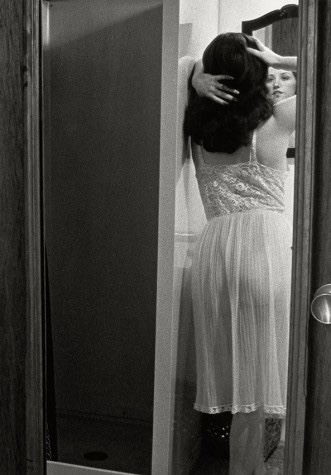
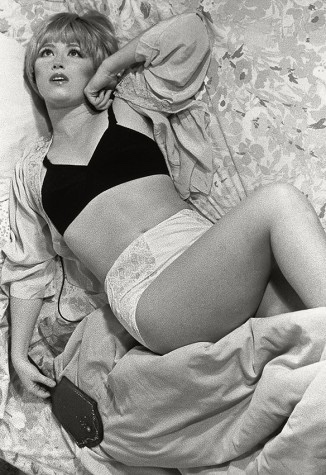
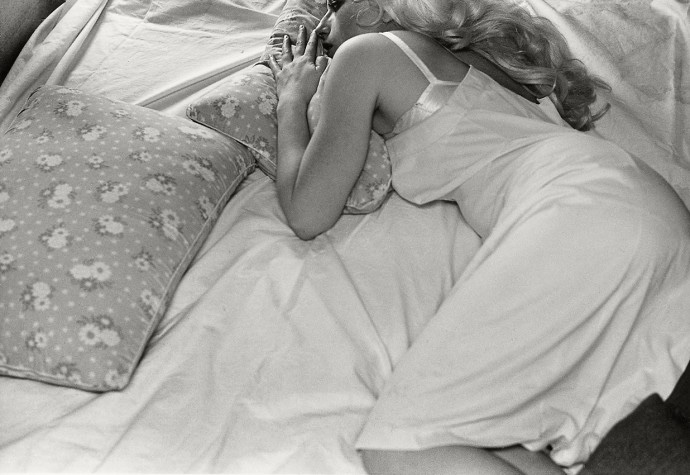
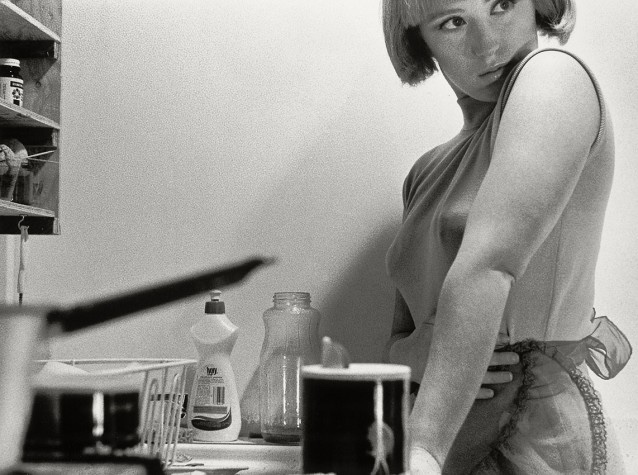
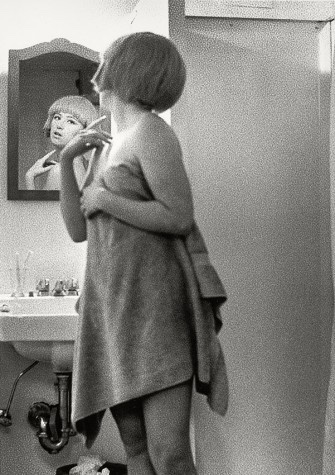
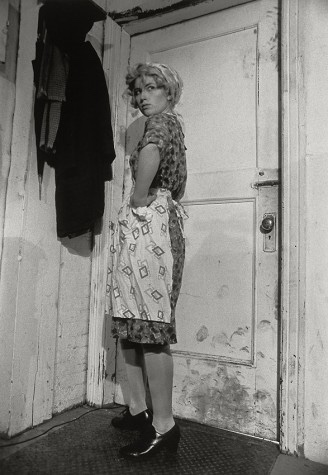
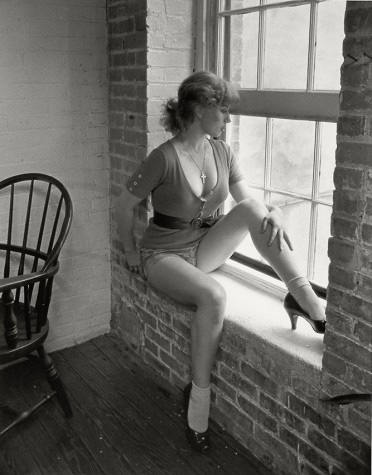
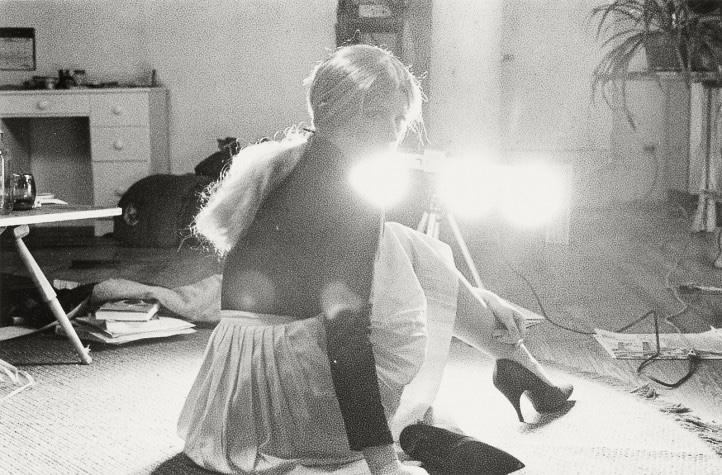
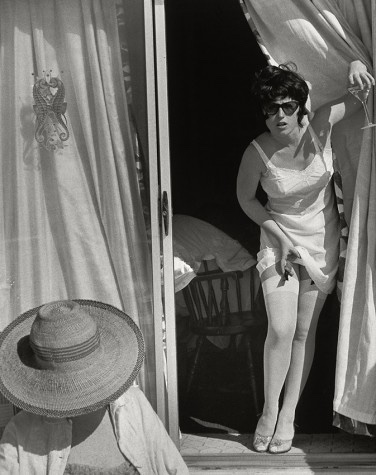
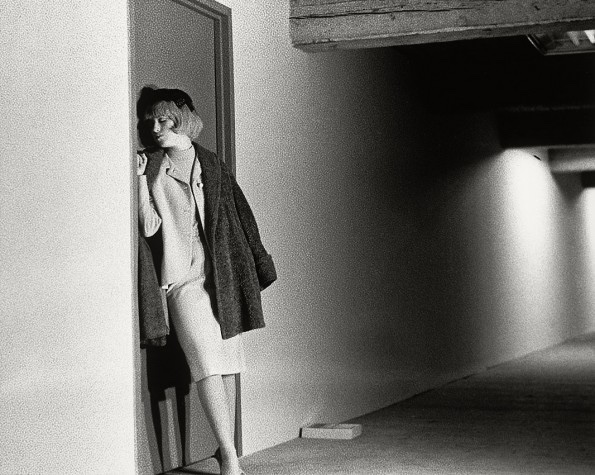
In fall 1977, Sherman began making pictures that would eventually become her groundbreaking “Untitled Film Stills.” Over three years, the series grew to comprise a total of seventy black-and-white photographs. Taken as a whole, the “Untitled Film Stills”—resembling publicity pictures made on movie sets—read like an encyclopedic roster of stereotypical female roles inspired by 1950s and 1960s Hollywood, film noir, B movies, and European art-house films. But while the characters and scenarios may seem familiar, Sherman’s “Stills” are entirely fictitious; they represent clichés (career girl, bombshell, girl on the run, vamp, housewife, and so on) that are deeply embedded in the cultural imagination. While the pictures can be appreciated individually, much of their significance comes in the endless variation of identities from one photograph to the next. As a group they explore the complexity of representation in a world saturated with images, and refer to the cultural filter of images (moving and still) through which we see the world.
Untitled Film Stills, 1977 by Cindy Sherman
153961648581
Art & Language – Conceptual Art, Mirrors and Selfies | TateShots
151825939952
Who’s Afraid of Conceptual Art? BBC Documentary 2016
151485015181

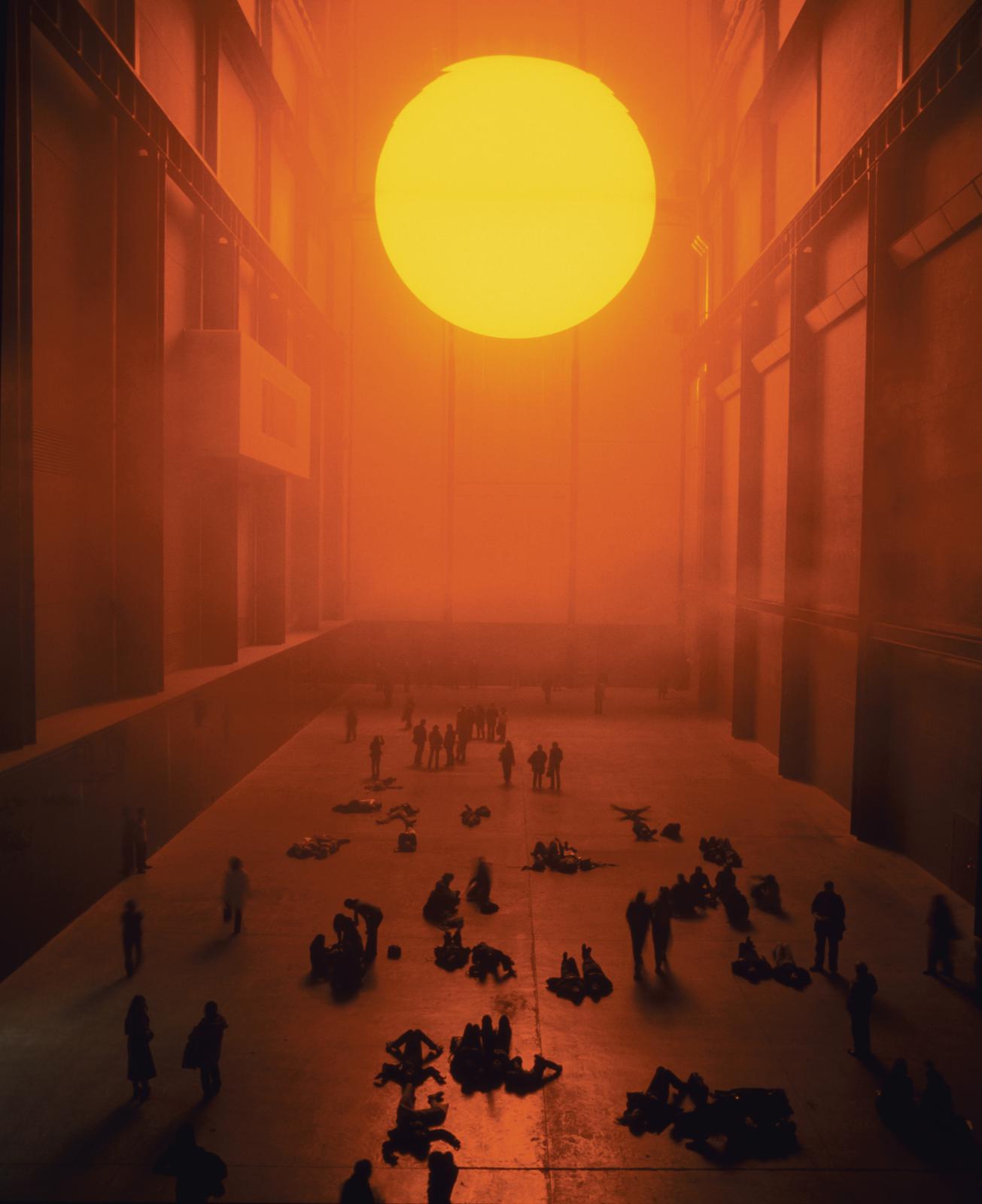
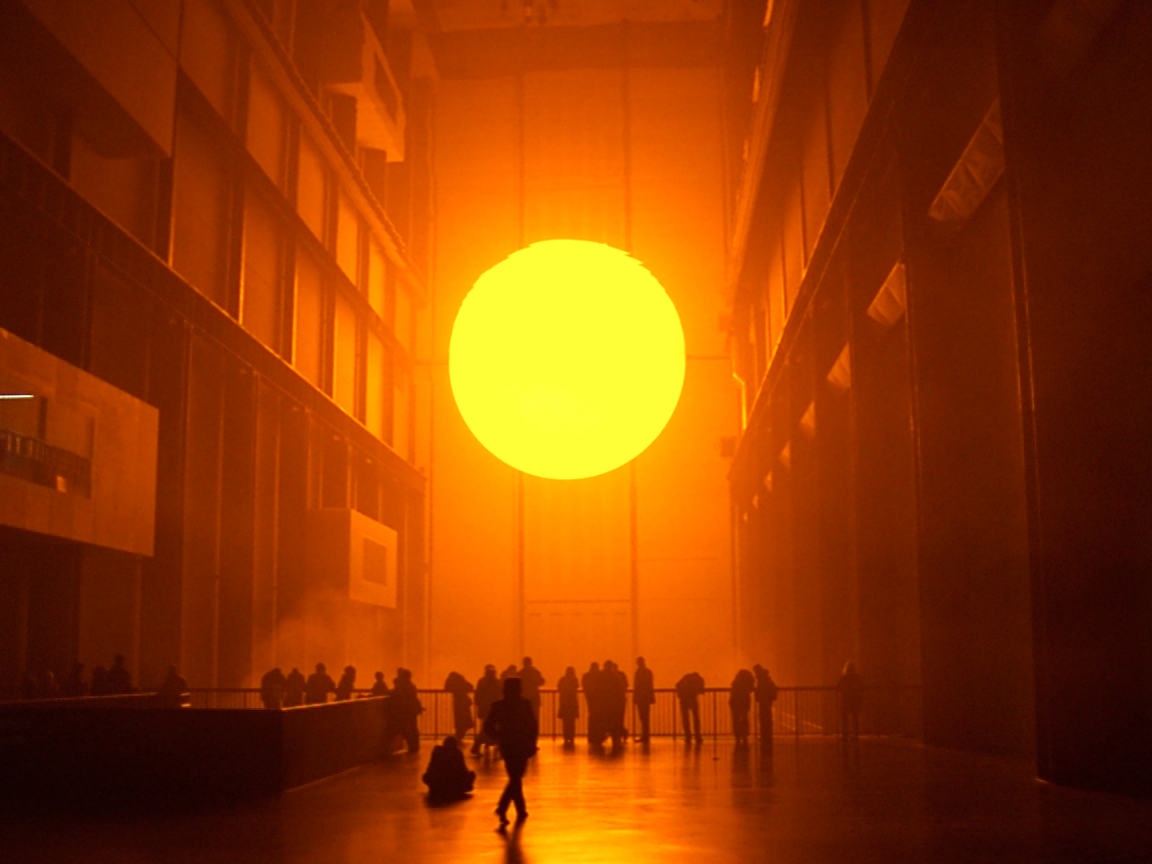


The Weather Project, 2003 by Olafur Eliasson
151232971217
Aesthetics Philosophy of the Arts
151214527152
TateShots: Yves Klein – Anthropometrie
151140059582
Tehching Hsieh: One Year Performance 1980-1981
151052631327
Conceptual Art
150602069102
ITV The South Bank Show: Gerhard Richter (2006)
150351331127
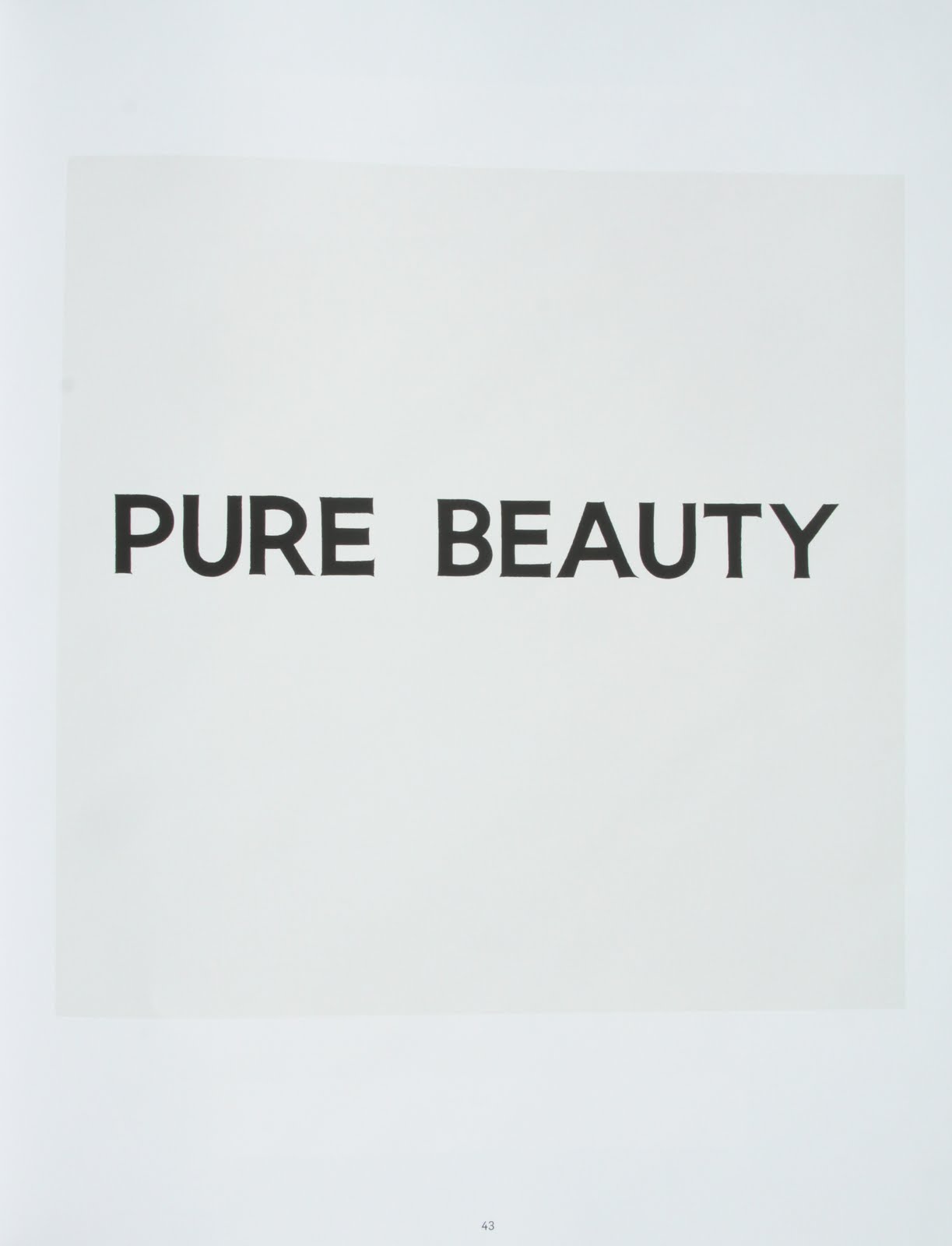
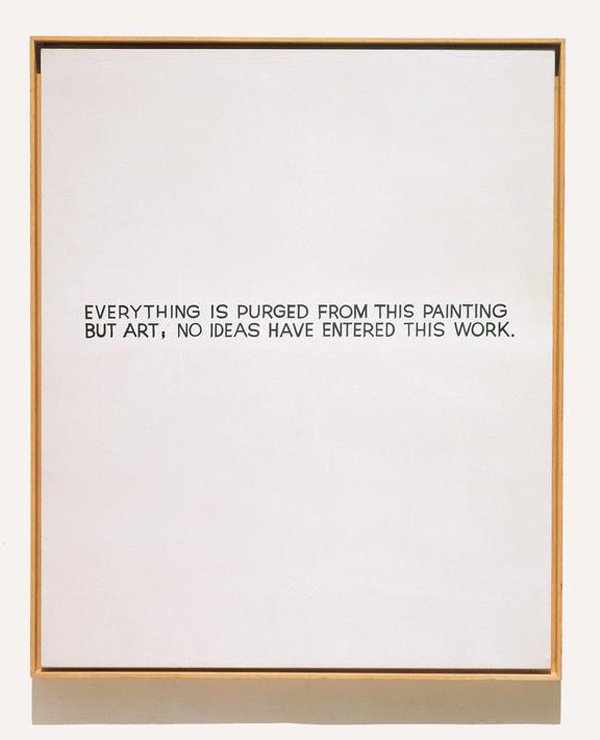
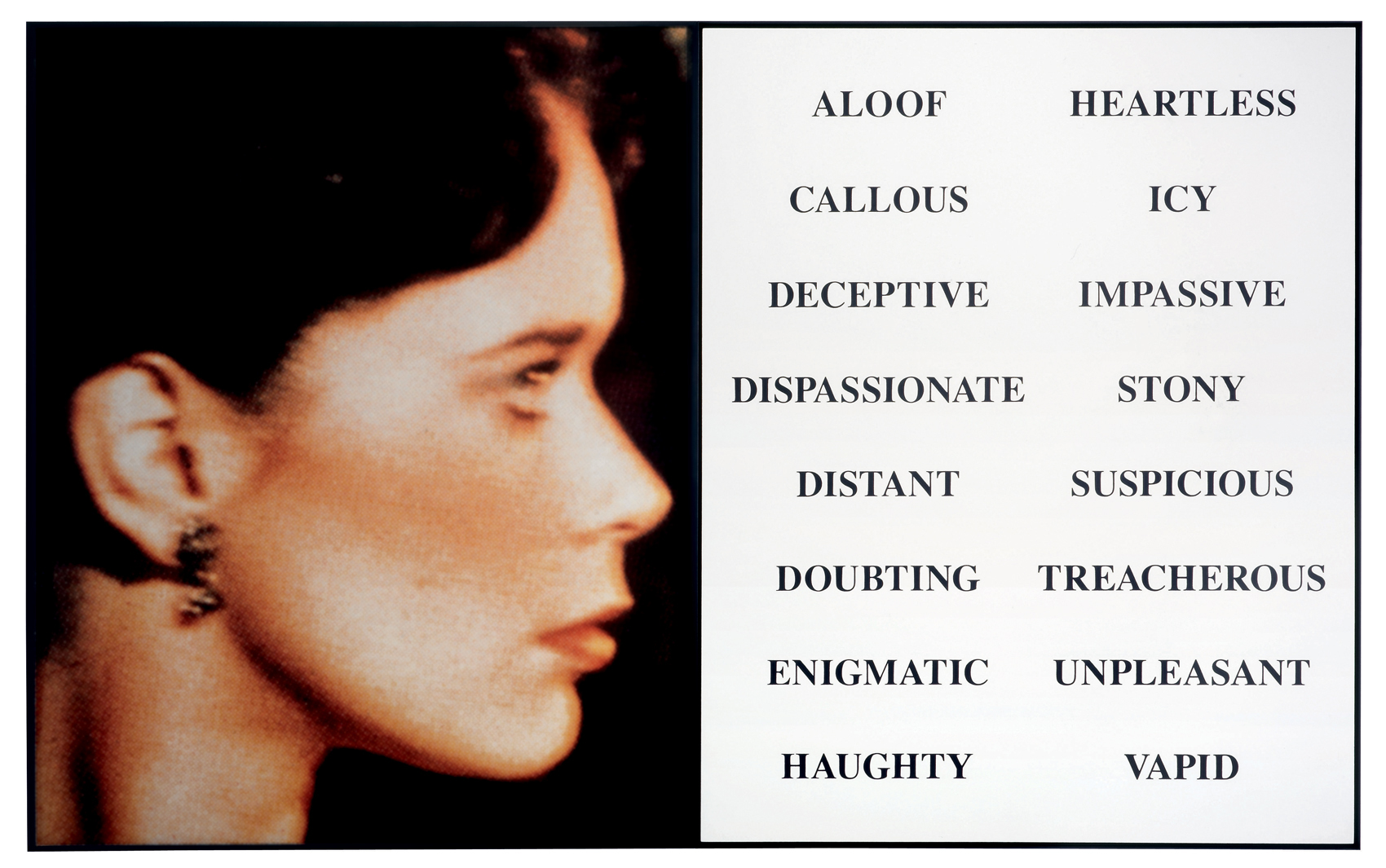
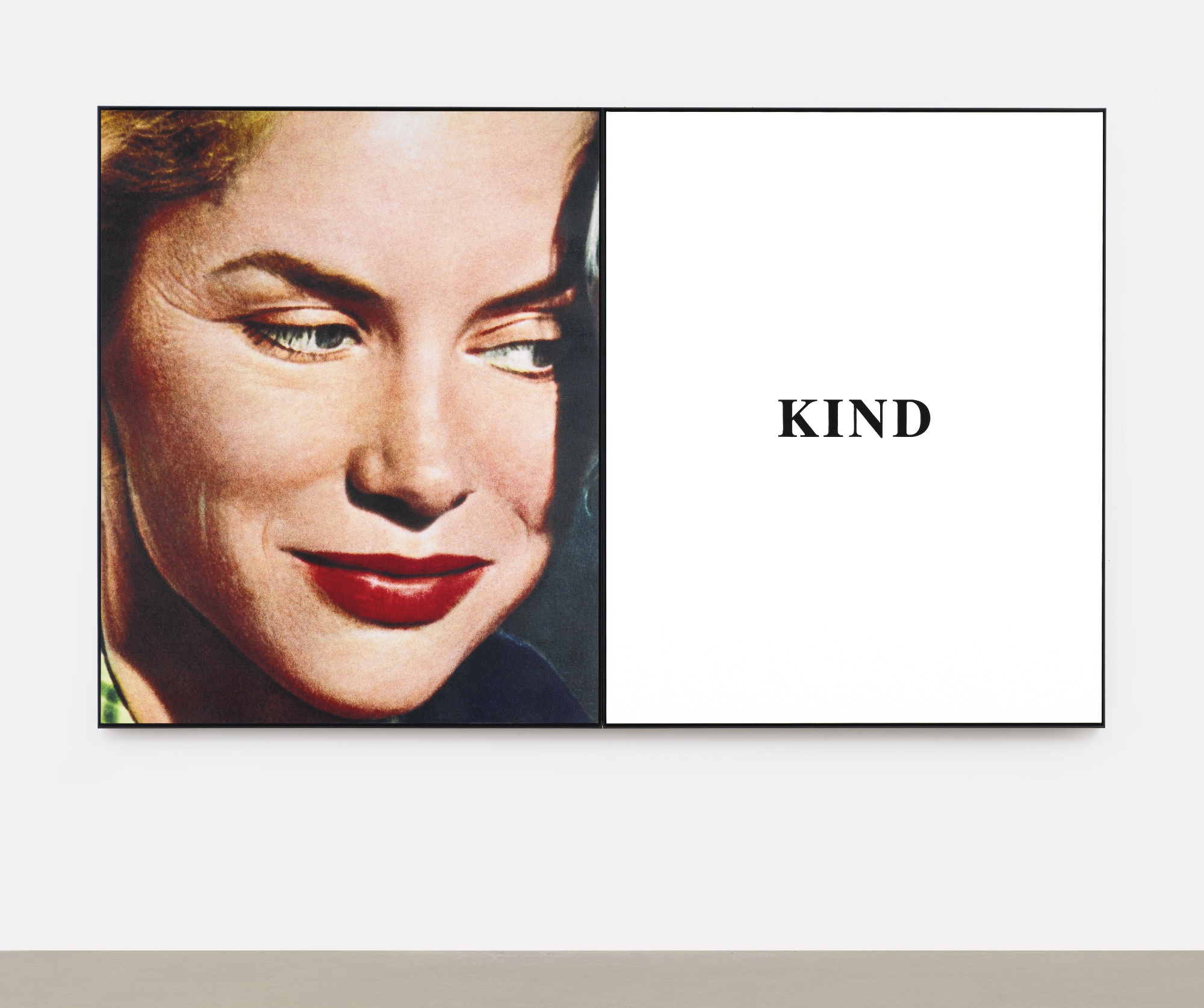
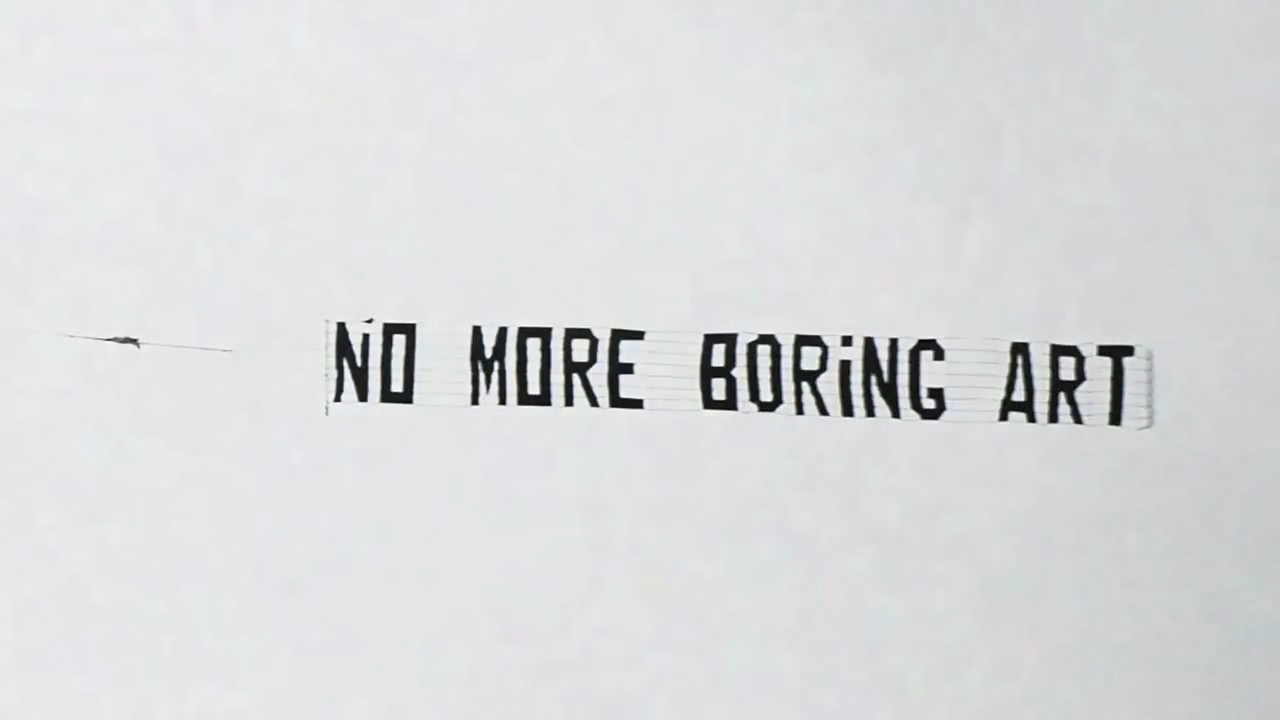
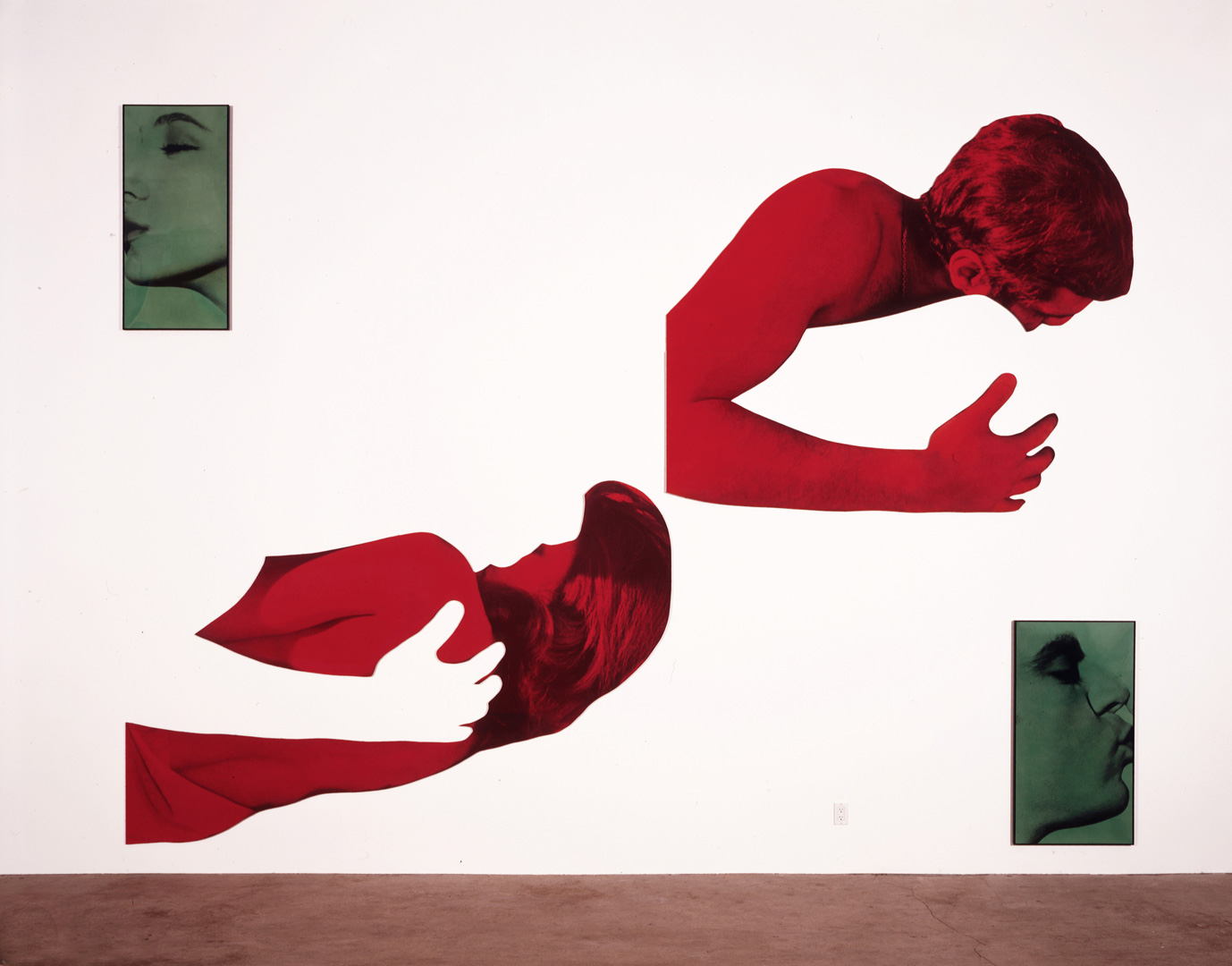
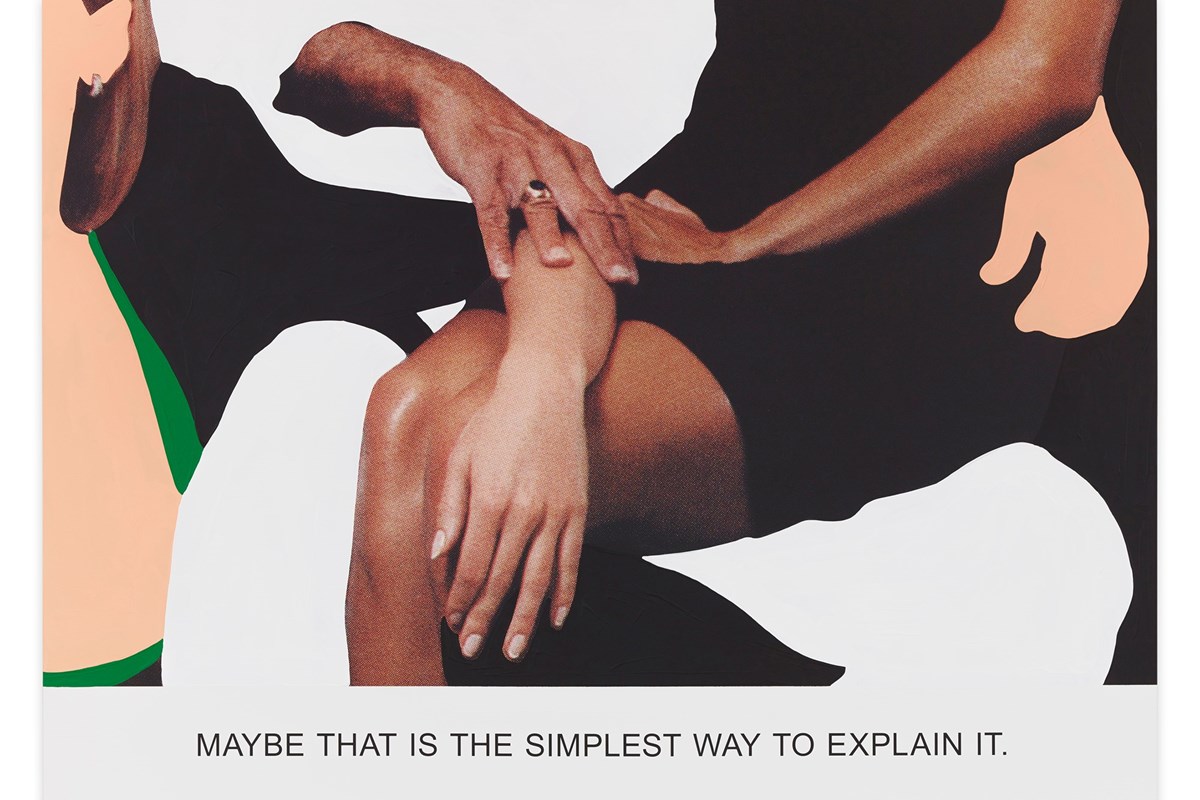
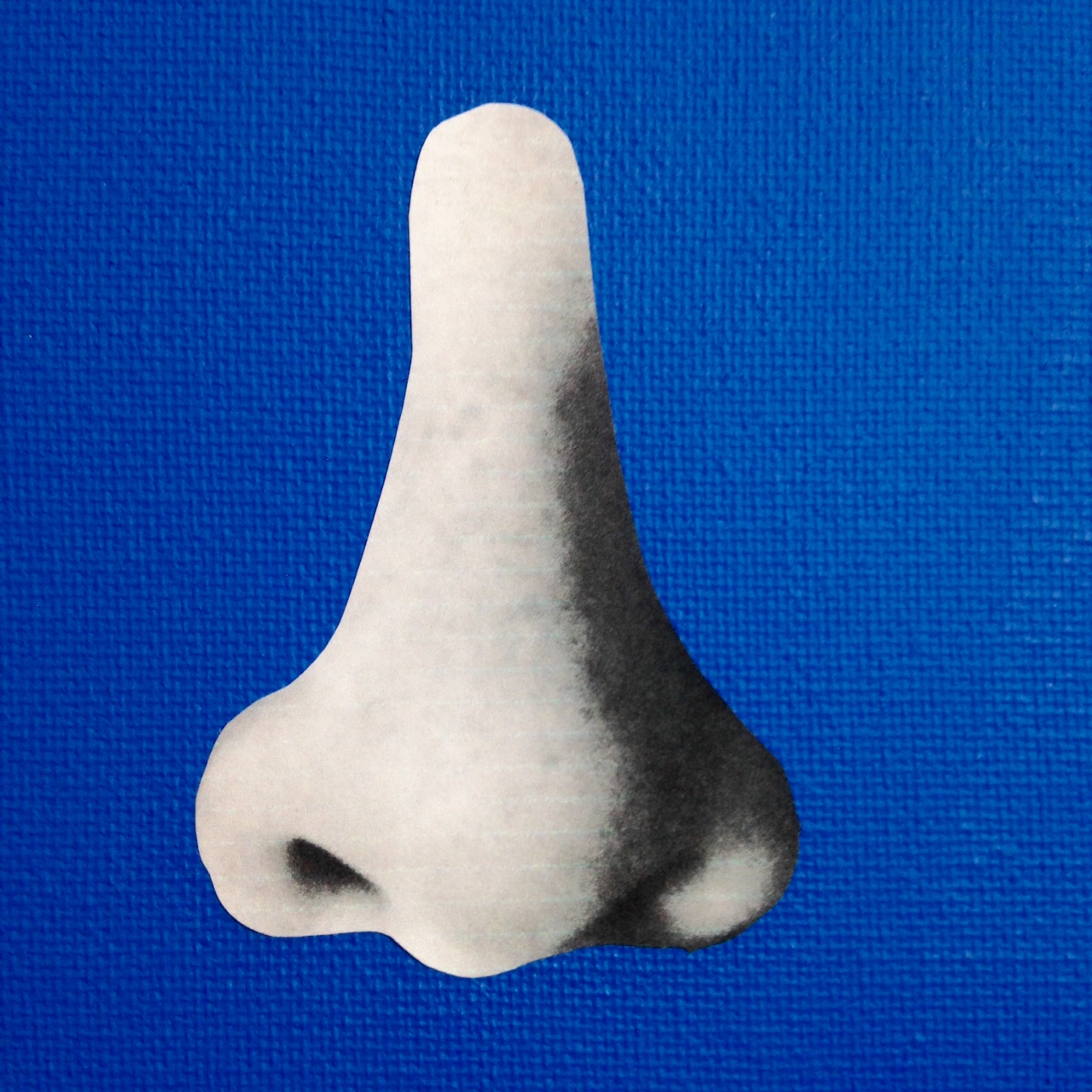
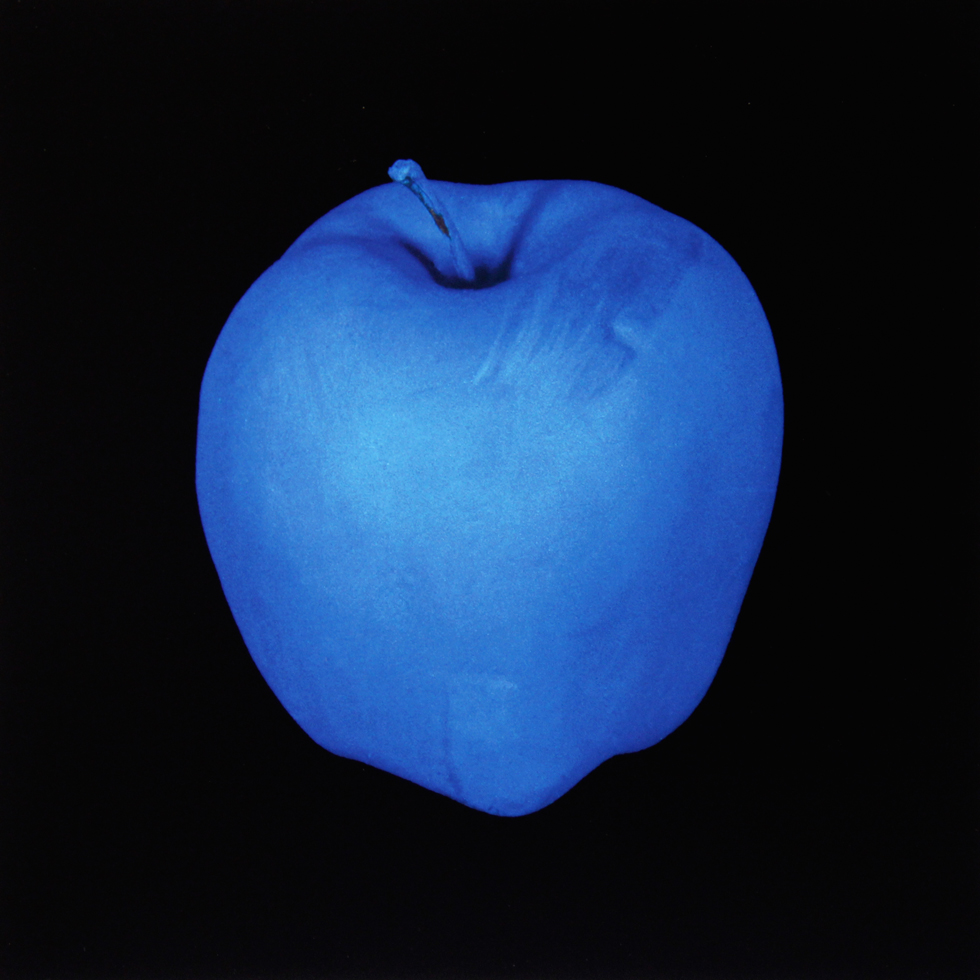
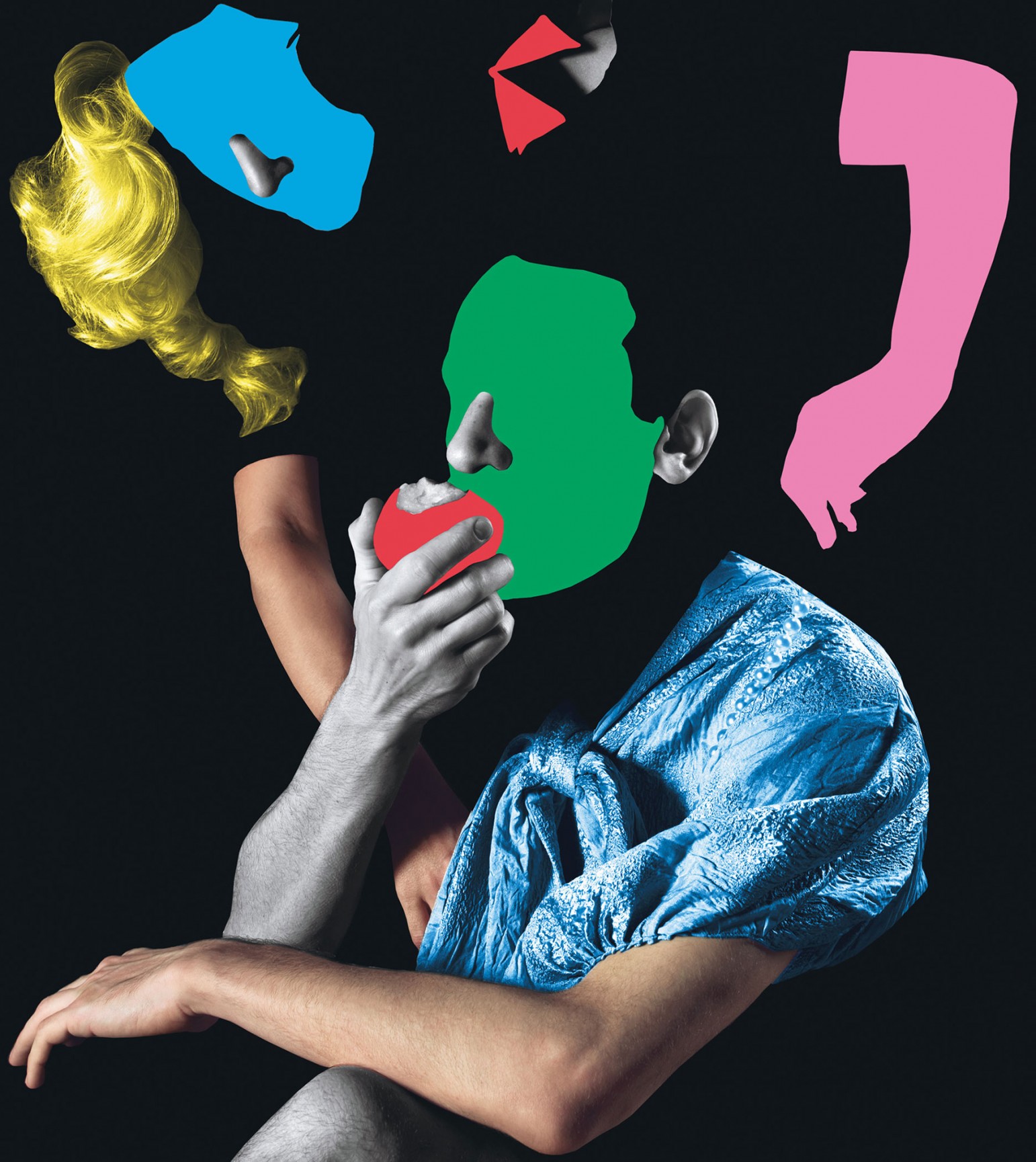
“If I saw the art around me that I liked, then I wouldn’t do art.”
by John Baldessari
148605332726
Conversations | Premiere | Artist Talk | Trevor Paglen and Jenny Holzer
148557716579







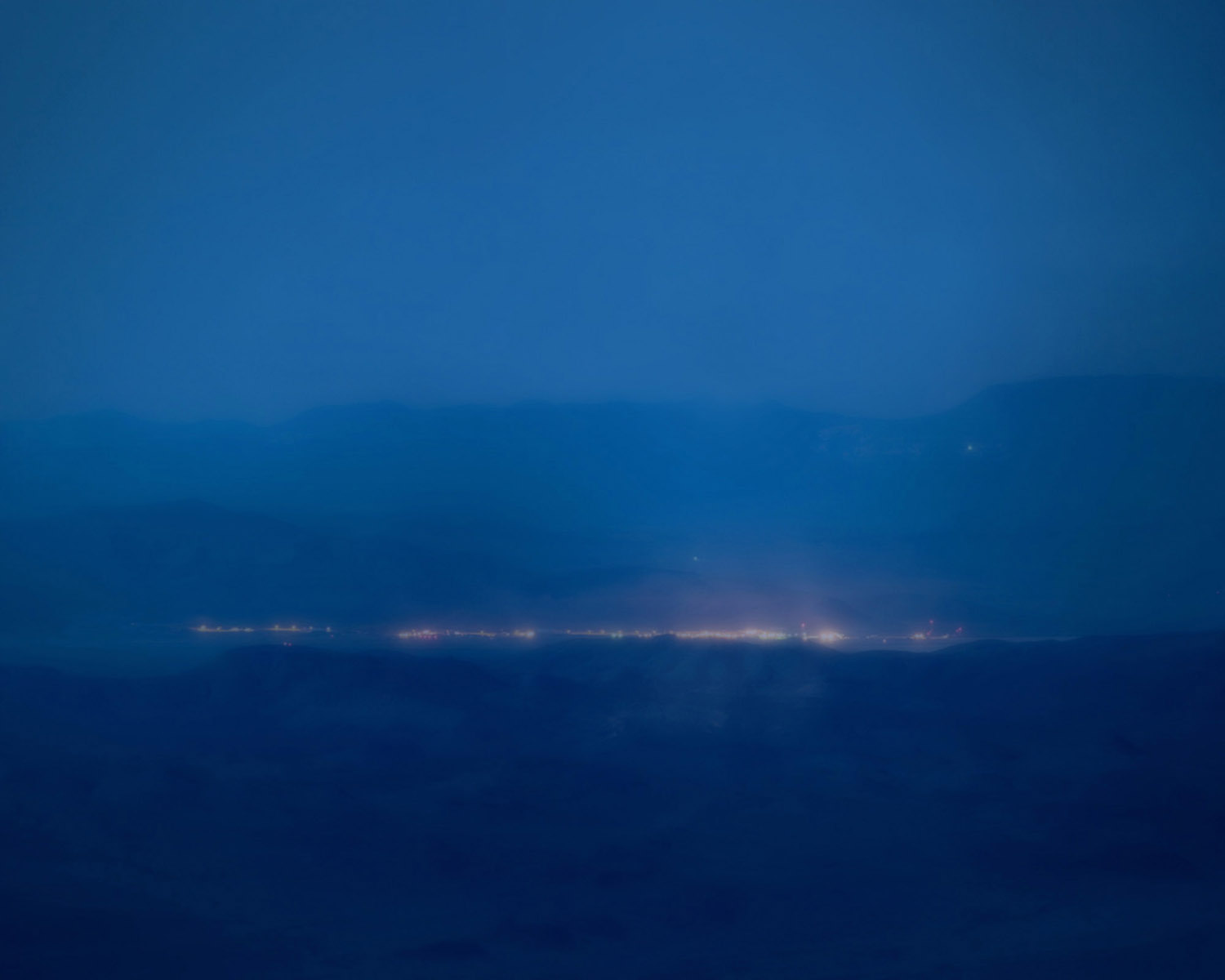

by Trevor Paglen
148192201692
Dada
Dada was an informal international movement, with participants in
Europe and North America. The beginnings of Dada correspond to the
outbreak of World War I. For many participants, the movement was a protest against the bourgeois nationalist and colonialist
interests, which many Dadaists believed were the root cause of the war,
and against the cultural and intellectual conformity—in art and more
broadly in society—that corresponded to the war.
Many Dadaists believed that the ‘reason’ and ‘logic’ of bourgeois capitalist
society had led people into war. They expressed their rejection of that
ideology in artistic expression that appeared to reject logic and
embrace chaos and irrationality. For example, George Grosz later recalled that his Dadaist art was intended as a protest “against this world of mutual destruction.”
According to Hans Richter Dada was not art: it was “anti-art.” Dada represented the opposite of everything which art stood for. Where art was concerned with traditional aesthetics, Dada ignored aesthetics. If art was to appeal to sensibilities, Dada was intended to offend.
As Hugo Ball
expressed it, “For us, art is not an end in itself … but it is an
opportunity for the true perception and criticism of the times we live
in.”
A reviewer from the American Art News
stated at the time that “Dada philosophy is the sickest, most
paralyzing and most destructive thing that has ever originated from the
brain of man.” Art historians have described Dada as being, in large
part, a “reaction to what many of these artists saw as nothing more than
an insane spectacle of collective homicide.”
Years later, Dada artists described the movement as “a phenomenon
bursting forth in the midst of the postwar economic and moral crisis, a
savior, a monster, which would lay waste to everything in its path…
[It was] a systematic work of destruction and demoralization… In the
end it became nothing but an act of sacrilege.”
To quote Dona Budd’s The Language of Art Knowledge,
Dada was born out of negative reaction to the horrors of the First
World War. This international movement was begun by a group of artists
and poets associated with the Cabaret Voltaire
in Zürich. Dada rejected reason and logic, prizing nonsense,
irrationality and intuition. The origin of the name Dada is unclear;
some believe that it is a nonsensical word. Others maintain that it
originates from the Romanian artists Tristan Tzara’s and Marcel Janco’s
frequent use of the words “da, da,” meaning “yes, yes” in the Romanian
language. Another theory says that the name “Dada” came during a meeting
of the group when a paper knife stuck into a French–German dictionary
happened to point to ‘dada’, a French word for ‘hobbyhorse’.
The movement primarily involved visual arts, literature, poetry, art manifestos, art theory, theatre, and graphic design, and concentrated its anti-war politics through a rejection of the prevailing standards in art through anti-art cultural works.