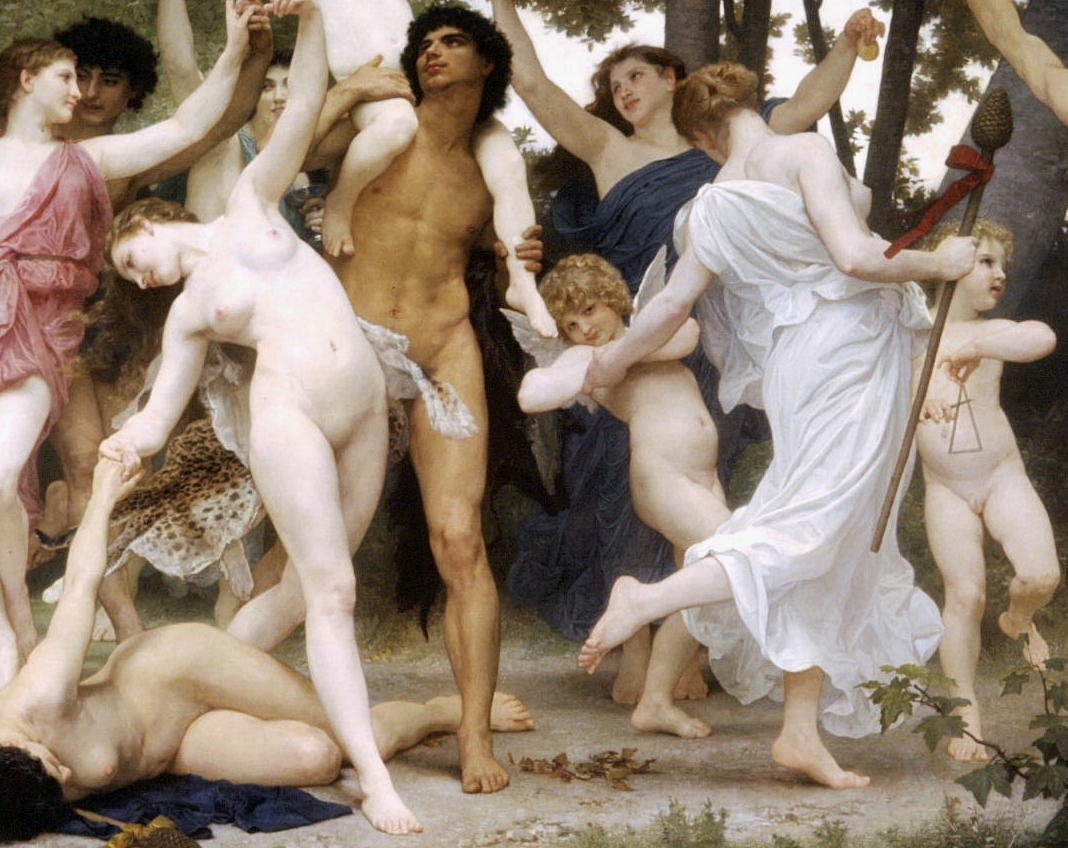
The use of art descriptions and explanations—especially written ones—has a deep history, but the formal practice developed over time in stages, especially as art moved into public institutions and became part of intellectual discourse.
1. Early Religious and Royal Patronage (before the 1500s):
No written descriptions were common, but symbolic meaning was built into the artwork itself—especially in religious art.
In churches, priests or scholars explained artwork to the public orally, especially since most people were illiterate.
In royal courts, court artists or patrons might include inscriptions or heraldic symbols to convey identity or meaning.
2. Renaissance (1400s–1600s):
Artists began signing their work and sometimes included Latin inscriptions or visual clues to indicate meaning.
Thinkers like Vasari (in Lives of the Artists, 1550) began writing biographies and interpretations of artists’ works—this was an early form of art writing and interpretation.
Patrons also began commissioning works with specific meanings or allegories, often recorded in letters or contracts.
3. Baroque & Enlightenment (1600s–1700s):
Art academies emerged (like the French Académie des Beaux-Arts), and with them came formal rules and rationales for what art should do.
Exhibition catalogues started to appear, offering short descriptions of artworks shown in salons or royal collections.
Paintings were often described in terms of themes, moral lessons, or classical references.
4. Romanticism & Realism (1800s):
As artists sought to express personal emotion or social truth, art critics like Baudelaire began to write about art in newspapers and books.
Artists started writing manifestos or letters explaining their intentions (e.g., Courbet’s political realism).
Public museums like the Louvre or British Museum began offering labels and guided tours—bringing written description to mass audiences.
5. Modernism (1900s):
As art became more abstract, the need for explanation grew—leading to manifestos (e.g., Futurism, Dada, Surrealism).
Art critics and theorists like Greenberg, Benjamin, and Berger began interpreting and contextualizing work for readers.
Museums introduced more sophisticated wall texts, catalogues, and artist statements.
6. Contemporary Art (1970s–present):
Art description has become nearly standardized—most galleries and museums now include:
Artist statements
Curatorial essays
Wall labels with conceptual and historical context
Conceptual and installation art especially requires explanation, as the idea is often not visible in the object.
So, while symbolic and oral explanation existed in ancient and medieval times, formal art descriptions as we know them today really took off during the Renaissance, then institutionalized in the Enlightenment, and became essential in Modern and Contemporary art.
The use of art descriptions and explanations—especially written ones—has a deep history, but the formal practice developed over time in stages, especially as art moved into public institutions and became part of intellectual discourse.
1. Early Religious and Royal Patronage (before the 1500s):
No written descriptions were common, but symbolic meaning was built into the artwork itself—especially in religious art.
In churches, priests or scholars explained artwork to the public orally, especially since most people were illiterate.
In royal courts, court artists or patrons might include inscriptions or heraldic symbols to convey identity or meaning.
2. Renaissance (1400s–1600s):
Artists began signing their work and sometimes included Latin inscriptions or visual clues to indicate meaning.
Thinkers like Vasari (in Lives of the Artists, 1550) began writing biographies and interpretations of artists’ works—this was an early form of art writing and interpretation.
Patrons also began commissioning works with specific meanings or allegories, often recorded in letters or contracts.
3. Baroque & Enlightenment (1600s–1700s):
Art academies emerged (like the French Académie des Beaux-Arts), and with them came formal rules and rationales for what art should do.
Exhibition catalogues started to appear, offering short descriptions of artworks shown in salons or royal collections.
Paintings were often described in terms of themes, moral lessons, or classical references.
4. Romanticism & Realism (1800s):
As artists sought to express personal emotion or social truth, art critics like Baudelaire began to write about art in newspapers and books.
Artists started writing manifestos or letters explaining their intentions (e.g., Courbet’s political realism).
Public museums like the Louvre or British Museum began offering labels and guided tours—bringing written description to mass audiences.
5. Modernism (1900s):
As art became more abstract, the need for explanation grew—leading to manifestos (e.g., Futurism, Dada, Surrealism).
Art critics and theorists like Greenberg, Benjamin, and Berger began interpreting and contextualizing work for readers.
Museums introduced more sophisticated wall texts, catalogues, and artist statements.
6. Contemporary Art (1970s–present):
Art description has become nearly standardized—most galleries and museums now include:
Artist statements
Curatorial essays
Wall labels with conceptual and historical context
Conceptual and installation art especially requires explanation, as the idea is often not visible in the object.
So, while symbolic and oral explanation existed in ancient and medieval times, formal art descriptions as we know them today really took off during the Renaissance, then institutionalized in the Enlightenment, and became essential in Modern and Contemporary art.
“Art has been valued and given importance through the artist, regarded as the one who creates something wondrous and beautiful. At a certain point, artists within that way of thinking often distance themselves more and more from the community and society. In Thai education, this system of teaching and learning art is still being used.”
“When art is no longer the center of the universe, then artists are not either. This has been a question asked of artists since the time of Walter Benjamin. He spoke about this long ago, and it has been written about for a long time.
“In the modernist view, the artist was seen as something close to a superhuman — exalted as someone with supreme specialness, with an intuition that could not be explained. When the artist was elevated above us, above the university guard or the noodle vendor next door, the artist became like a kind of demi-god, regarded as more special than anyone else.
“In fact, in contemporary thought, the artist is like a motorcycle taxi driver — it’s just another profession. We work within a framework of knowledge that is not some kind of miracle. And art itself depends on other bodies of knowledge.”
Jiradej Meemalai Co-founder of ‘Baan Noorg Collaborative Arts & Culture’
“เมื่อศิลปะไม่เป็นศูนย์กลางจักรวาล ศิลปินก็จะไม่เป็นด้วย ซึ่งศิลปินเคยถูกตั้งคำถามนี้มาตั้งแต่สมัย Benjamin Walter เขาพูดเรื่องนี้มานานแล้ว หนังสือก็เขียนมานานแล้ว
“Abstract means literally to draw from or separate. In this sense every artist is abstract for he must create his own work from his visual impressions. A realistic or non-objective approach makes no difference. The result is what counts.” — Richard Diebenkorn
Richard Diebenkorn (1922-1993) Ocean Park No.121 1980 oil on canvas 78¼ x 78 3/8 in. Price realised USD 7,698,500
You can tell the difference by looking at intention, purpose, and how the work is used, rather than judging technique or style.
Here’s a simple way to understand it:
1. Purpose
Fine art is created mainly to express an idea, emotion, or personal vision.
Illustration art is created to communicate a message for something else — a story, product, article, brand, or character.
2. Context
Fine art usually stands on its own. You can hang it in a gallery, museum, or private collection and it still makes sense.
Illustration is usually connected to something: a book, magazine, advertisement, poster, game, or website.
3. Freedom vs. Direction
Fine art gives the artist full freedom. The artist decides the meaning and direction.
Illustration often follows instructions or a brief. It serves a purpose defined by someone else.
4. Interpretation
Fine art invites open interpretation. Viewers can feel or think anything from it.
Illustration usually has a clearer message. It’s meant to guide the viewer toward a specific understanding.
5. Function
Fine art: the function is the expression.
Illustration: the function is to support or explain something else.
Important Note
Many artists today blend both worlds. A digital painting can be fine art if its purpose is expressive; the same style can be illustration if it’s made to tell a story in a book. The difference is not in the style — it’s in why and how the artwork is created.