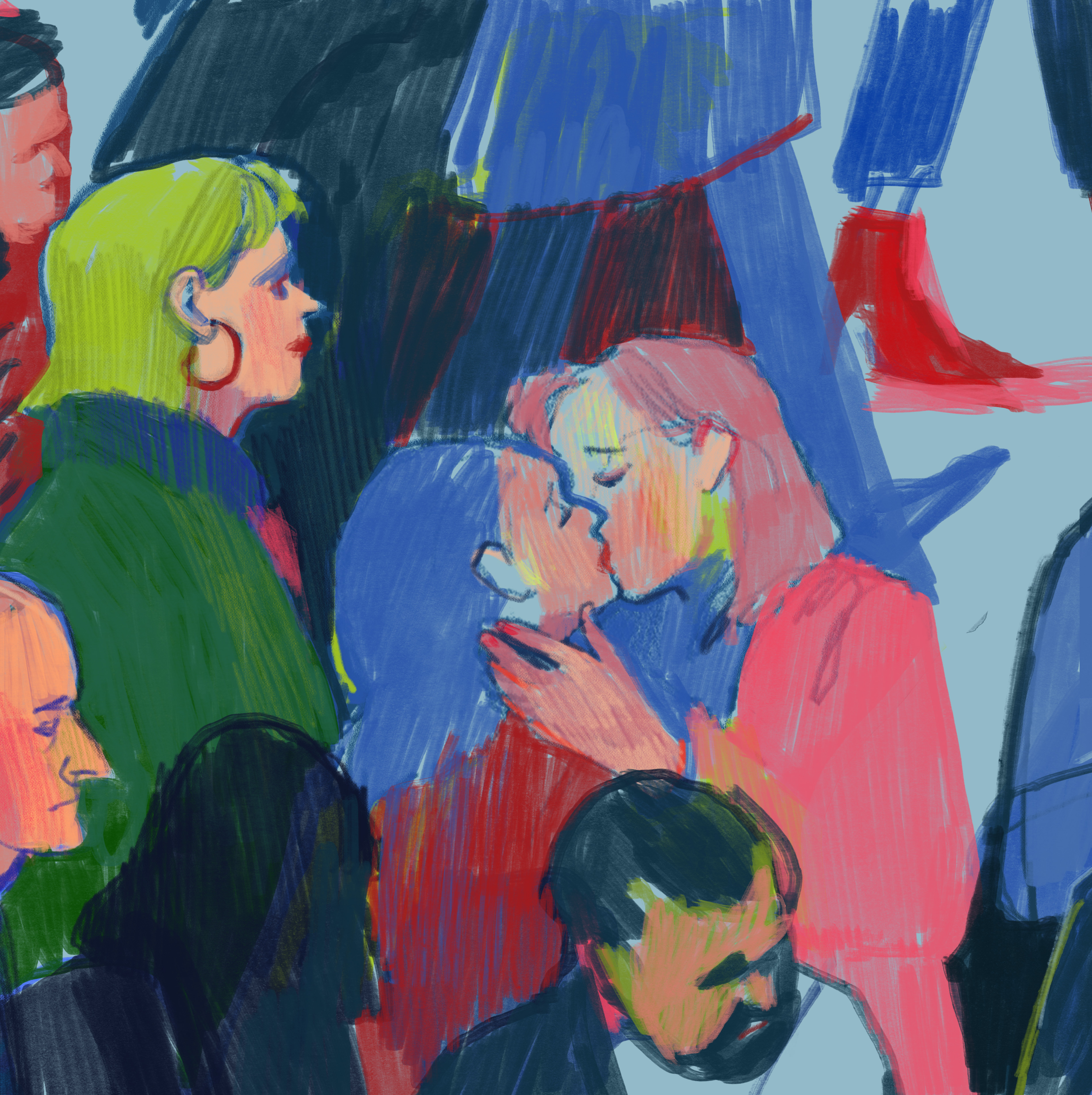
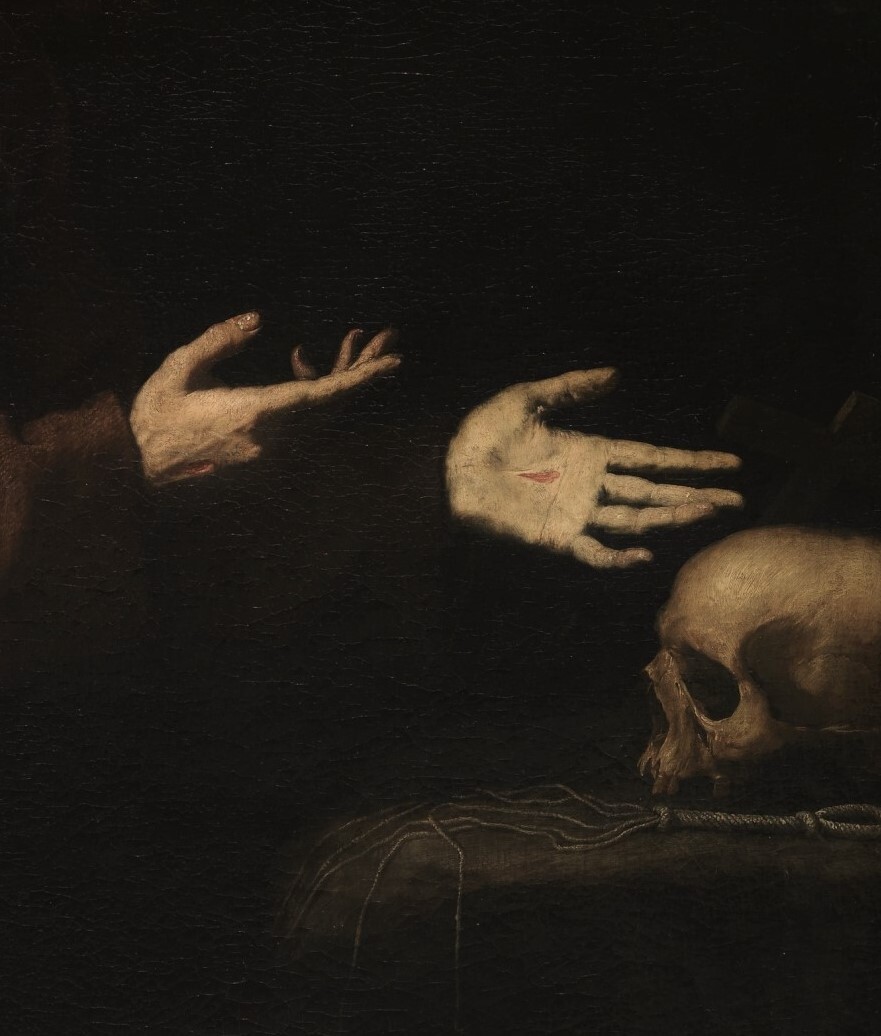
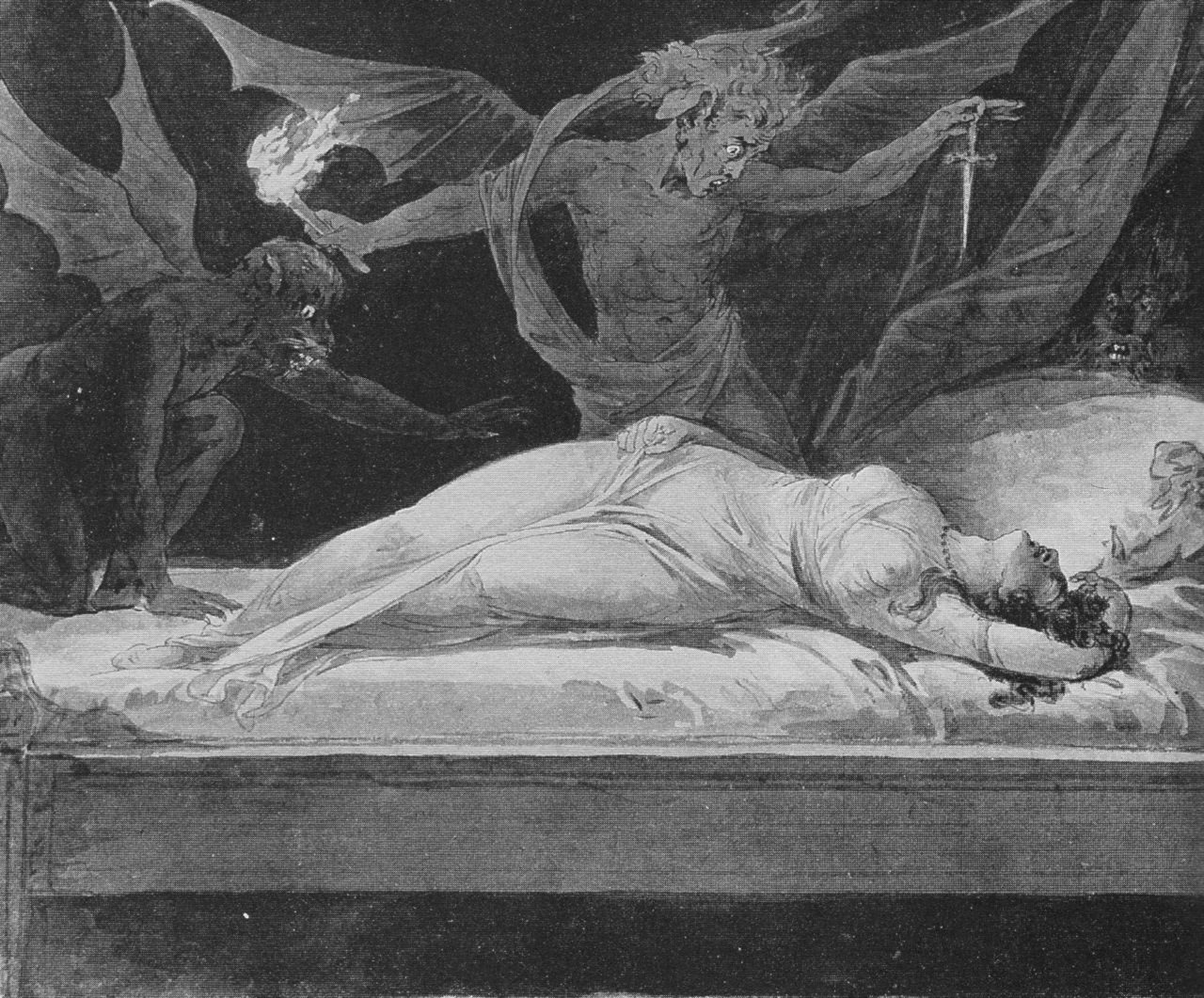
drawing

742 items found

789236841208528896

You have to do stuff that average people don’t understand because those are the only good things.

— Andy Warhol

789235665486430208

“I write about my own work because I want to speak for myself. I might not be the only authority, nor the best authority, but I want to participate in the writing of my own history. Why should artists be validated by outside authorities. I don’t like being paternalised and colonised by every Tom, Dick or Harry that comes along (male or female).” 

Marlene Dumas
Miss January
1997
oil on canvas
110 ¼ x 39 3⁄8 in.
Price realised
USD 13,635,000

789178083608592384

donotdestroy:

“I blur things to make everything equally important and equally unimportant. I blur things so that they do not look artistic or craftsmanlike but technological, smooth and perfect. I blur things to make all the parts a closer fit. Perhaps I also blur out the excess of unimportant information.”

Gerhard Richter (b. 1932)
Zwei Liebespaare
signed, titled and dated ’“Zwei Liebespaare” Richter 66’ (on the reverse)
oil on canvas
45¼ x 63in. (115 x 160cm.)
Painted in 1966
Price realised
GBP 7,300,500

789097452035768320

“They speak of poverty, yet their art finds its home among the wealthy.”

789089116547678208

donotdestroy:

Importance of Narrative in Art

Art and narrative are closely connected because storytelling is a powerful way to convey meaning, emotion, and context. Here are a few reasons why art often needs a narrative:

1. Contextual Understanding: A narrative provides context that helps viewers understand the deeper meaning or message of the artwork. Without a story, the interpretation of art can be vague or ambiguous.

2. Emotional Engagement: Stories evoke emotions, and when art is tied to a narrative, it can resonate more deeply with the audience, making the experience more impactful.

3. Connection with the Audience: A narrative allows viewers to relate the artwork to their own experiences, thoughts, or feelings, creating a personal connection between the art and the audience.

4. Cultural and Historical Significance: Art often reflects the time, place, and culture in which it was created. A narrative can highlight these aspects, making the artwork more meaningful in a broader context.

5. Guiding Interpretation: While art can be open to interpretation, a narrative can guide viewers toward a particular understanding or theme, helping to convey the artist’s intended message more clearly.

6. Creating a Legacy: Narratives can preserve the stories behind art, ensuring that future generations understand and appreciate the significance of the work.

By ChatGPT

789023567509635072

donotdestroy:

“Abstract means literally to draw from or separate. In this sense every artist is abstract for he must create his own work from his visual impressions. A realistic or non-objective approach makes no difference. The result is what counts.” — Richard Diebenkorn

Richard Diebenkorn (1922-1993)
Ocean Park No.121
1980
oil on canvas
78¼ x 78 3/8 in.
Price realised
USD 7,698,500

788910819718070272

donotdestroy:

“I wanted to be a star, not a gallery mascot.”

— Jean-Michel Basquiat

1 28 29 30 31 32 33 34 106