drawing
149960007137
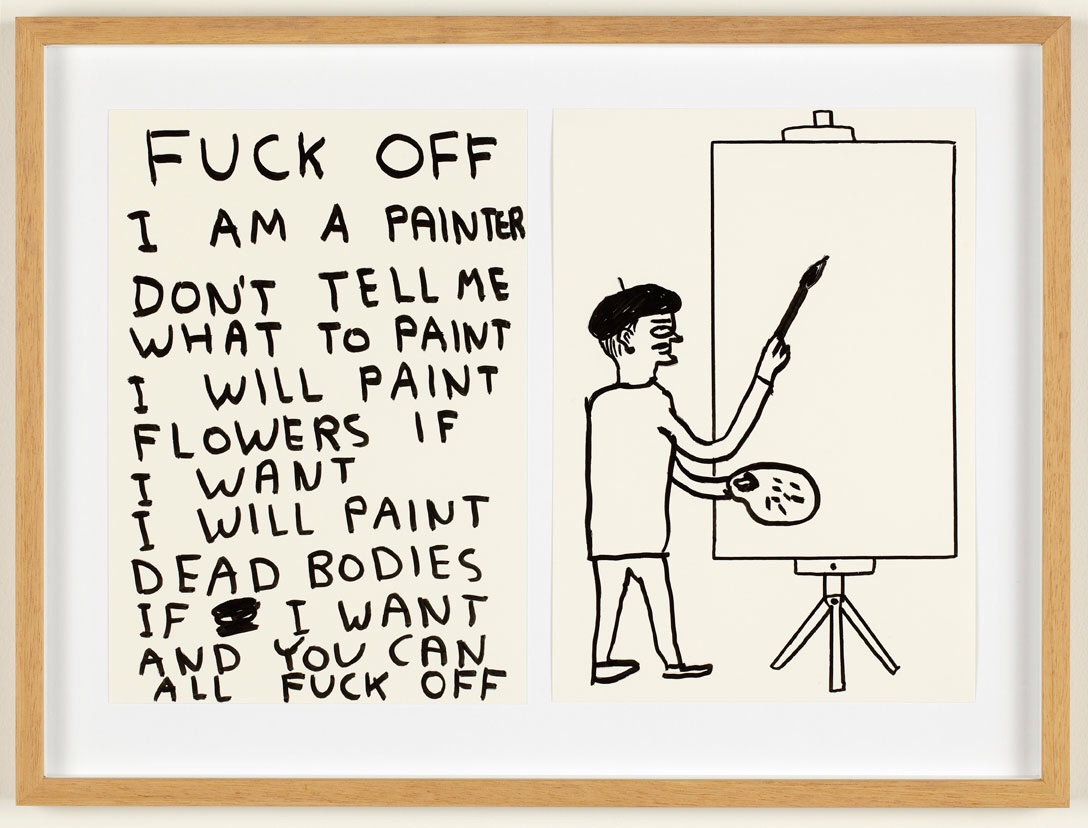
By David Shrigley
149666469146
149545267087
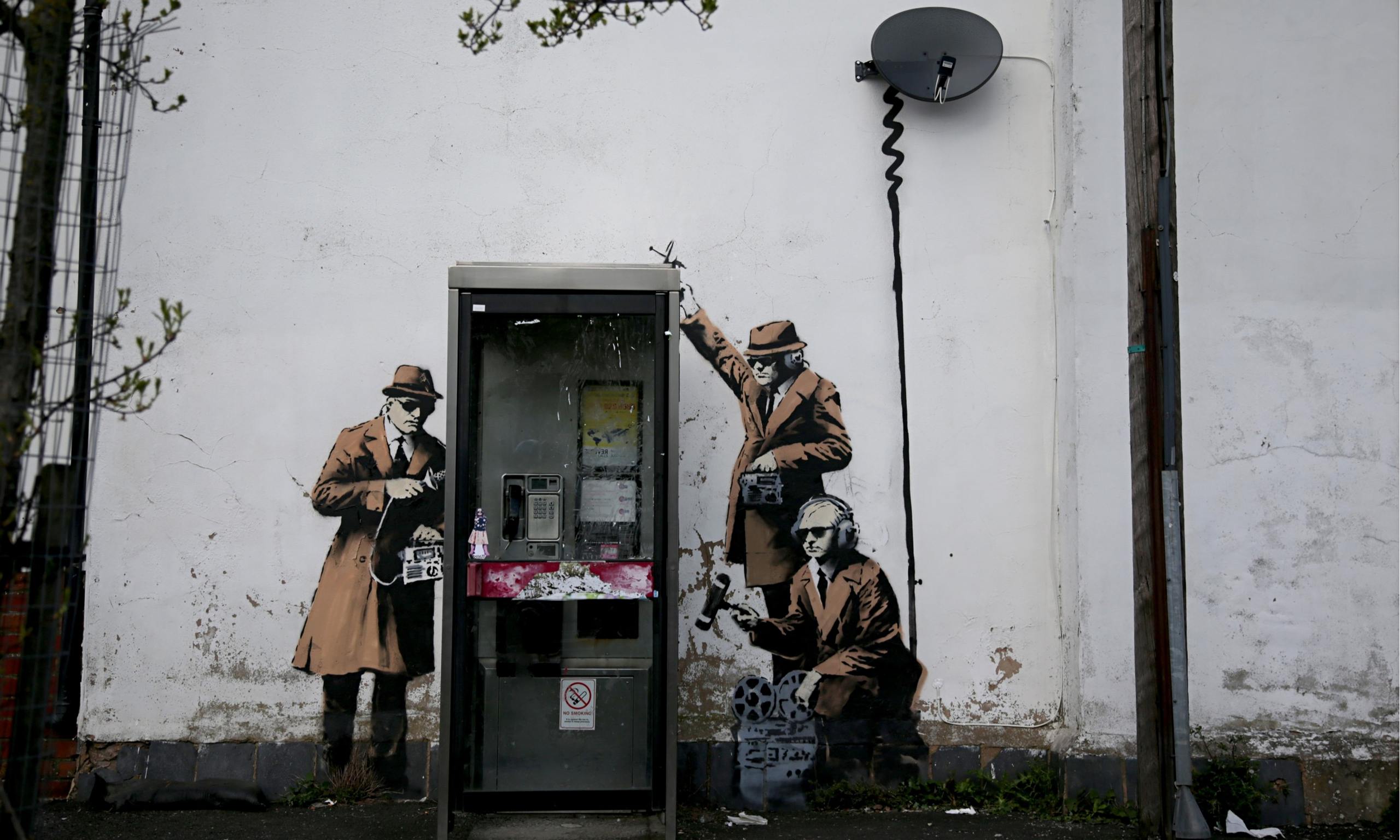
by Banksy
149523121652
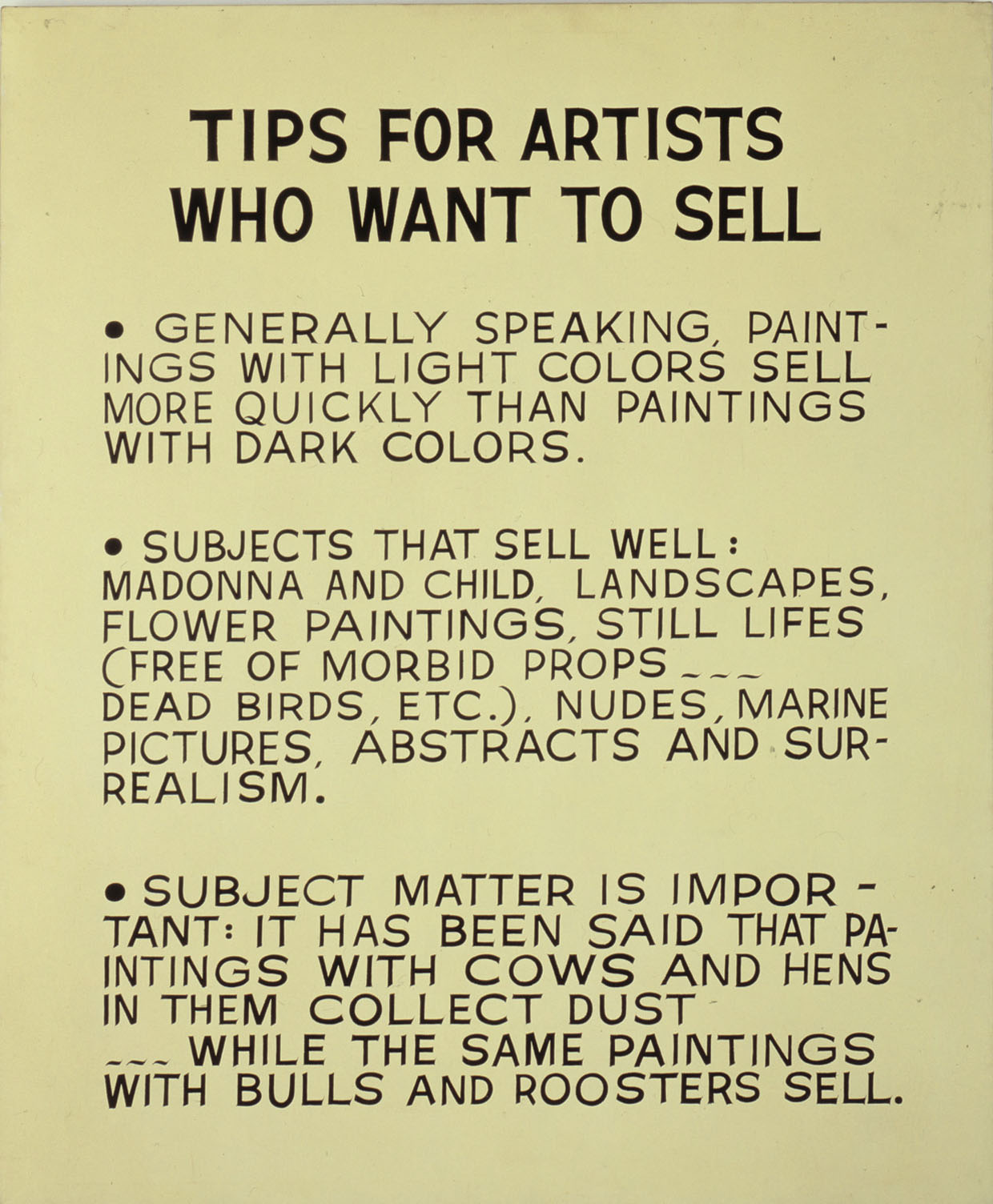
by John Baldessari
149510472357
Tracey Emin in Confidence interview
149496814392
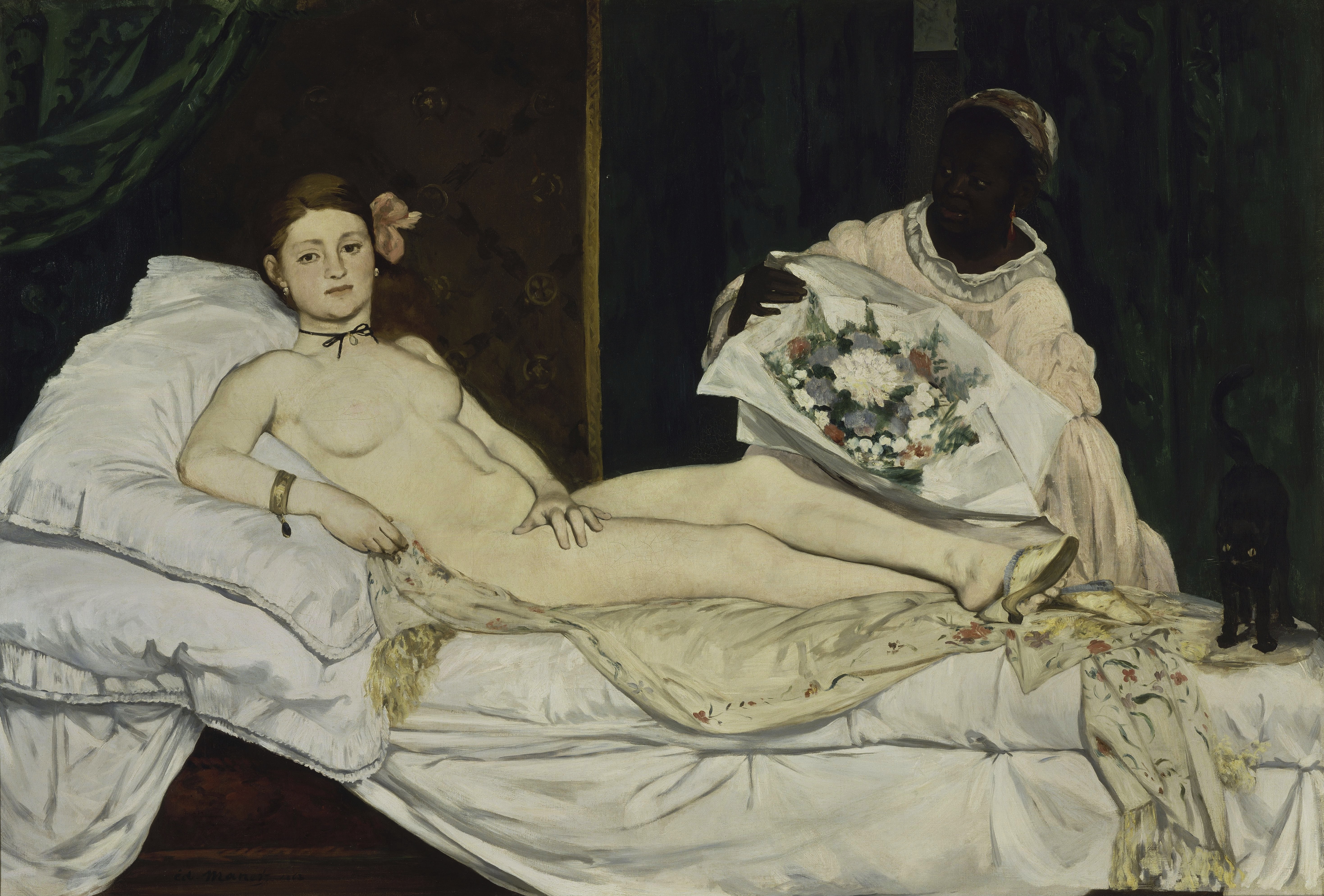
Olympia, 1863 by Edouard Manet
Though Manet’s The Luncheon on the Grass (Le déjeuner sur l’herbe) sparked controversy in 1863, his Olympia stirred an even bigger uproar when it was first exhibited at the 1865 Paris Salon. Conservatives condemned the work as “immoral” and “vulgar.”[1] Journalist Antonin Proust later recalled, “If the canvas of the Olympia was not destroyed, it is only because of the precautions that were taken by the administration.” The critics and the public condemned the work alike. Even Émile Zola was reduced to disingenuously commenting on the work’s formal qualities rather than acknowledging the subject matter, “You wanted a nude, and you chose Olympia, the first that came along”.[9] He paid tribute to Manet’s honesty, however, “When our artists give us Venuses, they correct nature, they lie. Édouard Manet asked himself why lie, why not tell the truth; he introduced us to Olympia, this fille of our time, whom you meet on the sidewalks.”[10]
149259164792
Roy Lichtenstein (1991) documentary
149057193477
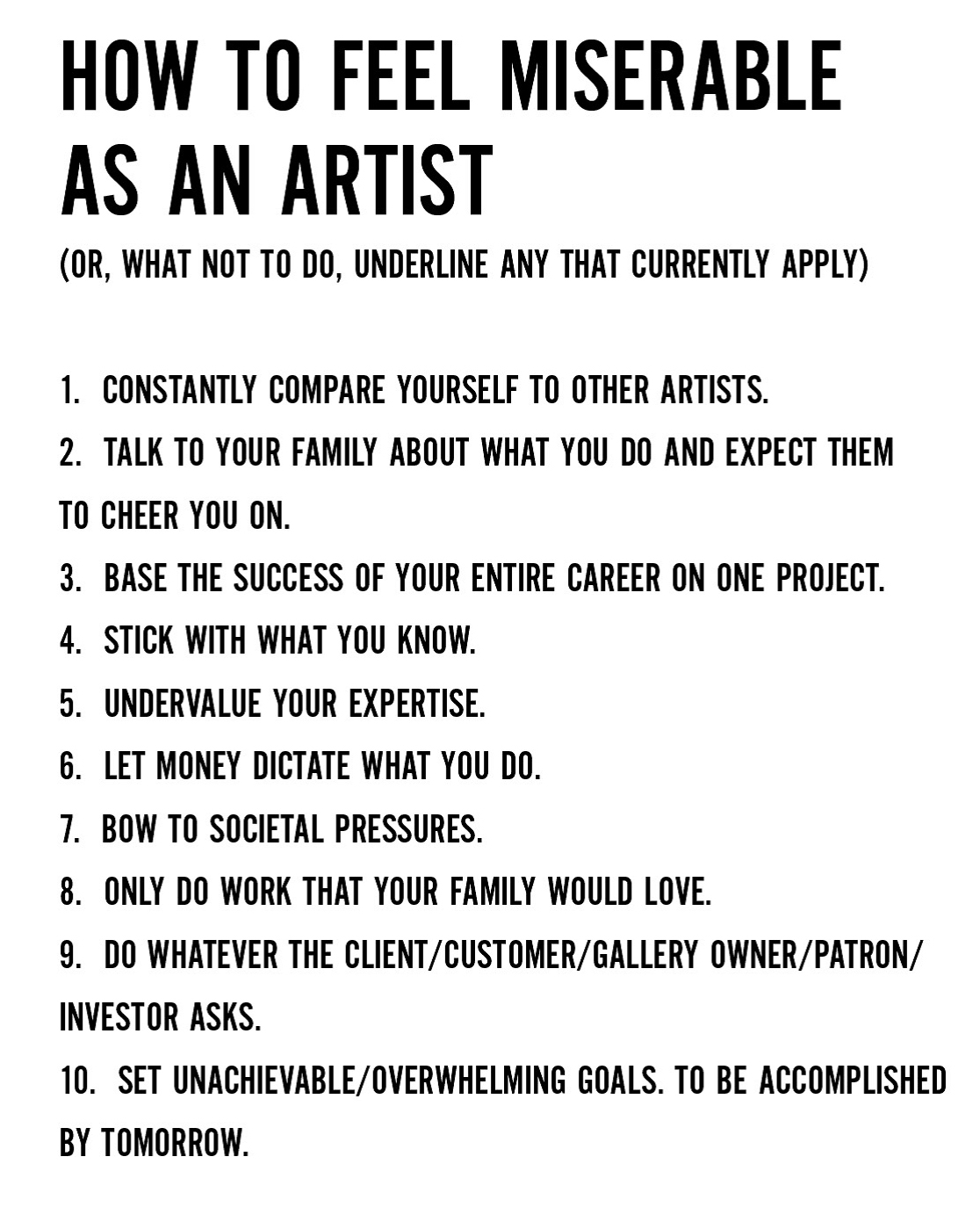
by Keri Smith
149026800707
current status
148735746017
148685380242
148637649417
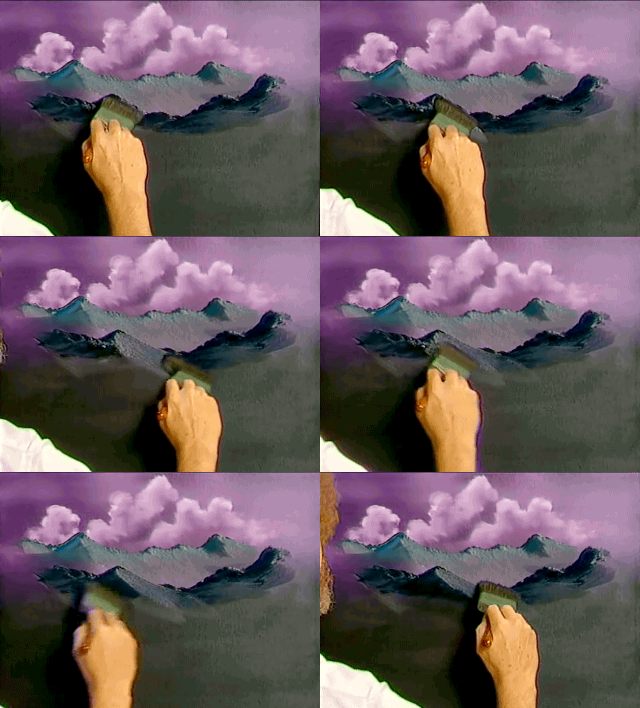
Alla Prima
Wet-on-wet, or alla prima (Italian, meaning at first attempt), is a painting technique, used mostly in oil painting,
in which layers of wet paint are applied to previously administered
layers of wet paint. This technique requires a fast way of working,
because the work has to be finished before the first layers have dried.
It may also be referred to as ‘direct painting’ or the French term au premier coup (at first stroke).[1]
Wet-on-wet painting has been practiced alongside other techniques
since the invention of oil painting, and was used by several of the
major Early Netherlandish painters in parts of their pictures, such as Jan van Eyck in the Arnolfini portrait, and Rogier van der Weyden.[2]
In traditional painting methods new layers were applied to most parts
of a painting only after allowing the previous layer to completely dry.
This drying process could vary from several days to several weeks,
depending on the thickness of the layer. Work done using “alla prima”
can be carried out in one or more sessions – depending on the type of
paints used and their respective drying time – but it is mostly done in
one session or “sitting” only.[3]
Among the many Baroque painters who favored an alla prima technique were Diego Velázquez and Frans Hals. In the Rococo era, connoisseurs appreciated bold alla prima painting, as exemplified in the works of artists such as Jean-Honoré Fragonard, Francesco Guardi, and Thomas Gainsborough.
Since the mid-19th century, the use of commercially produced pigments
in portable tubes has facilitated an easily accessible variety of
colors to be used rapid and on-the-spot painting. Impressionists like Claude Monet, post-Impressionists like Vincent van Gogh, realists like John Singer Sargent, Robert Henri and George Bellows, Expressionists such as Chaim Soutine, and the Abstract Expressionist Willem de Kooning
have each in different ways exploited the potential for fluid energy in
the application of oil paints. It is still heavily used by both
figurative and non-figurative fine artists today.[4]
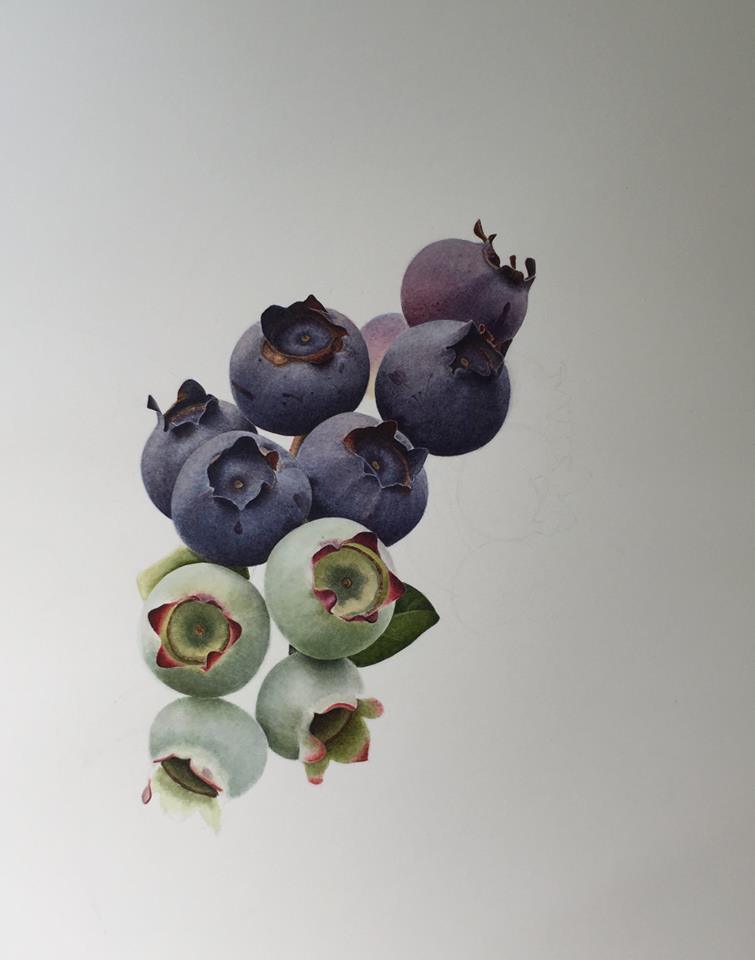
In the medium of watercolors,
wet-on-wet painting requires a certain finesse in embracing
unpredictability. Highly translucent and prone to accidents, watercolor
paint will bloom in unpredictable ways that, depending on the artist’s
frame of mind, can be a boon or a burden.
148244618772
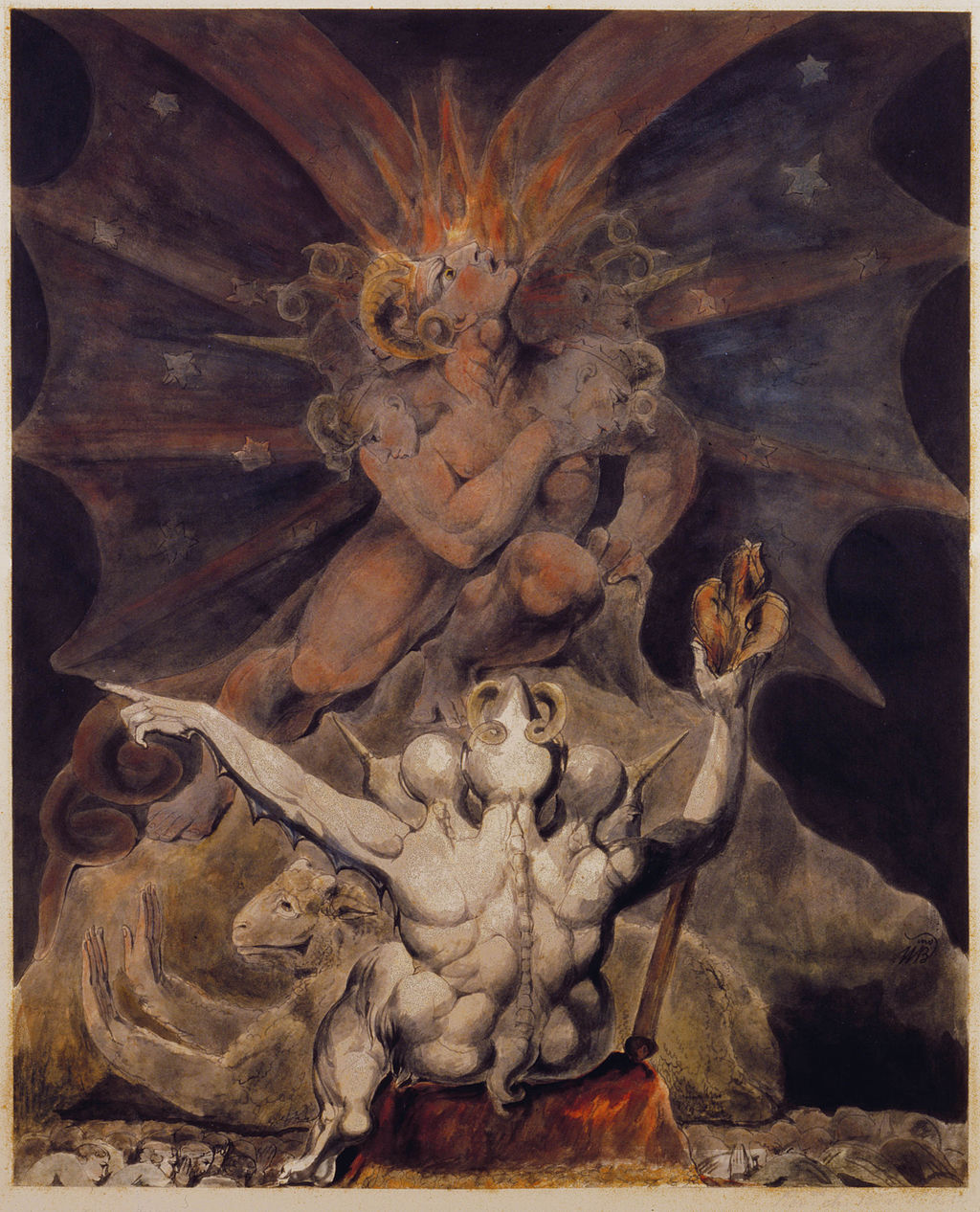
The number of the beast is 666 by William Blake.
148194623437
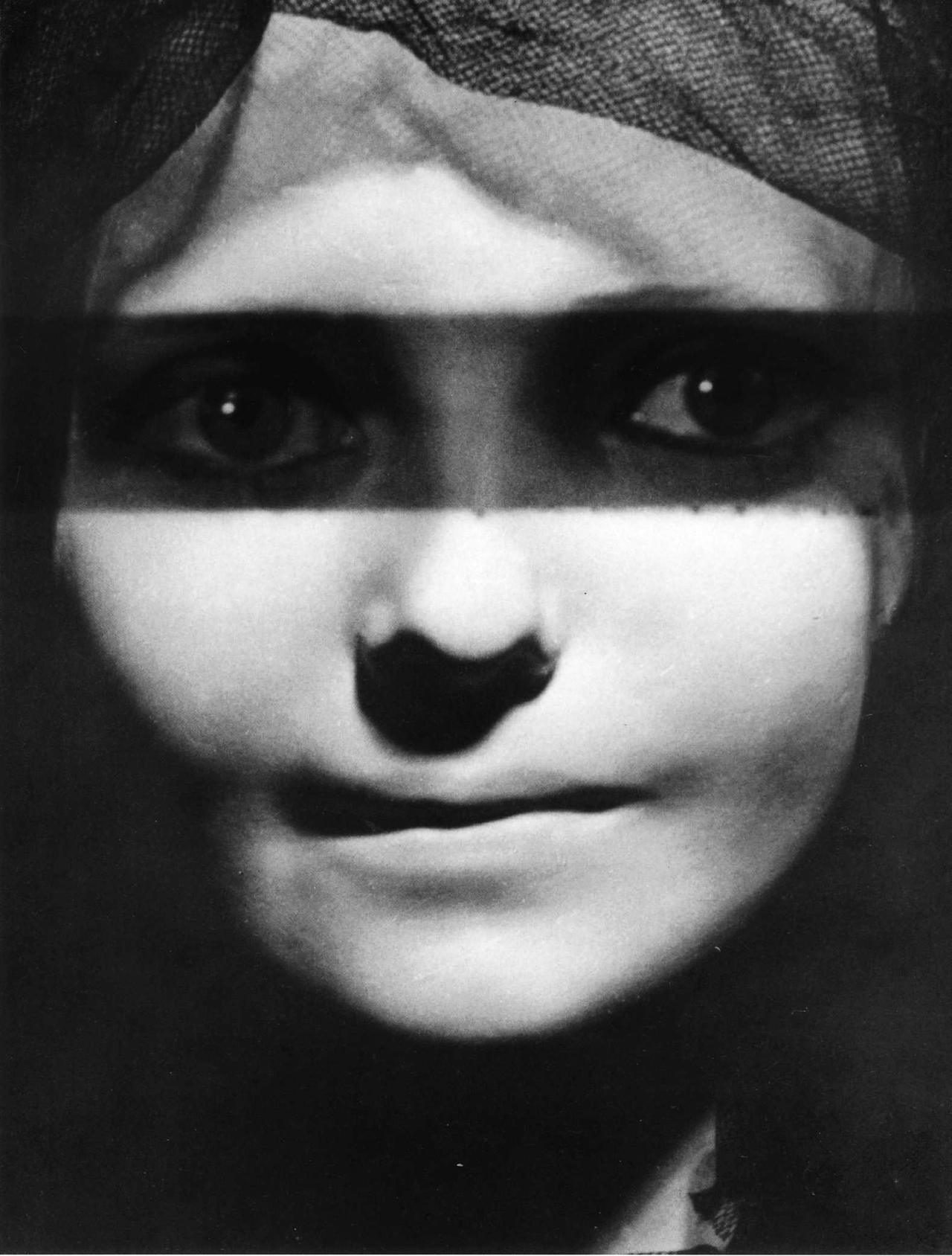
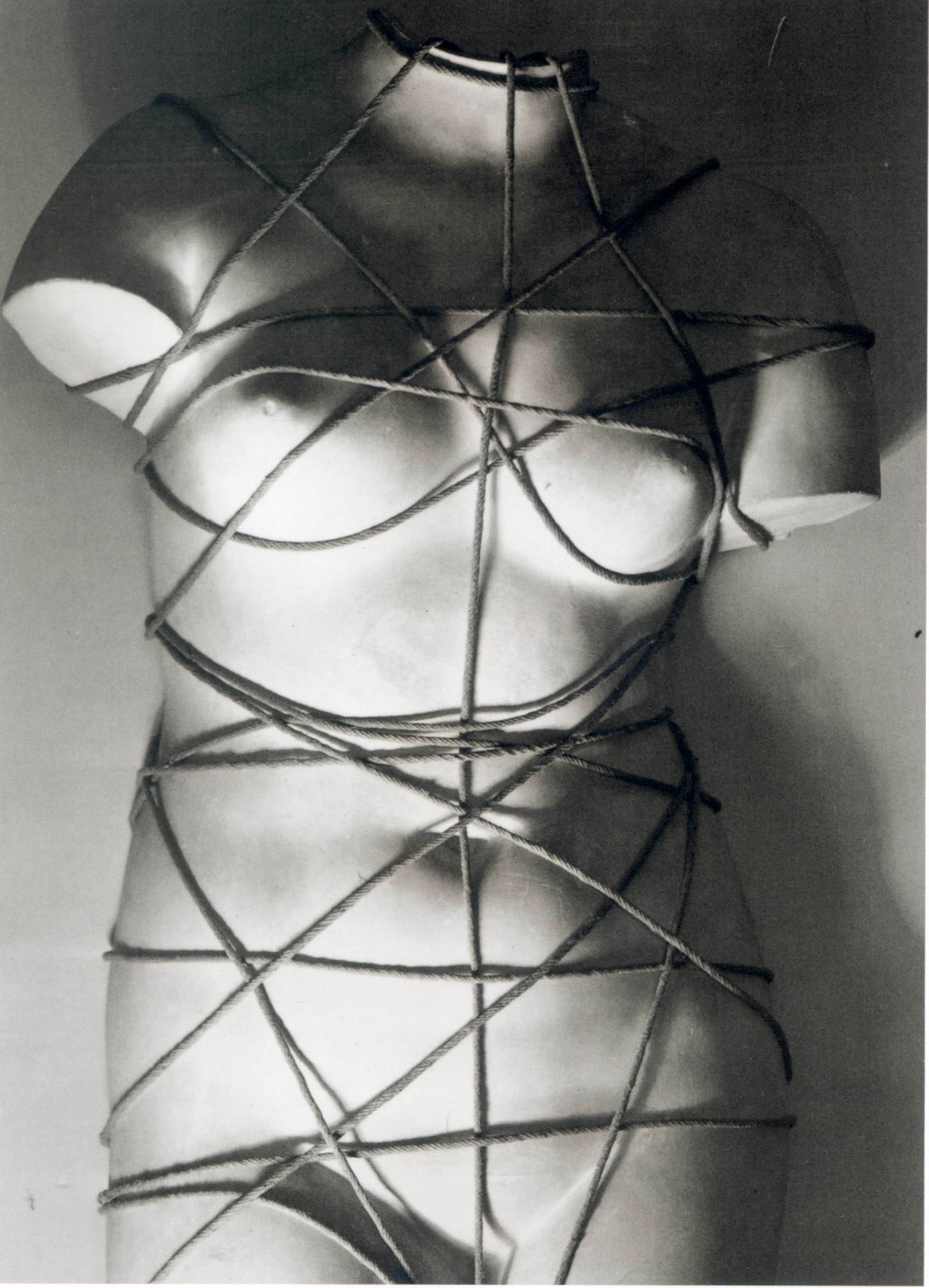
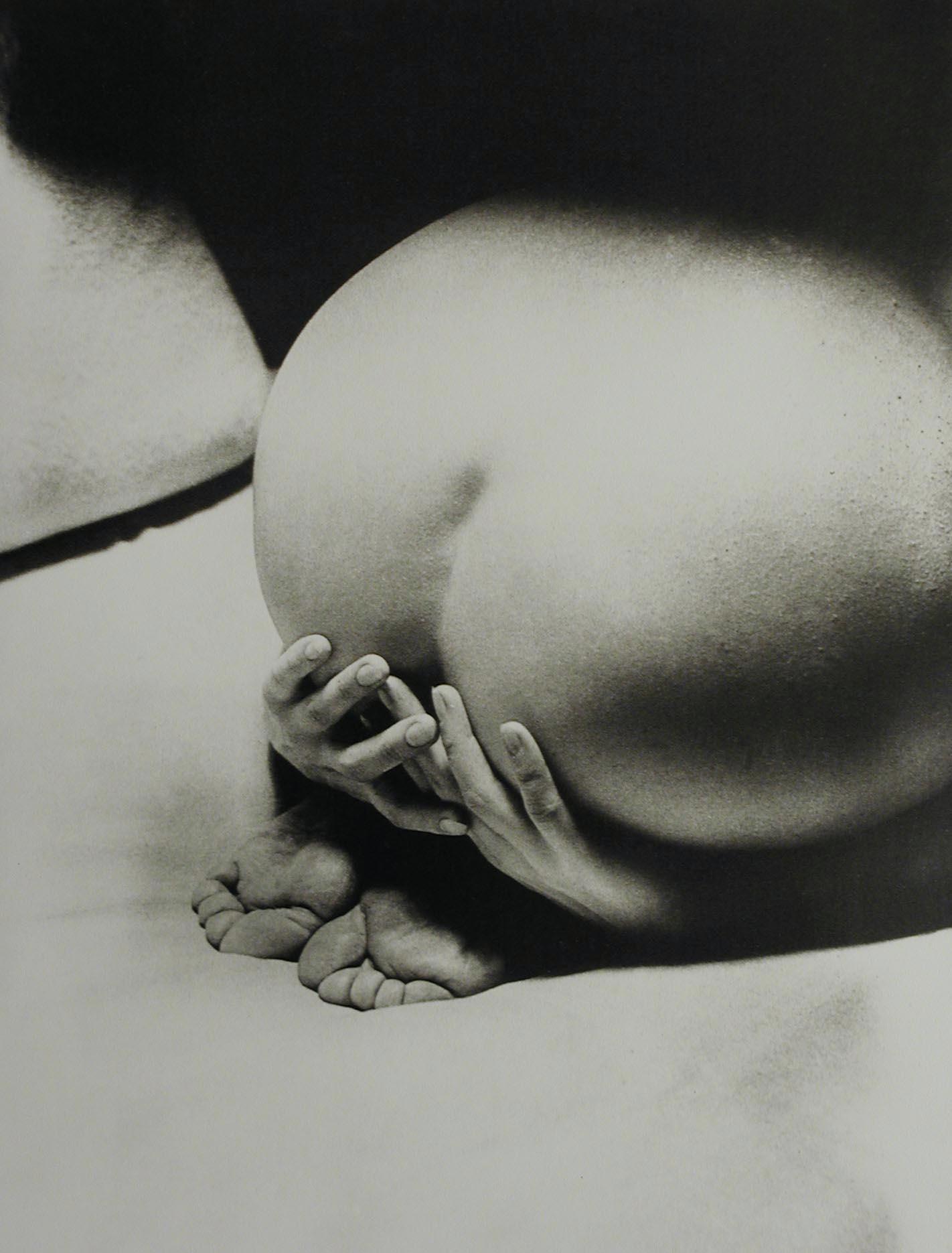
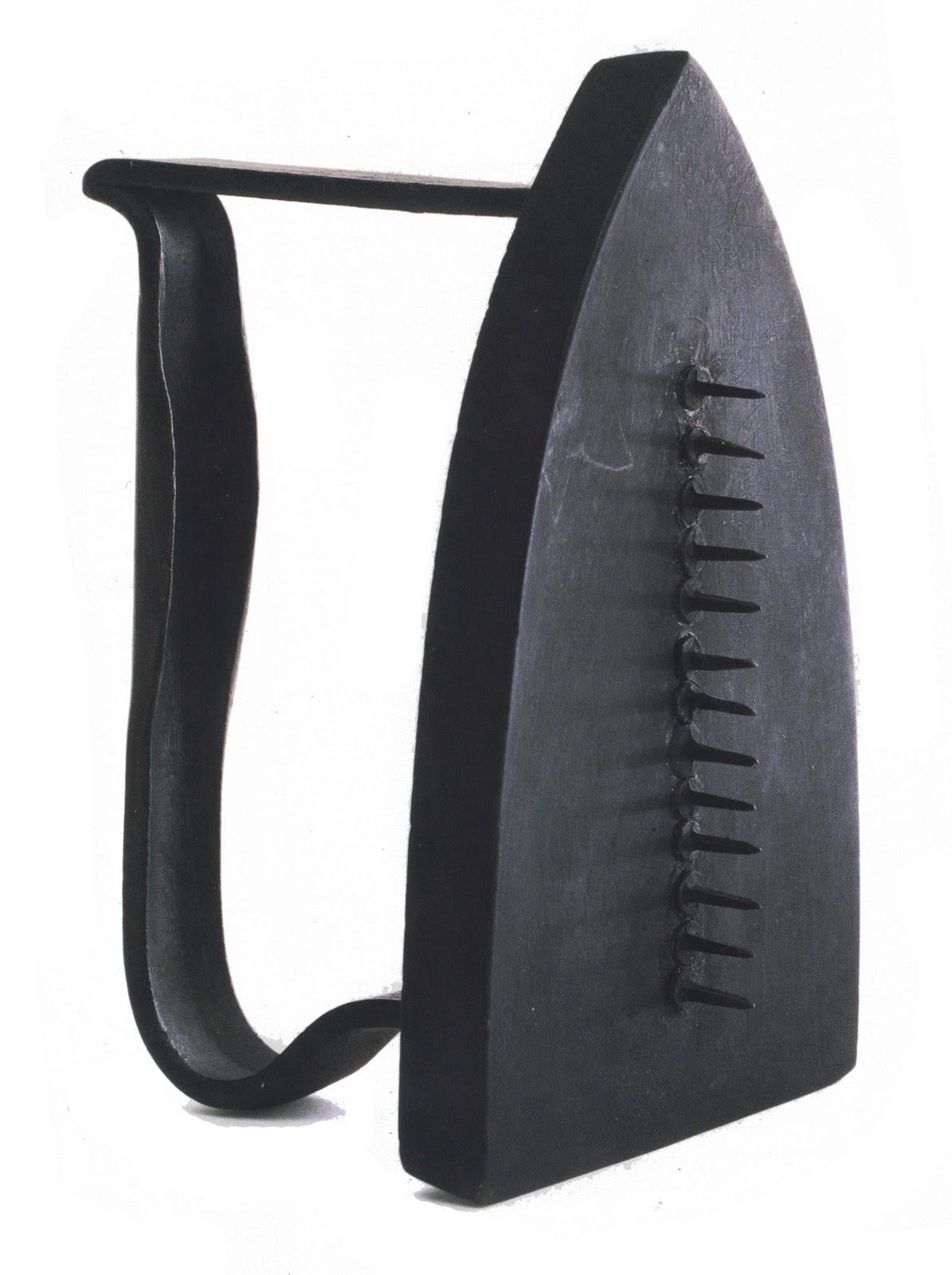
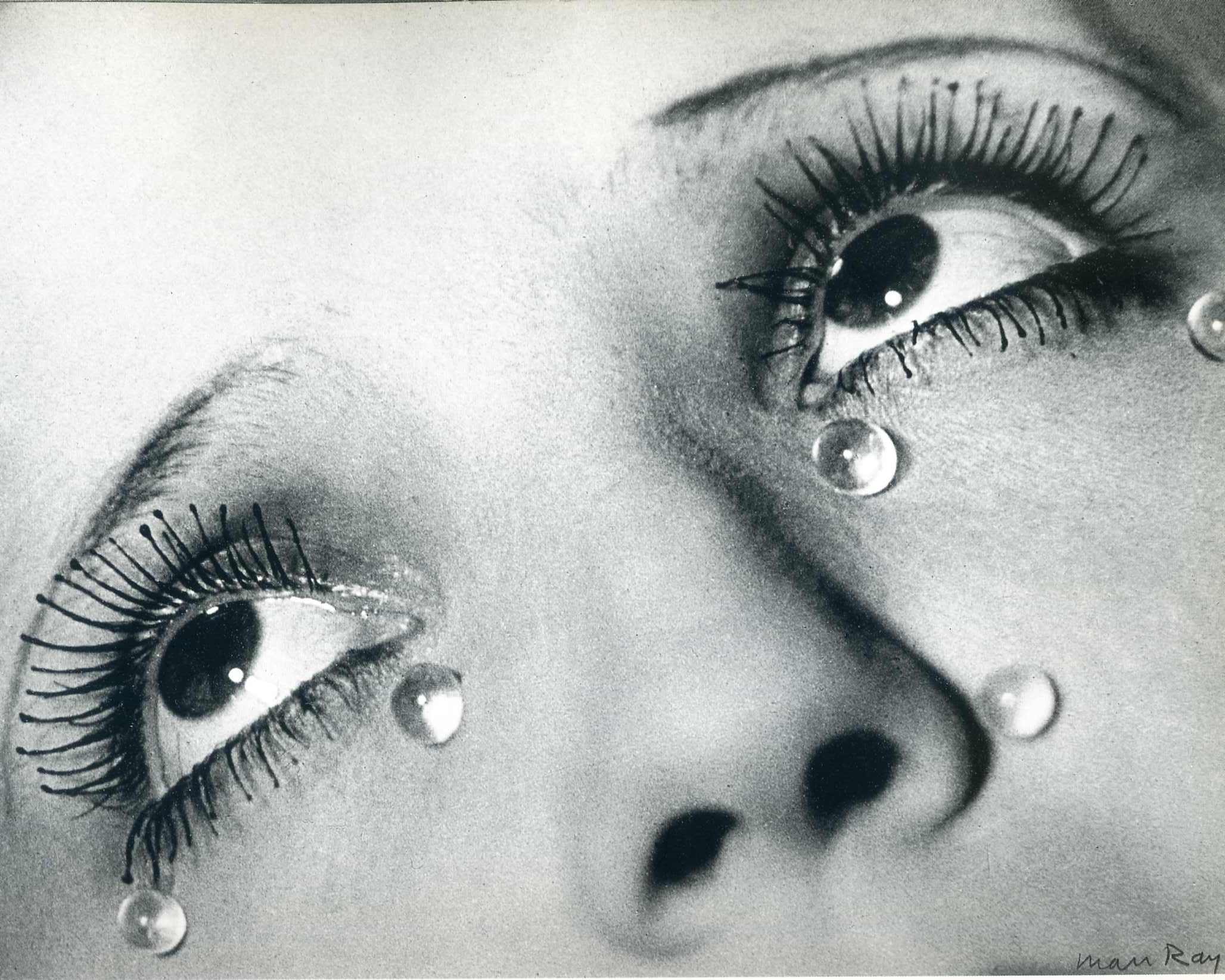
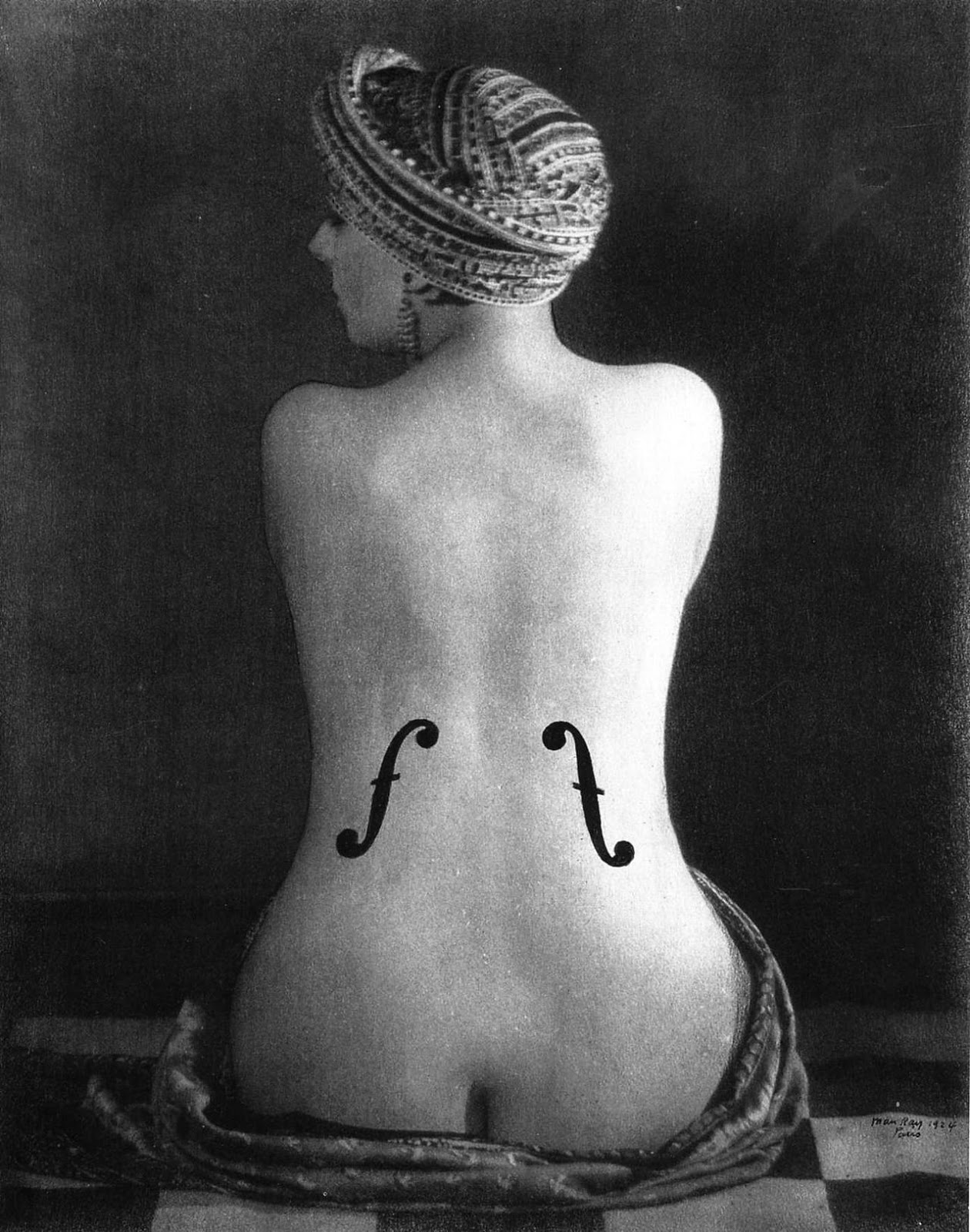
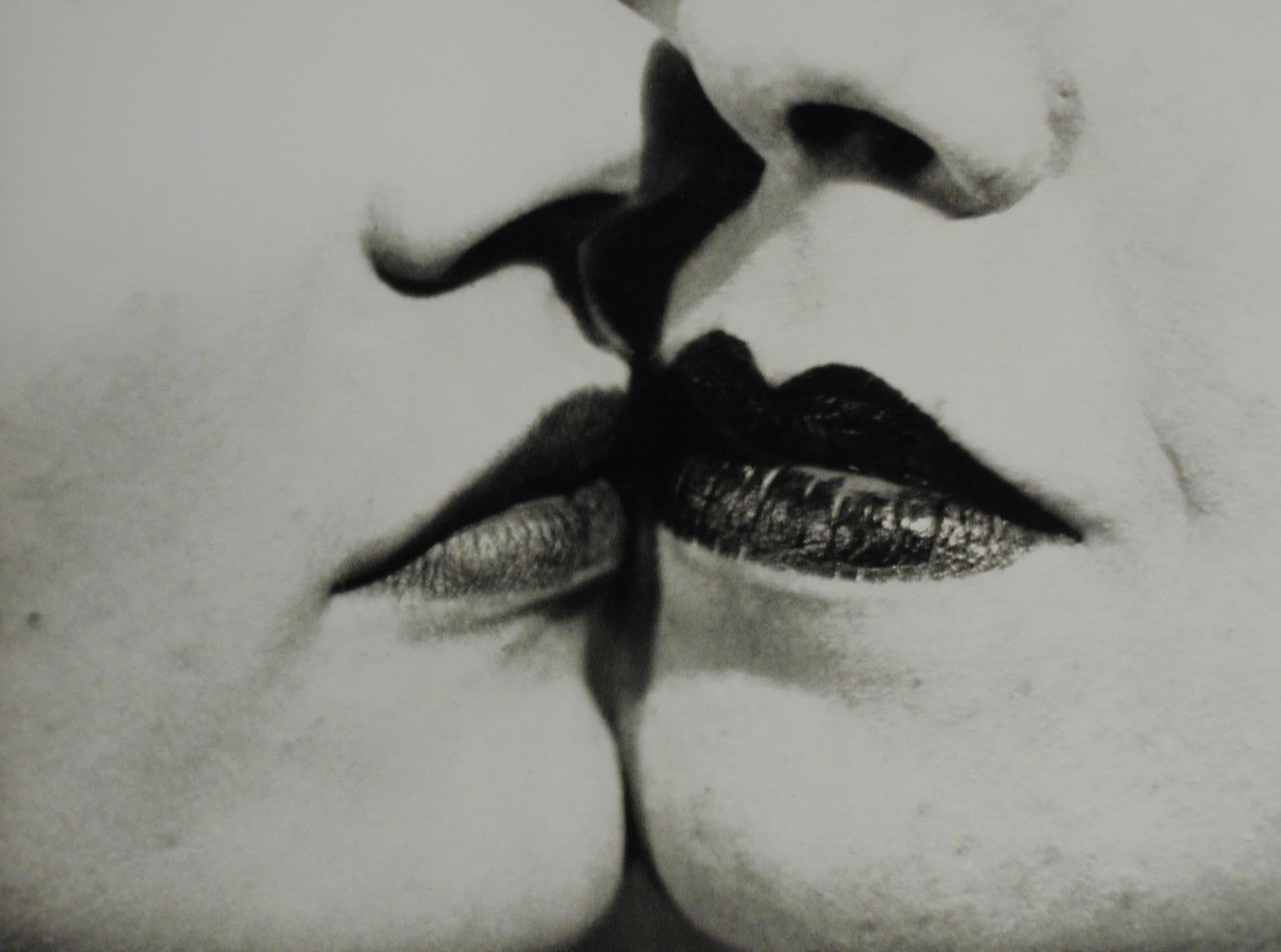
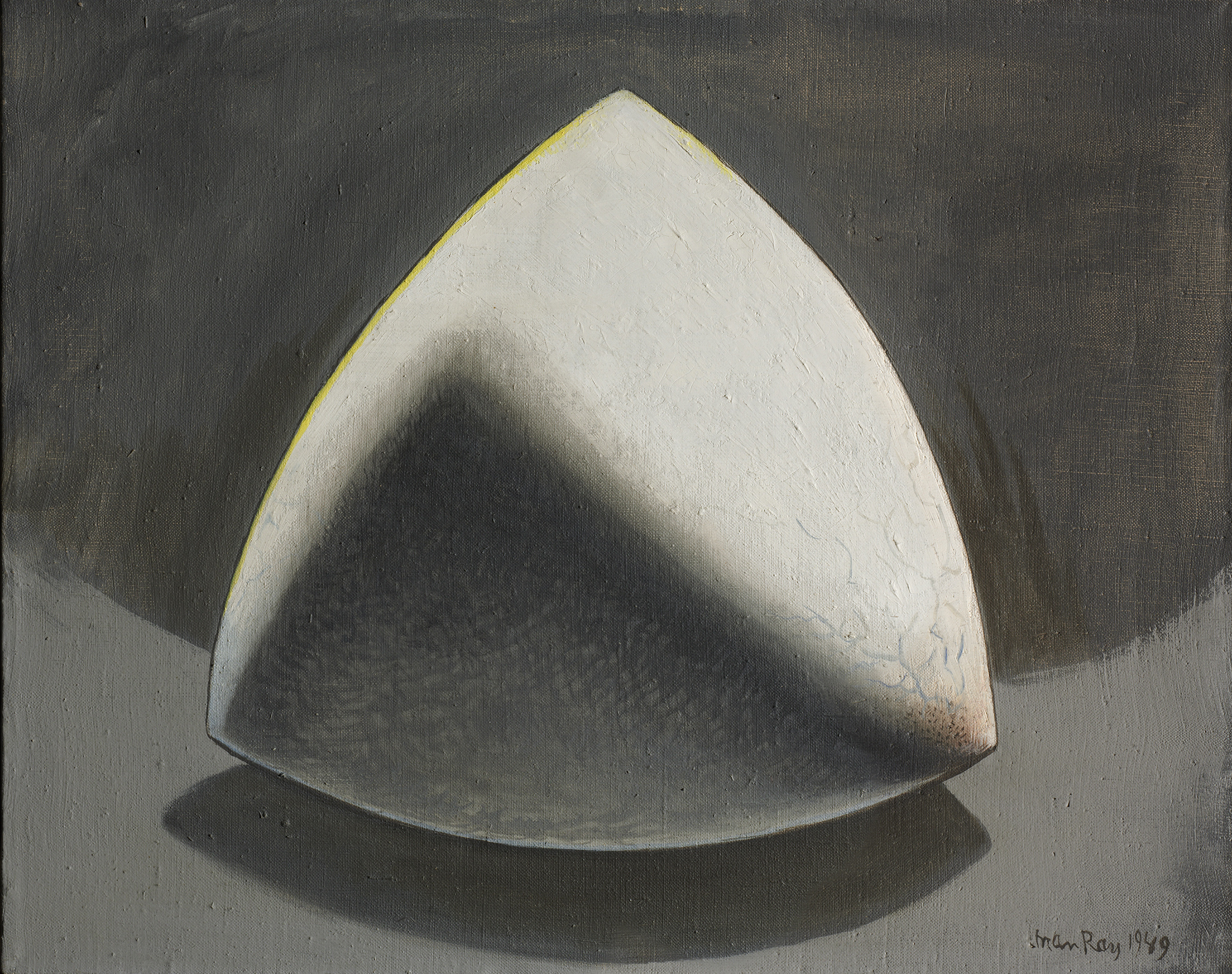
“Of course, there will always be those who look only at technique, who
ask “how”, while others of a more curious nature will ask “why”. Personally, I have always preferred inspiration to information.”
by Man Ray