drawing
771219446118449152
The phrase “Let art speak for itself” likely emerged from the broader philosophy that art should be experienced and interpreted directly by viewers, without requiring excessive explanation or commentary. It aligns with ideas from movements like Romanticism and Modernism, which emphasized the emotional, personal, or universal power of art.
Key Contexts for the Phrase:
1. Romanticism (18th-19th Century):
Romantic artists and thinkers believed in the innate ability of art to evoke emotions and connect directly to the human spirit, minimizing the need for verbal justification.
2. Modernism (late 19th-20th Century):
Modernist artists often rejected traditional rules and advocated for the autonomy of art. They believed that art could stand on its own without the constraints of narrative or explanation.
3. Art Criticism and Philosophy:
Thinkers like John Ruskin and Clement Greenberg contributed to the idea that art should be appreciated for its intrinsic qualities—form, texture, color—without relying heavily on external context.
By ChatGPT
769589126042353664
How to deal with an art copycat – ARTiful: painting demos
“Then you can choose to take the high road, consider that imitation is a form of flattery so to speak and decide to not spend too much energy on the issue. Publicize your art as much as you can and make it sure serious buyers and art galleries know that your style is genuinely yours. Copycats usually get tired after a while: after all there is not much personal satisfaction in copying and they will often go from copying one artist to copying another. What they are copying is also something you did in the past, and because you are the creative force behind the art that is being copied, you often moved on to the next step in your art journey being always one step ahead. You own the creative tools, they are just replicating an end product.”
769208981749137408
“Genuine individuals require no validation, while pretenders feel compelled to prove themselves.”
— Do Not Destroy
768464722471305216
“In stating that Abstract Art died of acute boredom, I meant boredom on the part of both public and artist. The public got bored because these things meant nothing to them, and they only went to see them in the first instance because they made them laugh. After a bit they became a stale joke. The artists’ boredom was of a more complicated order. I will endeavor to explain it.”
767607165315907584
Creating art can also have many benefits for the brain, including:
Activating the reward center: Making art can activate the brain’s reward center.
Lowering stress and anxiety: Making art can help lower stress and anxiety.
Promoting brain plasticity: The process of creating and appreciating art promotes brain plasticity, which can lead to cognitive flexibility and problem-solving skills.
Art therapy is a recognized form of treatment because engaging in a creative practice can help reduce symptoms of depression and PTSD.
767599952224534528

“I write about my own work because I want to speak for myself. I might not be the only authority, nor the best authority, but I want to participate in the writing of my own history. Why should artists be validated by outside authorities. I don’t like being paternalised and colonised by every Tom, Dick or Harry that comes along (male or female).” — Marlene Dumas
767523425768112128
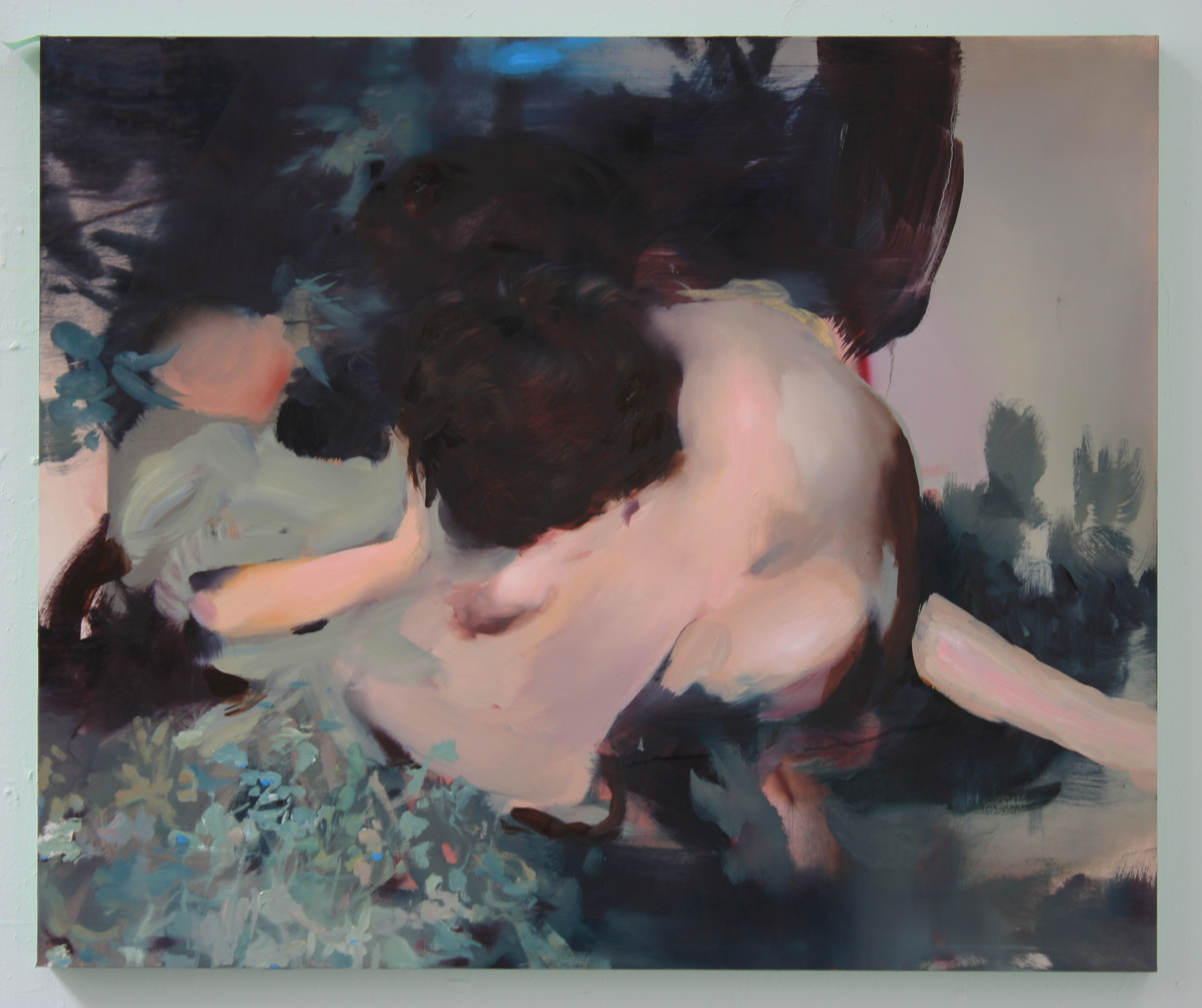
likeafieldmouse: Ambera Wellmann (2014)