figurative
160484649987
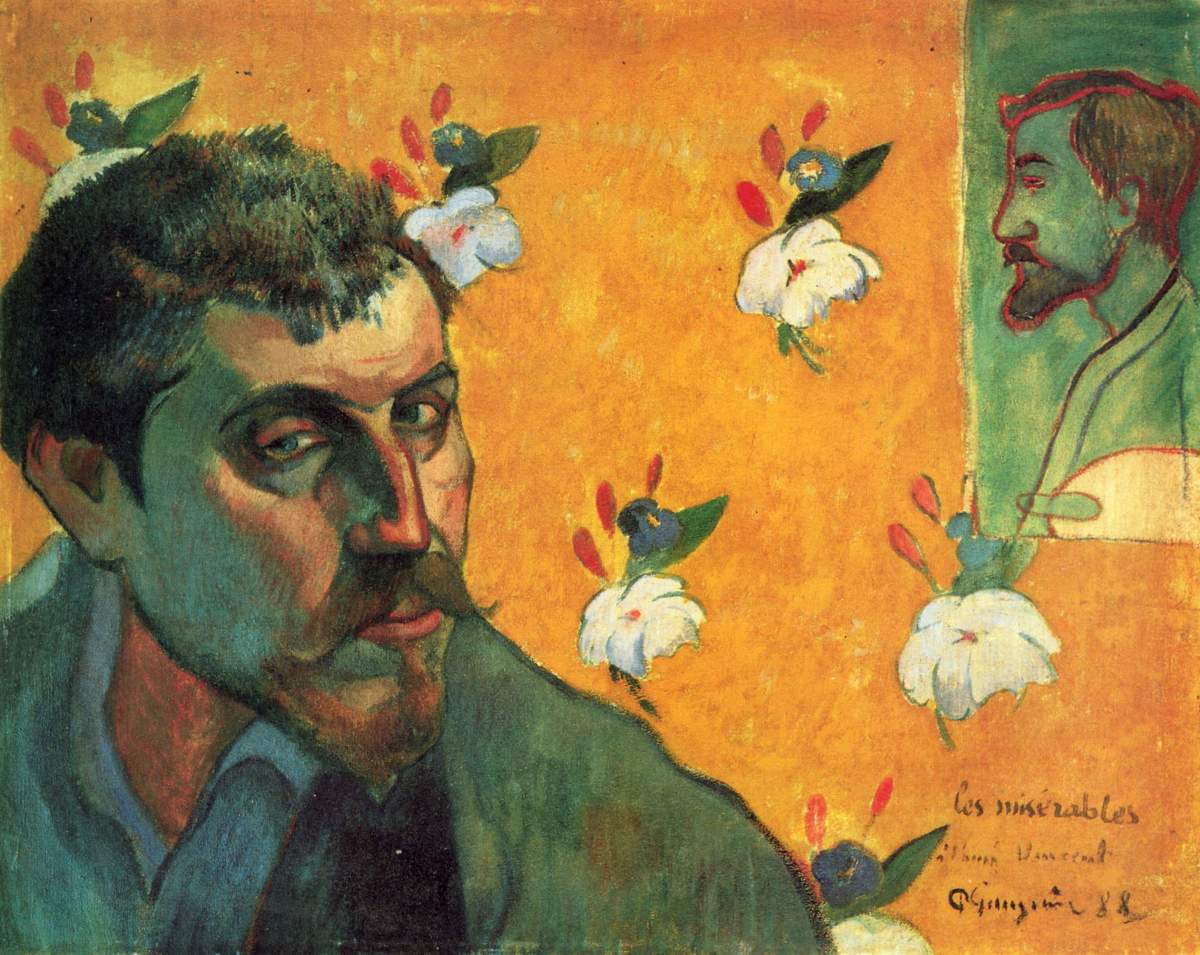
In the autumn of 1889, 41-year-old Gauguin received a distraught
letter from his young friend after a particularly harsh critical
reception of Bernard’s paintings. In a reply found in Paul Gauguin: Letters to His Wife and Friends (public library), the painter writes to his 21-year-old friend:
Your disconsolate letter reaches a countryside as
sorrowful. I understand the bitterness which sweeps over you at the
foolish reception of you and your works… What would you rather have? a
mediocrity which pleases everybody or a talent which breaks new ground.
We must choose if we have free will. Would you have the power of choice
if choosing leads to suffering — a Nessus shirt which sticks to you and
cannot be stripped off? Attacks on originality are to be expected from
those who lack the power to create and shrug their shoulders.
As for me, I own myself beaten — by events, by men, by
the family, but not by public opinion. I scorn it and I can do without
admirers. I won’t say that at your age I was like this, but by the
exertion of sheer will power, that is what I am like to-day. Let them
study carefully my last pictures and, if they have any feelings at all,
they will see what resigned suffering is in them — a cry wrung from the
heart… But you, why do you suffer, too? You are young, and too early you
begin to carry the cross. Do not rebel; one day, you will feel a joy in
having resisted the temptation to hate, and there is truly intoxicating
poetry in the goodness of him who has suffered.
156301316252
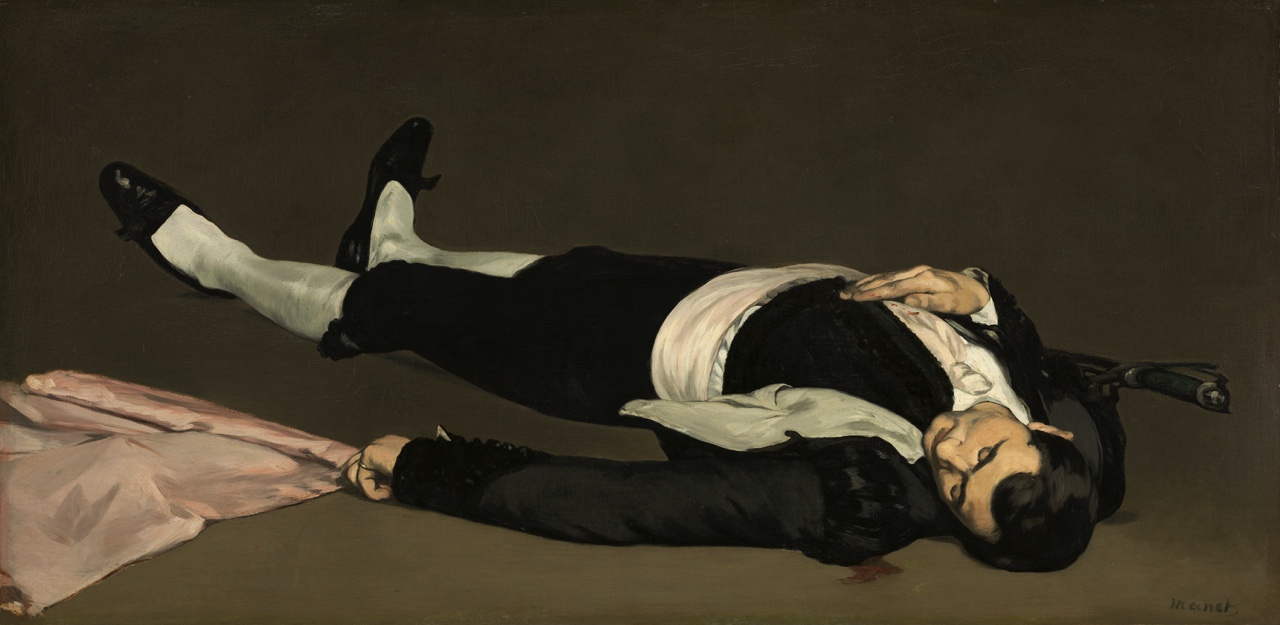
“It is not enough to know your craft – you have to have feeling. Science is all very well, but for us imagination is worth far more.”
The Dead Bullfighter
1864-1865, oil on canvas
76 × 153.3 cm (29.9 × 60.4 in)
by Édouard Manet
154717313792
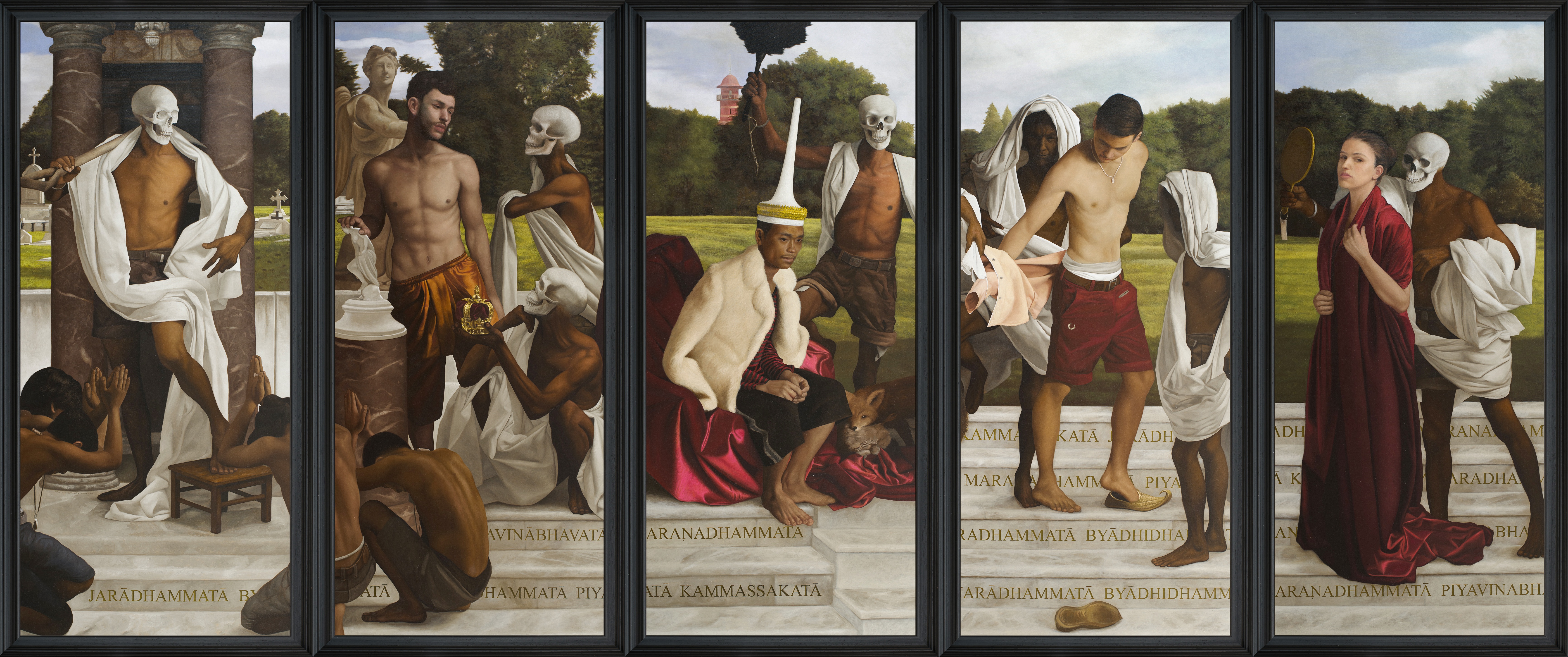
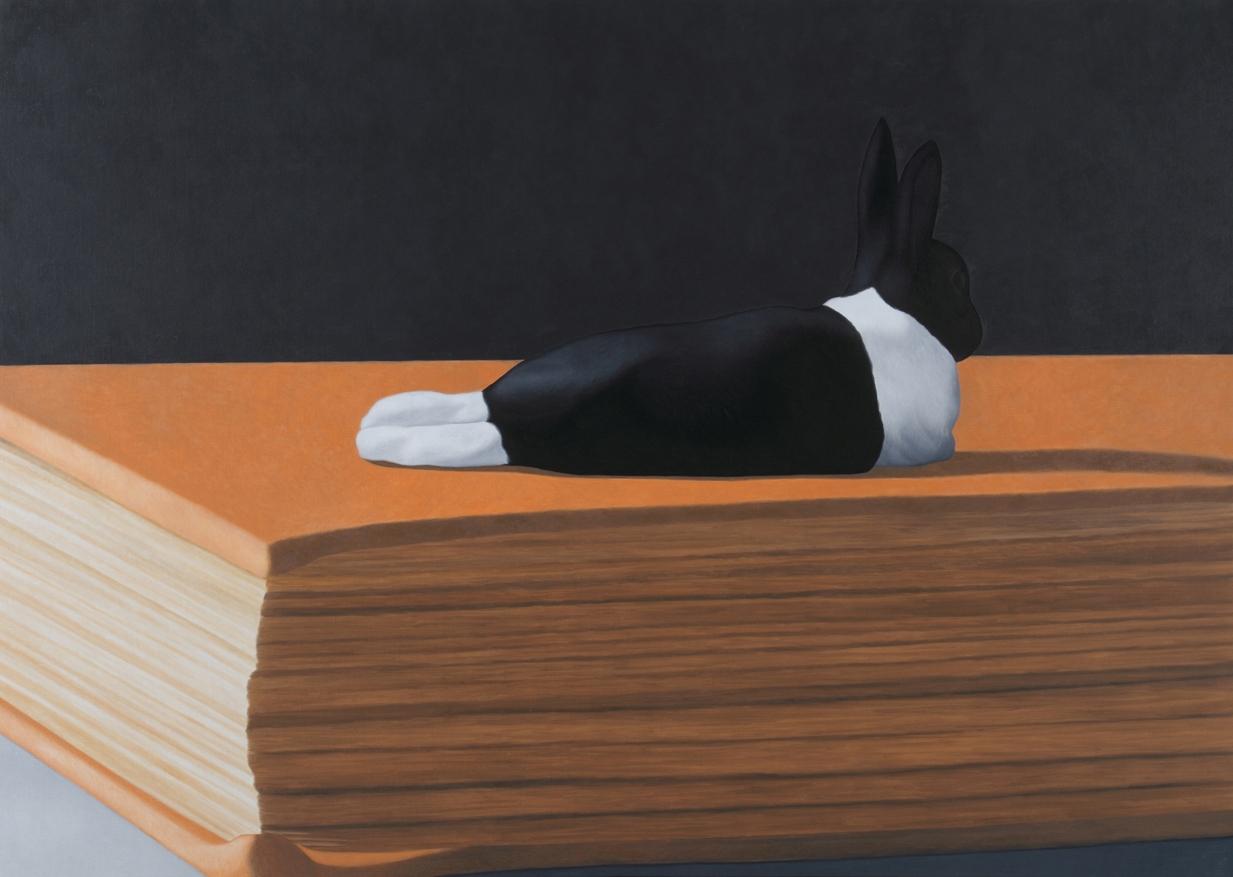
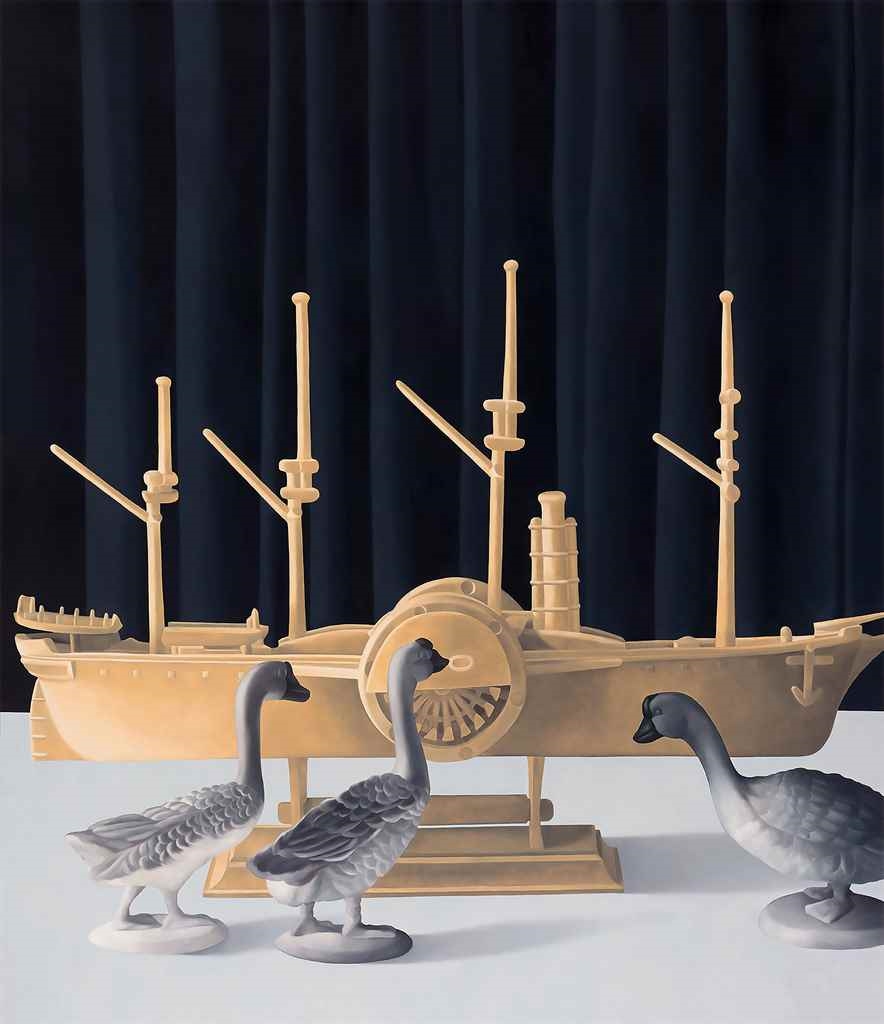
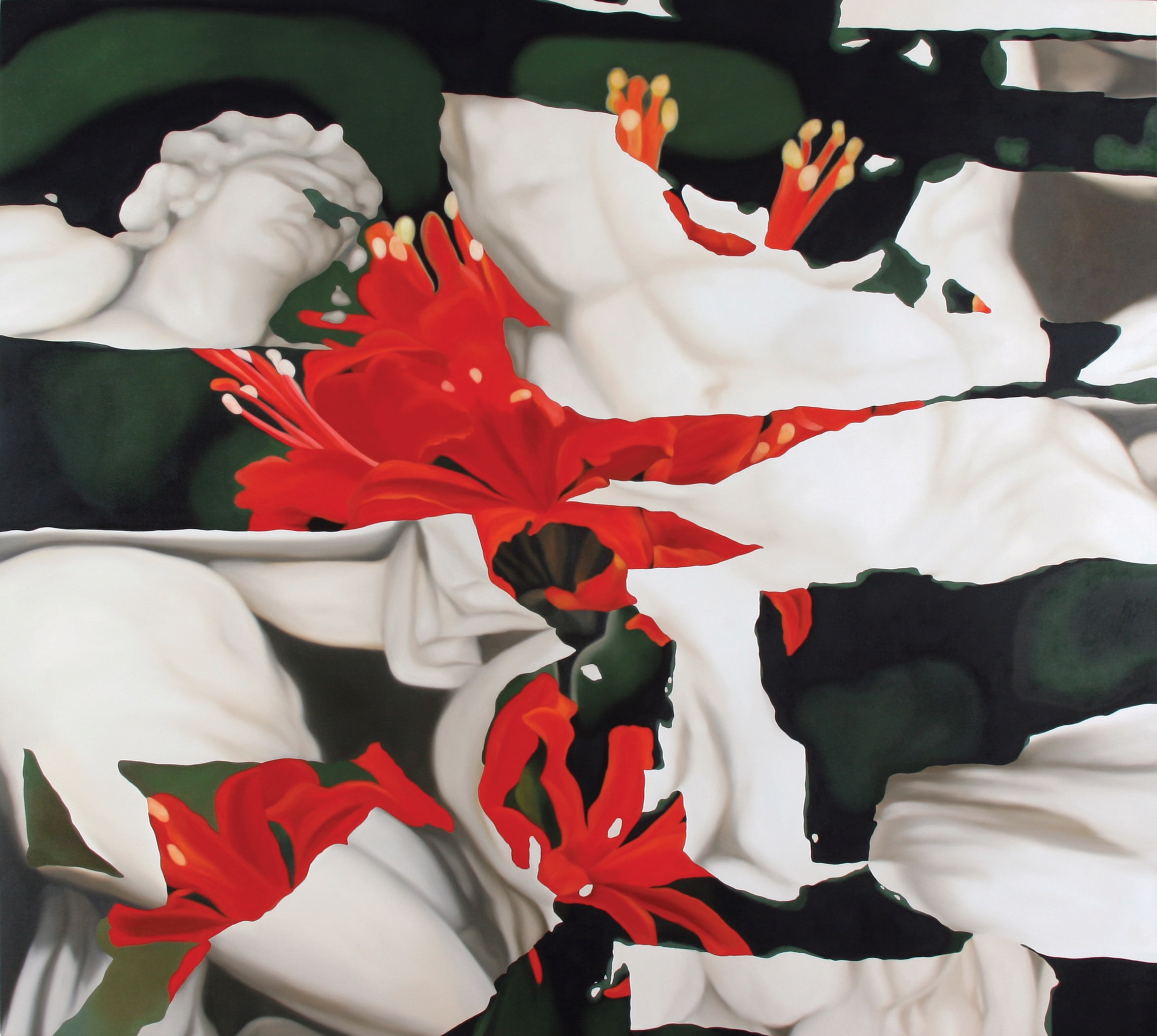
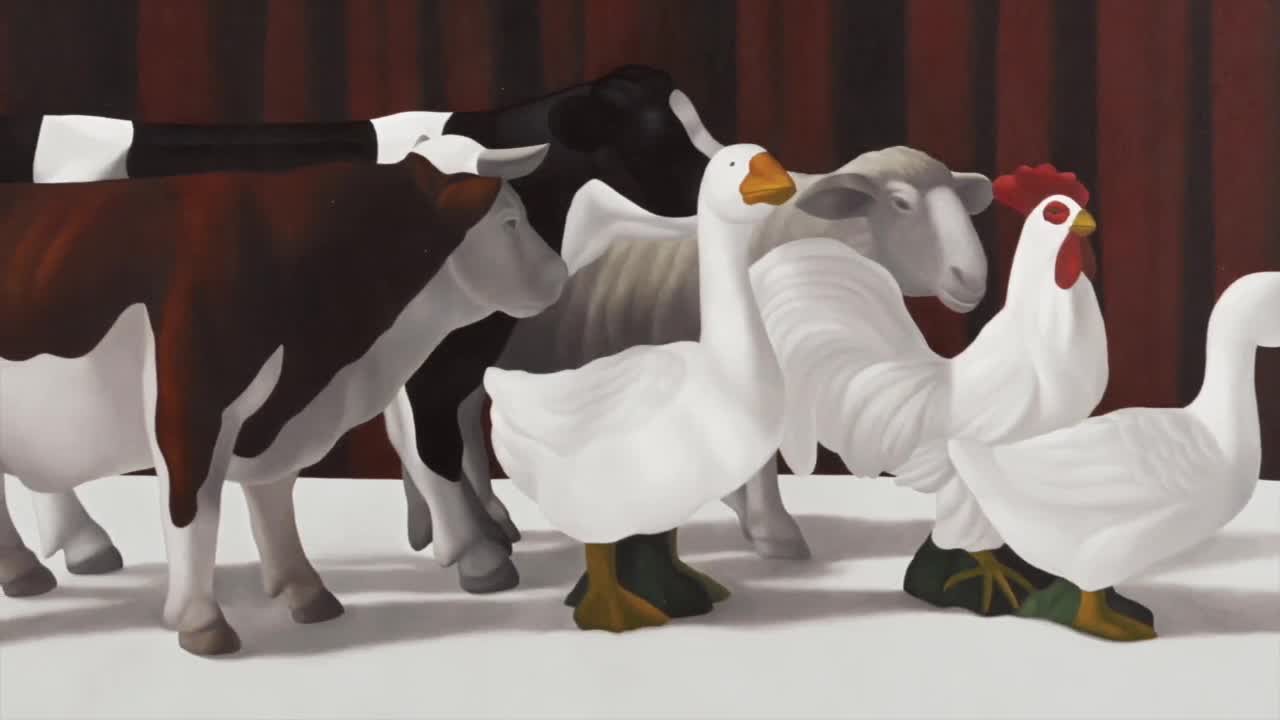
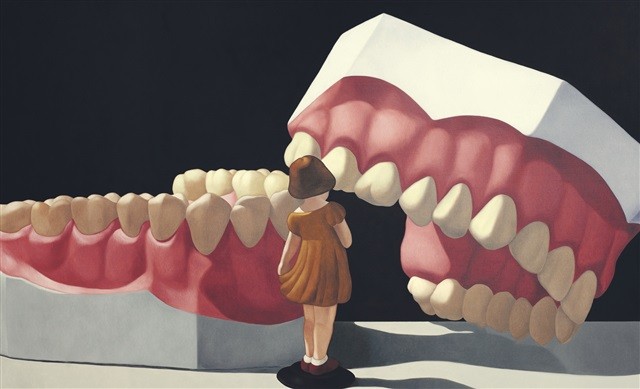
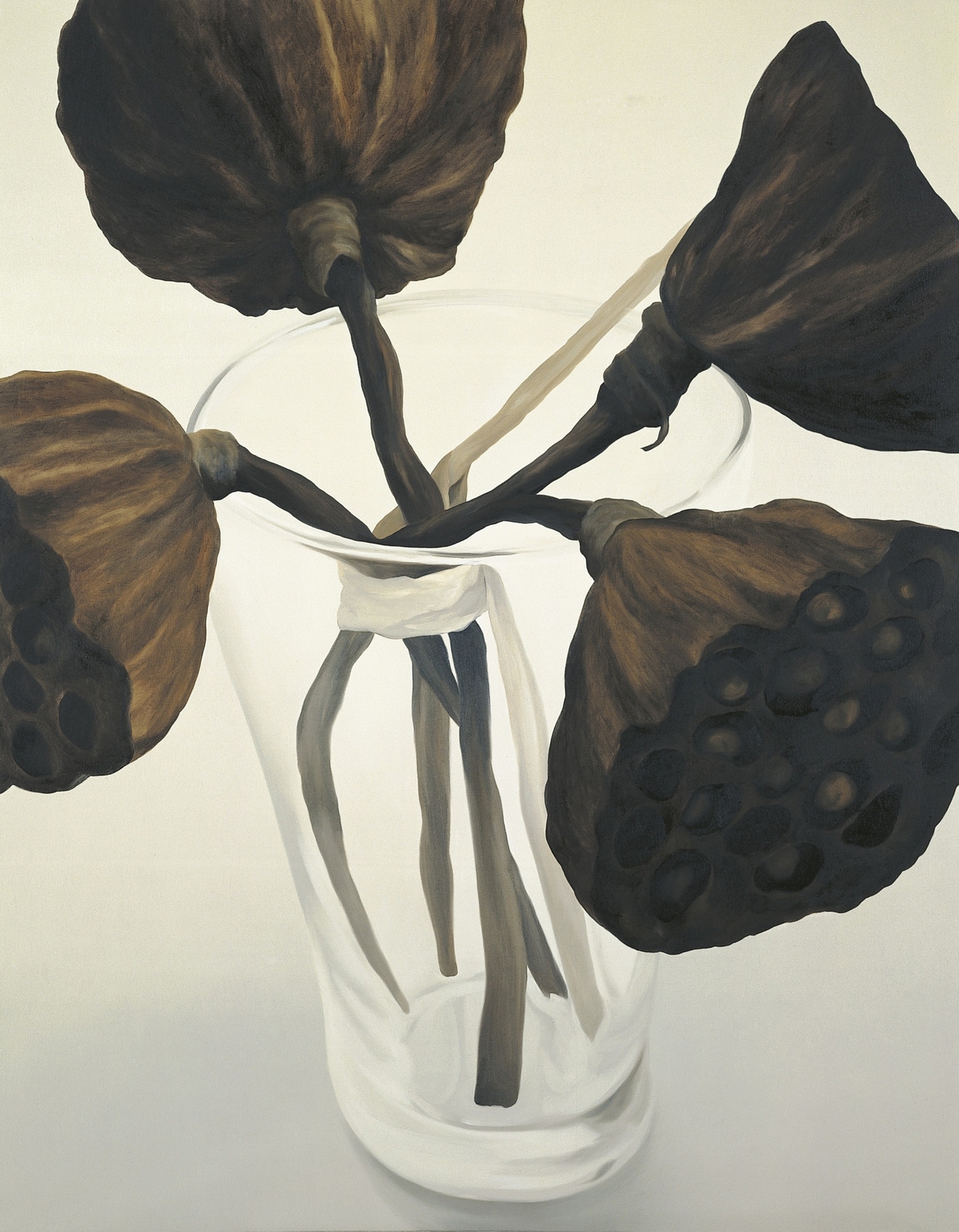
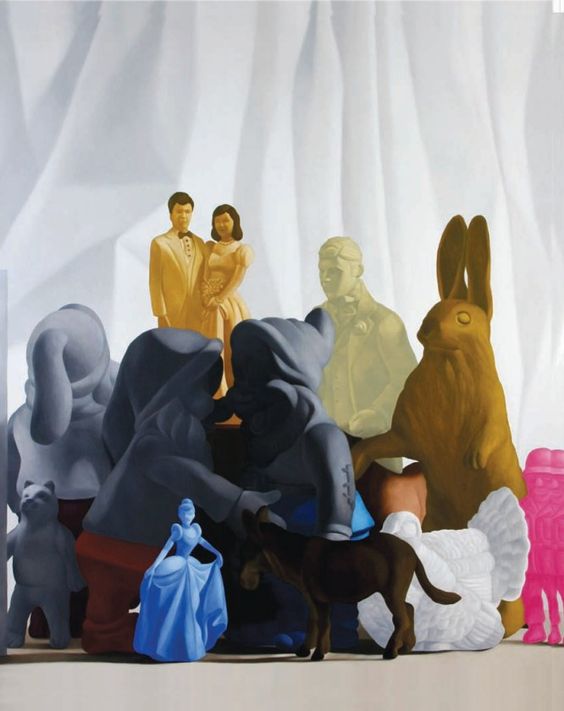
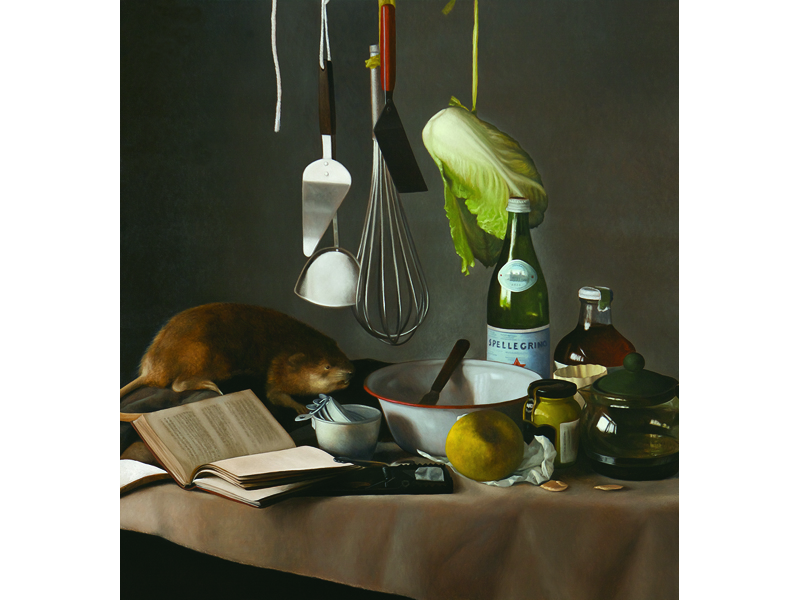
by Natee Utarit
152417751037
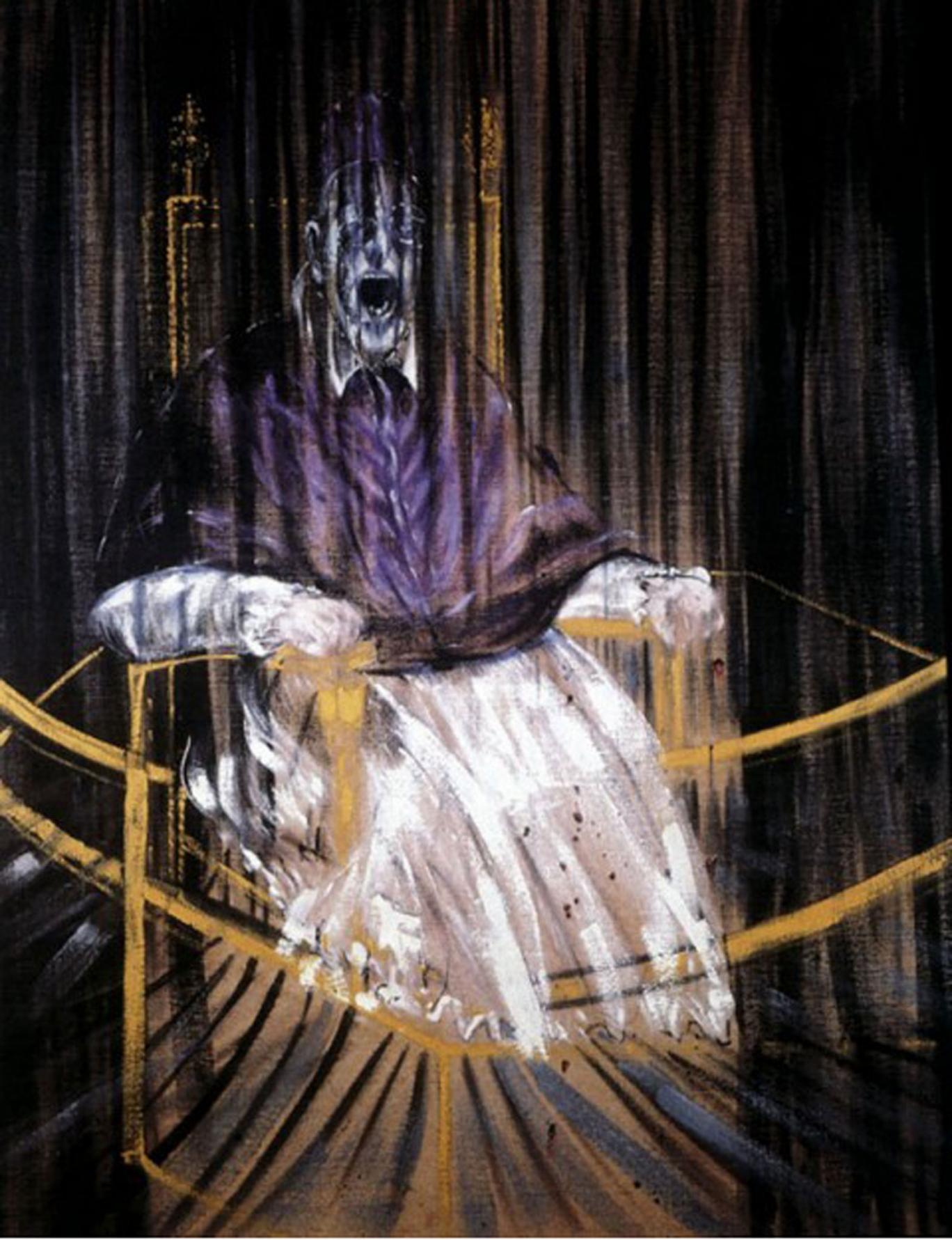
“In my case all painting… is an accident. I foresee it and yet I hardly
ever carry it out as I foresee it. It transforms itself by the actual
paint. I don’t in fact know very often what the paint will do, and it
does many things which are very much better than I could make it do.”
Study after Velázquez’s Portrait of Pope Innocent X, 1953, by Francis Bacon
152289855077
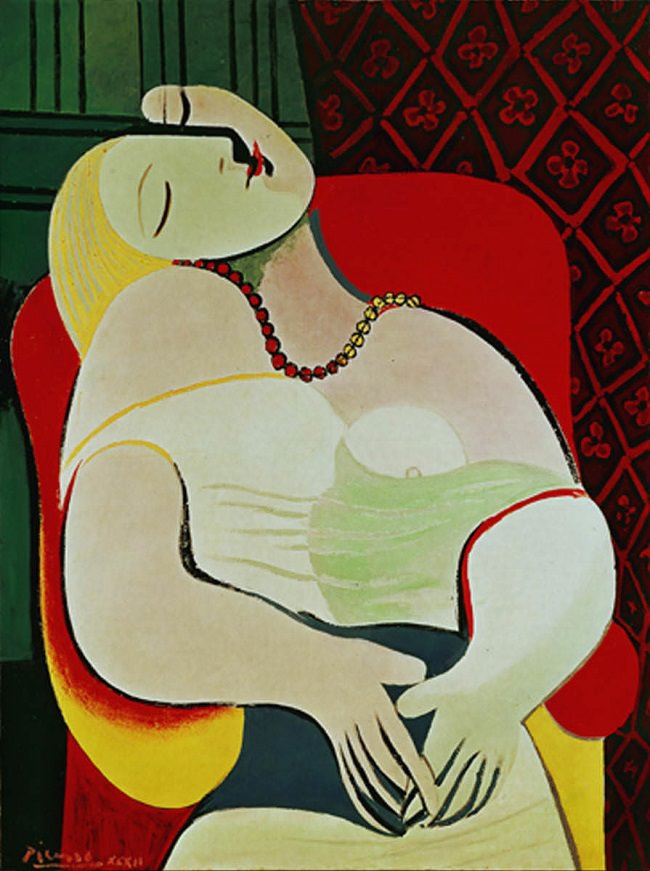
“Art is a lie that makes us realize truth.”
The Dream by Pablo Picasso (25 October 1881 – 8 April 1973)
150203731437
149972648927
149496814392
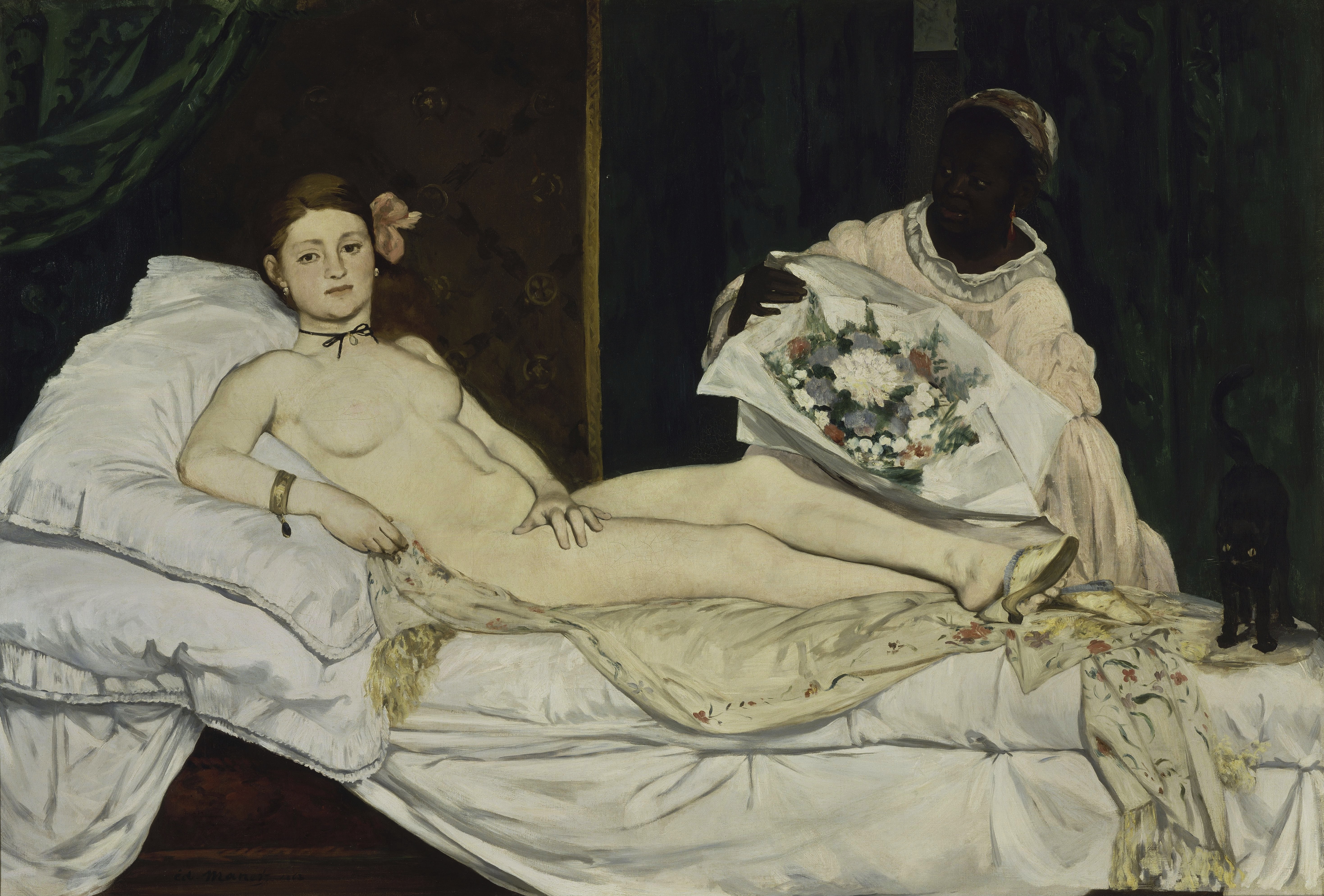
Olympia, 1863 by Edouard Manet
Though Manet’s The Luncheon on the Grass (Le déjeuner sur l’herbe) sparked controversy in 1863, his Olympia stirred an even bigger uproar when it was first exhibited at the 1865 Paris Salon. Conservatives condemned the work as “immoral” and “vulgar.”[1] Journalist Antonin Proust later recalled, “If the canvas of the Olympia was not destroyed, it is only because of the precautions that were taken by the administration.” The critics and the public condemned the work alike. Even Émile Zola was reduced to disingenuously commenting on the work’s formal qualities rather than acknowledging the subject matter, “You wanted a nude, and you chose Olympia, the first that came along”.[9] He paid tribute to Manet’s honesty, however, “When our artists give us Venuses, they correct nature, they lie. Édouard Manet asked himself why lie, why not tell the truth; he introduced us to Olympia, this fille of our time, whom you meet on the sidewalks.”[10]
148064463124
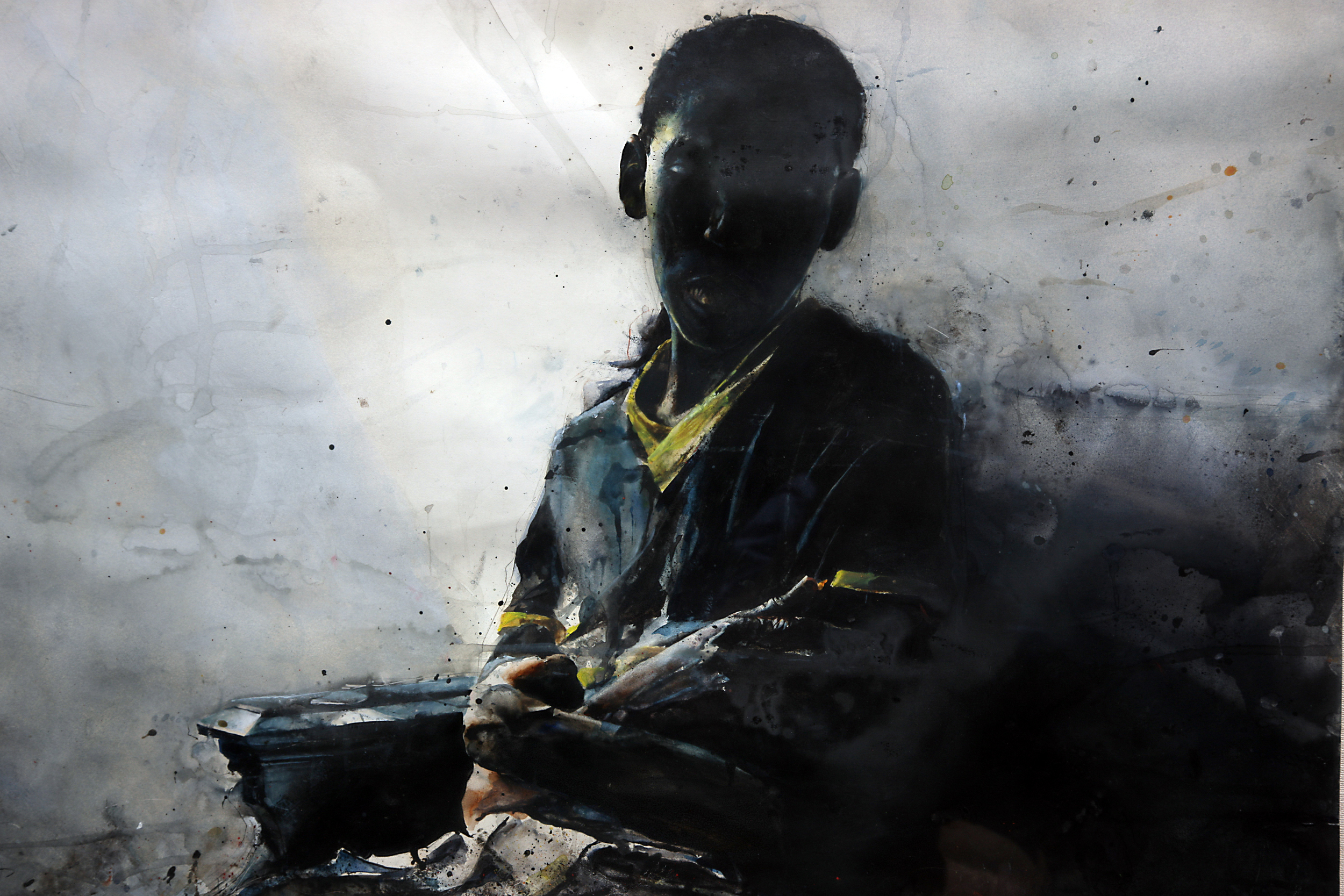
147813149152
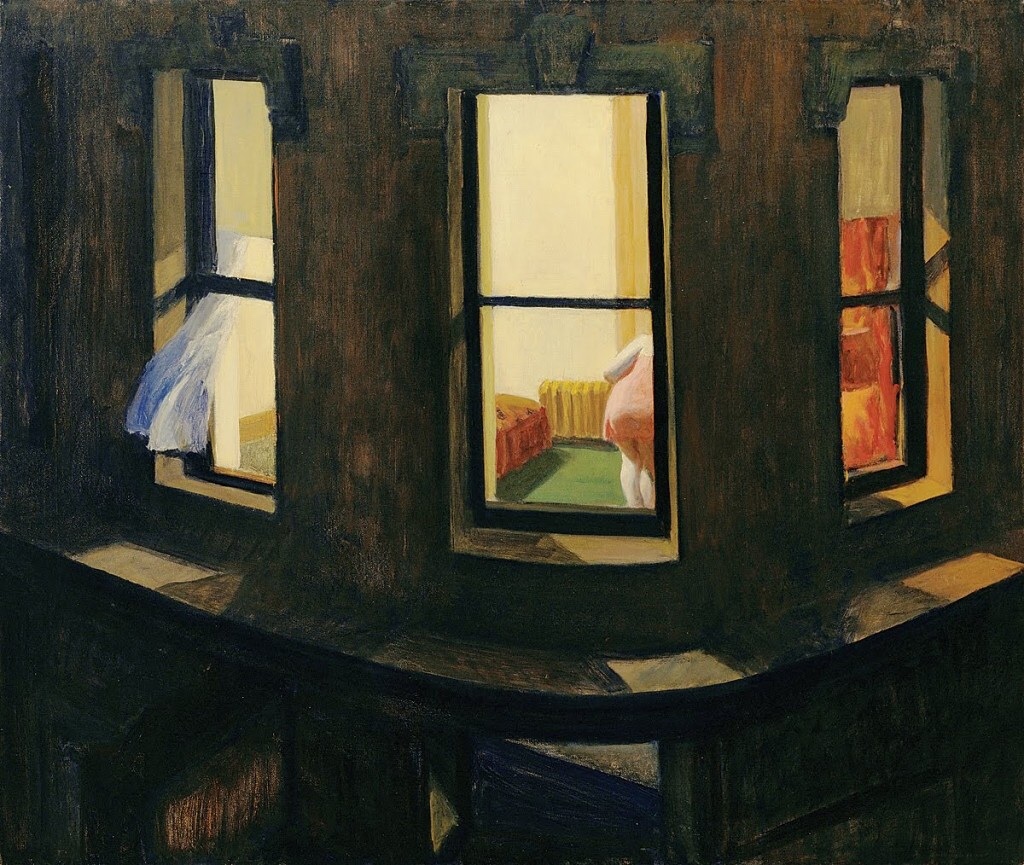
“No amount of skillful invention can replace the essential element of imagination.”
Night Windows by Edward Hopper (July 22, 1882 – May 15, 1967)
147661067812
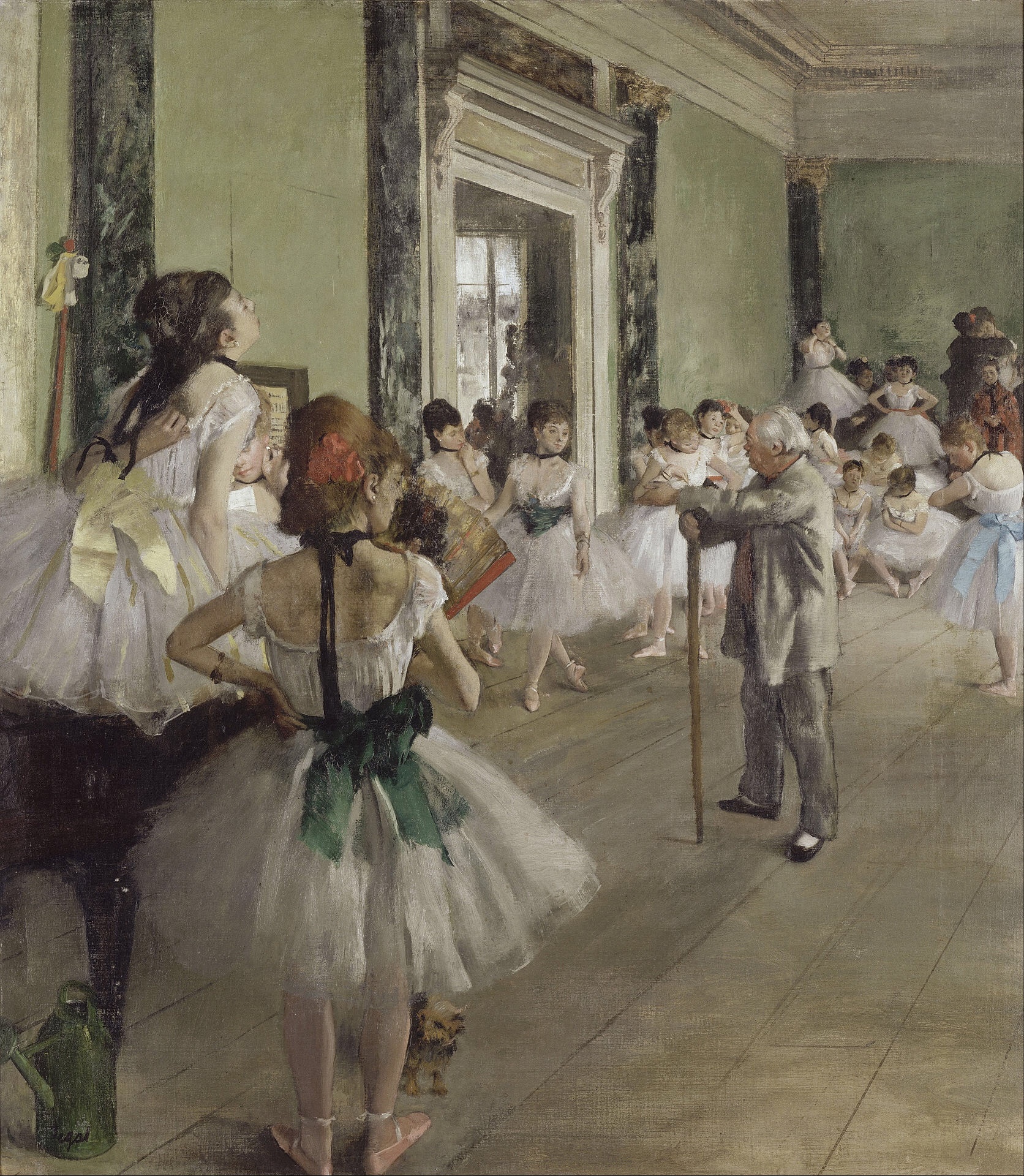
“no art was ever less spontaneous than mine. What I do is the result of reflection and of the study of the great masters; of inspiration, spontaneity, temperament, I know nothing.”
The Dance Class (La Classe de Danse), 1873–1876, oil on canvas, by Edgar Degas
146912387240
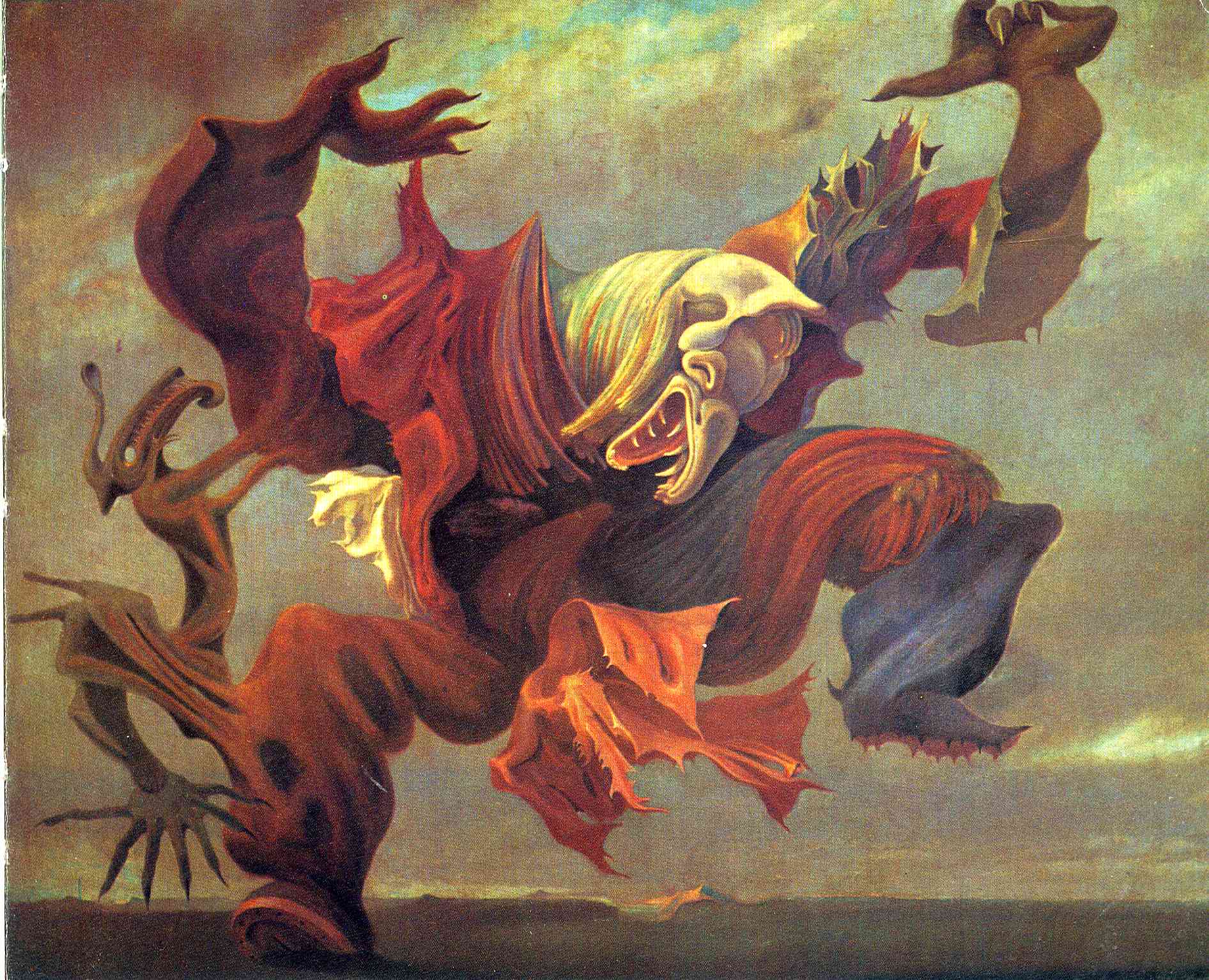
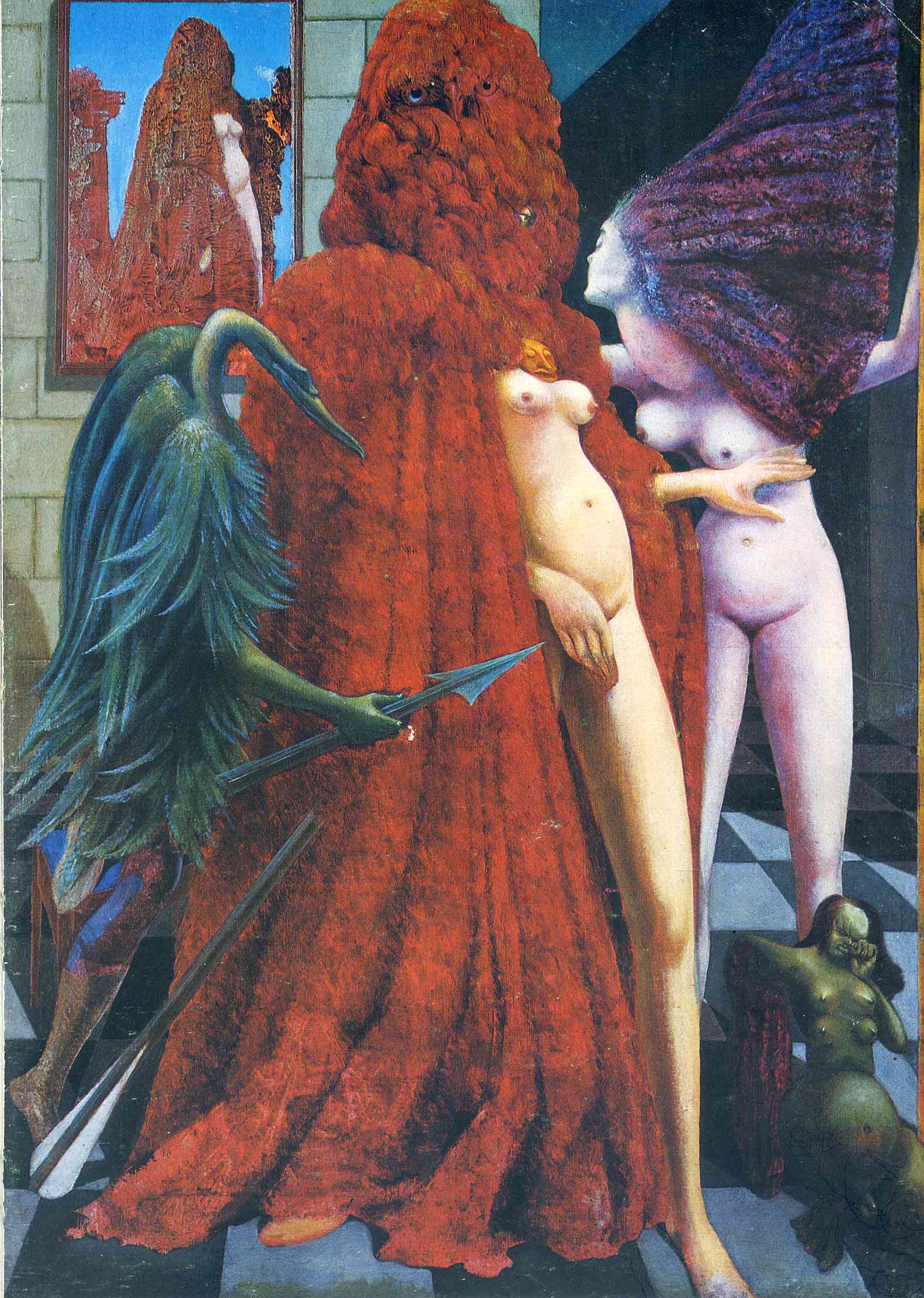
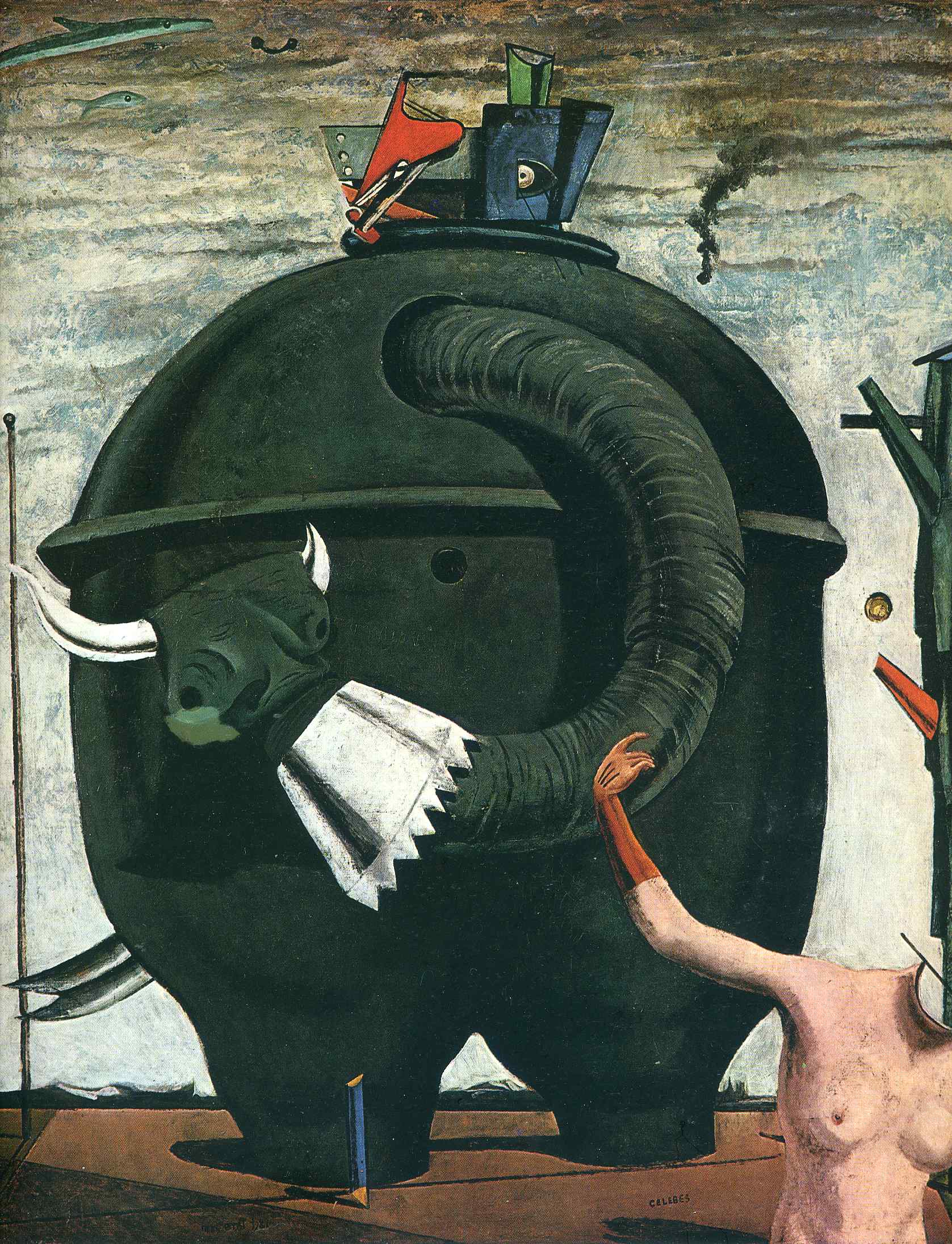
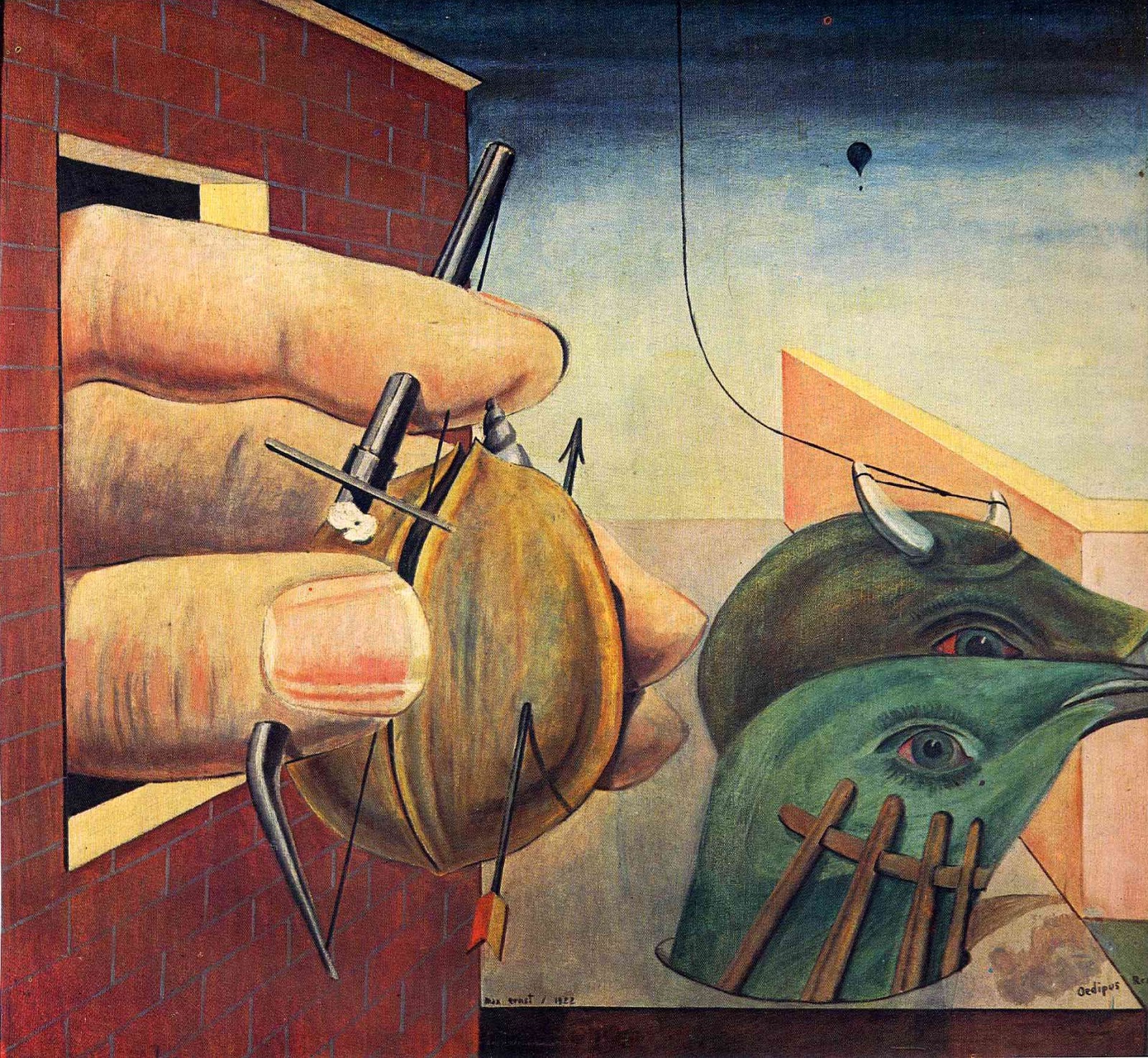
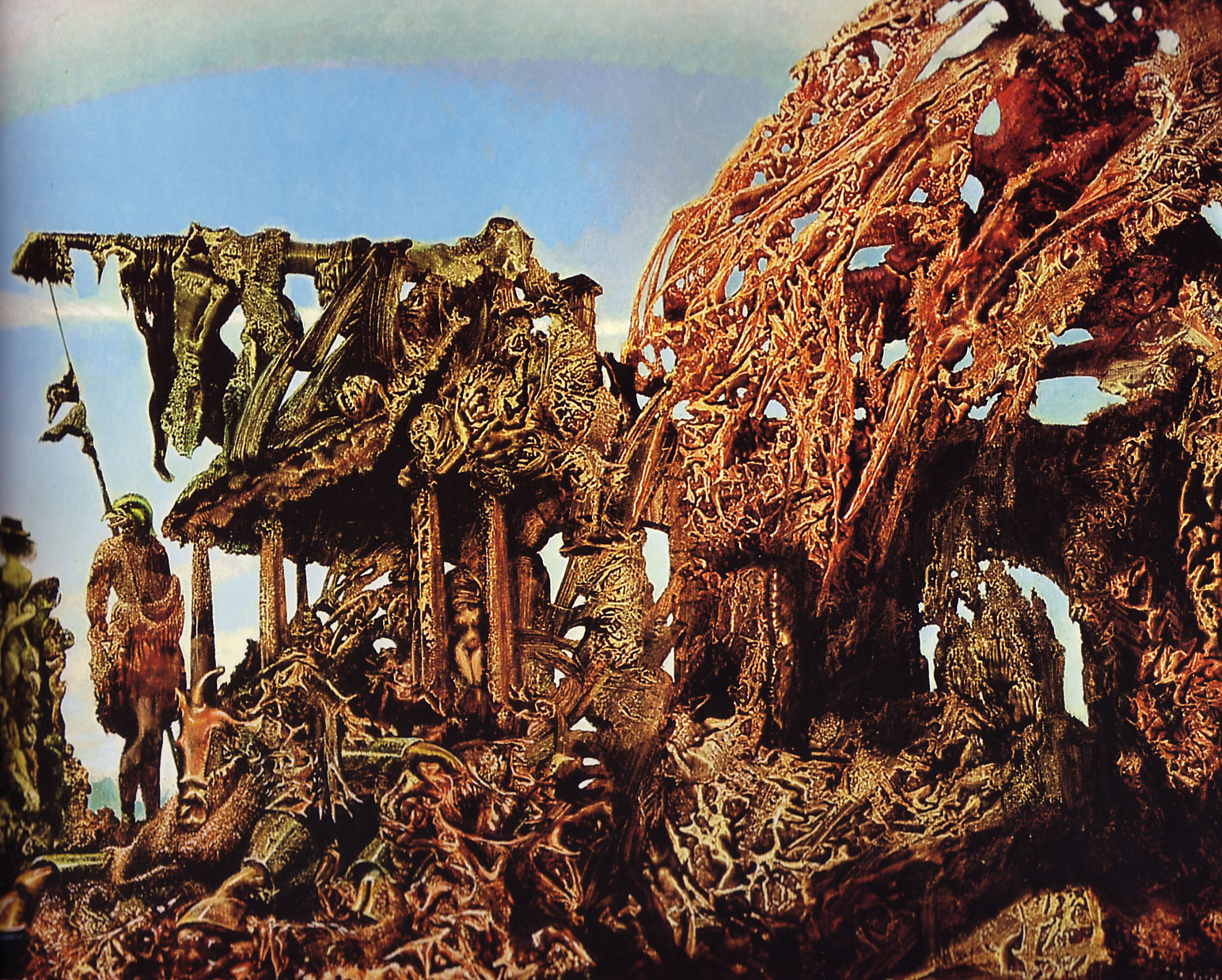
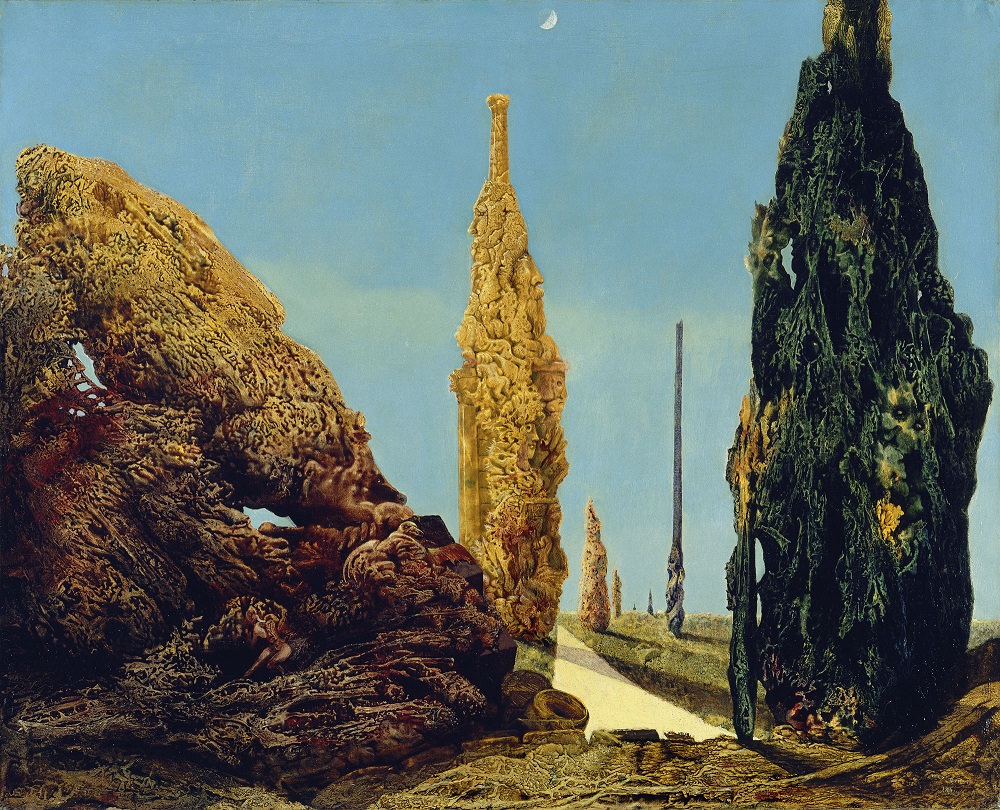
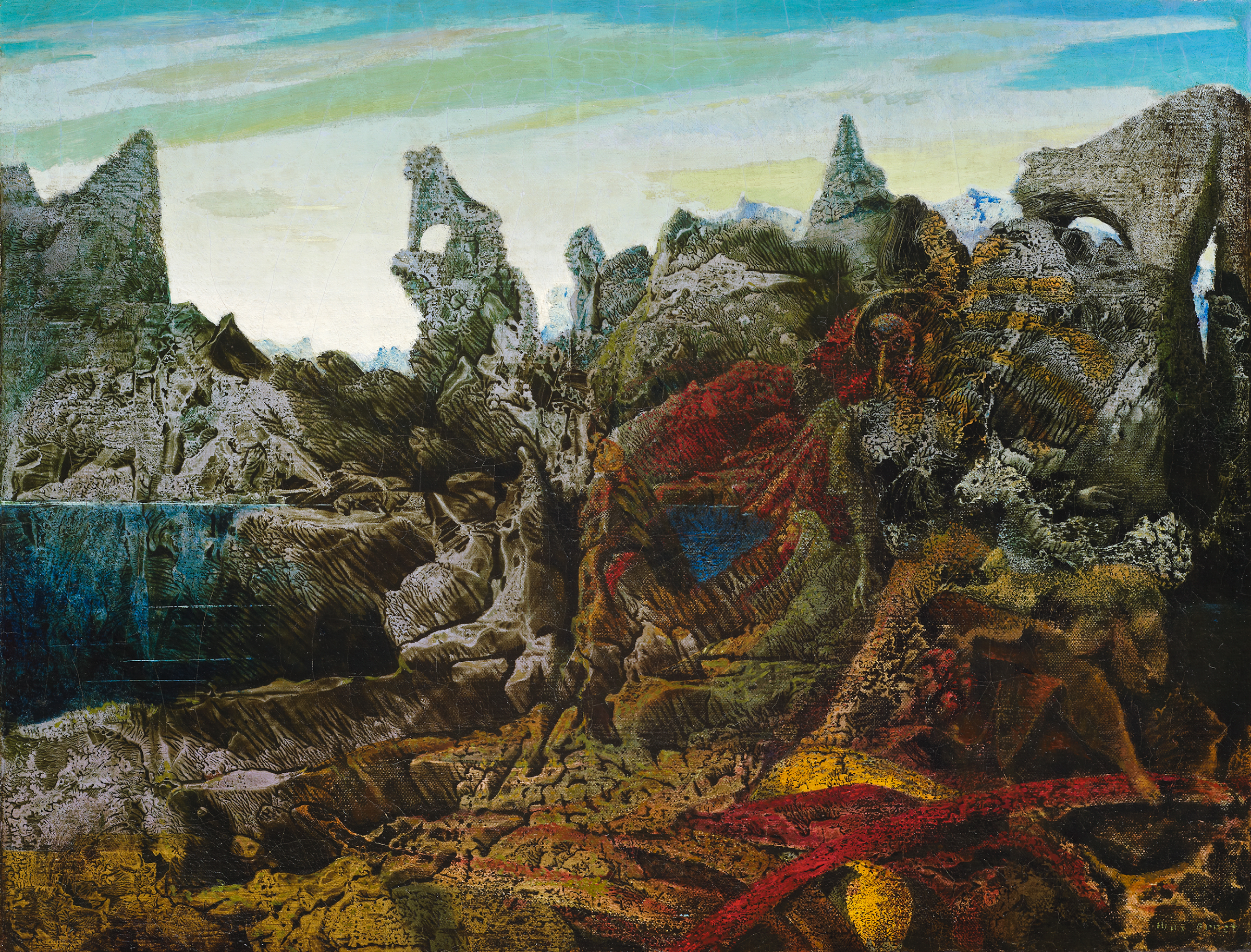
“Art has nothing to do with taste. Art is not there to be tasted”
― by Max Ernst
146622809417
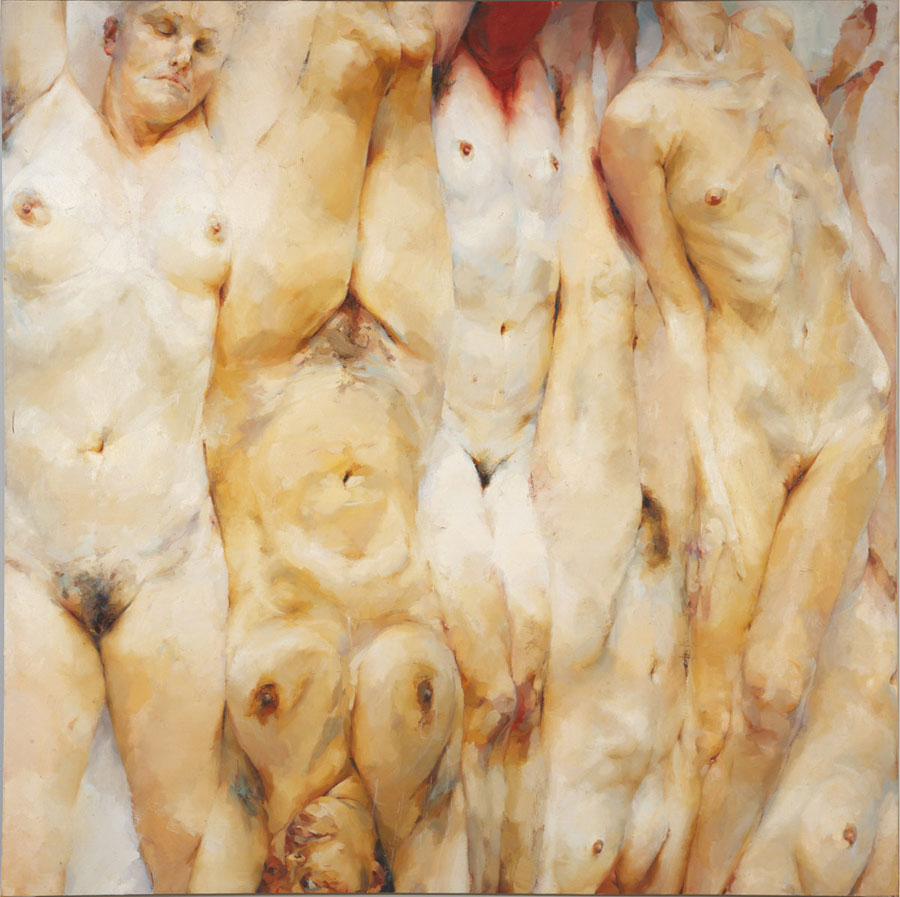
Shift by Jenny Saville