“In May of 2022, the FDA deauthorized the use of 23 phthalates in food packaging, following a petition. Six of those chemicals – dimethyl phthalate, diethyl phthalate, diisobutyl phthalate, dibutyl phthalate, benzylbutyl phthalate and didecyl phthalate – were detected in the Filet-O-Fish box tested by Symbio Laboratories. All six chemicals have been linked to an increased risk of impaired male reproductive development. Or, as Fuck McDonald’s puts it, they’ll ‘super-shrink a peen’.”
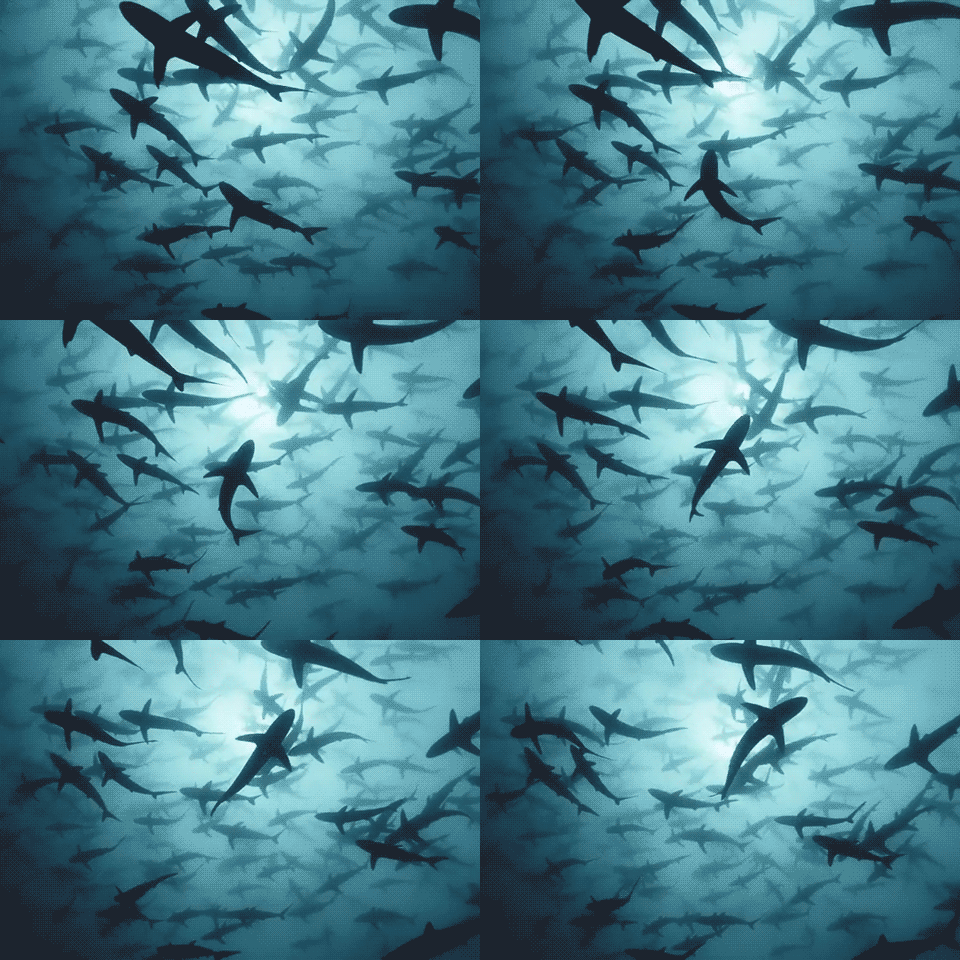
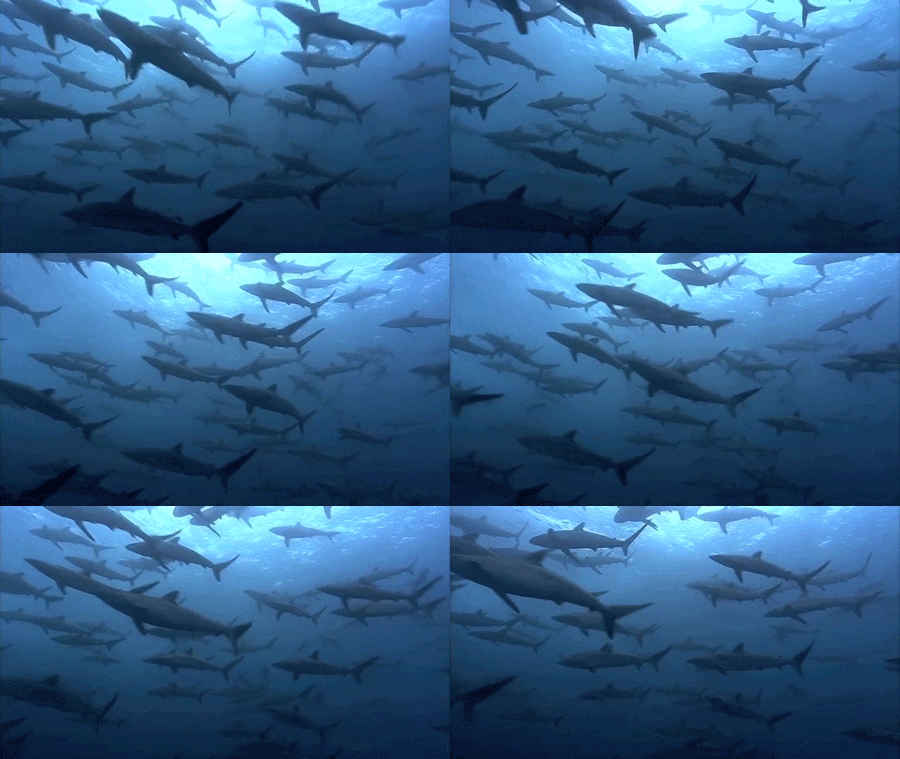
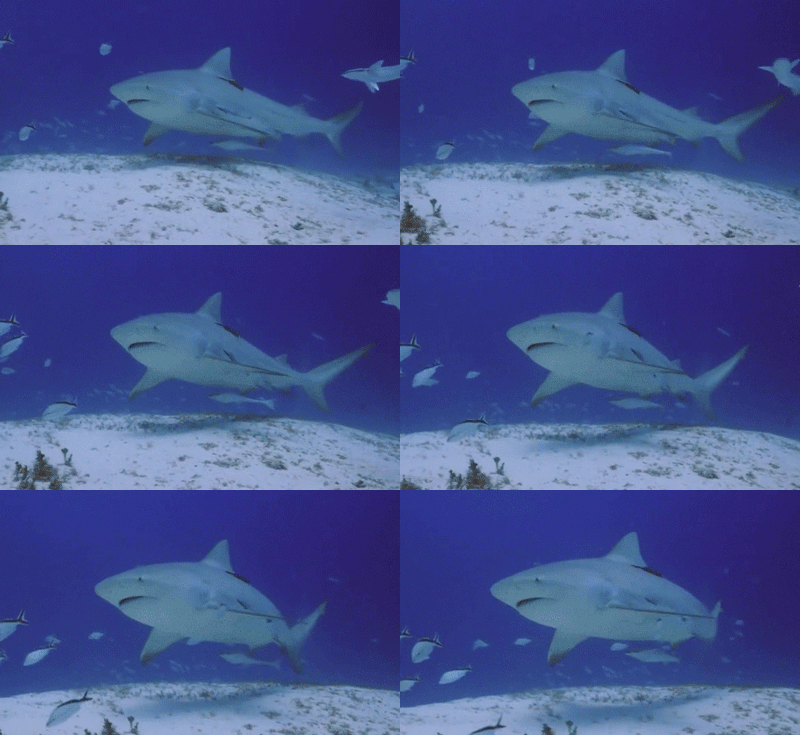
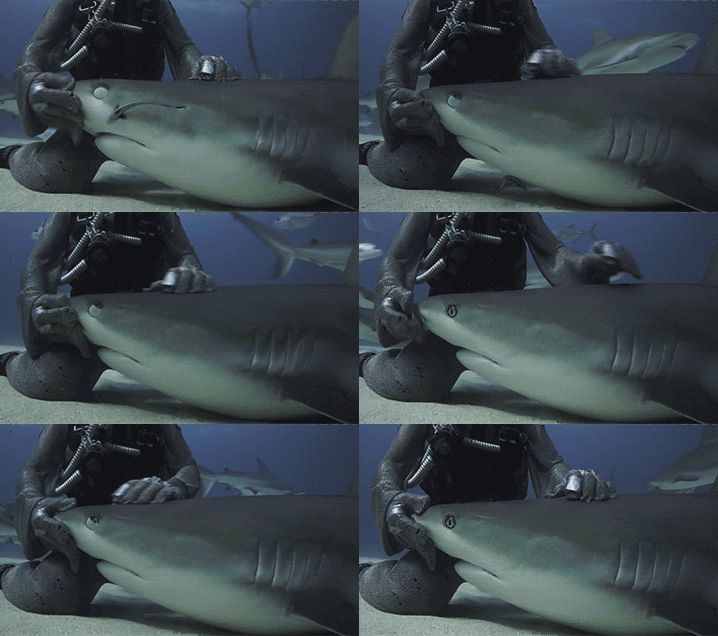
For too long, sharks have been portrayed and perceived as the menacing, lurking creatures in the deep. Contrary to popular belief, we are much more of a threat to them than they are to us.
Researchers have found that the ominous music that often accompanies even documentary footage of them has inspired excessive fear about sharks.
In an experiment at UC San Diego, participants watched footage of sharks. Some scenes featured uplifting music, and others had a more daunting score.
The effect was what you might expect. Viewers saw sharks as intimidating creatures when they they also heard ominous music.
But with uplifting music (or none at all), viewers had a more positive impression of sharks.
This is problematic because rarely do we see shark footage without the ominous music, and the negativeportrayals of sharks may be hindering conservation efforts.
“We know from prior research that conservation progress for sharks is sluggish compared to marine mammals and that this slow response may be due in part to the societal marginalization of sharks,” says study co-author Elizabeth Keenan.
After all, in the words of Senegalese conservationist Baba Diou, “we will conserve only what we love.”
And while they’re still not exactly a furry, cuddly rabbit, consider this: you’re more likely to be struck by lightening than fall prey to a fatal shark attack.