full moon
794124912781639680
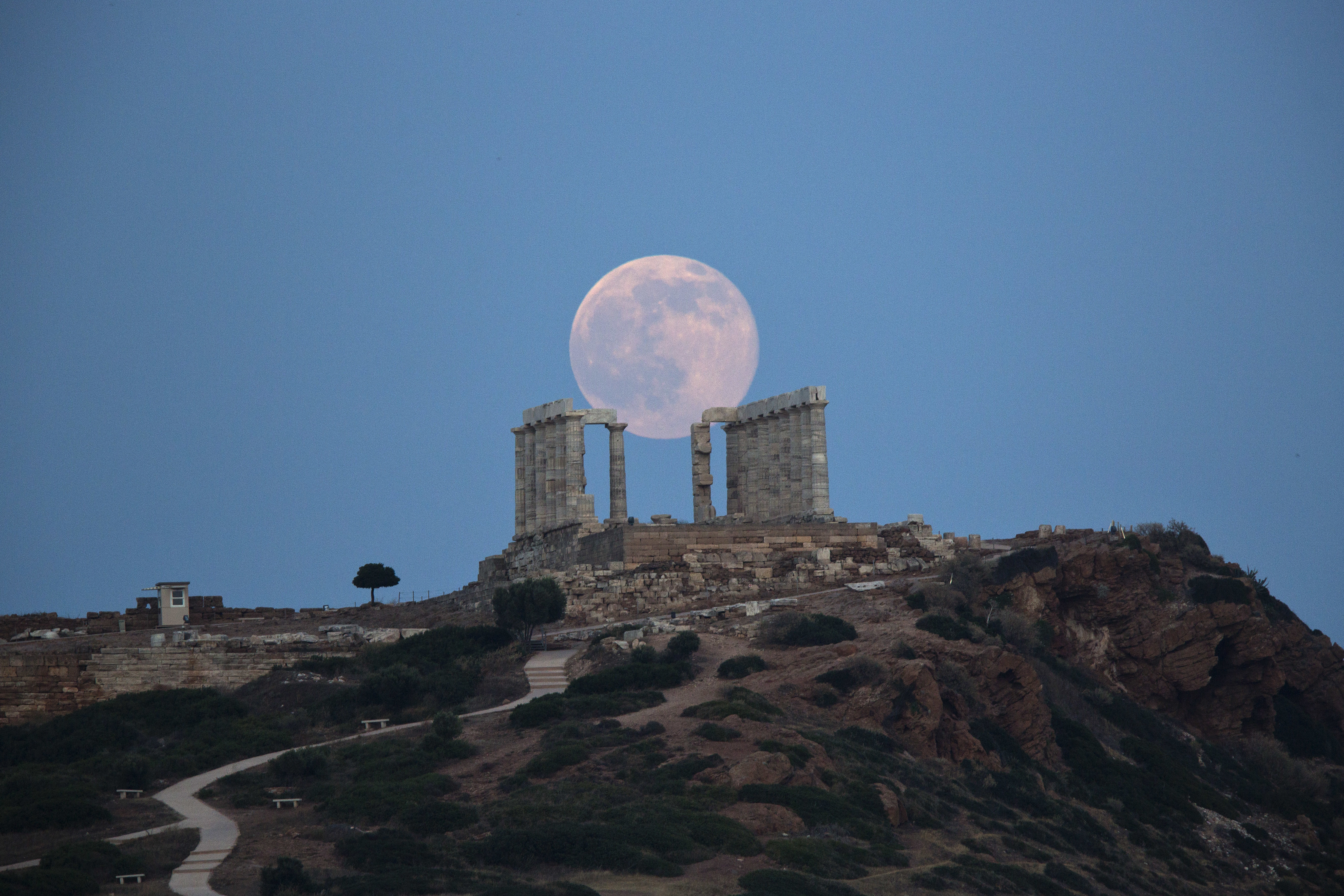
The full moon rises behind the columns of the ancient marble Temple of Poseidon at Cape Sounion, southeast of Athens, on the eve of the summer solstice on June 20, 2016. The temple located on a promontory at Cape Sounion, about 70km (45 miles) south-southeast of Athens, built 444 BC, and dedicated to Poseidon, god of the sea. (AP Photo/Petros Giannakouris).
775116234871209984

‘howl’
712359178378838016
668510234982105088
143497571756
125509773867
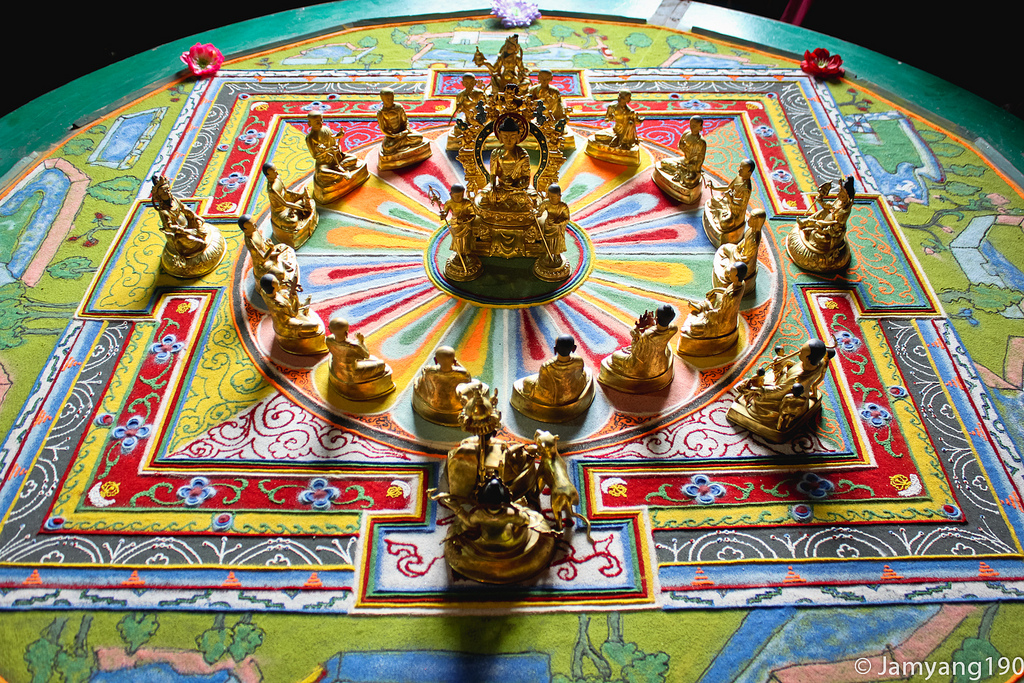
วันเข้าพรรษา (Vassa or Buddhist Lent)
Following
the full moon day in July is the beginning of Buddhist lent, which the
Buddha assigned to all of his disciples. It is said that Buddhist monks
traveled in every season, especially in the rainy season, when sometimes
they accidentally stepped on young plants and insects. People
complained about this matter and so the Buddha called the monks to a
gathering and said, “Behold monks, I grant you all to stay in the
monastery in the rainy season.”
The commentary says that there are two forms of the
Buddhist lent; 1. The first one is directly after the full moon day of
July. 2. The second one is after the new moon day or a month after the
original day.
The regulation is that all monks have to stay in the temple for three
months, they are not supposed to over night anywhere during this time.
If, for some unavoidable reason they have to travel, they must catch
dawn in the temple. In the case of extreme emergencies or absolutely
necessary journeys, they may be away for seven days, before their
return.
There is an ancient tradition that the monks repeat three times
saying “I stay in this monastery for three months” this is the Buddhist
lent as proclaimed by the Buddha.
Photo: