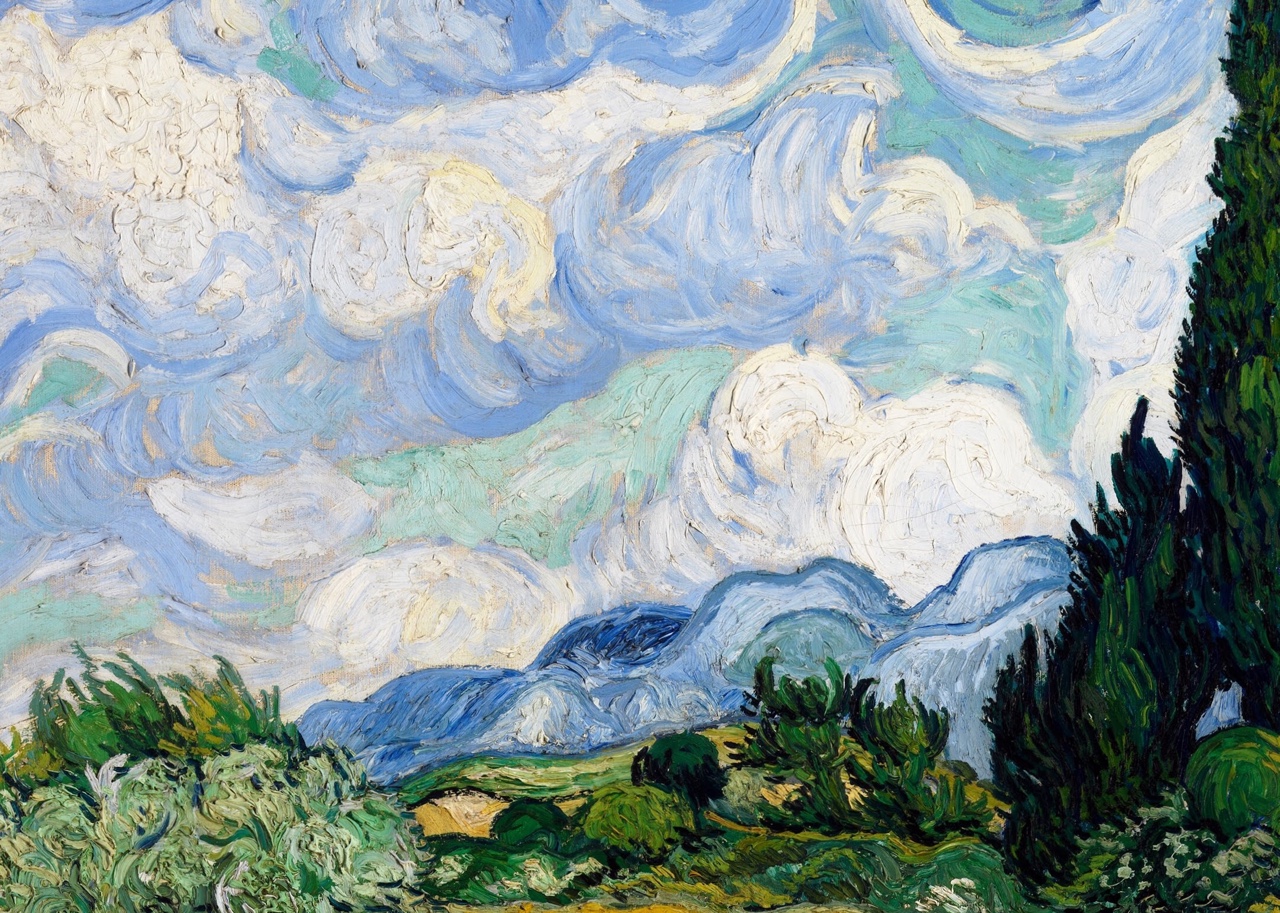
“The difference between an artist who finds sales and someone like Vincent van Gogh, who never did, is that van Gogh quietly changed the world—while others simply passed through it.”
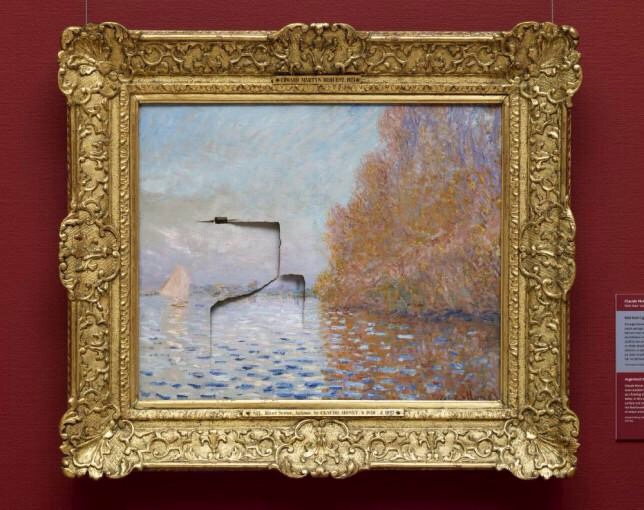
“Impressionism was the name given to a certain form of observation when #Monet, not content with using his eyes to see what things were or what they looked like as everybody had done before him, turned his attention to noting what took place on his own retina (as an oculist would test his own vision).”
JohnSingerSargent The Black Brook c.1908 Oil paint on canvas 552 × 698 mm
“The difference between an artist who finds sales and someone like Vincent van Gogh, who never did, is that van Gogh quietly changed the world—while others simply passed through it.”
“The difference between an artist who finds sales and someone like Vincent van Gogh, who never did, is that van Gogh quietly changed the world—while others simply passed through it.”
“The difference between an artist who finds sales and someone like Vincent van Gogh, who never did, is that van Gogh quietly changed the world—while others simply passed through it.”
“The difference between an artist who finds sales and someone like Vincent van Gogh, who never did, is that van Gogh quietly changed the world—while others simply passed through it.”
“Impressionism was the name given to a certain form of observation when #Monet, not content with using his eyes to see what things were or what they looked like as everybody had done before him, turned his attention to noting what took place on his own retina (as an oculist would test his own vision).”
JohnSingerSargent The Black Brook c.1908 Oil paint on canvas 552 × 698 mm
“The difference between an artist who finds sales and someone like Vincent van Gogh, who never did, is that van Gogh quietly changed the world—while others simply passed through it.”
Style often helps categorize and define art, making it easier for people to understand and discuss different periods, techniques, and themes in art history. Without a recognizable style, art can become more challenging to classify. However, this does not mean that art without a defined style lacks value or meaning. It just means that it may not fit neatly into the traditional frameworks that we’ve created for understanding art.
In the absence of a specific style, art may be categorized by other criteria, like the concepts behind the work, its intentions, or even its context (social, political, or cultural). For instance, conceptual art is categorized by the ideas it expresses rather than the visual style itself. Similarly, installation art might focus more on how the work interacts with space and the viewer than on the style of its execution.
In some ways, art without style challenges the idea that all art must be categorized in a specific way. It opens up a broader interpretation, where the meaning and impact of the art can come from its message or experience rather than its form.
Do you find this lack of style freeing, or do you think art needs some form of structure to be appreciated?
An art movement is a style or trend in art that is followed by a group of artists during a specific period. These movements often share common techniques, themes, or philosophies. They can be influenced by historical events, cultural shifts, or technological advancements.
For example:
Impressionism (late 19th century) focused on capturing light and everyday life with loose brushwork.
Surrealism (20th century) explored dreams and the unconscious mind with strange, dreamlike imagery.
Abstract Expressionism (mid-20th century) emphasized spontaneous and emotional brushstrokes rather than realistic representation.
Art movements help categorize different styles and ideas in art history. Do you have a particular movement you’re interested in?