Japanese
802711375153709056
Ikkyu San
801270273442709504
The Legend of Kamui
791169701662408704
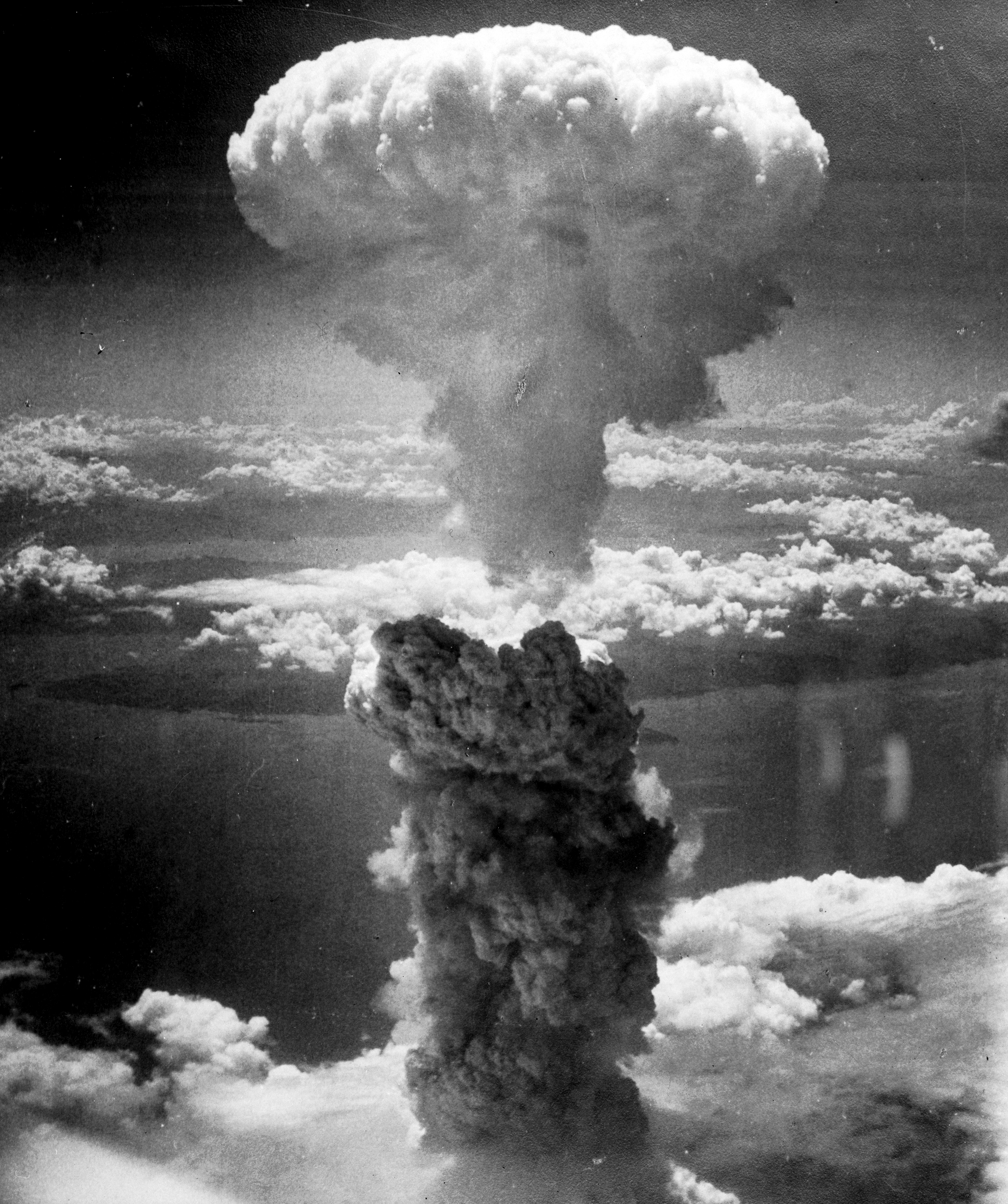
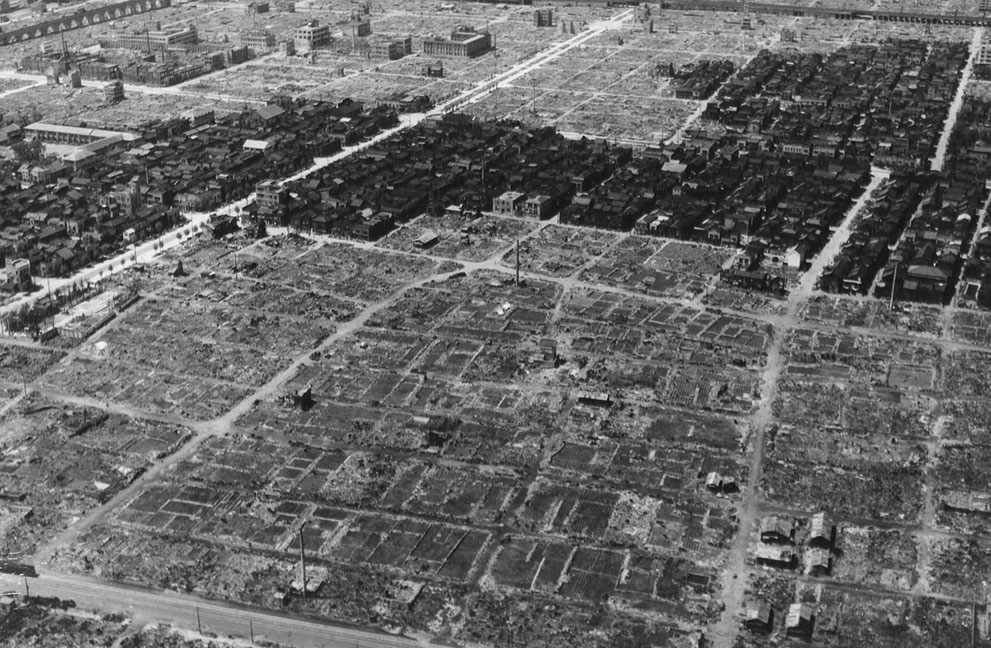

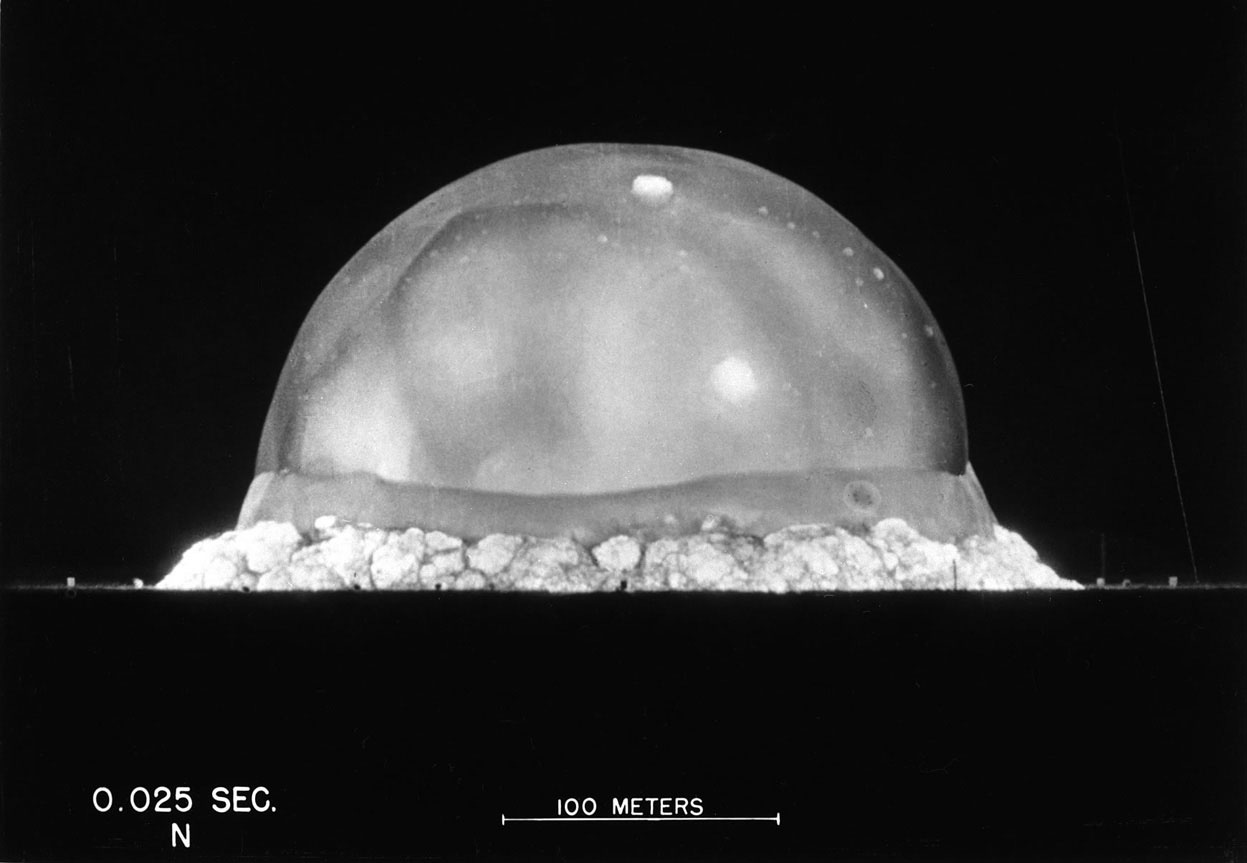
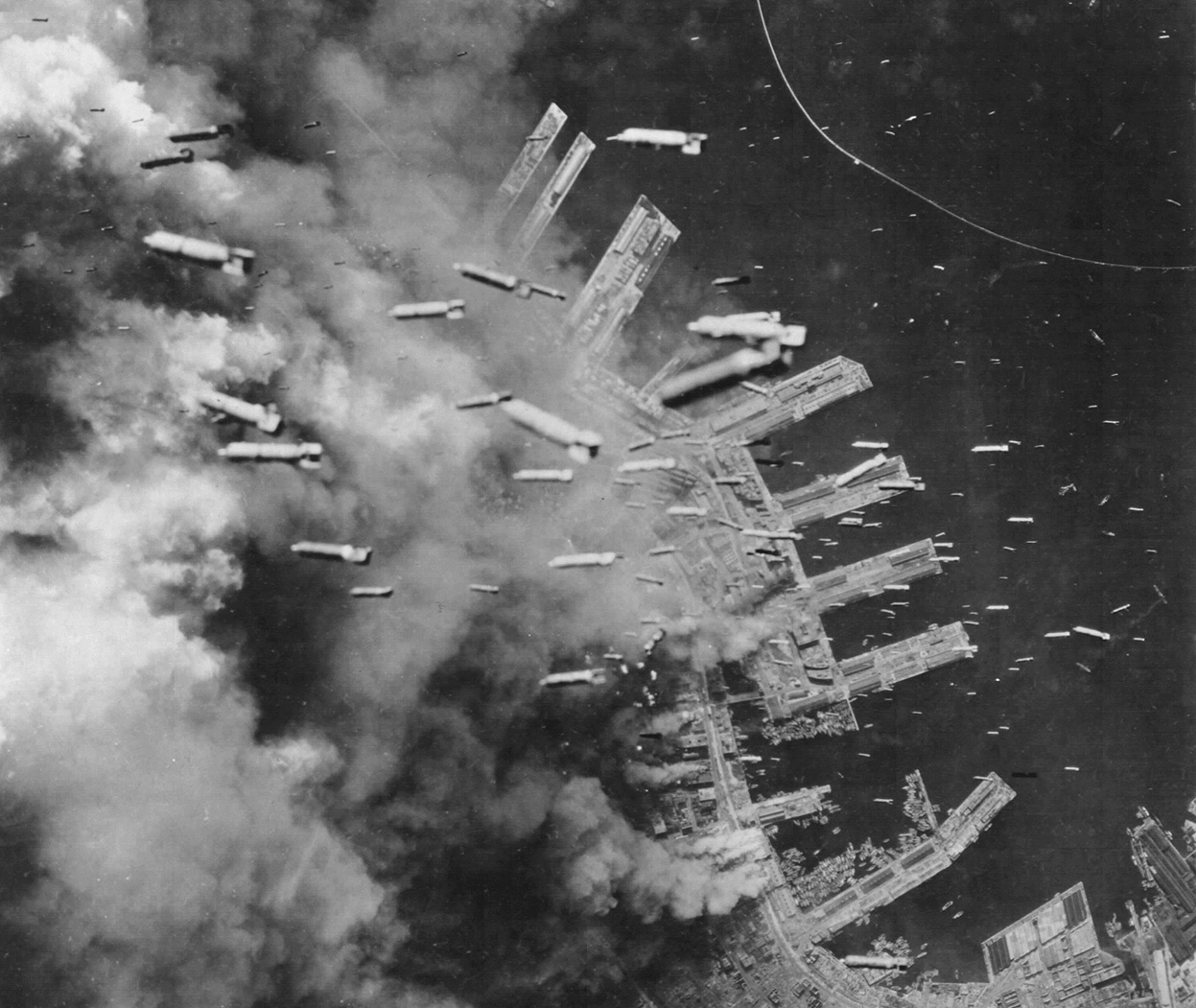
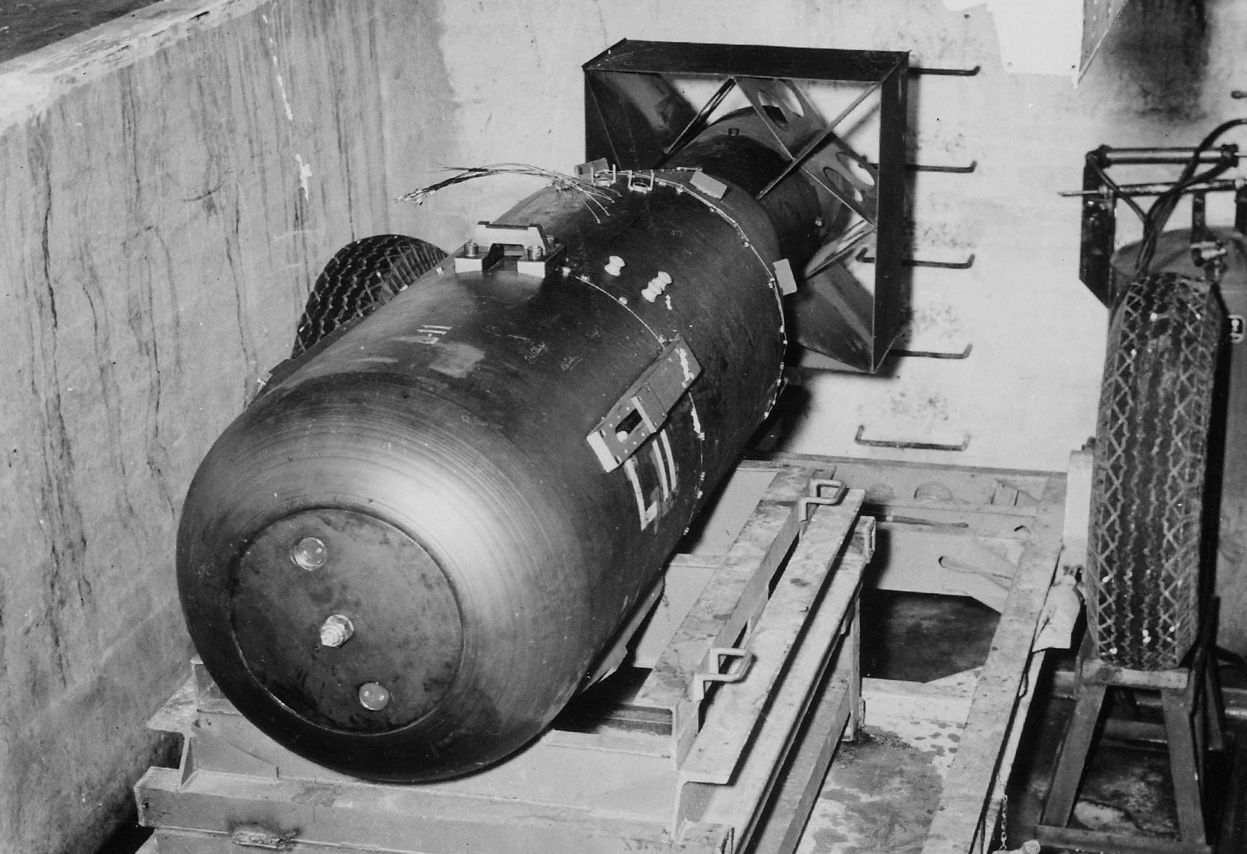
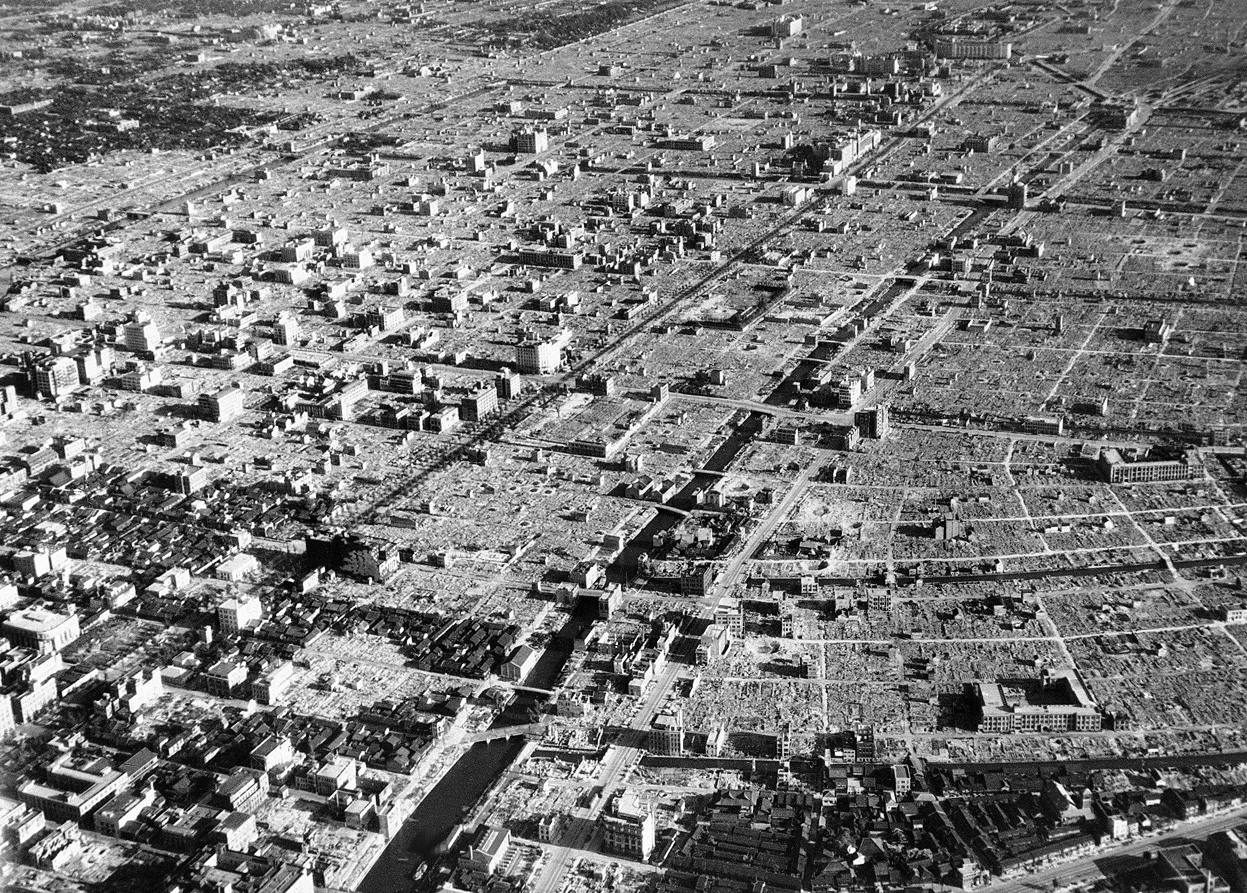
Atomic bombings of Hiroshima and Nagasaki
The United States gave Japan a warning and a deadline to surrender before the atomic bombings of Hiroshima and Nagasaki, though not with an explicit mention of the atomic bomb itself.
Key Warning: The Potsdam Declaration (July 26, 1945)
- The Potsdam Declaration was issued by the United States, the United Kingdom, and China.
- It called for Japan’s unconditional surrender, warning of “prompt and utter destruction” if they refused.
- It did not mention the atomic bomb specifically, as the weapon had not yet been used publicly and was still secret.
- Japan was given an ultimatum, though no exact deadline date was specified.
- Japan’s government rejected the ultimatum (or more accurately, chose to ignore it, which was interpreted as rejection by the Allies).
What happened next:
- On August 6, 1945, the U.S. dropped the first atomic bomb on Hiroshima.
- On August 8, the Soviet Union declared war on Japan.
- On August 9, the second atomic bomb was dropped on Nagasaki.
- Japan announced its intention to surrender on August 15, 1945, leading to the formal surrender on September 2, 1945.
Summary:
The U.S. did issue a surrender ultimatum (Potsdam Declaration) before the bombings, but did not reveal that an atomic bomb would be used. The warning was serious but vague about the nature of the coming destruction.
785351650400518144
Japan’s Chicano Culture In LA 🇯🇵 🇲🇽
777736779031773184

“You change the world by being yourself.”
Yoko Ono
Cut Piece
1964
performed in New Works of Yoko Ono,
Carnegie Recital Hall, New York
March 21, 1965
Photo: Minoru Niizuma
763084164428955648
Best Japanese Commercials 2017
737330028486049792
“Commentators have criticized Emoto for insufficient experimental controls and for not sharing enough details of his experiments with the scientific community. He has also been criticized for designing his experiments in ways that permit manipulation or human error. Biochemist and Director of Microscopy at University College Cork William Reville wrote, “It is very unlikely that there is any reality behind Emoto’s claims.” Reville noted the lack of scientific publication and pointed out that anyone who could demonstrate such phenomena would become immediately famous and probably wealthy.
Writing about Emoto’s ideas in the Skeptical Inquirer, physician Harriet A. Hall concluded that it was “hard to see how anyone could mistake it for science”. In 2003, James Randi published an invitation on his website, offering Emoto to take the One Million Dollar Paranormal Challenge, in which Emoto could have received US$1,000,000 if he had been able to reproduce the experiment under test conditions agreed to by both parties. Randi did not receive a response.”
732425656121606144
732018723797581824
715815949168721920
Jo Koy Reveals How To Tell Asians Apart | Netflix Is A Joke
710214558947606528
Galaxy Express 999 Opening
RIP Leiji Matsumoto
671681134984347648
หน้ากากเสือ Tiger Maskタイガーマスク โรมาจิ: Taigā Masuku
670775192166039552
タイガーマスク二世 (Tiger Mask II)
670684583614988289
Gundam 00 ~ Ash like snow