master
804735740226551808
“The true purpose [of Zen] is to see things as they are, to observe things as they are, and to let everything go as it goes.”
— Shunryu Suzuki
796511931146158080
The Gates of Paradise
A soldier named Nobushige came to Hakuin, and asked: “Is there really a paradise and a hell?”
“Who are you?” inquired Hakuin.
“I am a samurai,” the warrior replied.
“You, a soldier!” exclaimed Hakuin. “What kind of ruler would have you as his guard? Your face looks like that of a beggar.”
Nobushige became so angry that he began to draw his sword, but Hakuin continued: “So you have a sword! Your weapon is probably much too dull to cut off my head.”
As Nobushige drew his sword Hakuin remarked: “Here open the gates of hell!”
At these words the samurai, perceiving the master’s discipline, sheathed his sword and bowed.
“Here open the gates of paradise,” said Hakuin.
795587884454395904
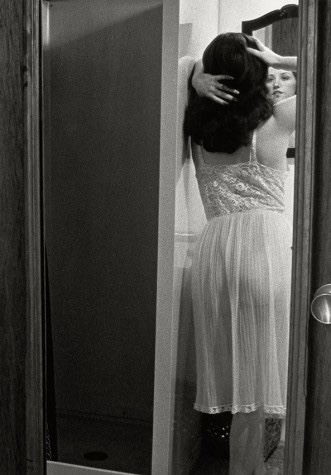
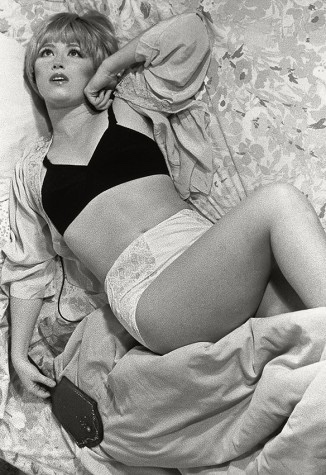
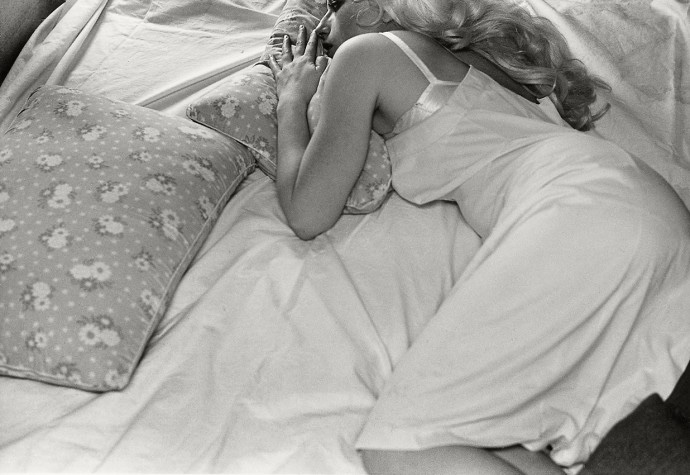
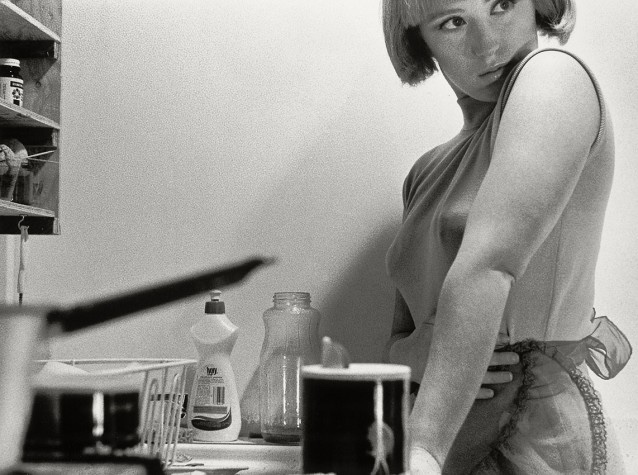
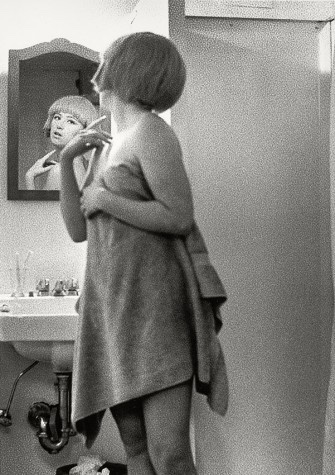
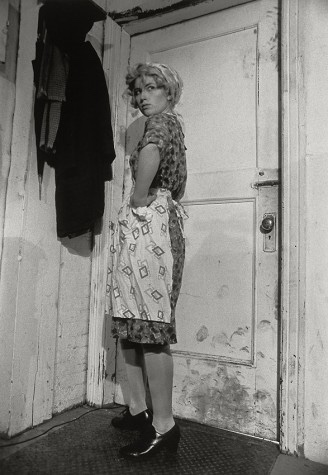
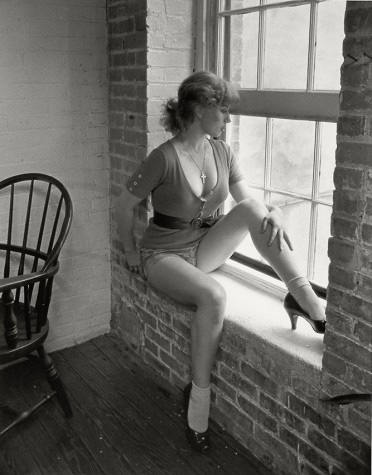
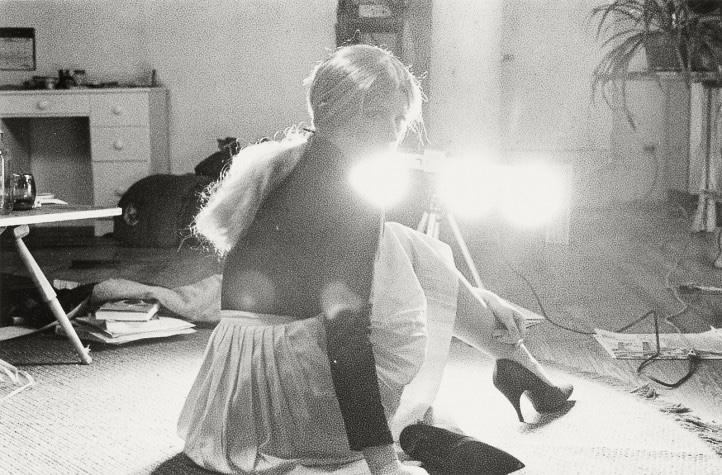
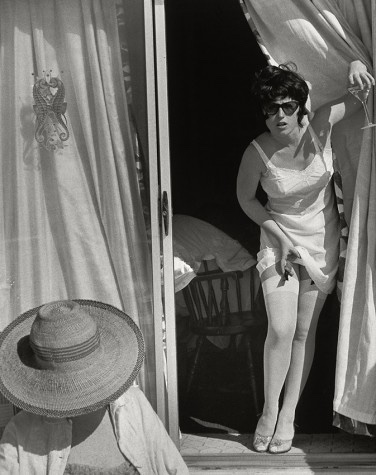
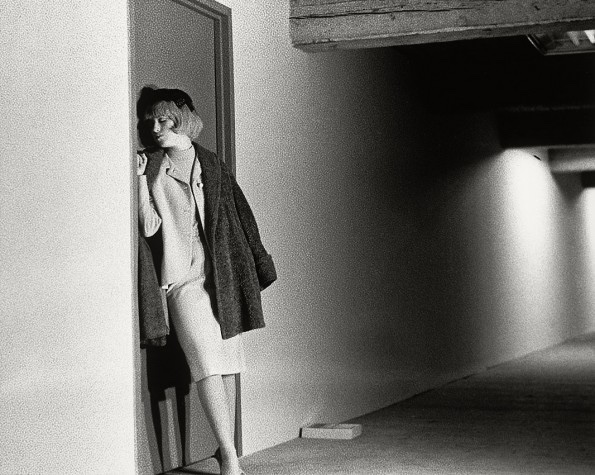
In fall 1977, Sherman began making pictures that would eventually become her groundbreaking “Untitled Film Stills.” Over three years, the series grew to comprise a total of seventy black-and-white photographs. Taken as a whole, the “Untitled Film Stills”—resembling publicity pictures made on movie sets—read like an encyclopedic roster of stereotypical female roles inspired by 1950s and 1960s Hollywood, film noir, B movies, and European art-house films. But while the characters and scenarios may seem familiar, Sherman’s “Stills” are entirely fictitious; they represent clichés (career girl, bombshell, girl on the run, vamp, housewife, and so on) that are deeply embedded in the cultural imagination. While the pictures can be appreciated individually, much of their significance comes in the endless variation of identities from one photograph to the next. As a group they explore the complexity of representation in a world saturated with images, and refer to the cultural filter of images (moving and still) through which we see the world.
Untitled Film Stills, 1977 by Cindy Sherman
794687669961621504
“The past is already gone, the future is not yet here. There’s only one moment for you to live, and that is the present moment.”
— Zen Proverb
792783871326420992
The difference Between Pain and Suffering
There is a Buddhist teaching that says that when you get hurt, say, by an arrow, that is pain. The arrow hitting your arm, it hurts. Pain. However, there is a second arrow, which is your reaction to the arrow, the getting angry, the planning revenge, that is beyond pain, that is suffering.
788902575502147584
The Stone Mind
Hogen, a Chinese Zen teacher, lived alone in a small temple in the country. One day four traveling monks appeared and asked if they might make a fire in his yard to warm themselves.
While they were building the fire, Hogen heard them arguing about subjectivity and objectivity. He joined them and said: There is a big stone. Do you consider it to be inside or outside your mind?’
One of the monks replied: ‘From the Buddhist viewpoint everything is an objectification of mind, so I would say that the stone is inside my mind.’
‘Your head must feel very heavy’, observed Hogen. ‘if you are carrying around a stone like that in your mind.’
781941706382786561
The Gates of Paradise
A soldier named Nobushige came to Hakuin, and asked: “Is there really a paradise and a hell?”
“Who are you?” inquired Hakuin.
“I am a samurai,” the warrior replied.
“You, a soldier!” exclaimed Hakuin. “What kind of ruler would have you as his guard? Your face looks like that of a beggar.”
Nobushige became so angry that he began to draw his sword, but Hakuin continued: “So you have a sword! Your weapon is probably much too dull to cut off my head.”
As Nobushige drew his sword Hakuin remarked: “Here open the gates of hell!”
At these words the samurai, perceiving the master’s discipline, sheathed his sword and bowed.
“Here open the gates of paradise,” said Hakuin.