mental illness
Quote Of The Day
“It is impossible for someone to lie unless he thinks he knows the truth. Producing bullshit requires no such conviction. A person who lies is thereby responding to the truth, and he is to that extent respectful of it. When an honest man speaks, he says only what he believes to be true; and for the liar, it is correspondingly indispensable that he considers his statements to be false. For the bullshitter, however, all these bets are off: he is neither on the side of the true nor on the side of the false. His eye is not on the facts at all, as the eyes of the honest man and of the liar are, except insofar as they may pertain to his interest in getting away with what he says. He does not care whether the things he says describe reality correctly. He just picks them out, or makes them up, to suit his purpose.”
— Harry Frankfurt (On Bullshit, pp. 55-56)
805117574614499328
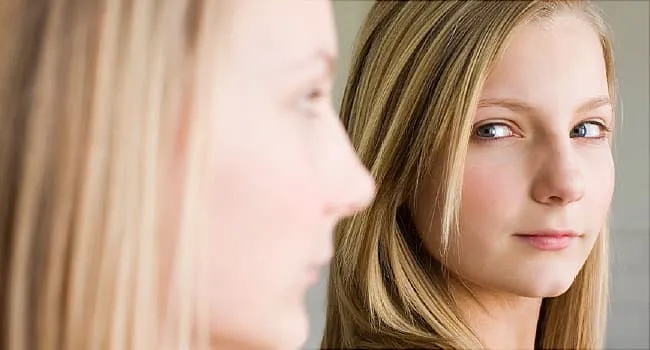
Narcissism: Symptoms and Signs
Other signs include:
- A sense of self-importance, exaggerating their achievements and talents
- A preoccupation with fantasies of success, power, or brilliance
- A belief that they’re more special or unique than others and should only associate with other high-status people
- Envy of others or the belief that others are envious of them
- Insisting they have the best of everything
- Feeling they deserve privileges and special treatment
805087056571367424

HazMat technicians removing an acid vat from Jeffrey Dahmer’s apartment
804733923481485312
“Insecure people put others down to raise themselves up.”
— Habeeb Akande
804618410626613248
Why Do People Bully? The Scientific Reasons
“In a recent Ditch the Label study, we spoke to 7,347 people about bullying. We asked respondents to define bullying and then later asked if, based on their own definition, they had ever bullied anybody. 14% of our overall sample, so that’s 1,239 people, said yes. What we then did was something that had never been done on this scale before; we asked them intimate questions about their lives, exploring things like stress and trauma, home lives, relationships and how they feel about themselves.”