mind
161417138812
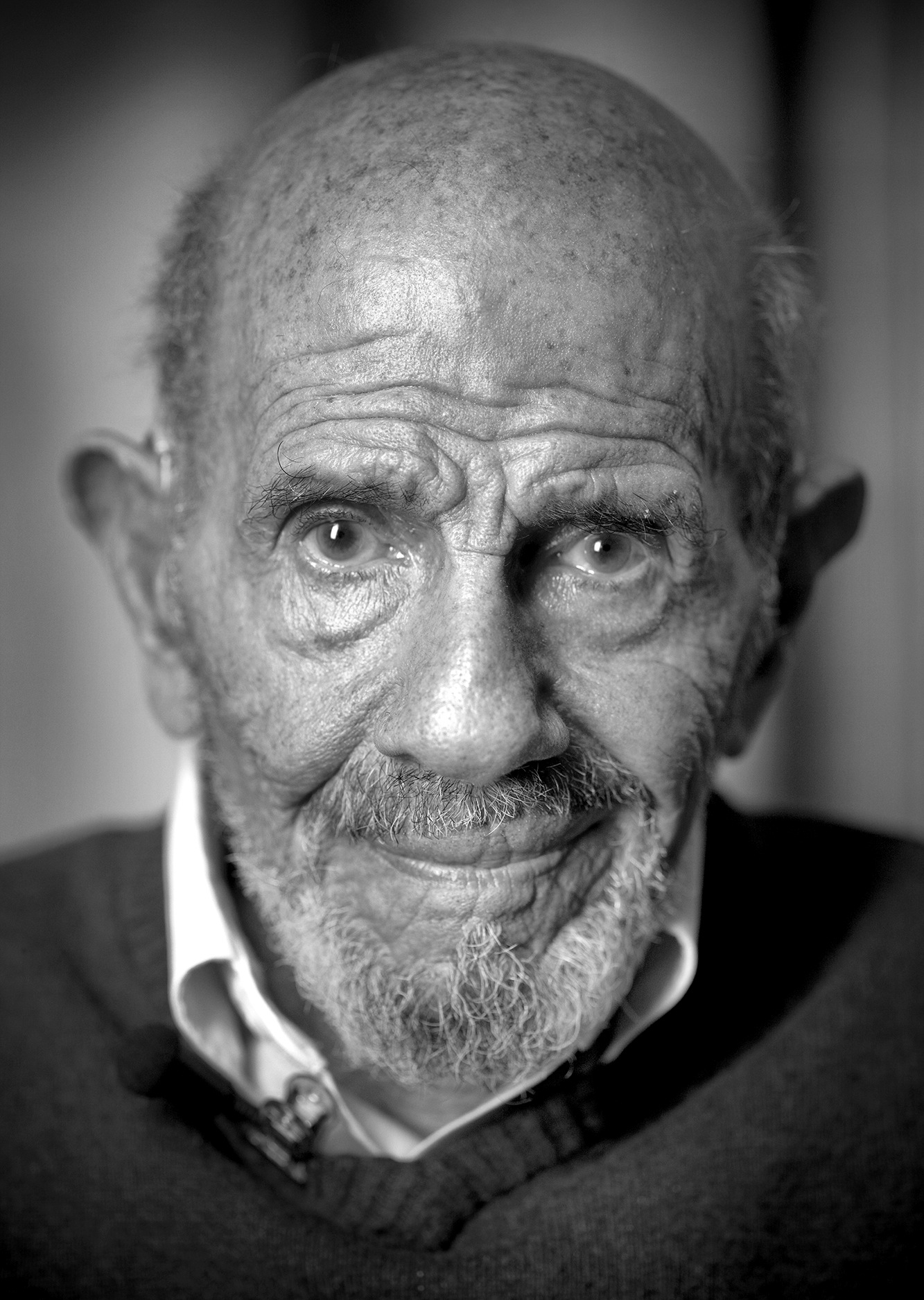
“Another factor encouraging my positive attitude about
problem solving was World War II when the U.S. spent billions of dollars
for weapons of mass destruction in the Manhattan Project. Cost was no
object and it was one of the largest and best-financed projects
undertaken to that date. I realized the same energies that went into the
Manhattan Project could be channeled to improve and update our way of
life, and to achieve and maintain the optimal symbiotic relationship
between nature and humankind. If we are willing to spend that amount of
money, resources, and human lives in times of war, we must ask why we
don’t commit equal resources to improving the lives of everyone and
anticipating humane needs for the future in times of peace.
When
scientists were called upon to solve problems of a military nature, the
answers were immediately forthcoming. This demonstrated to me the
ability of science and technology to solve problems when properly
organized and funded, but it is shameful that these methods are not
applied to solving social problems on a global scale. In my work I am
not attempting to predict the future. I am only pointing out what is
possible with the intelligent application and humane use of science and
technology. This does not call for scientists to manage society. What I
suggest is applying the methods of science to the social system for the
benefit of human kind and the environment.”
RIP Jacque Fresco
(March 13, 1916 – May 18, 2017)
160766931532

“Intention involves such a small fragment of our consciousness and of our mind and of our life.”
Jasper Johns at Pearl Street studio in 1955. Photograph by Robert Rauschenberg
159324777212
Passion Versus Obsession
Because passionate people are driven to create as a way to grow and achieve their potential, they are constantly seeking out others who share their passion in a quest for collaboration, friction and inspiration. Because they have a strong sense of self, passionate people are well-equipped to form relationships. They present themselves in ways that invite trust – they have little time for pretense and they are willing to express vulnerability and need in order to receive the help they need in achieving their own potential. Because they are passionate, they are willing to share their own knowledge and experience when they encounter someone sharing their passion. They are also intensely curious, seeking to understand the other passionate people they encounter in order to better see where and how they can collaborate to get better faster.
In contrast, obsessive people hide behind their objects of obsession. The objects are what are important, not others or even themselves. As a result, obsessive people are hard to get to know and trust – they share little of themselves and they exhibit minimal interest or curiosity regarding the needs or feelings of others. One of the hallmarks of obsessive people is that they tend to talk endlessly and often repetitively about the same thing, rarely inviting commentary or reaction from others, and ultimately pushing others away with their obsessive rants.
156207360702
Words have no power to impress the mind without the exquisite horror of their reality.
155239324342
The sun and moon had always shone; the rivers had always flowed and
the bees had hummed, but in previous times all this had been nothing to
Siddhartha but a fleeting and illusive veil before his eyes, regarded
with distrust, condemned to be disregarded and ostracized from the
thoughts, because it was not reality, because reality lay on the other
side of the visible. But now his thoughts lingered on this side; he saw
and recognized the visible and he sought his place in this world. He did
not seek reality; his goal was not on any other side. The world was
beautiful when looked at in this way—without any seeking, so simple, so
childlike. The moon and the stars were beautiful, the brook, the shore,
the forest and the rock, the goat and the golden beetle, the flower and
the butterfly were beautiful. It was beautiful and pleasant to go
through the world like that, so childlike, so awakened, so concerned
with the immediate, without any distrust. …
All this had always been and he had never seen it; he was never
present. Now he was present and belonged to it. Through his eyes he saw
light and shadows; through his mind he was aware of moon and stars.
—Siddhartha (novel) pp. 45-46 by Hermann Hesse