minimalism
735359654016712704
American Masters Rothko
FYI: I love sharing my favorite artists not just for inspiration but also to educate about their creative processes and thoughts. It’s fascinating to see how some artists still believe that only realism qualifies as fine art, overlooking other forms. I wonder what kind of art history they’re being taught in their school.
734226206831034368

“One does not become enlightened by imagining figures of light, but by making the darkness conscious.” — Carl Jung
(The subject of the artwork may not necessarily be related to the quote.)
1/1 NFT Abstract Art 0001 Series: Nocturnal
2020
Size: 5400 x 7200 pixels (18 x 24 in.)
RGB, JPEG
Resolution: 300 pixels/inch
Both physical and NFT items are now available in our store.
151658900107
Yayoi Kusama – Obsessed with Polka Dots
151530068450
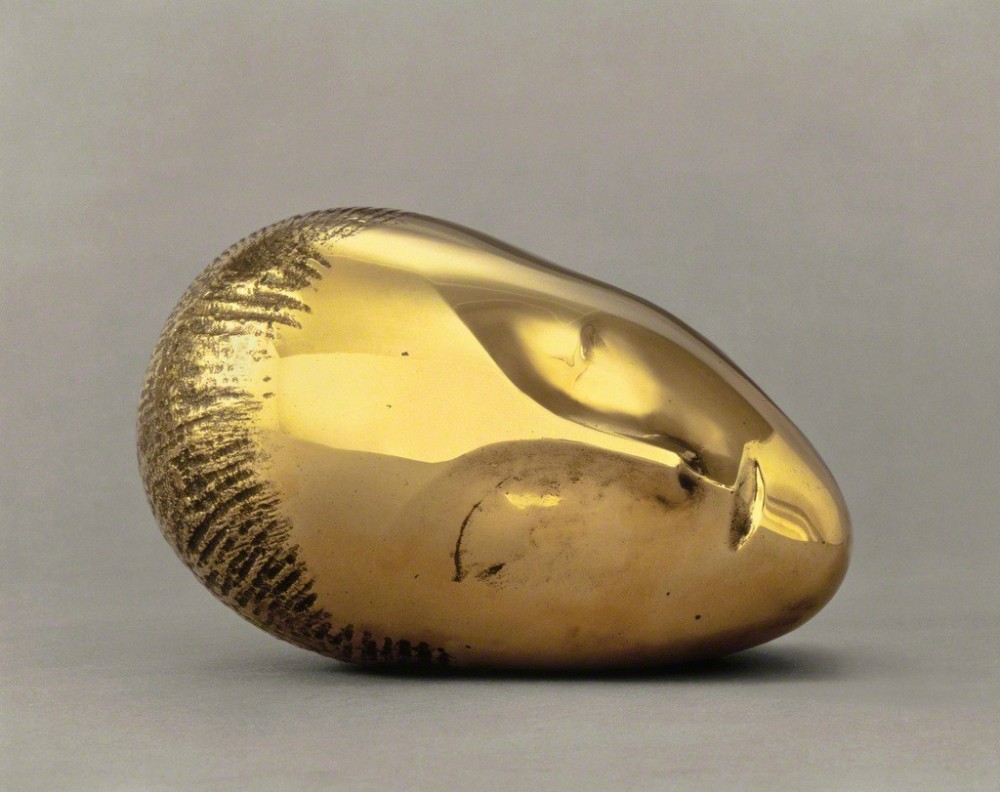
“Simplicity is not an objective in art, but one achieves simplicity despite one’s self by entering into the real sense of things.”
Sleeping Muse by Constantin Brancusi
151325918137
From Start to Finish: De Wain Valentine’s Gray Column
151052631327
Conceptual Art
150928450183
Rothko’s Room – The Life and Work of an American Artist
150854119202
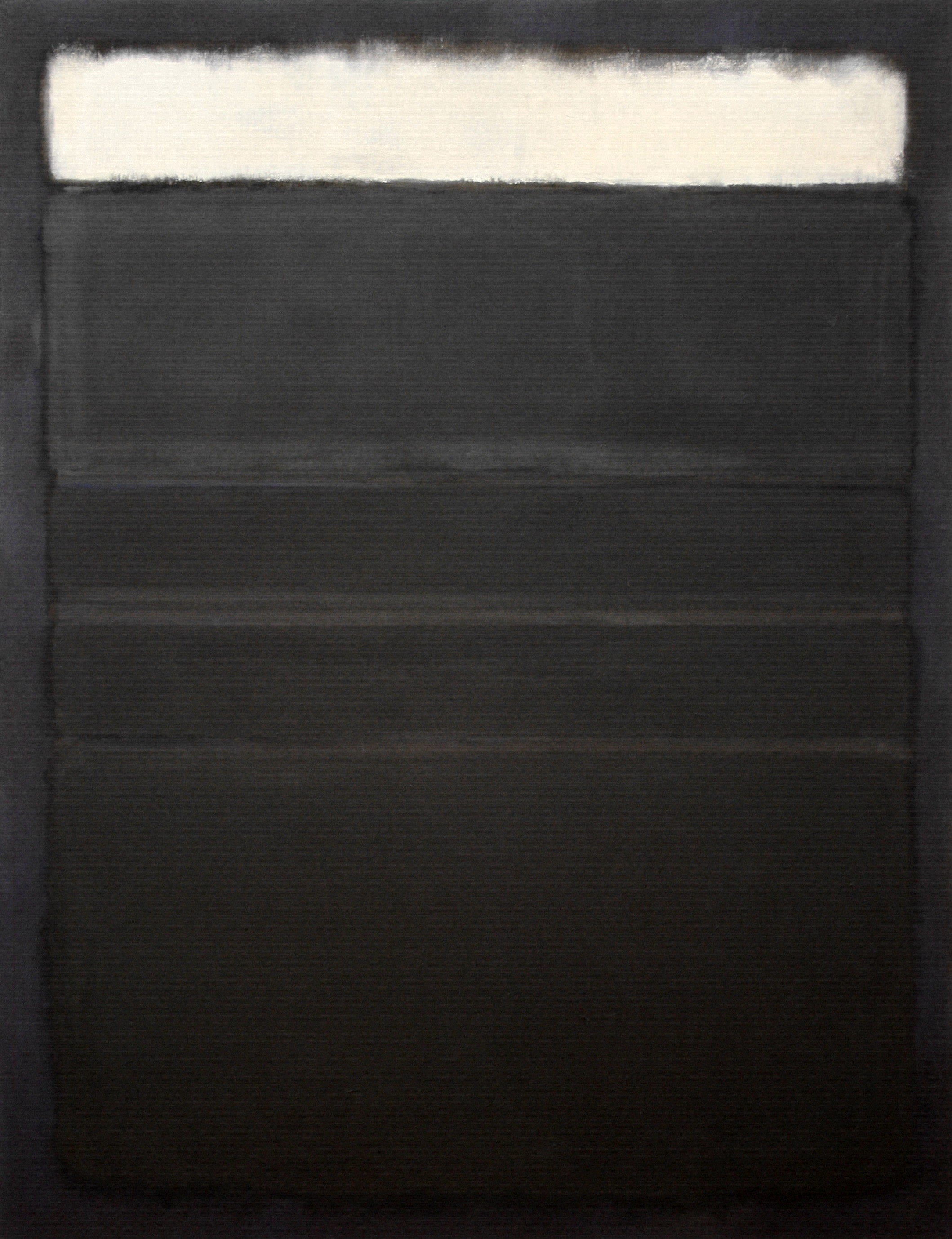
“When I was a younger man, art was a lonely thing. No galleries, no
collectors, no critics, no money. Yet, it was a golden age, for we all
had nothing to lose and a vision to gain. Today it is not quite the
same. It is a time of tons of verbiage, activity, consumption. Which
condition is better for the world at large I shall not venture to
discuss. But I do know, that many of those who are driven to this life
are desperately searching for those pockets of silence where we can root
and grow. We must all hope we find them.”
Untitled (1963) by Mark Rothko
150483367167
150329210652
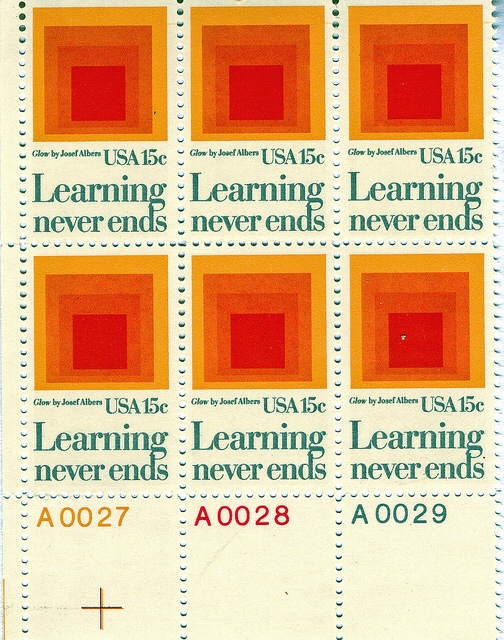
“It was my family that wanted me to be a teacher. That was safe, you see. To be a painter was terrible.”
Date Issued: 1980-09-12 Homage to the Square: Glow postage stamp by Josef Albers.
This stamp commemorated American education and the early establishment of the U.S. Department of Education. The design of this stamp is taken from a painting by Josef Albers, a German -born artist who contributed much to modern art through his investigation of color and light perception. Albers came to the United States in 1933 to teach at Black Mountain College in North Carolina. He later taught at Yale. The culmination of Albers’ artistic development is seen in his famous Homage to the Square series, on which he worked from 1949 until his death in 1976.
149383068767
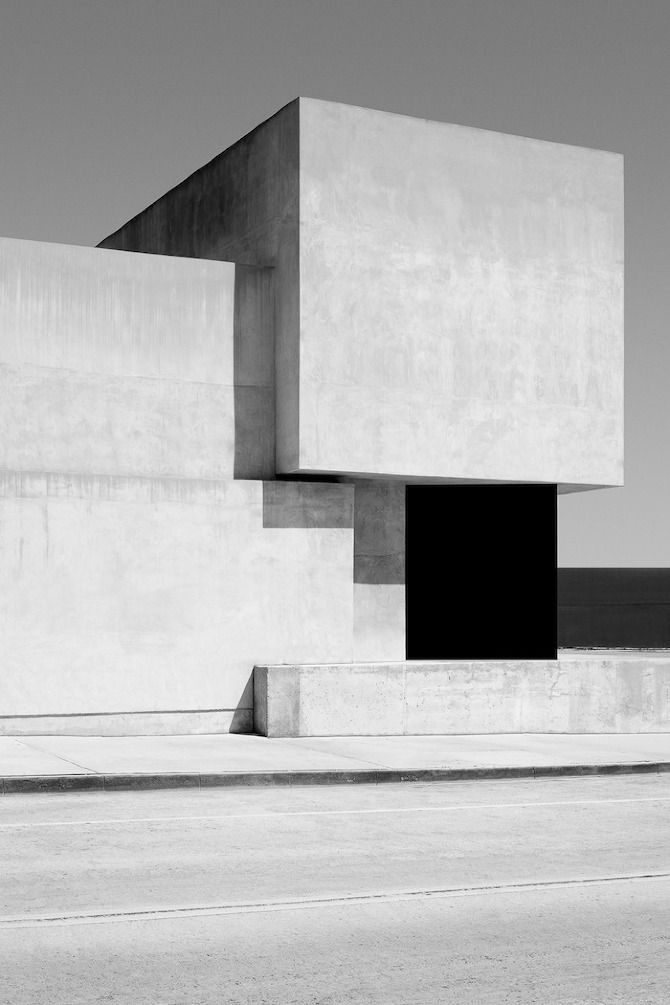
147055756212
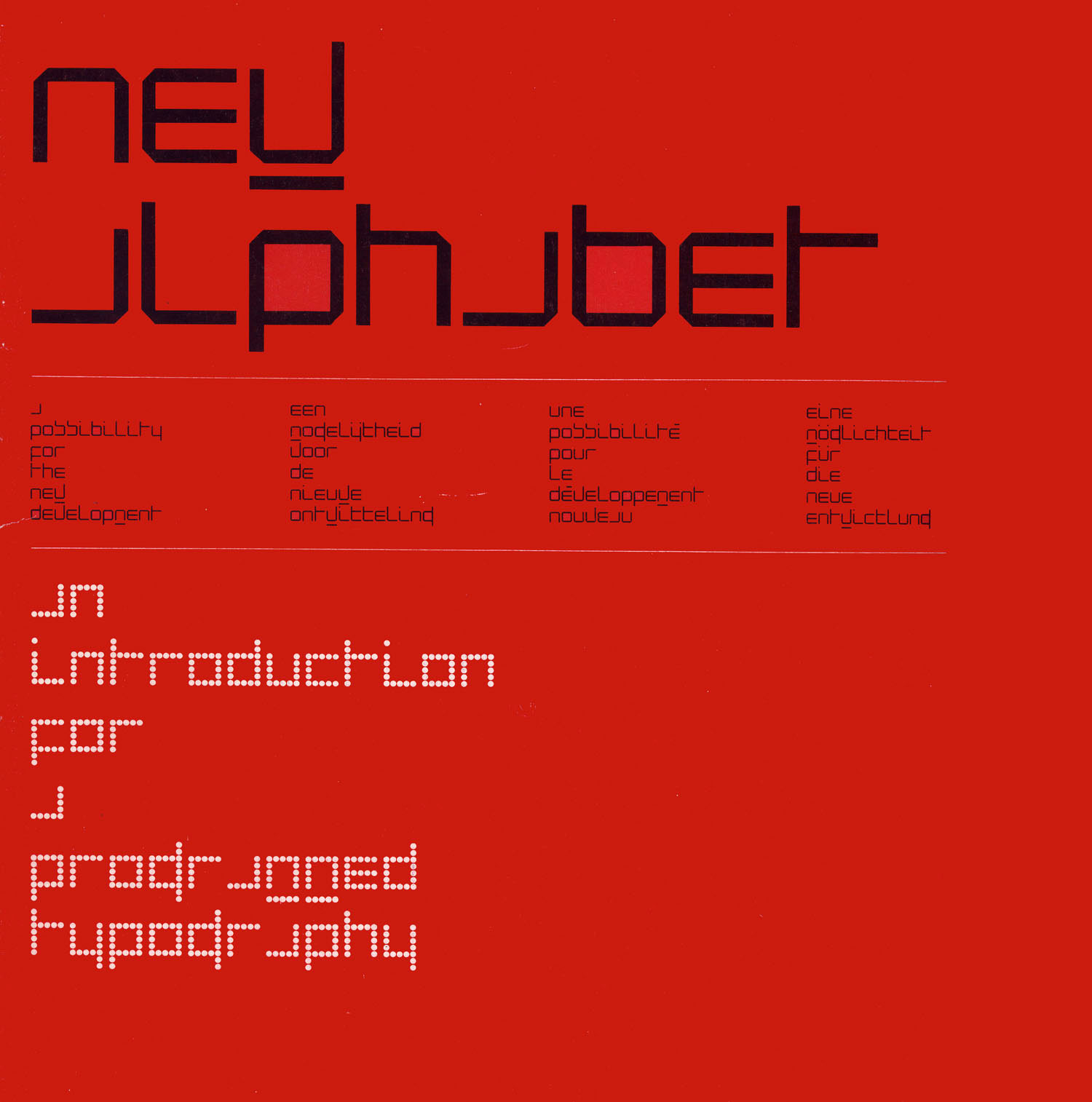
New alphabet, 1967 by Wim Crouwel
145954969562
145625402165
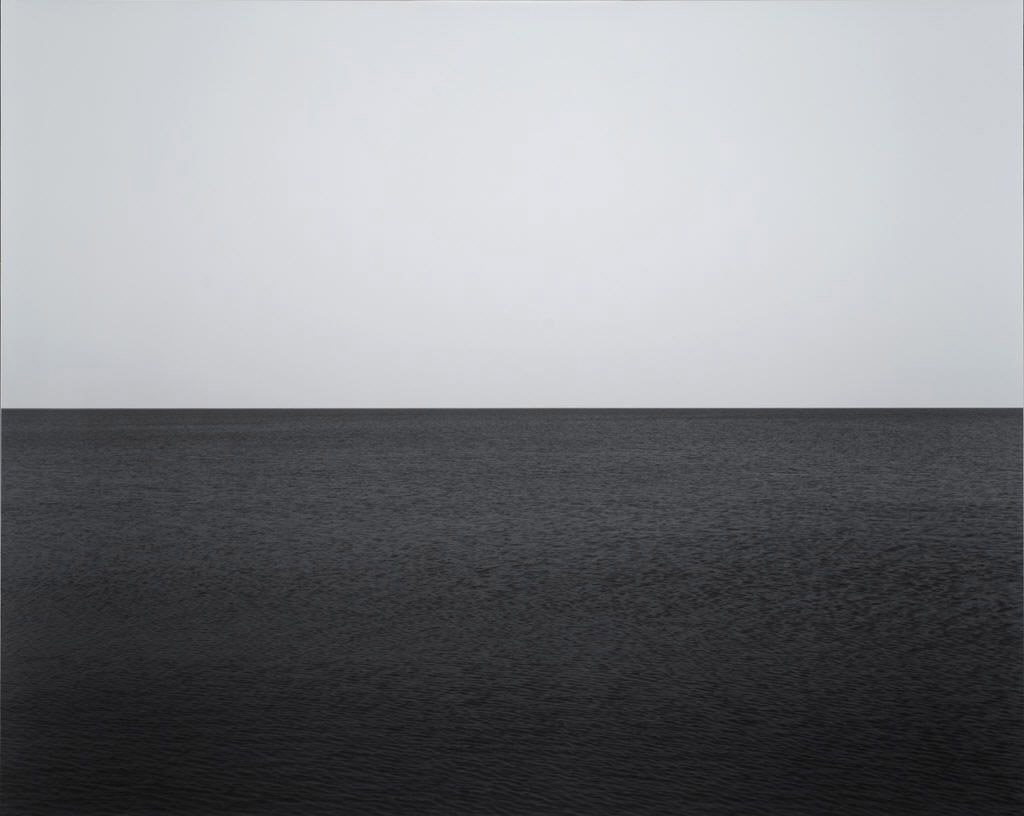
“Humans have changed the landscape so much, but images of the sea could
be shared with primordial people. I just project my imagination on to
the viewer, even the first human being. I think first and then imagine
some scenes. Then I go out and look for them. Or I re-create these
images with my camera. I love photography because photography is the
most believable medium. Painting can lie, but photography never lies:
that is what people used to believe.”
by Hiroshi Sugimoto