modern art
772313363339509760

“You really need faith in yourself to make art and to stand up for what you believe in.” — Elizabeth Peyton
ELIZABETH PEYTON (B. 1965)
Liam Gallagher (Glastonbury 1995)
signed, titled and dated ‘LIAM GALLAGHER (GLASTONBURY 1995) Elizabeth Peyton 1995’ (on the reverse)
oil on panel
22 1/8 x 18 1/8 in. (56.2 x 46 cm.)
Painted in 1995.
Price realised
USD 1,740,000
772195321794134016

“A true artist is not one who is inspired, but one who inspires others.” — Salvador Dali
Salvador Dalí (1904-1989)
Naissance de l’ameublement paranoïaque
gouache and charcoal on paper
25 1/8 x 19 1/8 in. (63.7 x 48.4 cm.)
Executed circa 1937
Price realised:
USD 1,095,000
771974006928752640

“It’s a new medium, but I’m still painting… Whether it’s digital or not, the painting doesn’t change much in terms of meaning.” — David Hockney
David Hockney
Flowers, Glass Vase on a Table
2021
Ipad painting printed on paper
35 × 25 in.
US$110,000
771870737431740416
Contemporary art refers to artwork created by living artists or from the late 20th century to the present. It reflects current ideas, issues, and cultural trends, often exploring diverse mediums, concepts, and styles. It challenges traditional boundaries and invites personal interpretation.
— ChatGPT
771219446118449152
The phrase “Let art speak for itself” likely emerged from the broader philosophy that art should be experienced and interpreted directly by viewers, without requiring excessive explanation or commentary. It aligns with ideas from movements like Romanticism and Modernism, which emphasized the emotional, personal, or universal power of art.
Key Contexts for the Phrase:
1. Romanticism (18th-19th Century):
Romantic artists and thinkers believed in the innate ability of art to evoke emotions and connect directly to the human spirit, minimizing the need for verbal justification.
2. Modernism (late 19th-20th Century):
Modernist artists often rejected traditional rules and advocated for the autonomy of art. They believed that art could stand on its own without the constraints of narrative or explanation.
3. Art Criticism and Philosophy:
Thinkers like John Ruskin and Clement Greenberg contributed to the idea that art should be appreciated for its intrinsic qualities—form, texture, color—without relying heavily on external context.
By ChatGPT
763301845696430080
Behind the Scenes Look at Lillian Schwartz’s “Proxima Centauri” Sculpture
759805604691853312
Importance of Narrative in Art
Art and narrative are closely connected because storytelling is a powerful way to convey meaning, emotion, and context. Here are a few reasons why art often needs a narrative:
1. Contextual Understanding: A narrative provides context that helps viewers understand the deeper meaning or message of the artwork. Without a story, the interpretation of art can be vague or ambiguous.
2. Emotional Engagement: Stories evoke emotions, and when art is tied to a narrative, it can resonate more deeply with the audience, making the experience more impactful.
3. Connection with the Audience: A narrative allows viewers to relate the artwork to their own experiences, thoughts, or feelings, creating a personal connection between the art and the audience.
4. Cultural and Historical Significance: Art often reflects the time, place, and culture in which it was created. A narrative can highlight these aspects, making the artwork more meaningful in a broader context.
5. Guiding Interpretation: While art can be open to interpretation, a narrative can guide viewers toward a particular understanding or theme, helping to convey the artist’s intended message more clearly.
6. Creating a Legacy: Narratives can preserve the stories behind art, ensuring that future generations understand and appreciate the significance of the work.
By ChatGPT
758984054980902912
The value of art
The value of art can be understood in multiple dimensions:
1. Cultural and Historical Significance: Art often captures the cultural, social, and historical contexts of the time in which it was created. It can serve as a record of human experience and a way to communicate across generations.
2. Emotional and Aesthetic Impact: Art has the power to evoke emotions, provoke thought, and provide aesthetic pleasure. Its ability to resonate with individuals on a personal level adds to its value.
3. Economic Value: Art can have significant monetary value, determined by factors such as the artist’s reputation, rarity, historical importance, and demand within the art market. This economic aspect is evident in auctions and private sales of artwork.
4. Symbolic Value: Art can carry symbolic meaning, representing ideals, beliefs, or social commentary. This can increase its value in the eyes of those who share or appreciate these symbols.
5. Personal Value: For many, art holds personal value, whether it’s a family heirloom, a piece that resonates with their personal experiences, or something that simply brings them joy.
In essence, the value of art is subjective and multifaceted, varying greatly depending on the context in which it is viewed and appreciated.
By ChatGPT
753480812122587136

745943960808275968
People may copy others for a variety of reasons, including:
- Lack of identity: They may copy others to be recognized.
- Jealousy: They may copy others because they want what you have.
- Insecurity: They may copy others to elevate themselves.
- Threatened: They may copy others because they feel threatened by your success.
- Obsession: They may copy others.
- Laziness: They may copy others.
- Mental health issues: They may copy others.
735561042568118272
Andy Warhol: An American Prophet (Art History Documentary) | Perspective
733812188537651201
Was modern art a weapon of the CIA?
There are conspiracy theories suggesting the CIA supported abstract expressionism during the Cold War to showcase artistic freedom in contrast to Soviet realism. While there’s some historical connection, the idea that modern art was a “weapon” is debated among scholars, and evidence supporting a deliberate strategy is limited.
By ChatGPT
160892027157
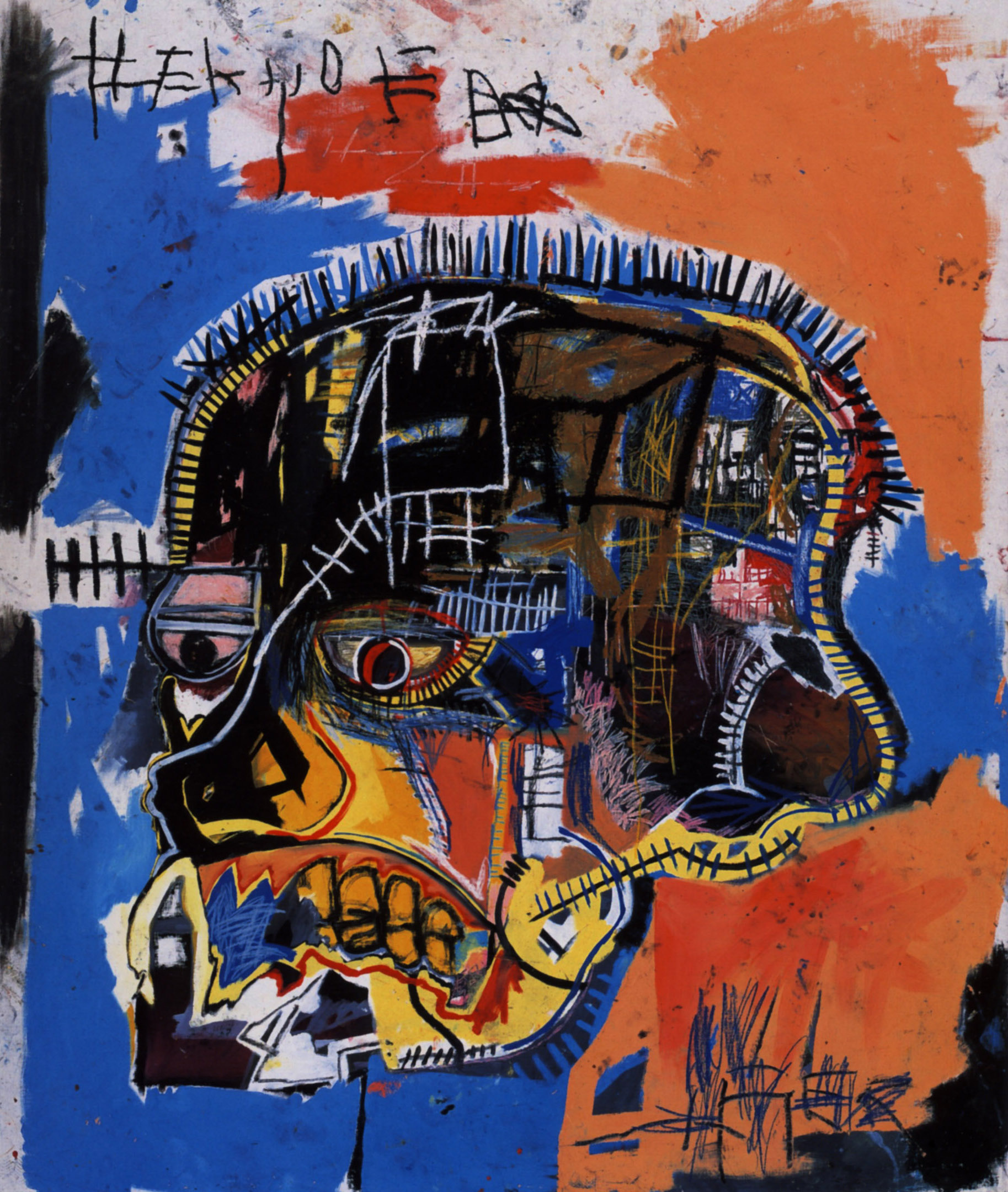
“Most Young Kings Get Their Heads Cut Off.”
Jean-Michel Basquiat Holding Engagement Ring, New York, NY Photographed by Allen Ginsberg
160766931532
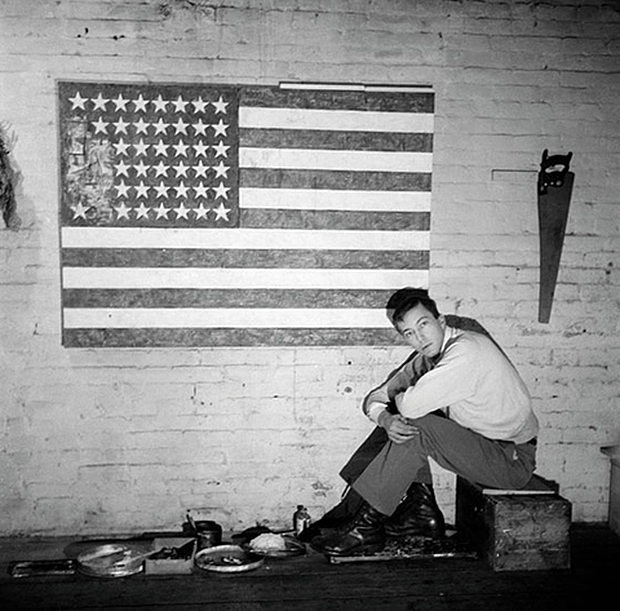
“Intention involves such a small fragment of our consciousness and of our mind and of our life.”
Jasper Johns at Pearl Street studio in 1955. Photograph by Robert Rauschenberg