modernism
791202938764836864

“When walking in open territory, bother no one. If someone bothers you, ask him to stop. If he does not stop, destroy him.” — Anton Szandor LaVey
Word Series: The Eleven Satanic Rules of the Earth. Size: 18 x 24 in. On a matte paper. Heavyweight stock.
Available on our website.
776396429505740800
If words didn’t matter, then why do artists give their work titles?
774071554777743360
Why learning art history is important for artists
Artists should study art history for several reasons:
- Inspiration and Influence – Understanding past movements, styles, and artists can provide fresh ideas and insights that influence an artist’s own work.
- Technical and Conceptual Growth – Studying historical techniques, materials, and methods helps artists refine their own practice and expand their creative approach.
- Context and Meaning – Art is often a response to cultural, political, and social issues. Knowing the historical context of art allows artists to create work with deeper meaning and relevance.
- Avoiding Reinventing the Wheel – By learning from past successes and mistakes, artists can build upon existing knowledge rather than repeating what has already been done.
- Developing a Critical Eye – Exposure to a variety of styles and critiques sharpens an artist’s ability to analyze and evaluate art, including their own.
- Building a Personal Voice – Studying different artistic movements helps artists understand where they fit within the larger artistic tradition, allowing them to develop a unique style.
- Professional and Academic Opportunities – Knowledge of art history can open doors in teaching, curation, and other art-related careers beyond personal practice.
- Cultural Literacy – Understanding art history enriches an artist’s appreciation of global cultures and traditions, making their work more informed and impactful.
Ultimately, art history provides artists with a foundation of knowledge that can fuel creativity, enhance technique, and deepen the meaning of their work.
By ChatGPT
774071176588836864
If words didn’t matter, then why do artists give their work titles?
774070873093210112
The phrase “Let art speak for itself” likely emerged from the broader philosophy that art should be experienced and interpreted directly by viewers, without requiring excessive explanation or commentary. It aligns with ideas from movements like Romanticism and Modernism, which emphasized the emotional, personal, or universal power of art.
Key Contexts for the Phrase:
1. Romanticism (18th-19th Century):
Romantic artists and thinkers believed in the innate ability of art to evoke emotions and connect directly to the human spirit, minimizing the need for verbal justification.
2. Modernism (late 19th-20th Century):
Modernist artists often rejected traditional rules and advocated for the autonomy of art. They believed that art could stand on its own without the constraints of narrative or explanation.
3. Art Criticism and Philosophy:
Thinkers like John Ruskin and Clement Greenberg contributed to the idea that art should be appreciated for its intrinsic qualities—form, texture, color—without relying heavily on external context.
771219446118449152
The phrase “Let art speak for itself” likely emerged from the broader philosophy that art should be experienced and interpreted directly by viewers, without requiring excessive explanation or commentary. It aligns with ideas from movements like Romanticism and Modernism, which emphasized the emotional, personal, or universal power of art.
Key Contexts for the Phrase:
1. Romanticism (18th-19th Century):
Romantic artists and thinkers believed in the innate ability of art to evoke emotions and connect directly to the human spirit, minimizing the need for verbal justification.
2. Modernism (late 19th-20th Century):
Modernist artists often rejected traditional rules and advocated for the autonomy of art. They believed that art could stand on its own without the constraints of narrative or explanation.
3. Art Criticism and Philosophy:
Thinkers like John Ruskin and Clement Greenberg contributed to the idea that art should be appreciated for its intrinsic qualities—form, texture, color—without relying heavily on external context.
By ChatGPT
159332119962
154717313792
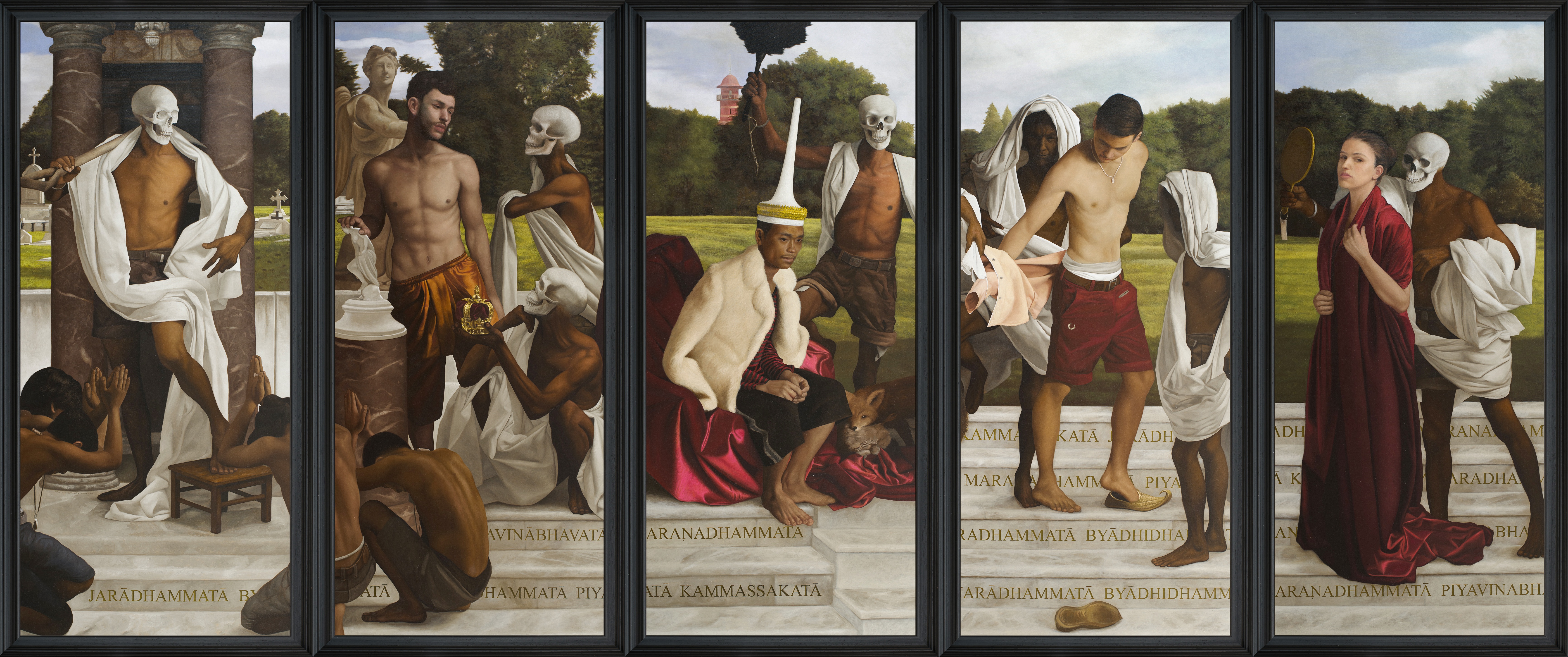
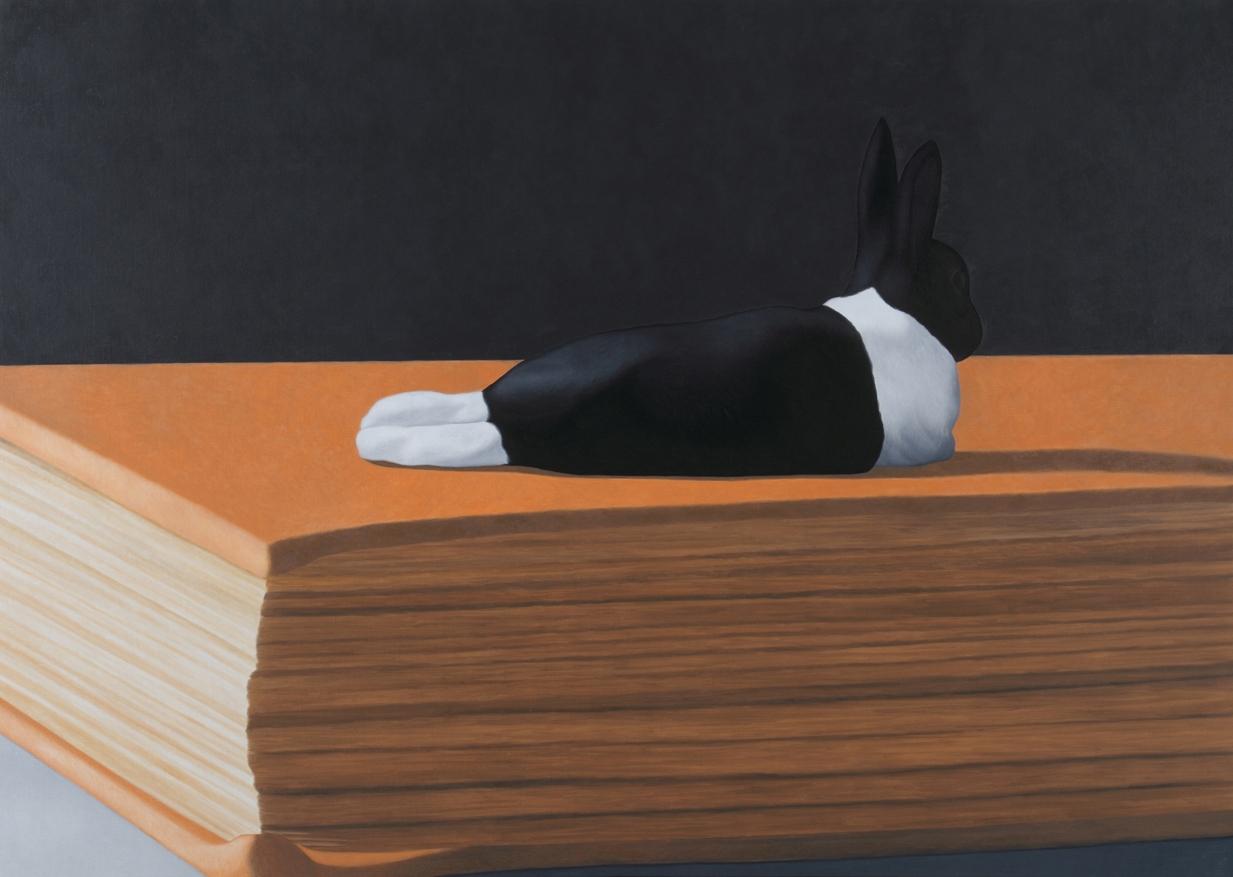
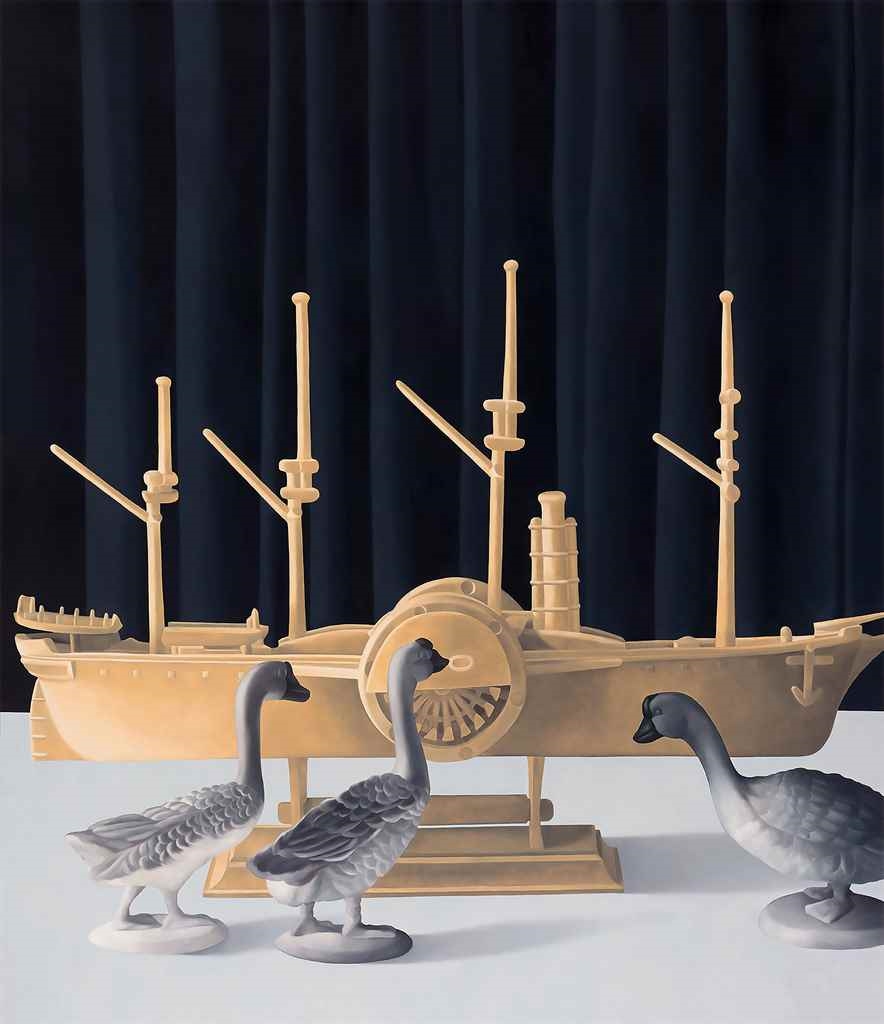
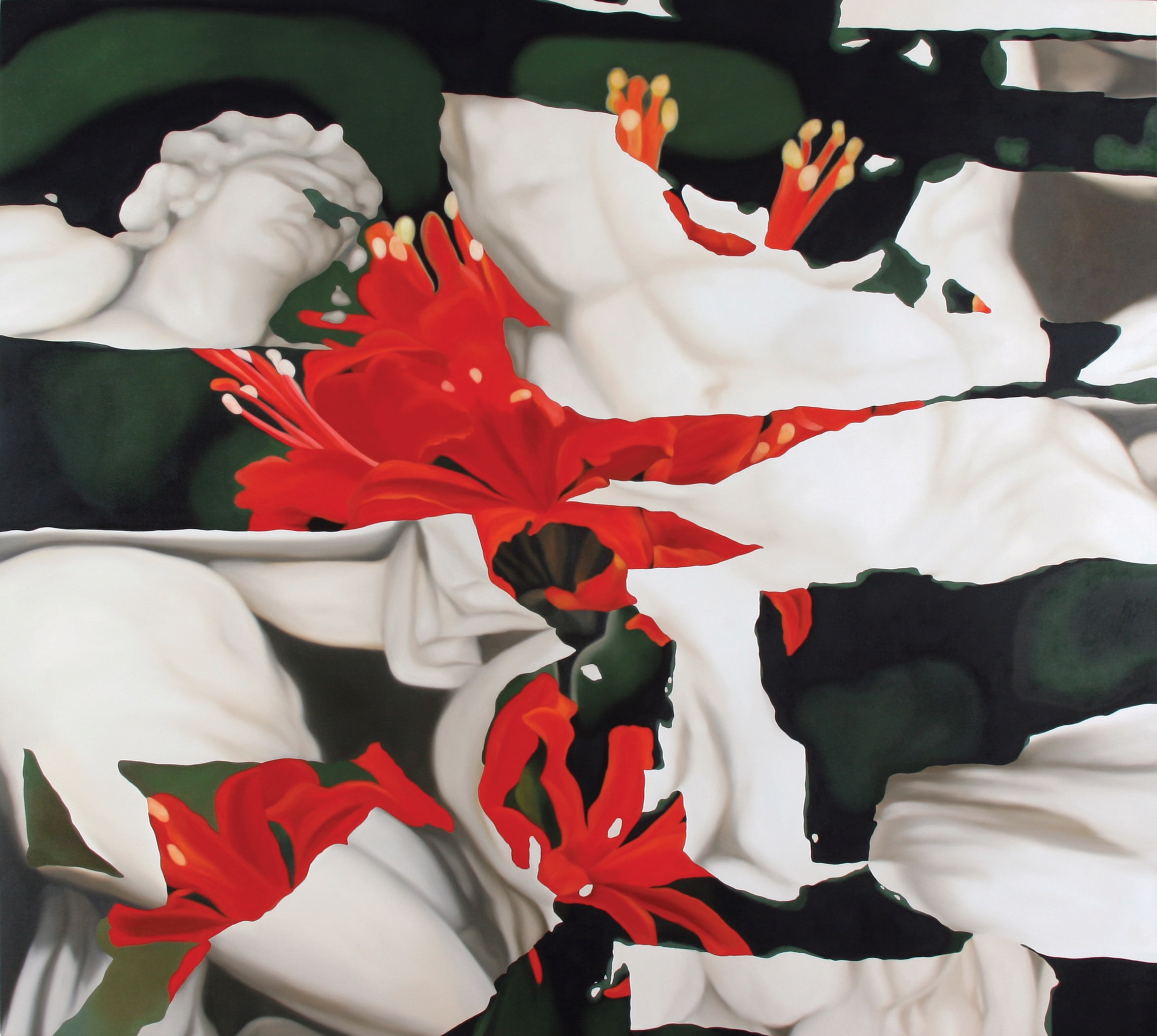
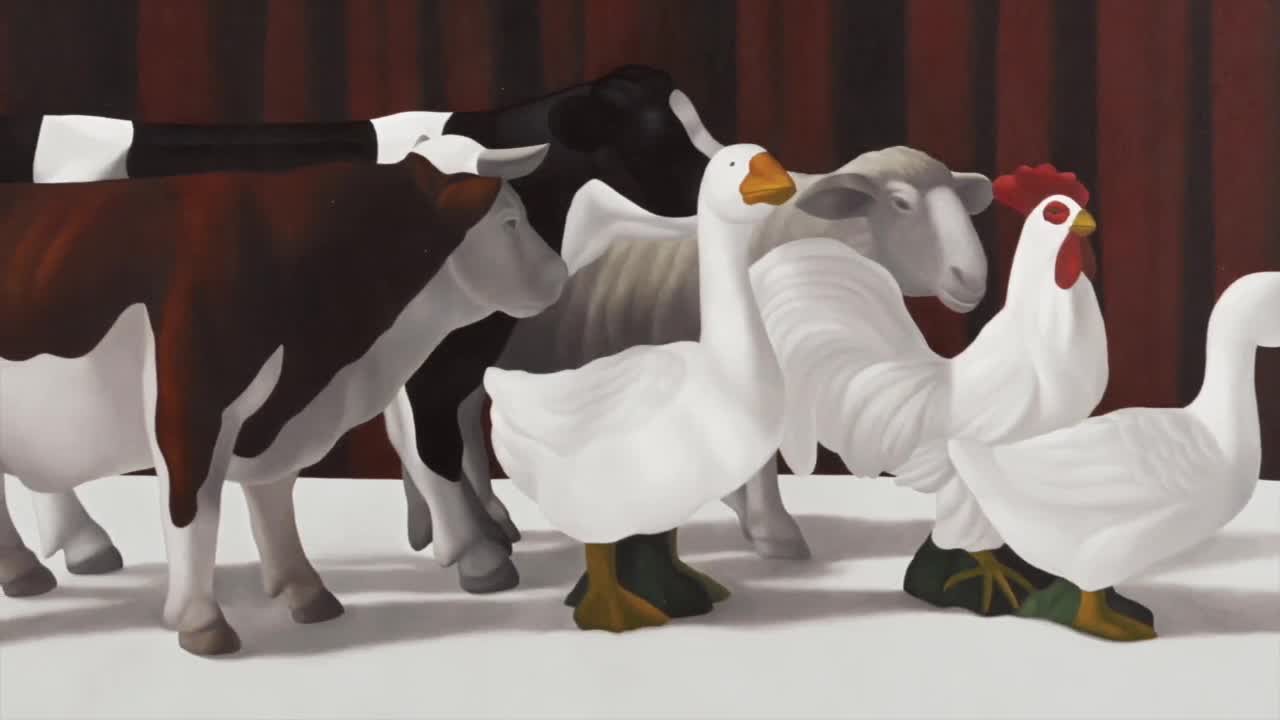
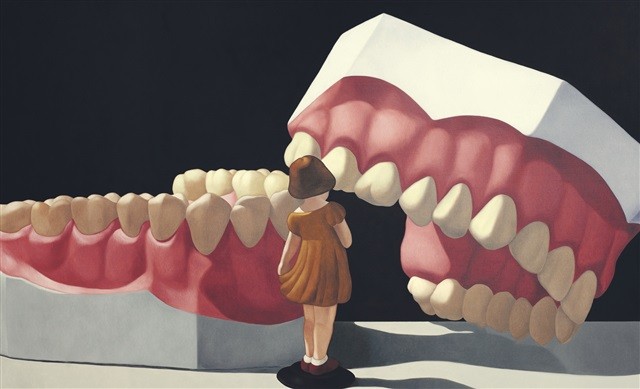
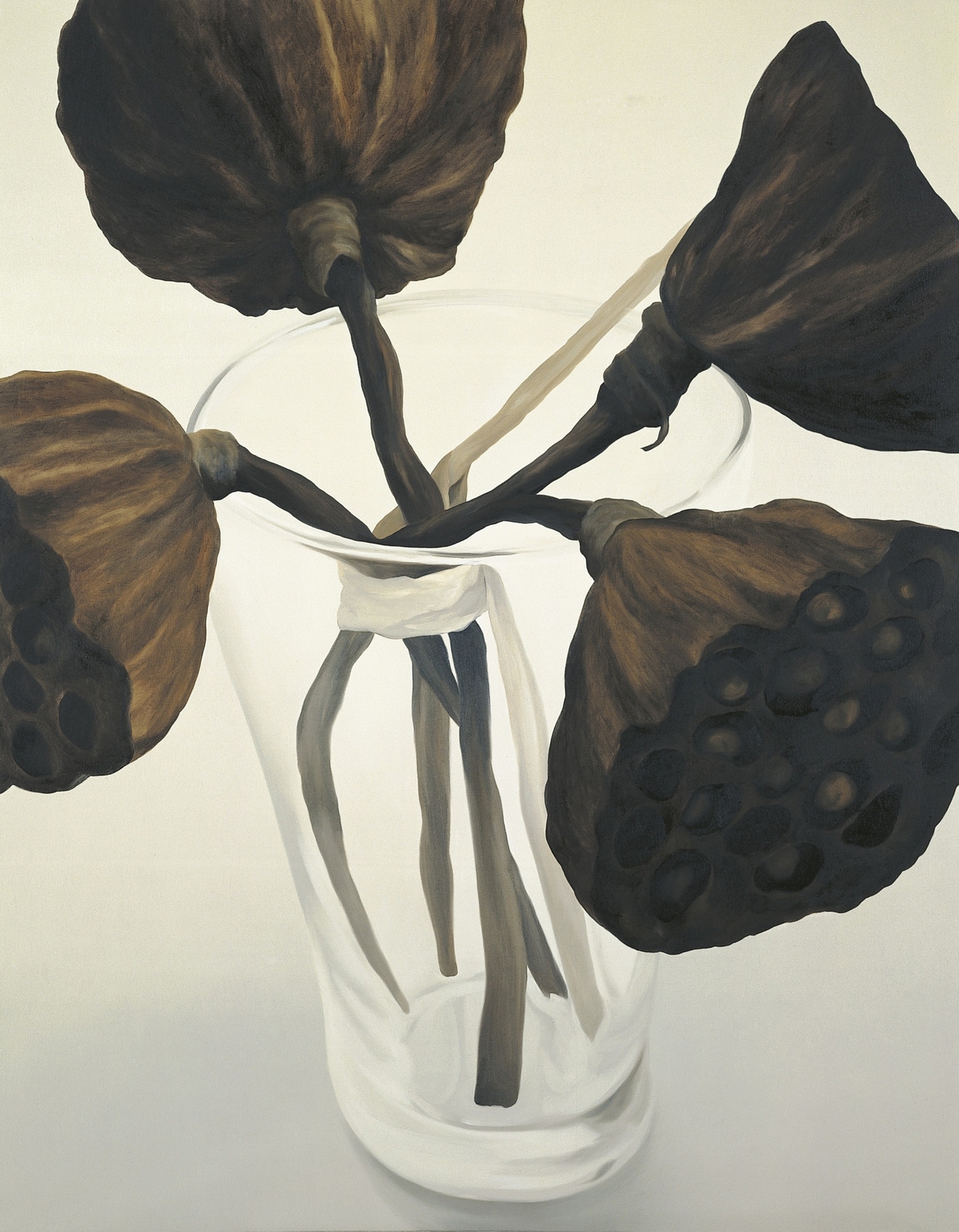
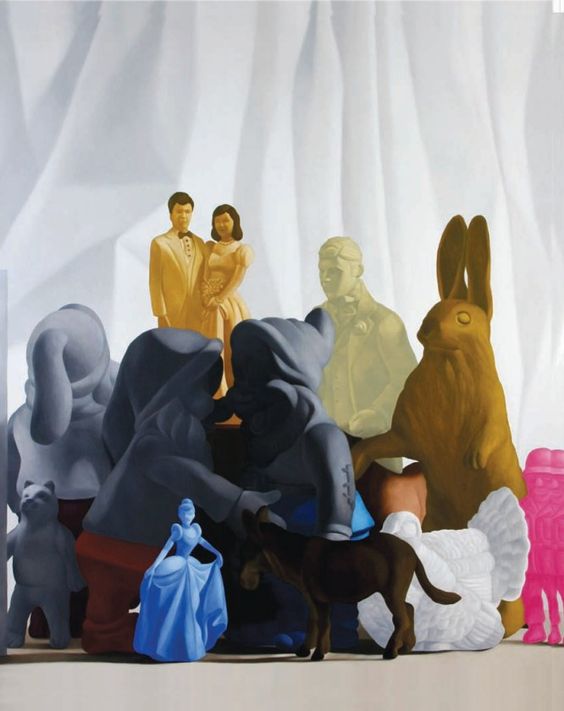
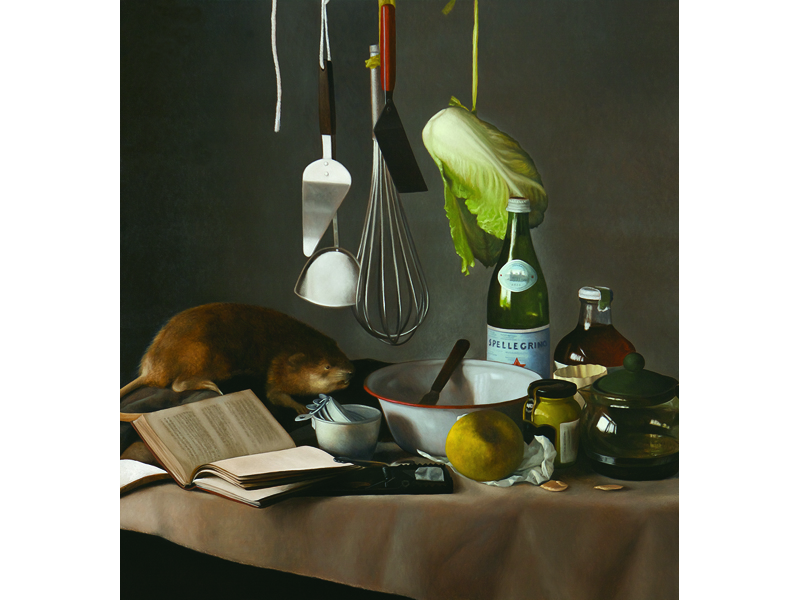
by Natee Utarit
147055756212
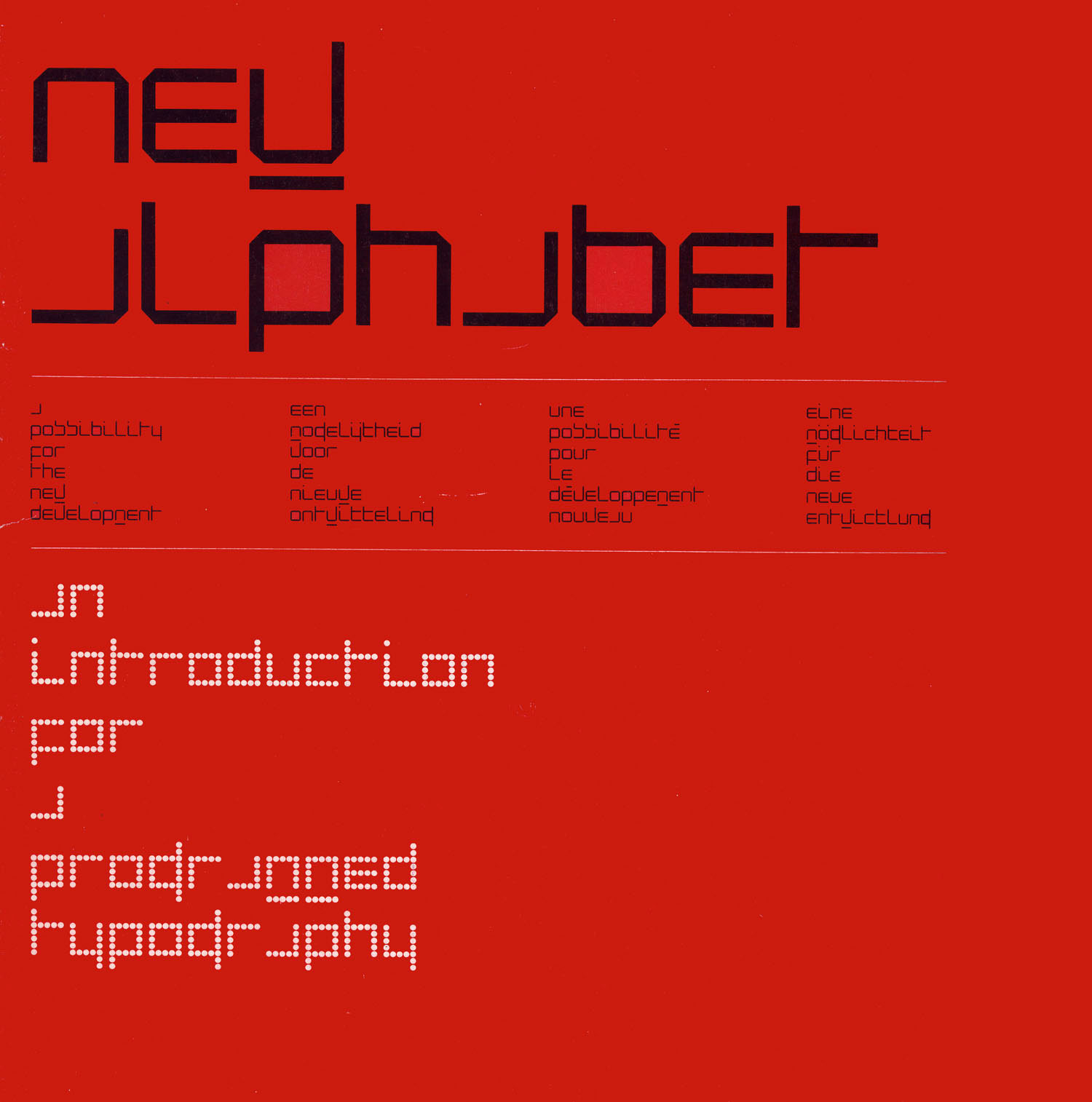
New alphabet, 1967 by Wim Crouwel
146600161077
Art is Dead
145047857622
“What I am after, above all, is expression. Sometimes it has been
conceded that I have a certain technical ability but that, my ambition
being limited, I am unable to proceed beyond a purely visual
satisfaction such as can be procured from the mere sight of a picture.
But the purpose of a painter must not be conceived as separate from his
pictorial means, and these pictorial means must be the more complete (I
do not mean complicated) the deeper is his thought. I am unable to
distinguish between the feeling I have for life and my way of expressing
it.”
Henri Matisse: A Master of the Modern Era
145026525482
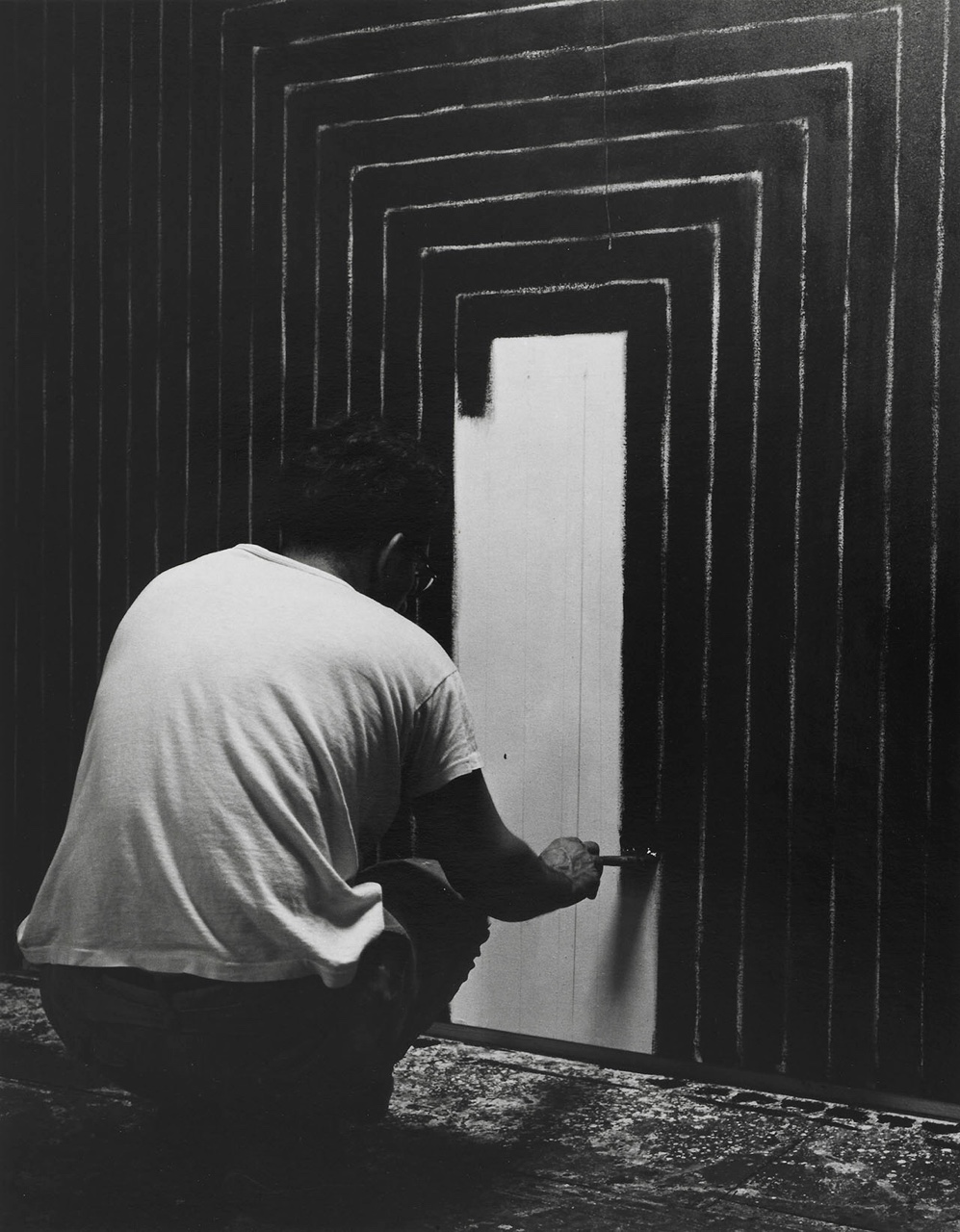
“My painting is based on the fact that only what can be seen there is there. It really is an object. Any painting is an object and anyone who gets involved enough in this finally has to face up to the objectness of whatever it is that he’s doing. He is making a thing.. ..all I want anyone to get out of my paintings, and all I ever get out of them, is the fact that you can see the whole idea without any confusion.. .What you see is what you see.”
Art by Frank Stella
143598153309
The Power of Art – Mark Rothko
143564197402
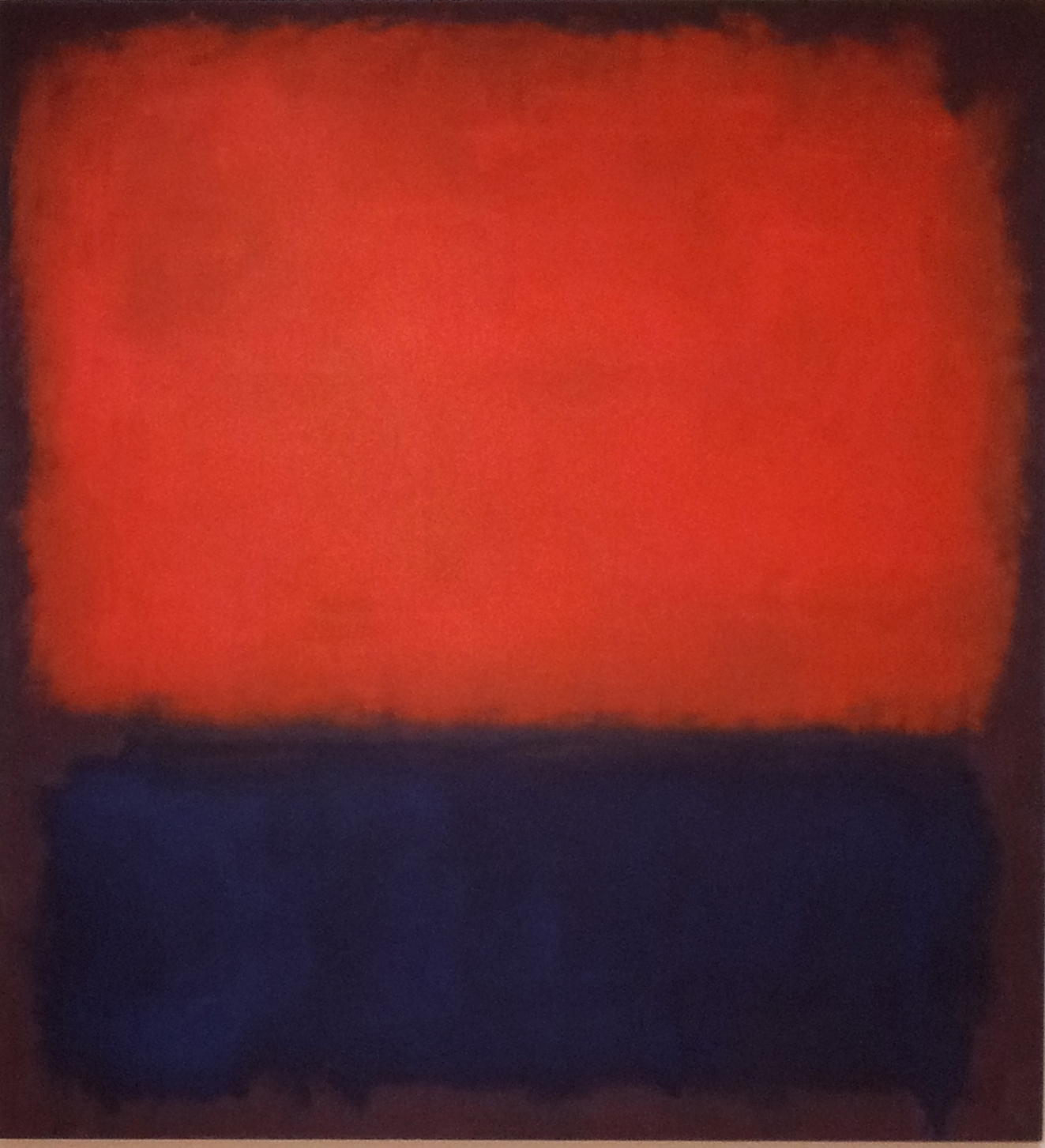
“I am not an abstractionist.. .I am not interested in the relationships
of color or form or anything else.. .I’m interested only in expressing
basic human emotions — tragedy, ecstasy, doom and so on — and the fact
that a lot of people break down and cry when confronted with my pictures
show that I communicate those basic human emotions.. .The people
who weep before my pictures are having the same religious experience I
had when I painted them. And if you, as you say, are moved only by their
color relationships, then you miss the point!”— Mark Rothko