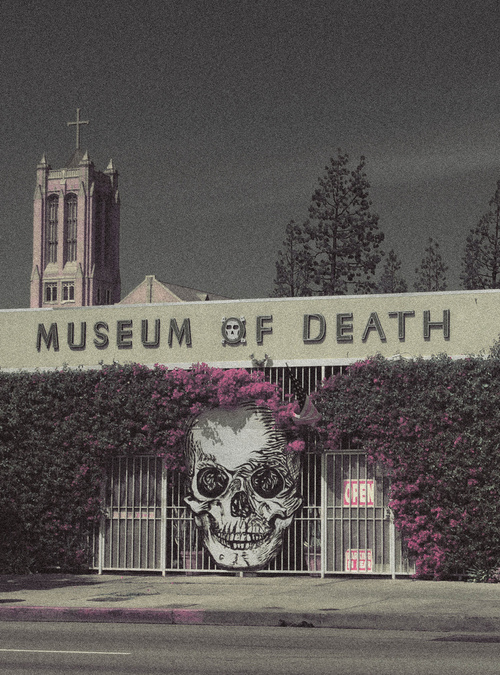
museum
772987100917383168
“The importance of art history can be summed up in a single word: integration. As we’ve already pointed out, when you study art history, you learn the context in which that piece was created. You also learn about the technologies of the day, or lack thereof. You gain an understanding of the sciences, literature and more. However, to make sense of all of this is another thing altogether. One of the biggest reasons why you should study art history is because it teaches you how to integrate information from disparate sources and to make sense of that information. This is a high-level thinking skill that has become increasingly important in the workplace and in life.”
772780211250085888

772120775757037568
NFT Art
The point of NFT (Non-Fungible Token) art lies in its ability to create a unique, verifiable digital asset on the blockchain. Here are some reasons why NFT art is significant:
1. Proof of Ownership and Authenticity
- NFTs serve as digital certificates of authenticity and ownership for a piece of art. While digital files can be easily copied, the NFT associated with the artwork is unique and cannot be duplicated.
2. Empowering Artists
- NFTs allow artists to sell their work directly to collectors without relying on traditional galleries or auction houses. This removes intermediaries and provides artists with more control and profit.
3. Royalties
- Many NFT platforms enable artists to earn royalties automatically whenever their art is resold. This ensures artists benefit from the ongoing appreciation of their work.
4. Global Accessibility
- NFTs make it easy to buy, sell, and showcase art worldwide. Collectors can access art markets digitally, opening up opportunities for artists to reach a broader audience.
5. Digital Ownership in the Age of Digital Art
- As more art is created digitally, NFTs provide a way to establish ownership and value for pieces that exist purely in the digital space.
6. Community and Interaction
- Many NFT projects are tied to communities or larger ecosystems. Owning an NFT might grant access to exclusive events, collaborations, or additional content, fostering a sense of connection between artists and collectors.
7. Speculation and Investment
- For some, NFTs represent an investment opportunity. Collectors may buy NFTs hoping they will increase in value over time.
8. Exploring New Creative Mediums
- NFTs encourage artists to experiment with new forms of expression, such as interactive or evolving digital artworks, which aren’t possible in traditional formats.
While some critics see NFTs as overhyped or problematic (e.g., concerns about environmental impact or speculative bubbles), proponents view them as a revolutionary way to value, share, and engage with art in the digital era. For artists, NFTs could provide a platform to share their digital creations while building a sustainable income.
— ChatGPT
771870737431740416
Contemporary art refers to artwork created by living artists or from the late 20th century to the present. It reflects current ideas, issues, and cultural trends, often exploring diverse mediums, concepts, and styles. It challenges traditional boundaries and invites personal interpretation.
— ChatGPT
754315833804783616
753480812122587136

751850200751128576
743361042109841408
In my view, when people discuss digital culture or the art world, they often focus solely on Western culture.
740980364044058624
Saving Banksy
739417352186265600

732278773711503360
“Jackson Pollock, the renowned American artist known for his abstract expressionist paintings, didn’t often speak at length about the monetary value of his art. He was more focused on the creative and expressive aspects of his work. Pollock did express his thoughts on art in general and his artistic process, but discussions about the market value of his art were not a central theme in his public statements. The value of his art became more prominent in later years, as his works gained significant recognition and fetched high prices in the art market.”
— ChatGPT
731791850683400192
723199409127636992
By ChatGPT
Some artists may feel the need to assert their identity as “real artists” due to various reasons:
1. Validation: Artists often face criticism or skepticism about their work, especially in the early stages of their careers. By proclaiming themselves as “real artists,” they seek validation from others and reaffirm their commitment and skill in their chosen medium.
2. Imposter syndrome: Many artists, even those with significant talent and success, may experience imposter syndrome—a feeling of inadequacy and fear of being exposed as a fraud. By emphasizing their status as “real artists,” they may be trying to overcome their own self-doubt and convince themselves that they belong in the artistic community.
3. Differentiation: In a highly competitive artistic landscape, some artists might use the phrase to distinguish themselves from amateurs or hobbyists. By asserting their professionalism and dedication, they aim to establish their credibility and set themselves apart from those who may not be as serious or committed.
4. Marketing and branding: In the realm of self-promotion, artists often need to build a personal brand and create a distinct image for themselves. Presenting oneself as a “real artist” can be part of their marketing strategy to attract attention, gain recognition, and position themselves as experts in their field.
5. Artistic identity: For some artists, the label of a “real artist” is not just about external validation but also an internal affirmation of their creative identity. It represents their passion, purpose, and the depth of their artistic practice, reflecting their dedication to their craft and their unique vision.
It’s important to note that not all artists feel the need to assert their identity in this way, and the term “real artist” can be subjective, as artistic expression is diverse and personal. Ultimately, the desire to proclaim oneself as a “real artist” may stem from a combination of personal, societal, and professional factors.