nuclear
803200794784661504
Nuno Loureiro, professor and director of MIT’s Plasma Science and Fusion Center, dies at 47
“With great sadness, I write to share the tragic news that Professor Nuno Loureiro, director of the Plasma Science and Fusion Center (PSFC), died early this morning from gunshot wounds he sustained a few hours before.” — Sally Kornbluth
791169701662408704
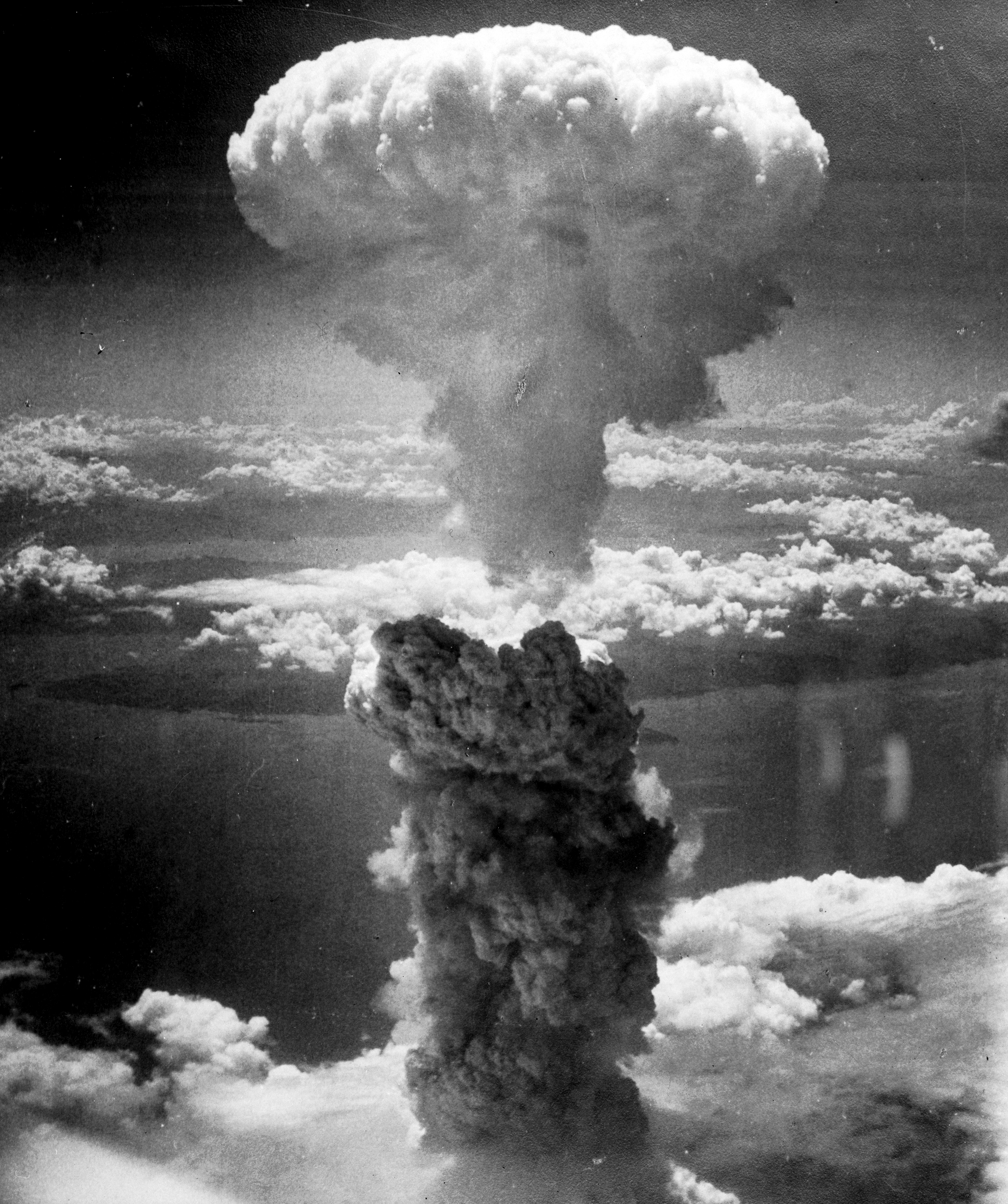
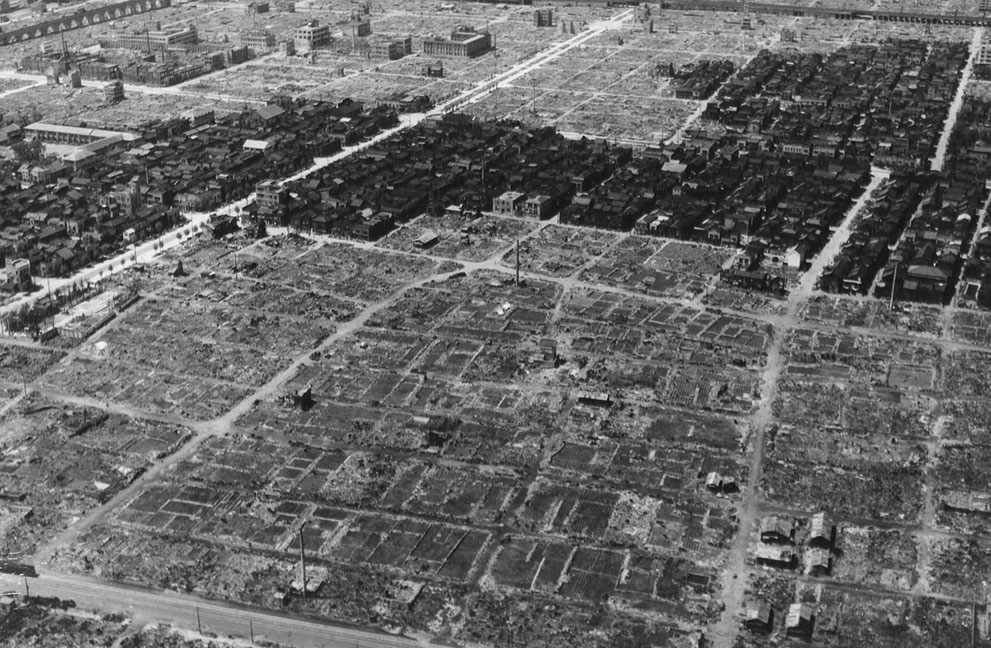
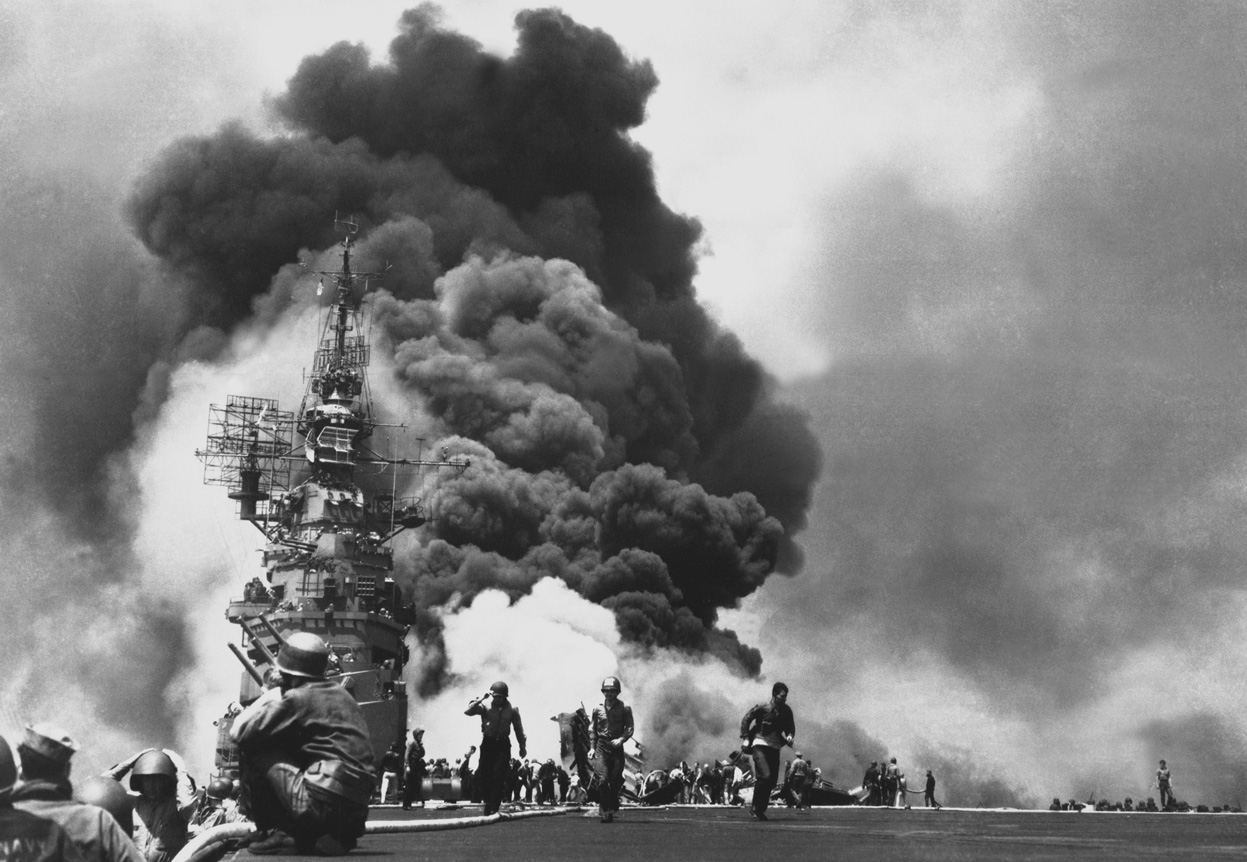
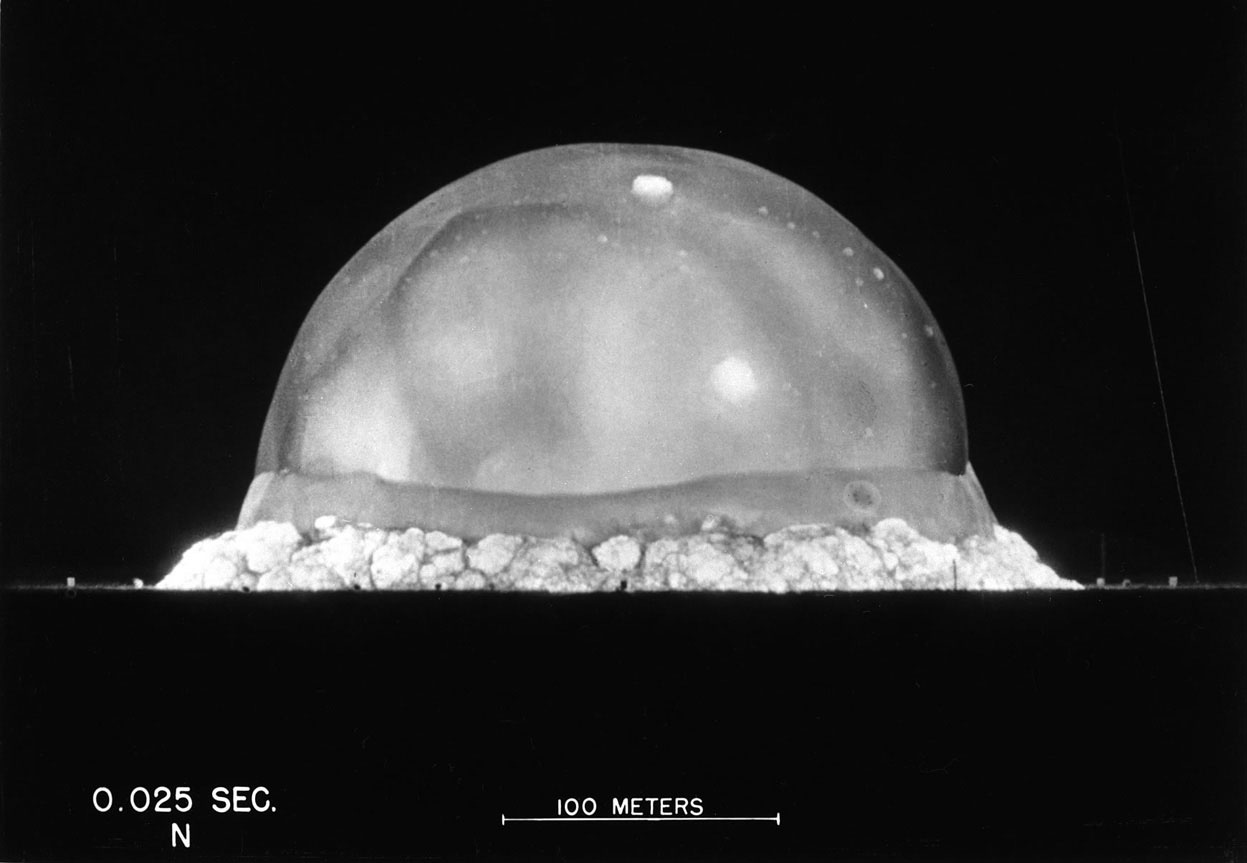
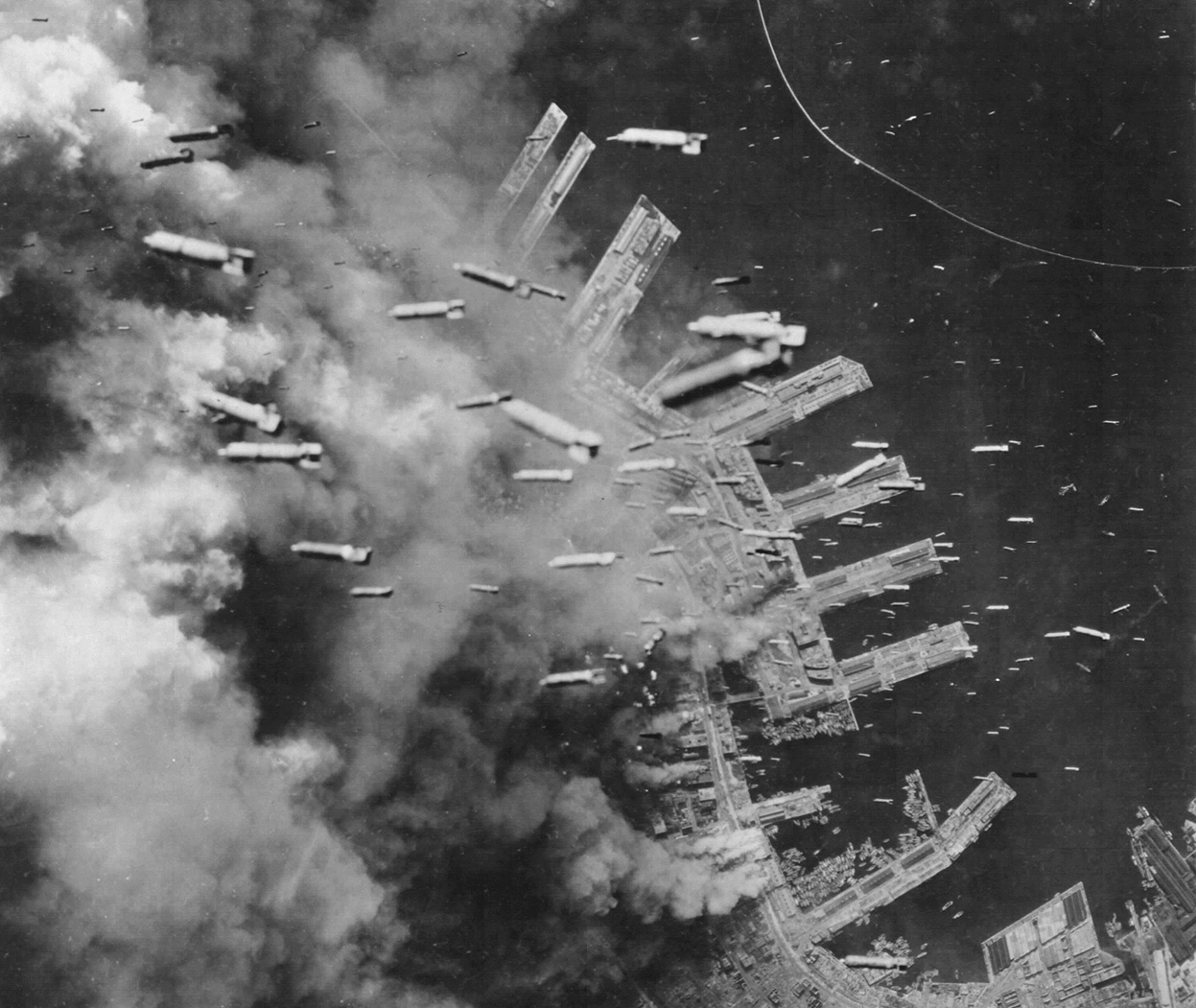
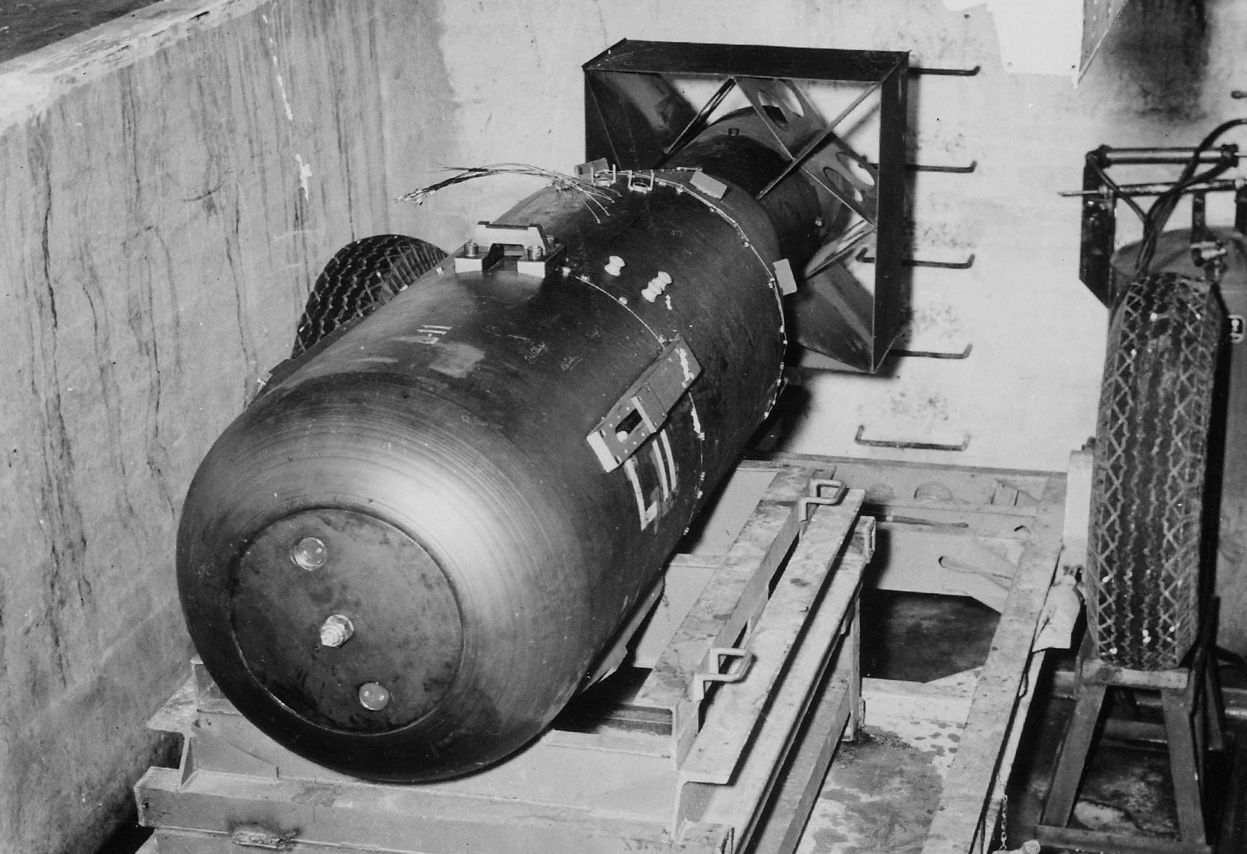
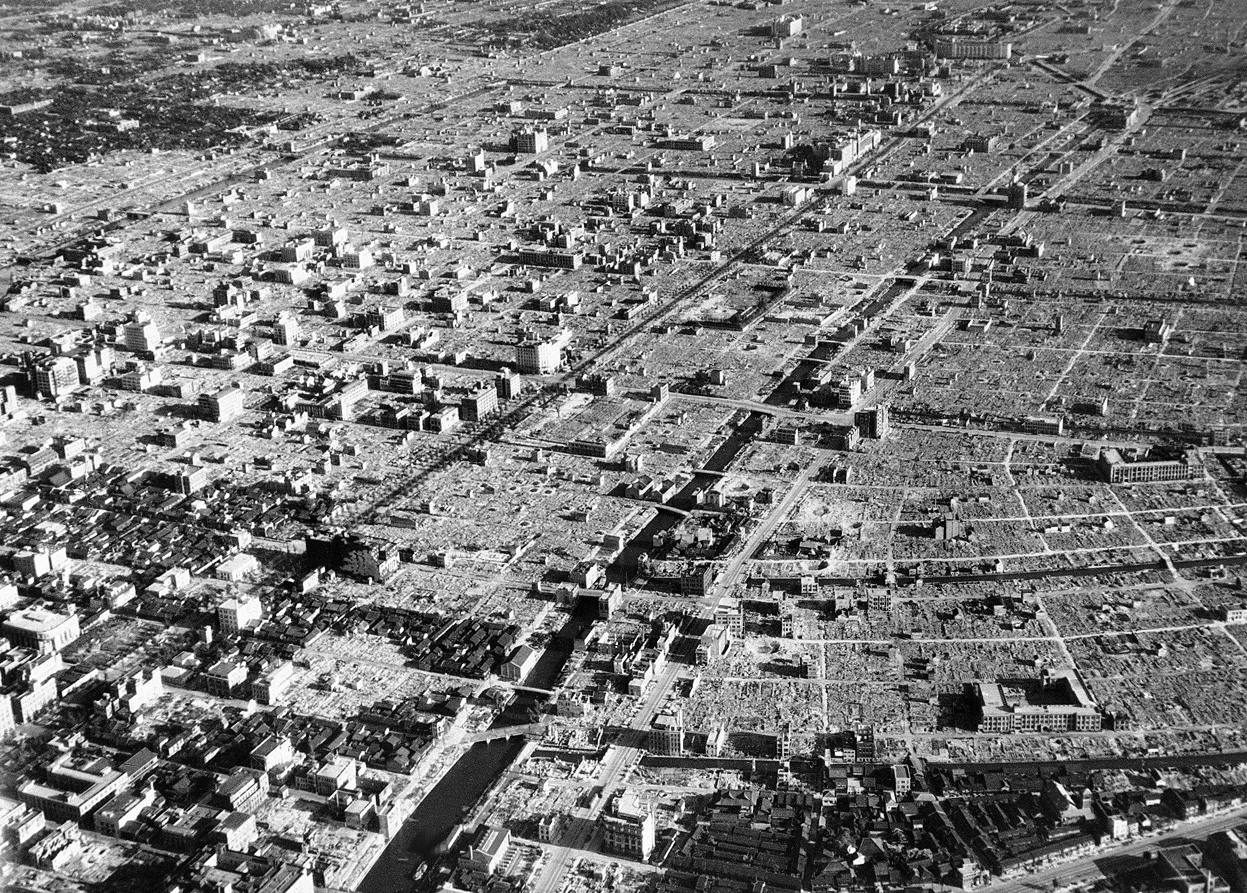
Atomic bombings of Hiroshima and Nagasaki
The United States gave Japan a warning and a deadline to surrender before the atomic bombings of Hiroshima and Nagasaki, though not with an explicit mention of the atomic bomb itself.
Key Warning: The Potsdam Declaration (July 26, 1945)
- The Potsdam Declaration was issued by the United States, the United Kingdom, and China.
- It called for Japan’s unconditional surrender, warning of “prompt and utter destruction” if they refused.
- It did not mention the atomic bomb specifically, as the weapon had not yet been used publicly and was still secret.
- Japan was given an ultimatum, though no exact deadline date was specified.
- Japan’s government rejected the ultimatum (or more accurately, chose to ignore it, which was interpreted as rejection by the Allies).
What happened next:
- On August 6, 1945, the U.S. dropped the first atomic bomb on Hiroshima.
- On August 8, the Soviet Union declared war on Japan.
- On August 9, the second atomic bomb was dropped on Nagasaki.
- Japan announced its intention to surrender on August 15, 1945, leading to the formal surrender on September 2, 1945.
Summary:
The U.S. did issue a surrender ultimatum (Potsdam Declaration) before the bombings, but did not reveal that an atomic bomb would be used. The warning was serious but vague about the nature of the coming destruction.
779327802182942720
Uranium Glass – What It Is, How To Spot It, and Current Market Value
767897918921490432
Project Blue Book: Alien Interview
149096273972
Putin: US / NATO is irreversibly pushing the world towards nuclear war
144243212692
143865463727
Thorium: Kirk Sorensen at TEDxYYC
140677806962
128861158088
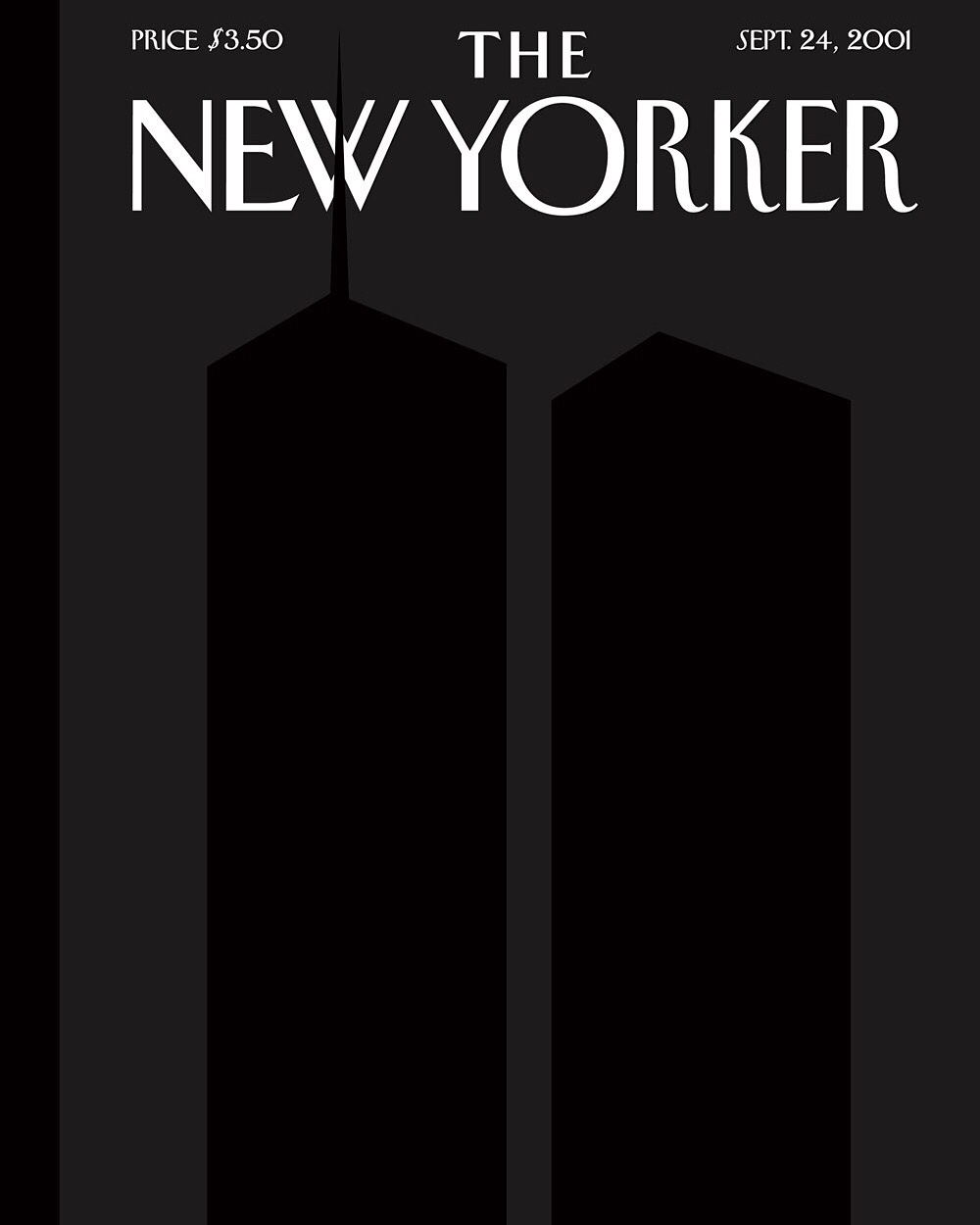
“9/11/2001” by Art Spiegelman and Françoise Mouly
126002226427
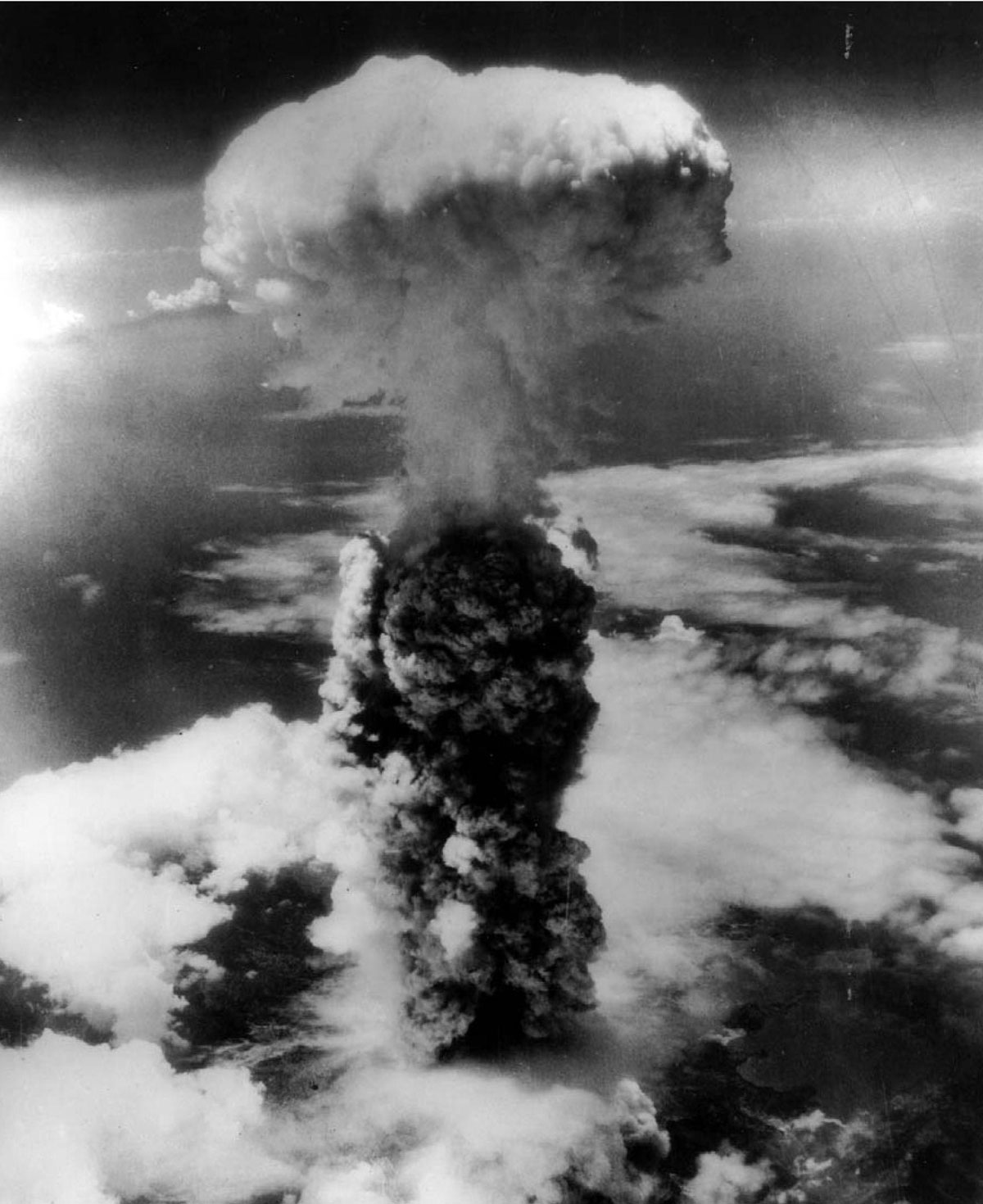
ATOMIC BOMBING OF NAGASAKI, 9 August 1945
124506333994
118820179797
114741755992
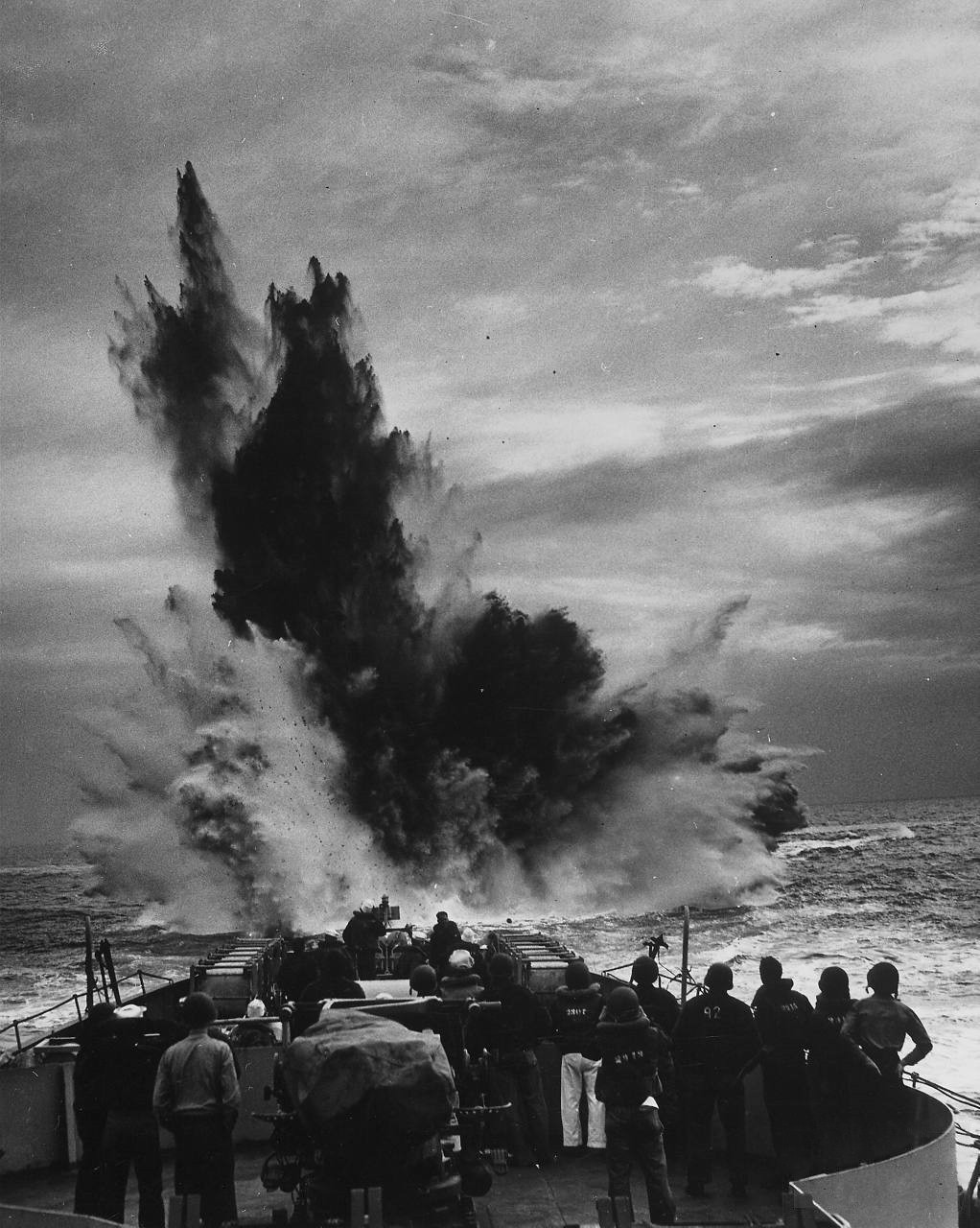
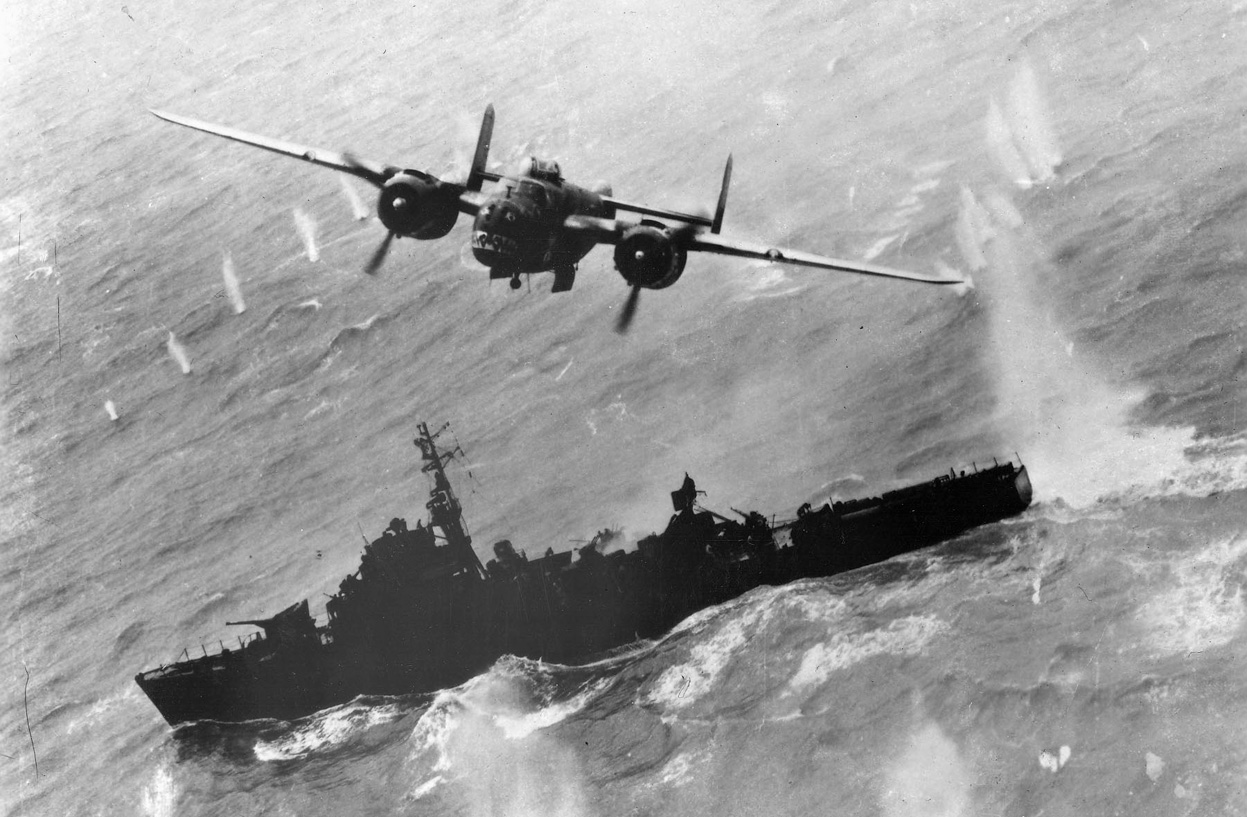
A depth charge is an anti-submarine warfare (ASW) weapon intended to destroy or cripple a target submarine by subjecting it to a powerful hydraulic shock. Most depth charges are fitted with conventional high explosives and a fuze set to cause detonation at a preselected underwater depth. Depth charges can be dropped by ships, patrol aircraft, or helicopters. The depth charge has now largely been replaced by anti-submarine homing torpedoes.
A depth charge fitted with a nuclear warhead is known as a nuclear depth bomb. These were designed to be dropped from a patrol plane or deployed by anti-submarine missile
from a surface ship, or another submarine, located a safe distance
away. All nuclear anti-submarine weapons were withdrawn from service by
the United States, the United Kingdom, France, Russia, and China in or
around 1990. They were replaced by conventional weapons that provided
ever-increasing accuracy and range as ASW technology improved.
114741225497