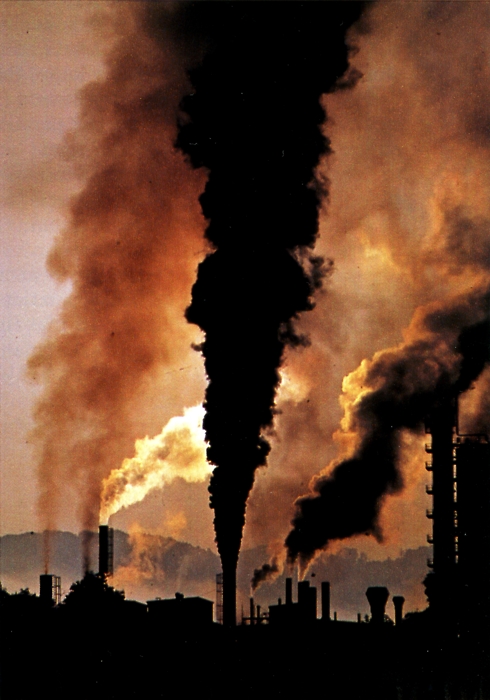
oil
148637649417
Alla Prima
Wet-on-wet, or alla prima (Italian, meaning at first attempt), is a painting technique, used mostly in oil painting,
in which layers of wet paint are applied to previously administered
layers of wet paint. This technique requires a fast way of working,
because the work has to be finished before the first layers have dried.
It may also be referred to as ‘direct painting’ or the French term au premier coup (at first stroke).[1]
Wet-on-wet painting has been practiced alongside other techniques
since the invention of oil painting, and was used by several of the
major Early Netherlandish painters in parts of their pictures, such as Jan van Eyck in the Arnolfini portrait, and Rogier van der Weyden.[2]
In traditional painting methods new layers were applied to most parts
of a painting only after allowing the previous layer to completely dry.
This drying process could vary from several days to several weeks,
depending on the thickness of the layer. Work done using “alla prima”
can be carried out in one or more sessions – depending on the type of
paints used and their respective drying time – but it is mostly done in
one session or “sitting” only.[3]
Among the many Baroque painters who favored an alla prima technique were Diego Velázquez and Frans Hals. In the Rococo era, connoisseurs appreciated bold alla prima painting, as exemplified in the works of artists such as Jean-Honoré Fragonard, Francesco Guardi, and Thomas Gainsborough.
Since the mid-19th century, the use of commercially produced pigments
in portable tubes has facilitated an easily accessible variety of
colors to be used rapid and on-the-spot painting. Impressionists like Claude Monet, post-Impressionists like Vincent van Gogh, realists like John Singer Sargent, Robert Henri and George Bellows, Expressionists such as Chaim Soutine, and the Abstract Expressionist Willem de Kooning
have each in different ways exploited the potential for fluid energy in
the application of oil paints. It is still heavily used by both
figurative and non-figurative fine artists today.[4]
In the medium of watercolors,
wet-on-wet painting requires a certain finesse in embracing
unpredictability. Highly translucent and prone to accidents, watercolor
paint will bloom in unpredictable ways that, depending on the artist’s
frame of mind, can be a boon or a burden.
147973213217
147723286582
Thomas Sgouros
interview
146258065812
THE HISTORY OF IMPRESSIONISM – Discovery Art Artist (documentary)
145600059537
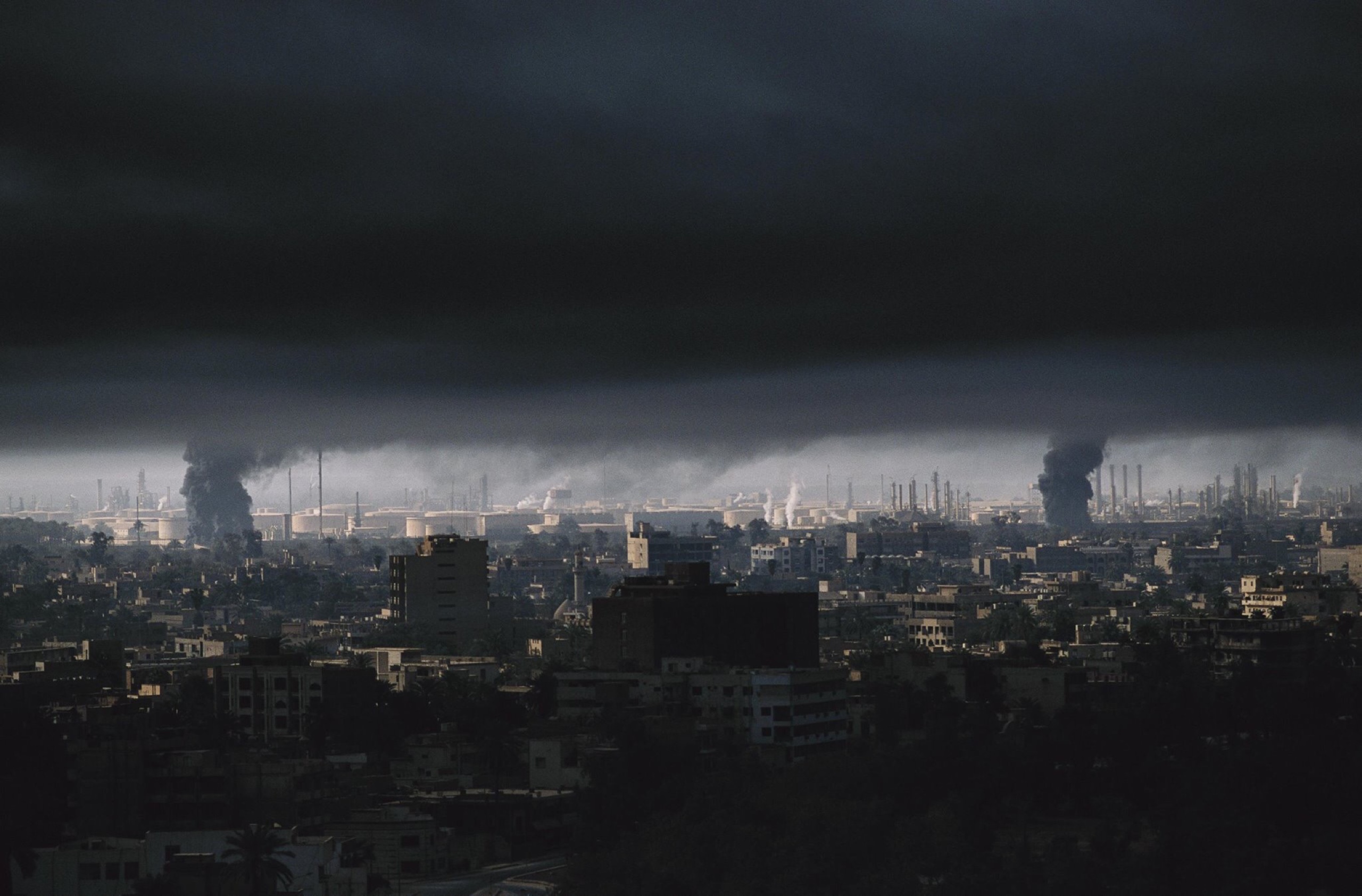
Polluted sky over Baghdad by oil smoke during the three-week coalition air strikes over the city, Iraq, Feb. 15, 2003.
144823026730
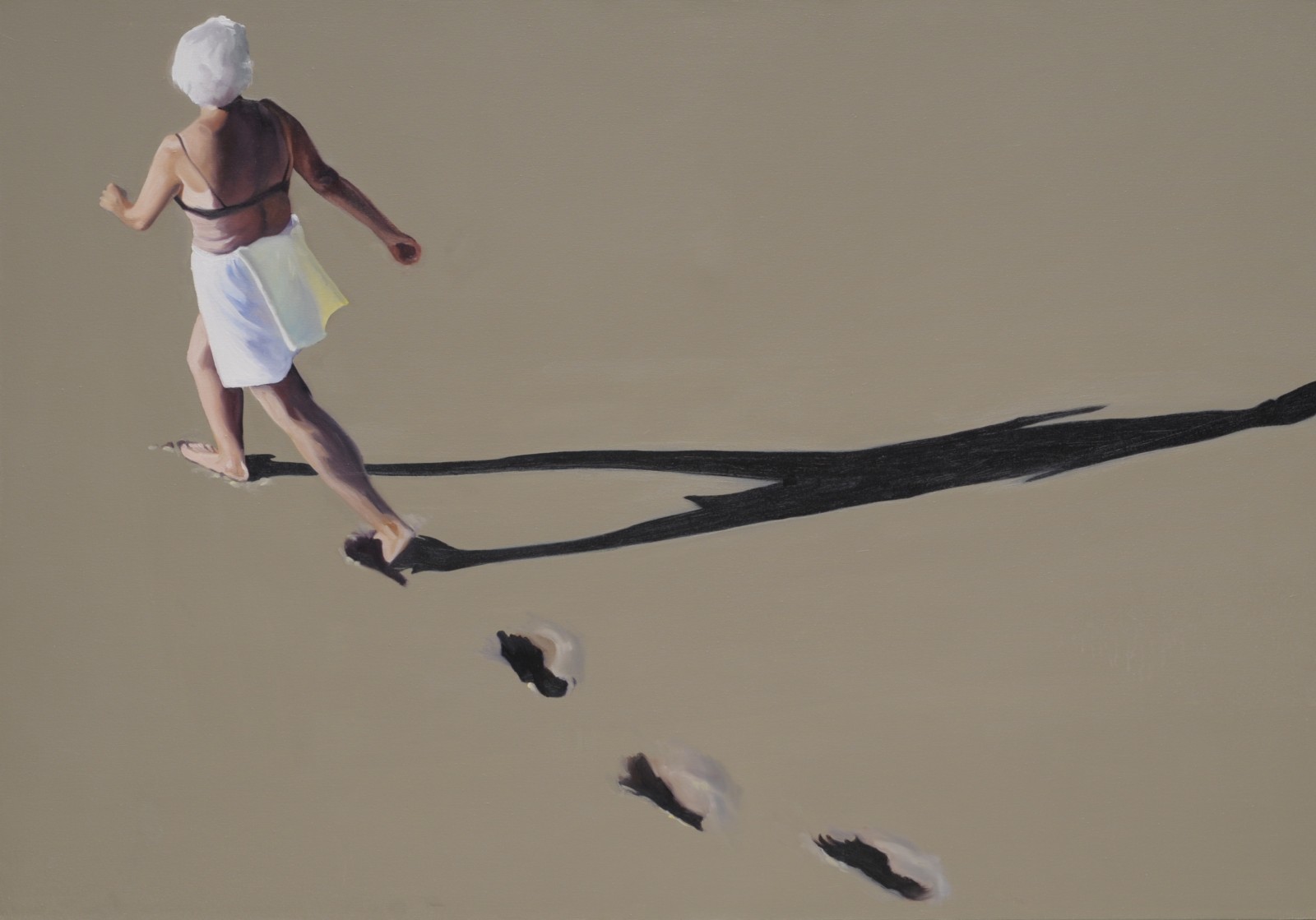
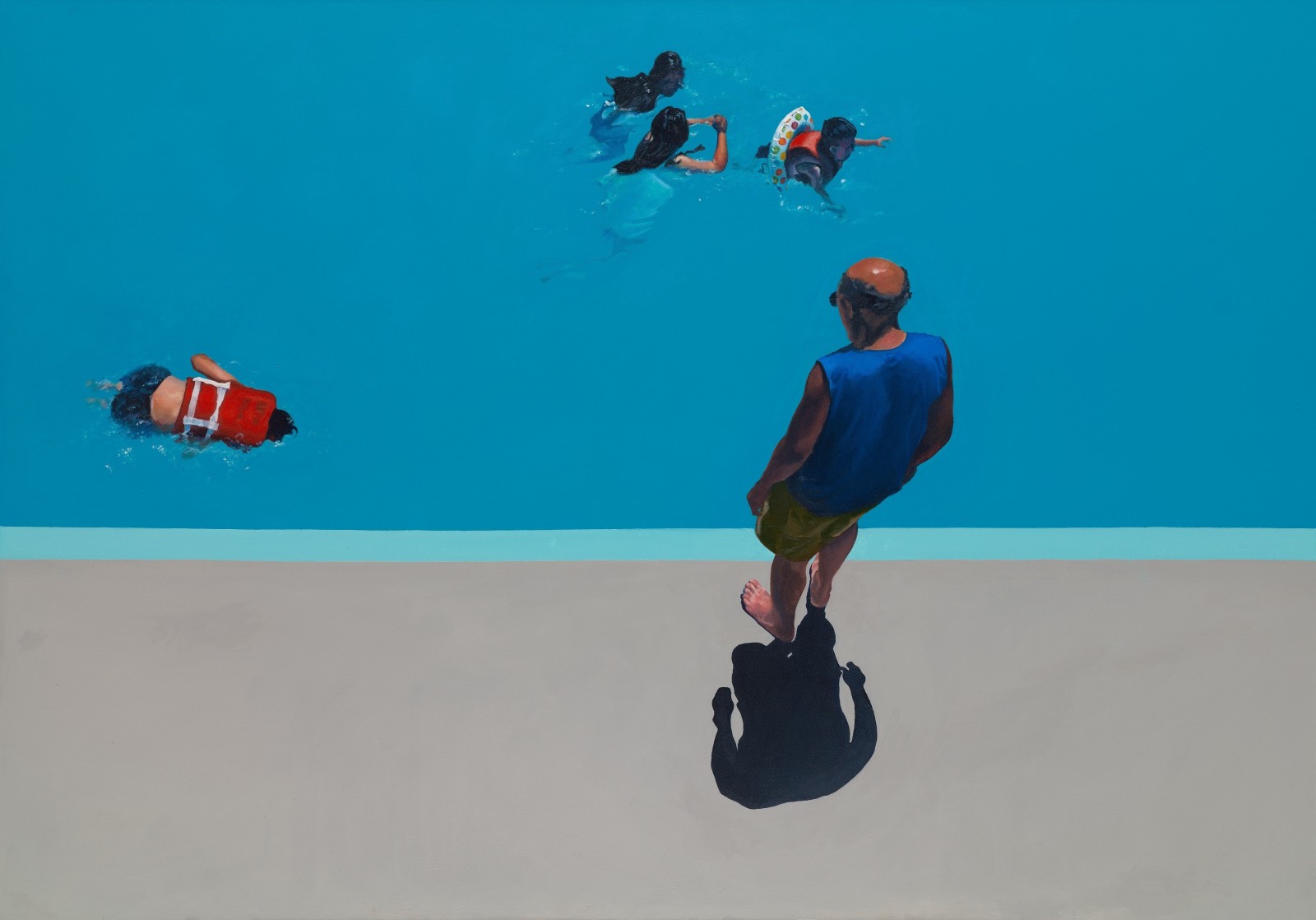
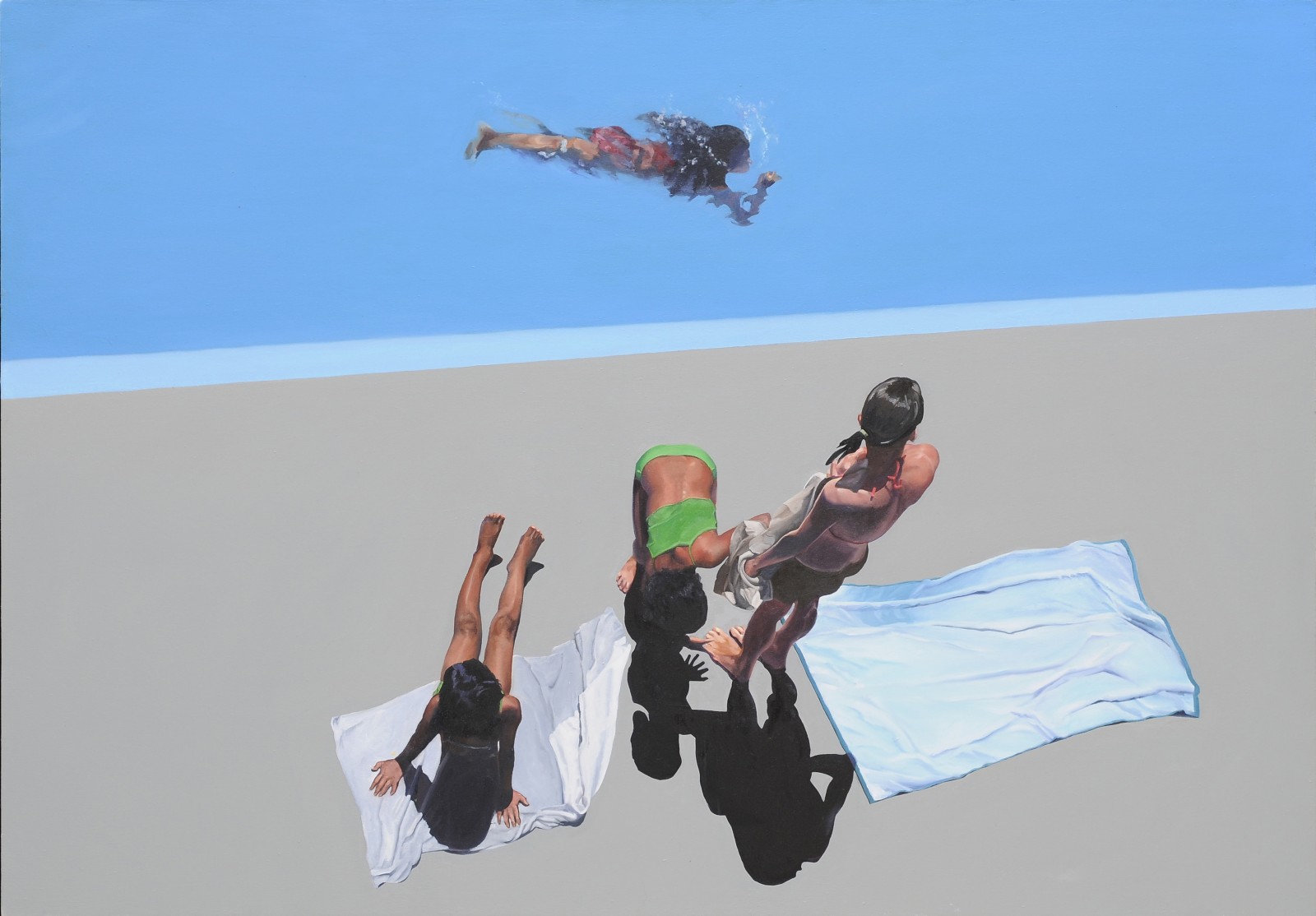
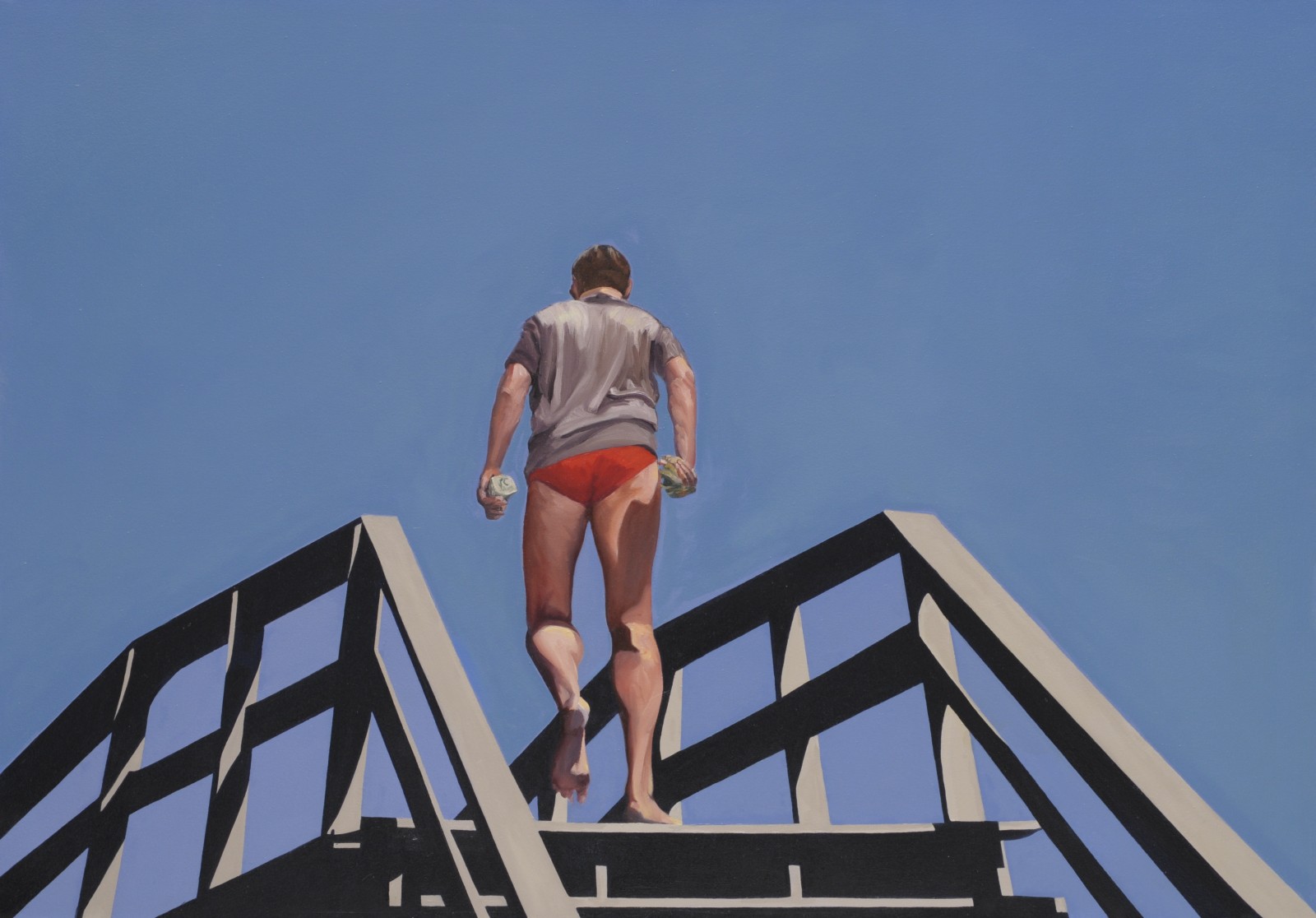
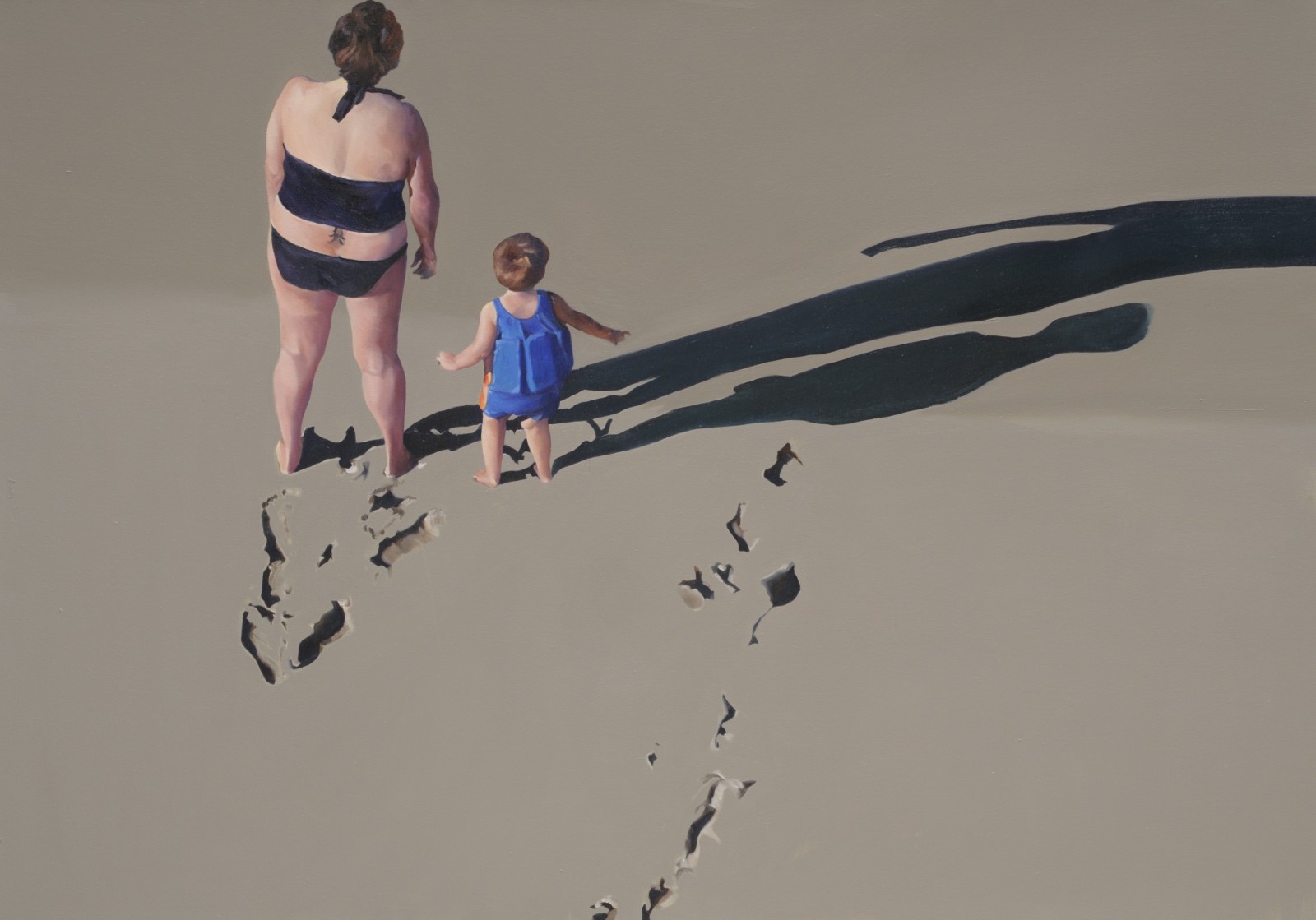
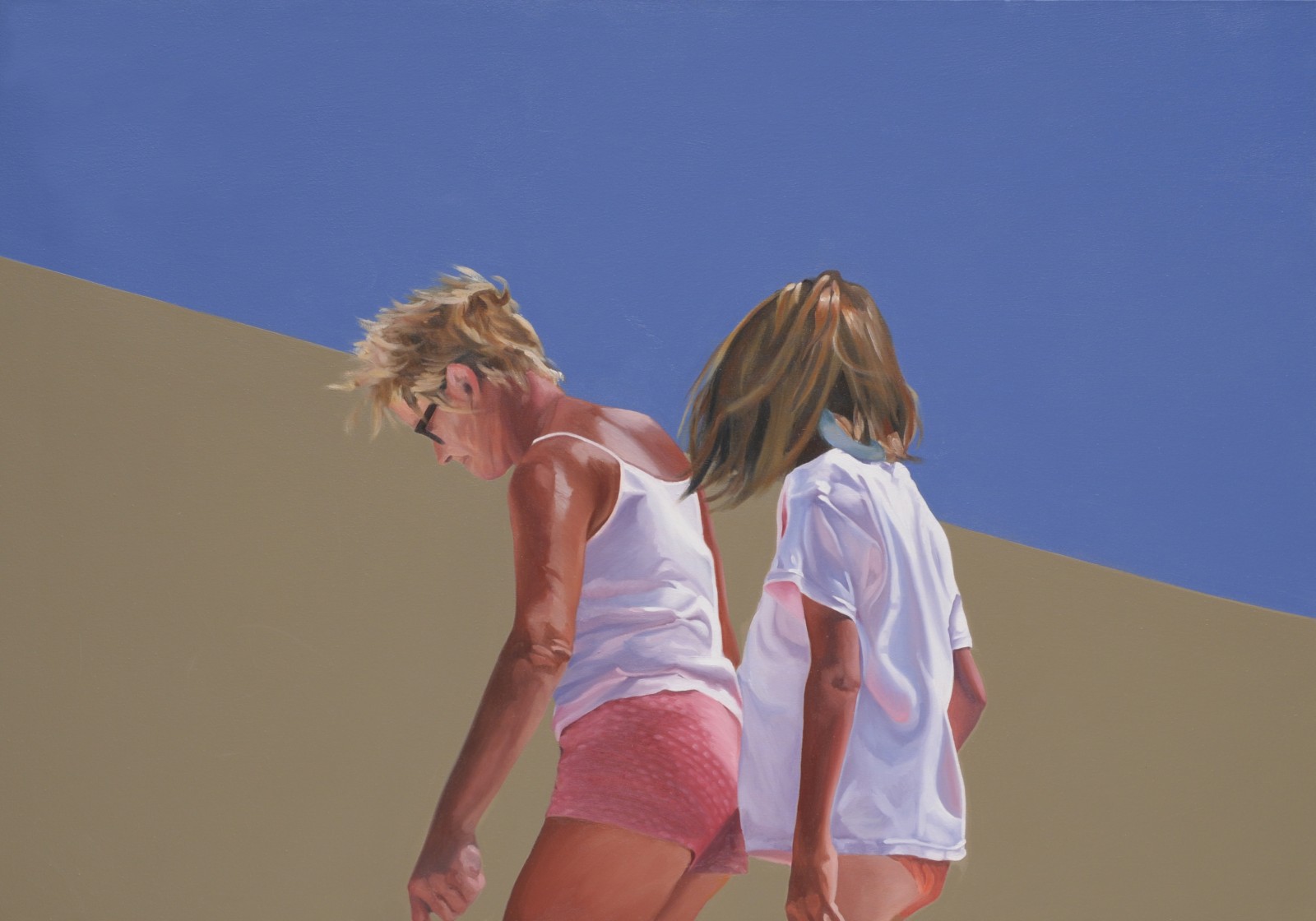
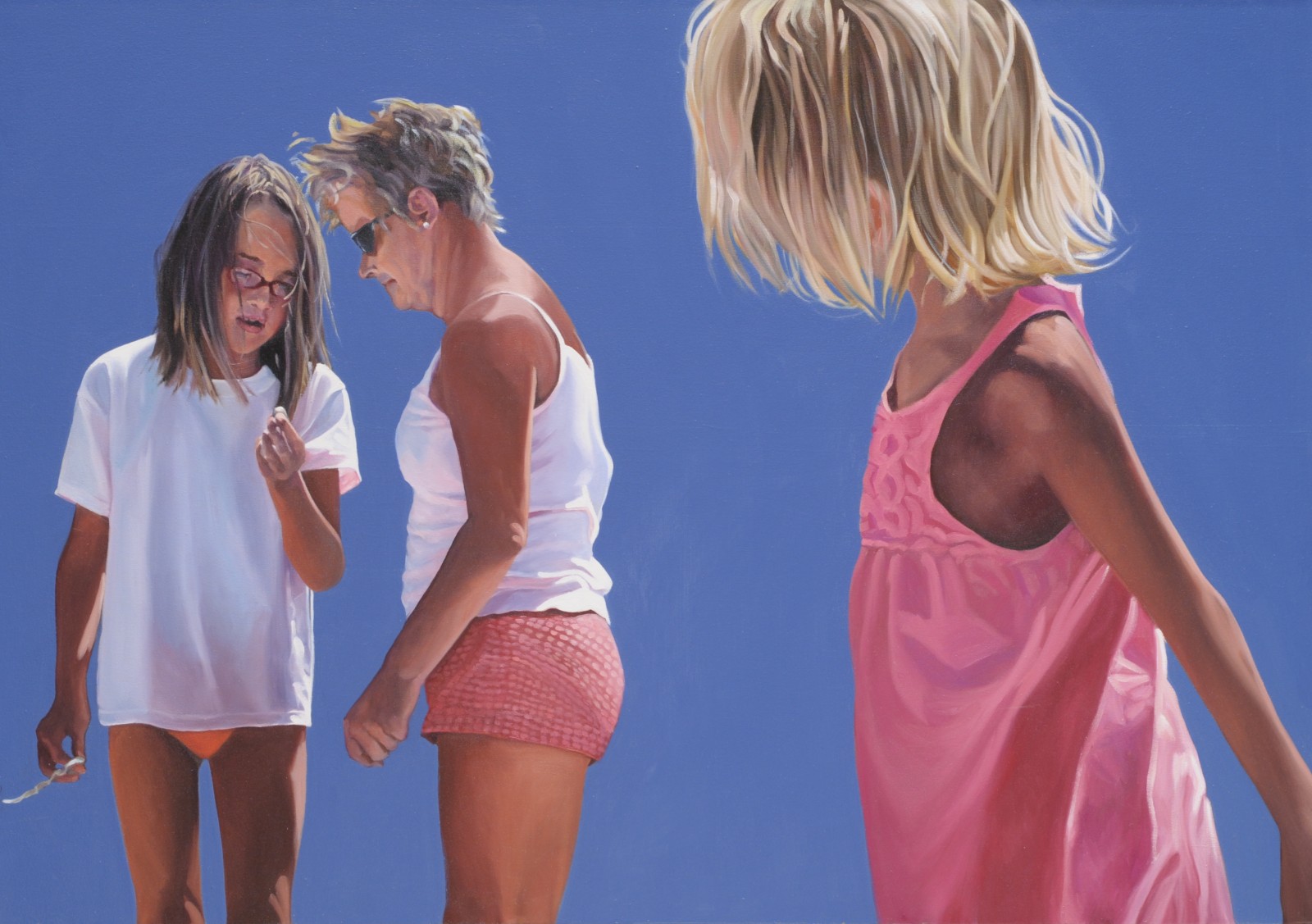
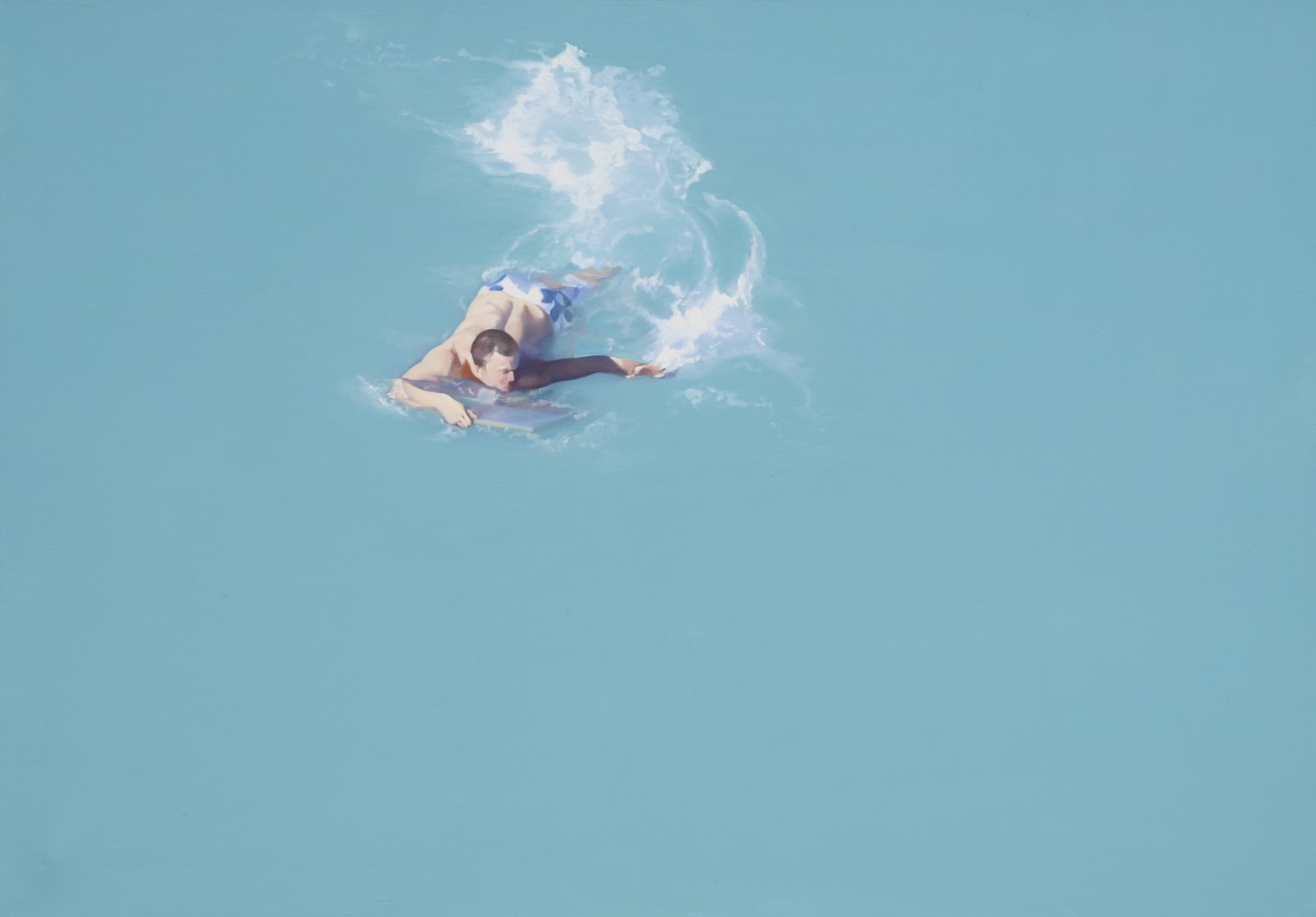
Oil on canvas painting by Gini Lawson
144522495302
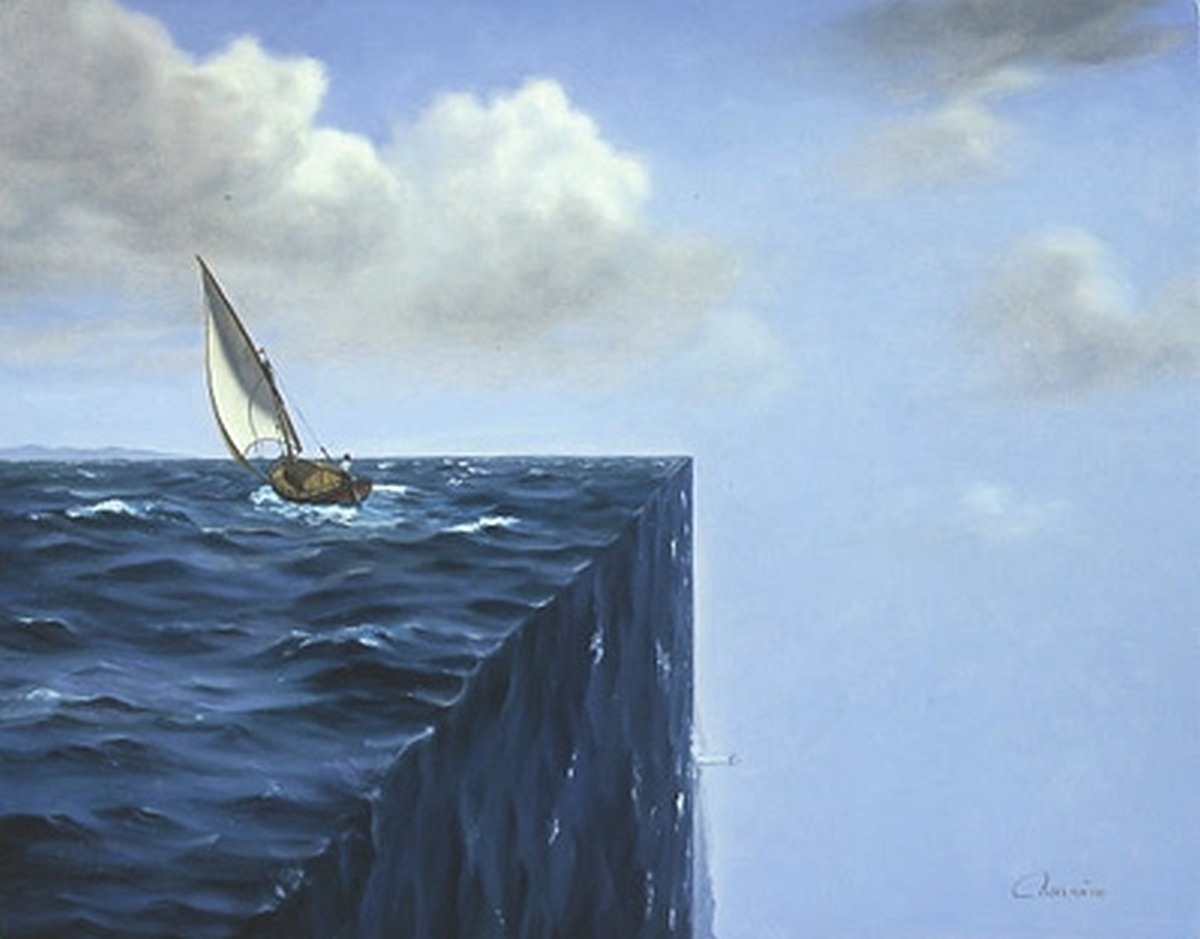
Samy Charnine, Horizon Oil on canvas, 16 x 20 inches Private collection
142919241852
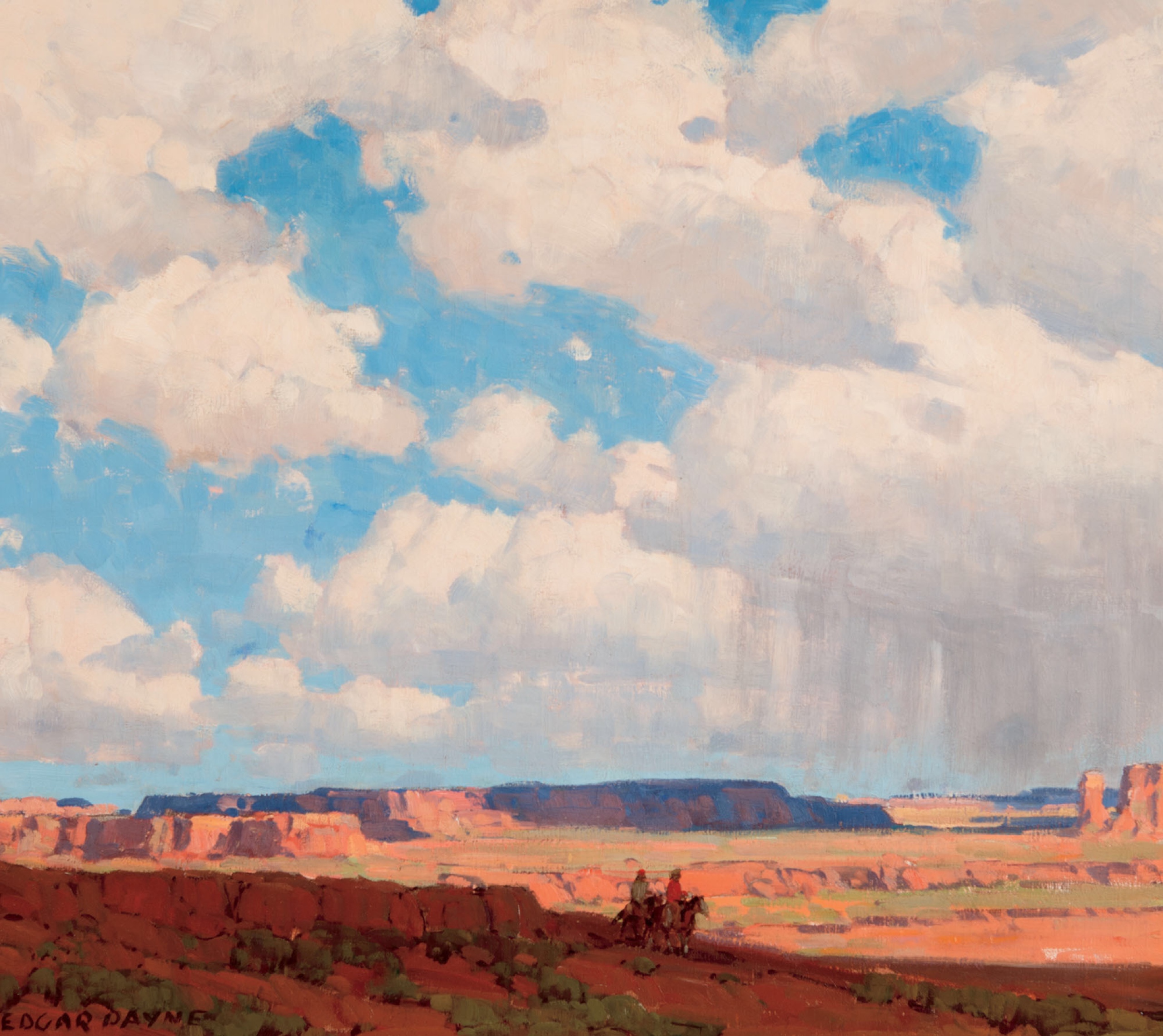
Monument Valley By Edgar Payne (1883 – 1947) c. 1925 oil on canvas, 30 x 34 inches
“These are the kinds of clouds you see ships in, turtles in, the kinds of clouds you see the mouths of wolves in. These are the kinds of rocks you see lost cities in, lost worlds in, the kinds of rocks where great warriors contend with great beasts. Far off, at right, rain streaks into shadow. Soon the light will shift, and the shapes will shift with the light, and you will make new worlds of these shapes, worlds for your imagination to revel in and dwell in.”
137867812152
133072238167
133041778462
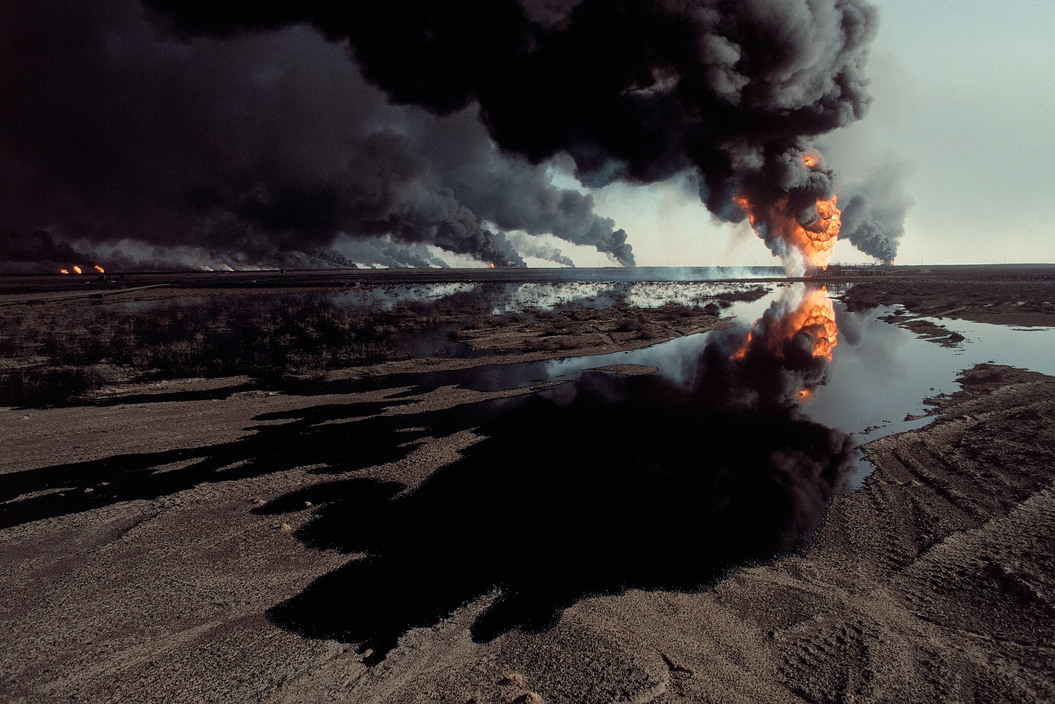
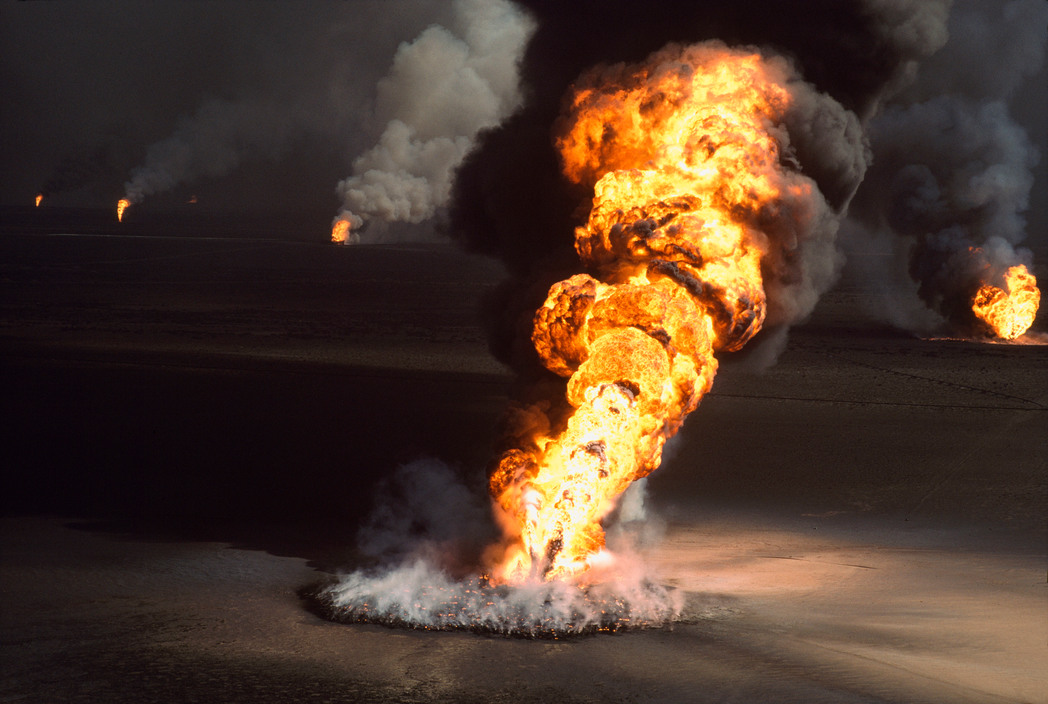
Kuwait, 1991. Burgan oil fields. A lake of spilled oil. Burning oil tanks in the background, Bruno Barbey.
132065549287
129562421492
114656373347