painting
768464722471305216
“In stating that Abstract Art died of acute boredom, I meant boredom on the part of both public and artist. The public got bored because these things meant nothing to them, and they only went to see them in the first instance because they made them laugh. After a bit they became a stale joke. The artists’ boredom was of a more complicated order. I will endeavor to explain it.”
767607165315907584
Creating art can also have many benefits for the brain, including:
Activating the reward center: Making art can activate the brain’s reward center.
Lowering stress and anxiety: Making art can help lower stress and anxiety.
Promoting brain plasticity: The process of creating and appreciating art promotes brain plasticity, which can lead to cognitive flexibility and problem-solving skills.
Art therapy is a recognized form of treatment because engaging in a creative practice can help reduce symptoms of depression and PTSD.
767599952224534528

“I write about my own work because I want to speak for myself. I might not be the only authority, nor the best authority, but I want to participate in the writing of my own history. Why should artists be validated by outside authorities. I don’t like being paternalised and colonised by every Tom, Dick or Harry that comes along (male or female).” — Marlene Dumas
767523425768112128
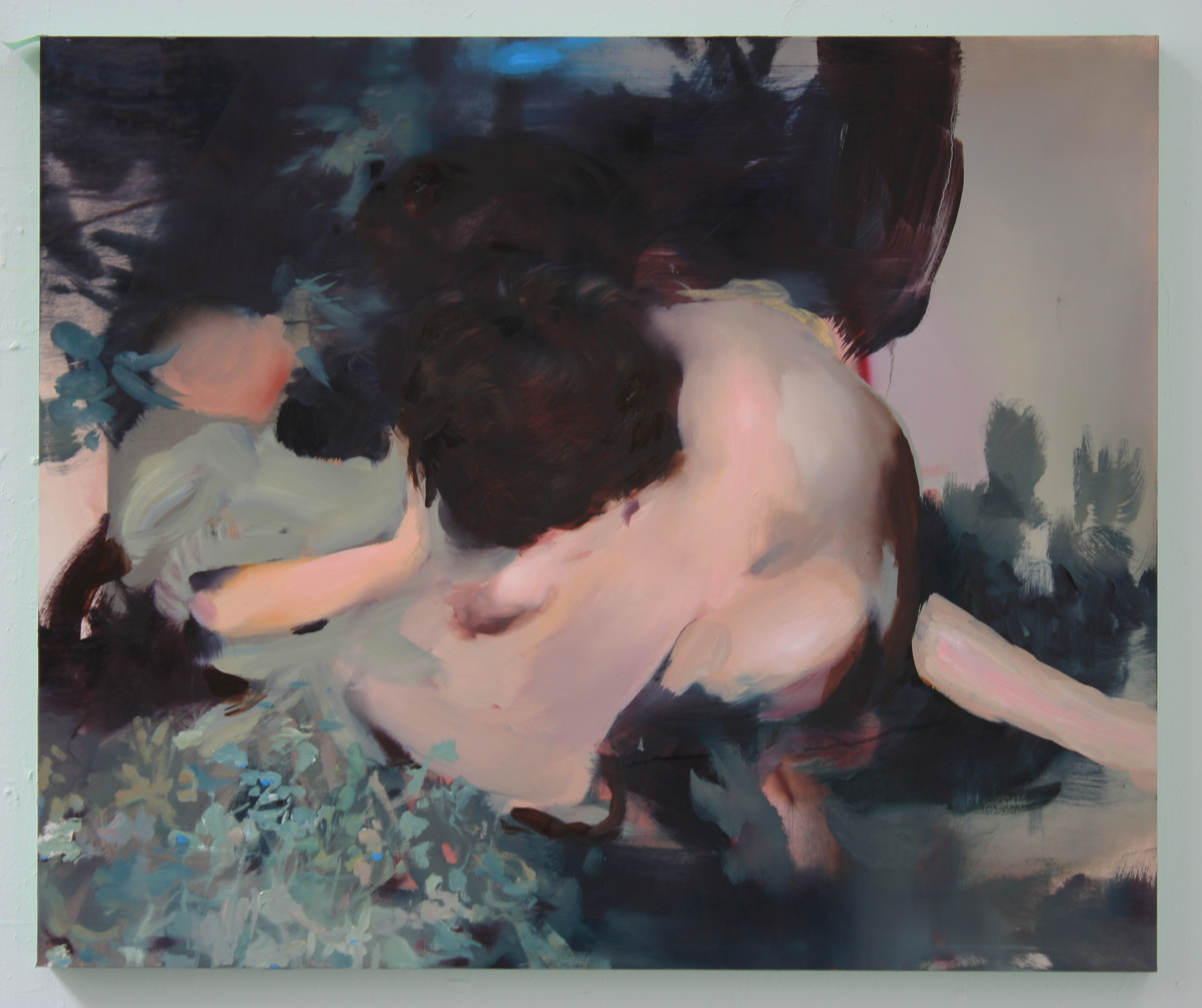
likeafieldmouse: Ambera Wellmann (2014)
767342163045597184
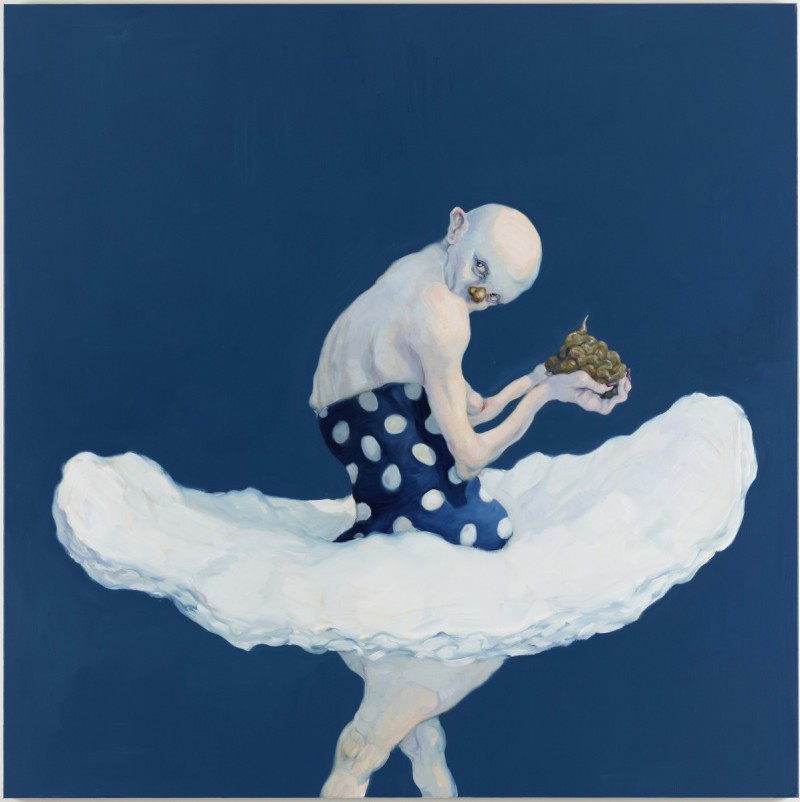
Michael Kviam
A Naked Eye on a Welldressed Lie III
2012
766741357215760384
Is attending art school necessary to become an artist?
Jean-Michel Basquiat did not attend formal art school. Instead, he was largely self-taught and became known as part of the street art scene in New York City in the late 1970s and early 1980s. He gained prominence through his graffiti work under the pseudonym “SAMO” and later transitioned to more formal art settings, becoming a major figure in the neo-expressionist movement. His raw talent, distinctive style, and bold commentary on issues such as race and class distinguished him as a powerful force in contemporary art without traditional academic training.
Andy Warhol did receive formal art education. He studied commercial art at Carnegie Institute of Technology (now Carnegie Mellon University) in Pittsburgh, graduating in 1949 with a degree in pictorial design. His education and subsequent work as a commercial illustrator greatly influenced his later artistic style and approach, particularly in his role as a leading figure of the Pop Art movement. Warhol’s use of mass production techniques, celebrity culture, and commercial imagery are often attributed to his early professional experiences and training.
Jackson Pollock did attend formal art school. He studied at the Art Students League of New York, where he was taught by Thomas Hart Benton, a leading American regionalist painter. Benton’s focus on rhythmic and dynamic compositions influenced Pollock’s early work, although Pollock later developed his unique style, breaking away from his mentor’s realism. Pollock became known for his groundbreaking drip and action painting techniques, making him one of the most significant figures in abstract expressionism.
David Hockney attended art school and had a formal education in the arts. He studied at the Bradford College of Art in his hometown in England and later attended the Royal College of Art in London. Hockney gained recognition during his time at the Royal College, becoming a leading figure in the British Pop Art movement. His formal training helped him experiment with various media and styles, making him one of the most versatile and influential artists of the 20th and 21st centuries.
By ChatGPT
765063068302655488
Artists in Conversation | Jenny Saville
764805558859661312

764533775740862464

Giulia Maria Belli – L’Alcove du serpent, 2021
763057952307412993
“What do you think an artist is? …he is a political being, constantly aware of the heart breaking, passionate, or delightful things that happen in the world, shaping himself completely in their image. Painting is not done to decorate apartments. It is an instrument of war.”
— Pablo Picasso
762344057523568640
“Life, is a farce if a person does not serve truth.”
— Hilma af Klint
760492416346226688

Trending
Art painting
NFT art
Digital art
Ai art
760012395673436160

“Painting is self-discovery. Every good artist paints what he is.” — Jackson Pollock
Number 19, 1948
1948
oil and enamel on paper mounted on canvas
30 7/8 x 22 5/8 in.
Price realised
USD 58,363,750
759805604691853312
Importance of Narrative in Art
Art and narrative are closely connected because storytelling is a powerful way to convey meaning, emotion, and context. Here are a few reasons why art often needs a narrative:
1. Contextual Understanding: A narrative provides context that helps viewers understand the deeper meaning or message of the artwork. Without a story, the interpretation of art can be vague or ambiguous.
2. Emotional Engagement: Stories evoke emotions, and when art is tied to a narrative, it can resonate more deeply with the audience, making the experience more impactful.
3. Connection with the Audience: A narrative allows viewers to relate the artwork to their own experiences, thoughts, or feelings, creating a personal connection between the art and the audience.
4. Cultural and Historical Significance: Art often reflects the time, place, and culture in which it was created. A narrative can highlight these aspects, making the artwork more meaningful in a broader context.
5. Guiding Interpretation: While art can be open to interpretation, a narrative can guide viewers toward a particular understanding or theme, helping to convey the artist’s intended message more clearly.
6. Creating a Legacy: Narratives can preserve the stories behind art, ensuring that future generations understand and appreciate the significance of the work.
By ChatGPT