painting
772313363339509760

“You really need faith in yourself to make art and to stand up for what you believe in.” — Elizabeth Peyton
ELIZABETH PEYTON (B. 1965)
Liam Gallagher (Glastonbury 1995)
signed, titled and dated ‘LIAM GALLAGHER (GLASTONBURY 1995) Elizabeth Peyton 1995’ (on the reverse)
oil on panel
22 1/8 x 18 1/8 in. (56.2 x 46 cm.)
Painted in 1995.
Price realised
USD 1,740,000
772195321794134016

“A true artist is not one who is inspired, but one who inspires others.” — Salvador Dali
Salvador Dalí (1904-1989)
Naissance de l’ameublement paranoïaque
gouache and charcoal on paper
25 1/8 x 19 1/8 in. (63.7 x 48.4 cm.)
Executed circa 1937
Price realised:
USD 1,095,000
772140370127618048
“Everybody starts by imitating their heroes. For me it was Chuck Berry and Muddy Waters.”
— Keith Richards
772138378321903616
How to deal with an art copycat – ARTiful: painting demos
“Then you can choose to take the high road, consider that imitation is a form of flattery so to speak and decide to not spend too much energy on the issue. Publicize your art as much as you can and make it sure serious buyers and art galleries know that your style is genuinely yours. Copycats usually get tired after a while: after all there is not much personal satisfaction in copying and they will often go from copying one artist to copying another. What they are copying is also something you did in the past, and because you are the creative force behind the art that is being copied, you often moved on to the next step in your art journey being always one step ahead. You own the creative tools, they are just replicating an end product.”
771974006928752640

“It’s a new medium, but I’m still painting… Whether it’s digital or not, the painting doesn’t change much in terms of meaning.” — David Hockney
David Hockney
Flowers, Glass Vase on a Table
2021
Ipad painting printed on paper
35 × 25 in.
US$110,000
771870737431740416
Contemporary art refers to artwork created by living artists or from the late 20th century to the present. It reflects current ideas, issues, and cultural trends, often exploring diverse mediums, concepts, and styles. It challenges traditional boundaries and invites personal interpretation.
— ChatGPT
771779577024528384

“Painting is not made to decorate apartments. It’s an offensive and defensive weapon against the enemy.” — Pablo Picasso
Pablo Picasso (1881-1973)
Fillette à la corbeille fleurie
1905
oil on canvas
60 7/8 x 26 in. (154.8 x 66.1 cm.)
Price realised
USD 115,000,000
771664007337738240

“You really need faith in yourself to make art and to stand up for what you believe in.” — Elizabeth Peyton
Elizabeth Peyton (b. 1965)
Kurt with cheeky num-num
1995
oil on masonite
14 x 11 in. (35.5 x 27.9 cm.)
Price realised
USD 386,500
771600288370081792
771509662048813056
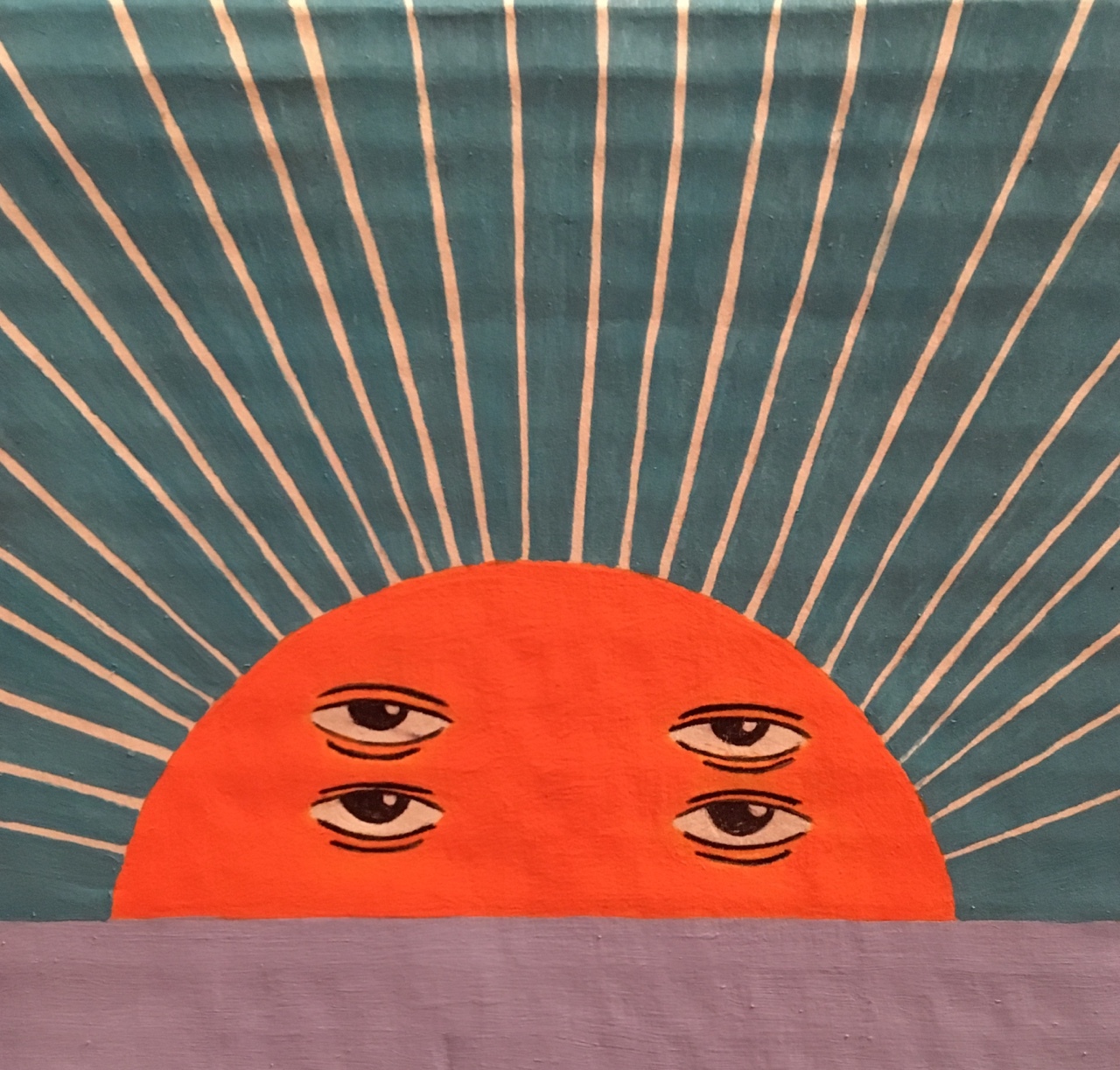
Sun – Acrylic paint on cardboard
771237804178014208
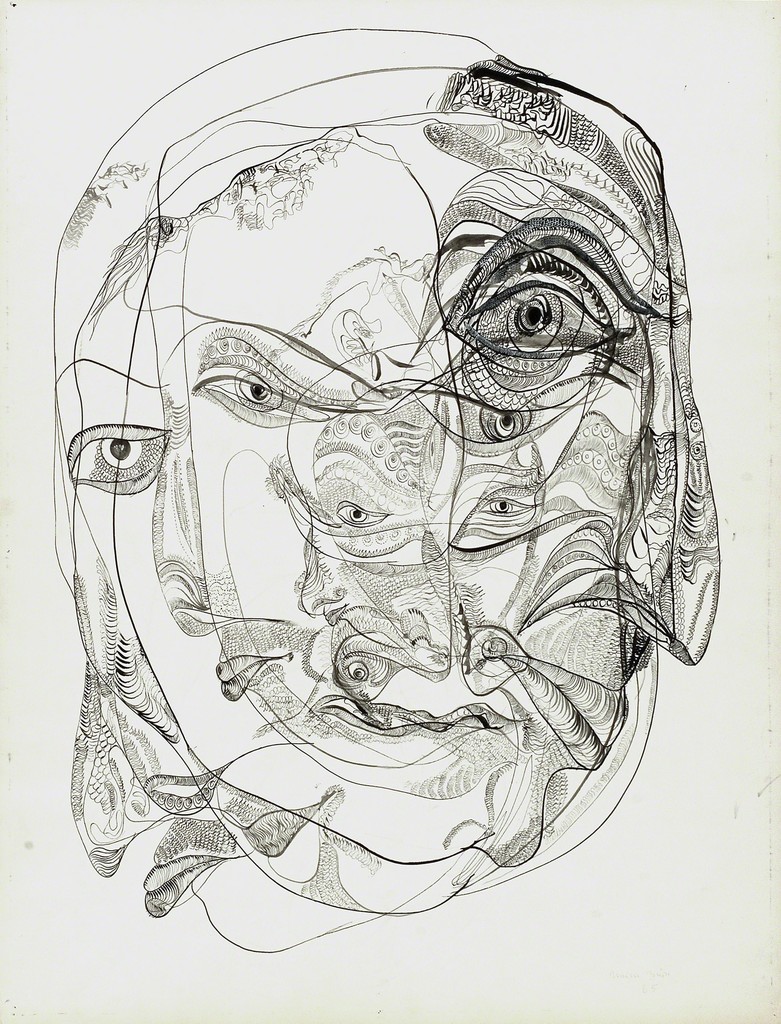
Unica Zürn – Untitled, 1965, ink & gouache on paper, 65.1 × 50.2 cm
771219446118449152
The phrase “Let art speak for itself” likely emerged from the broader philosophy that art should be experienced and interpreted directly by viewers, without requiring excessive explanation or commentary. It aligns with ideas from movements like Romanticism and Modernism, which emphasized the emotional, personal, or universal power of art.
Key Contexts for the Phrase:
1. Romanticism (18th-19th Century):
Romantic artists and thinkers believed in the innate ability of art to evoke emotions and connect directly to the human spirit, minimizing the need for verbal justification.
2. Modernism (late 19th-20th Century):
Modernist artists often rejected traditional rules and advocated for the autonomy of art. They believed that art could stand on its own without the constraints of narrative or explanation.
3. Art Criticism and Philosophy:
Thinkers like John Ruskin and Clement Greenberg contributed to the idea that art should be appreciated for its intrinsic qualities—form, texture, color—without relying heavily on external context.
By ChatGPT
769589126042353664
How to deal with an art copycat – ARTiful: painting demos
“Then you can choose to take the high road, consider that imitation is a form of flattery so to speak and decide to not spend too much energy on the issue. Publicize your art as much as you can and make it sure serious buyers and art galleries know that your style is genuinely yours. Copycats usually get tired after a while: after all there is not much personal satisfaction in copying and they will often go from copying one artist to copying another. What they are copying is also something you did in the past, and because you are the creative force behind the art that is being copied, you often moved on to the next step in your art journey being always one step ahead. You own the creative tools, they are just replicating an end product.”
769208981749137408
“Genuine individuals require no validation, while pretenders feel compelled to prove themselves.”
— Do Not Destroy