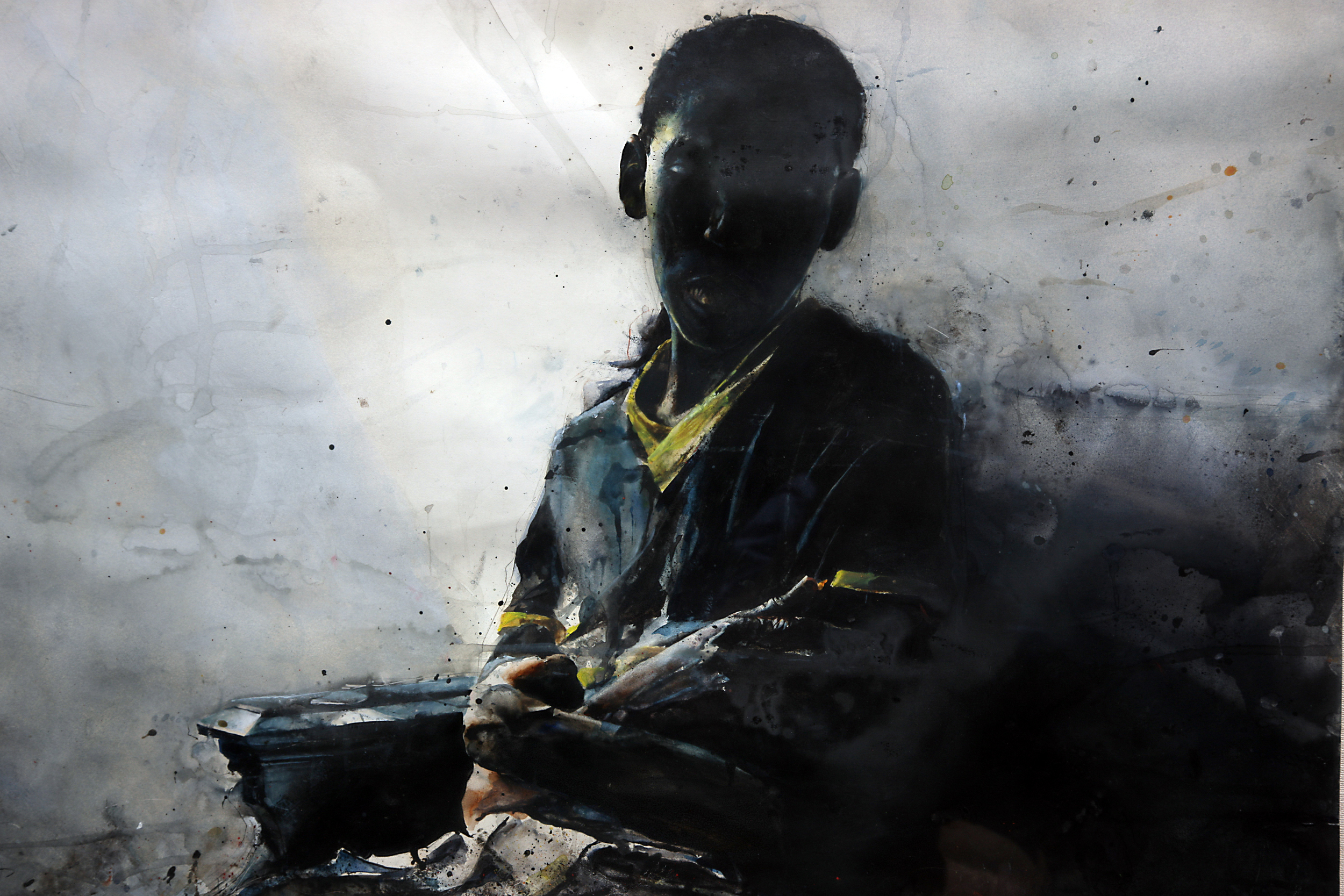
painting
149026800707
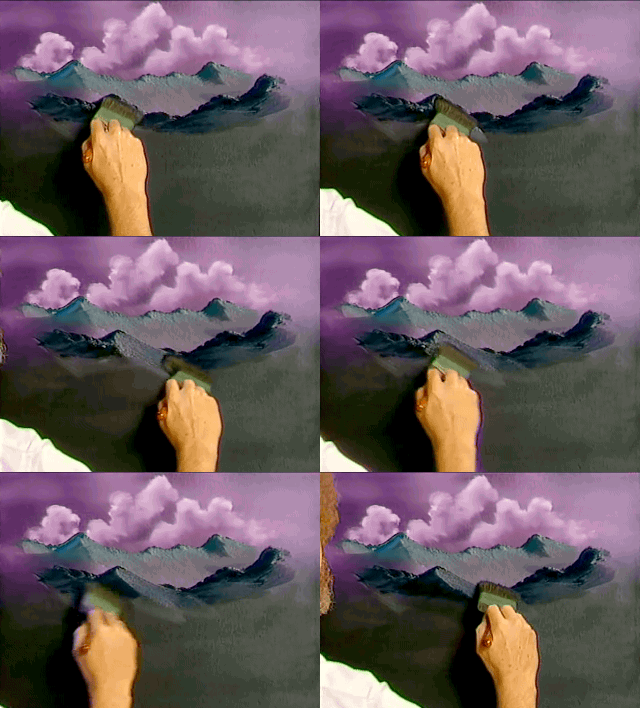
current status
148735746017
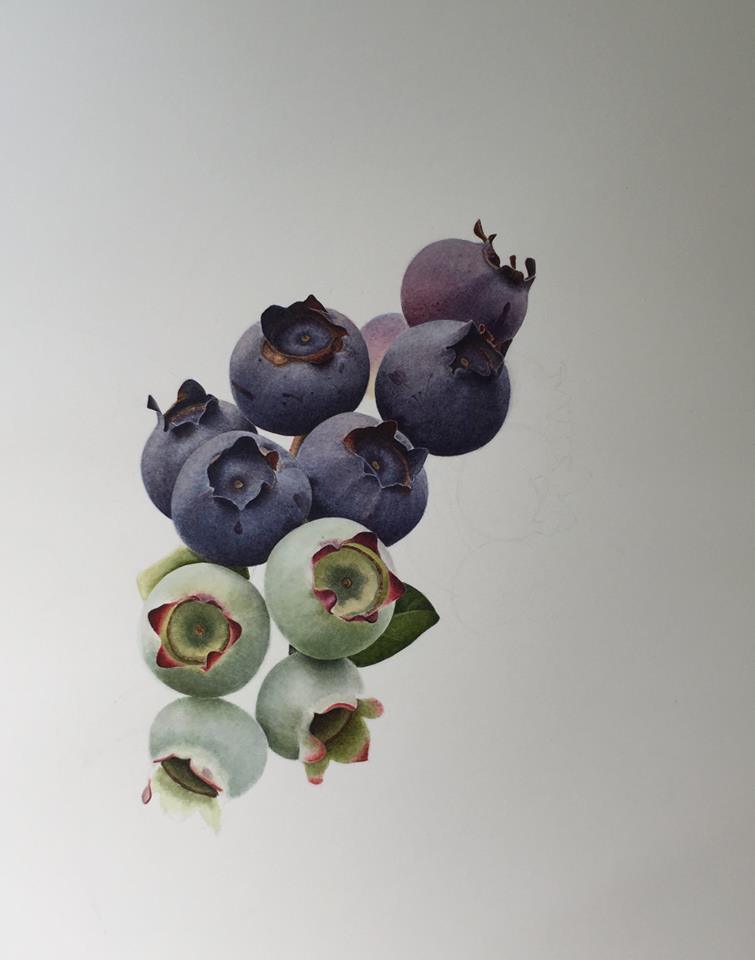
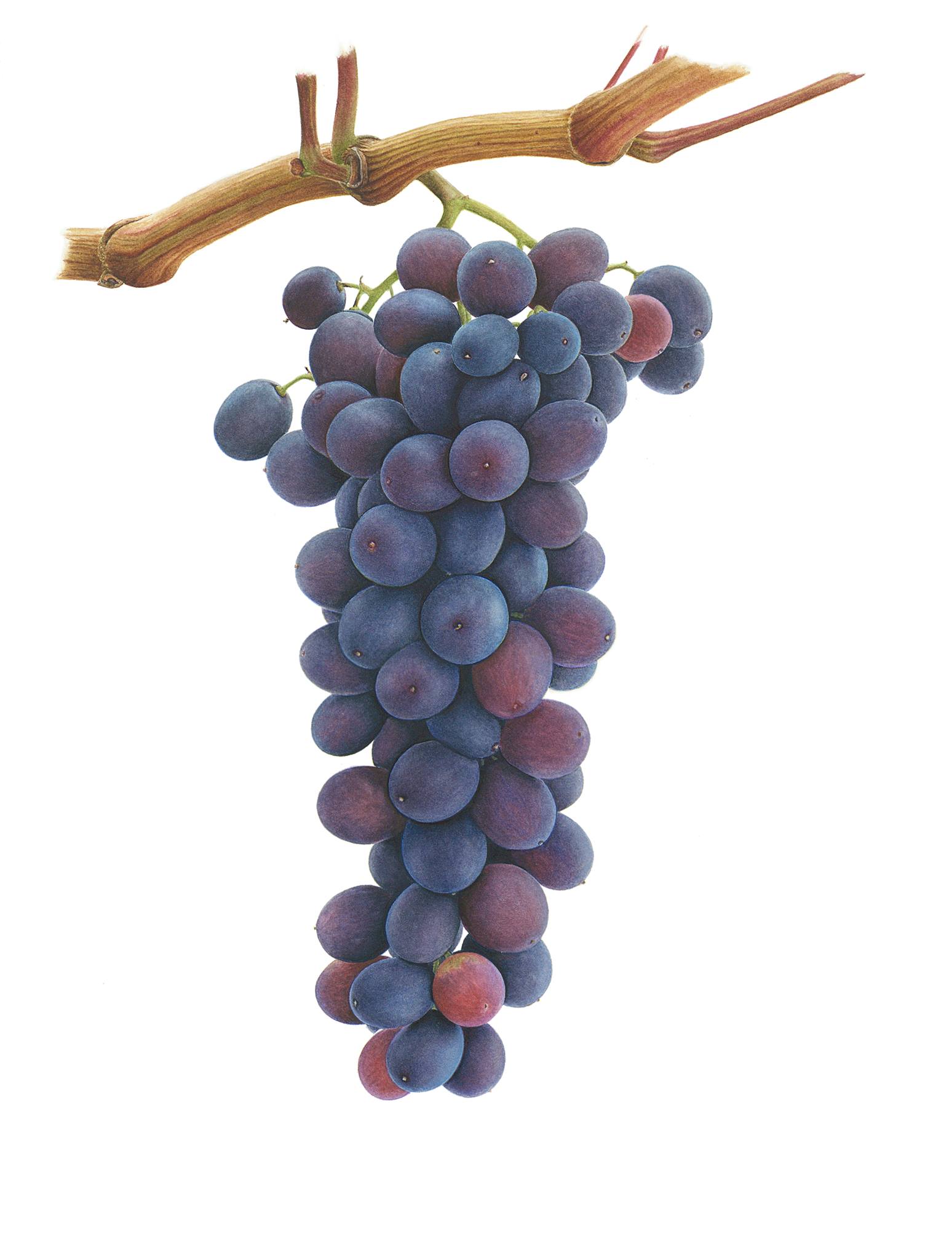
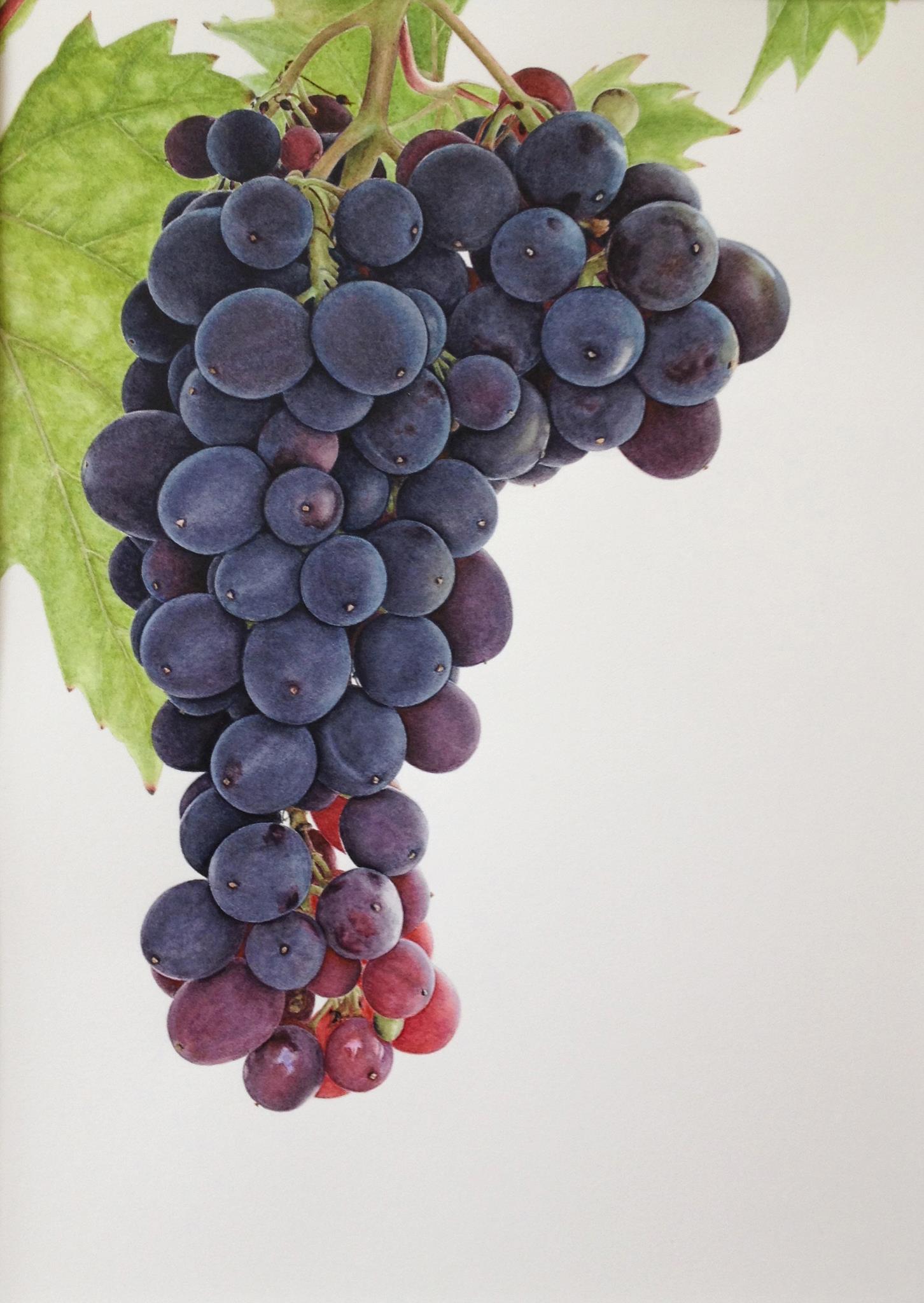
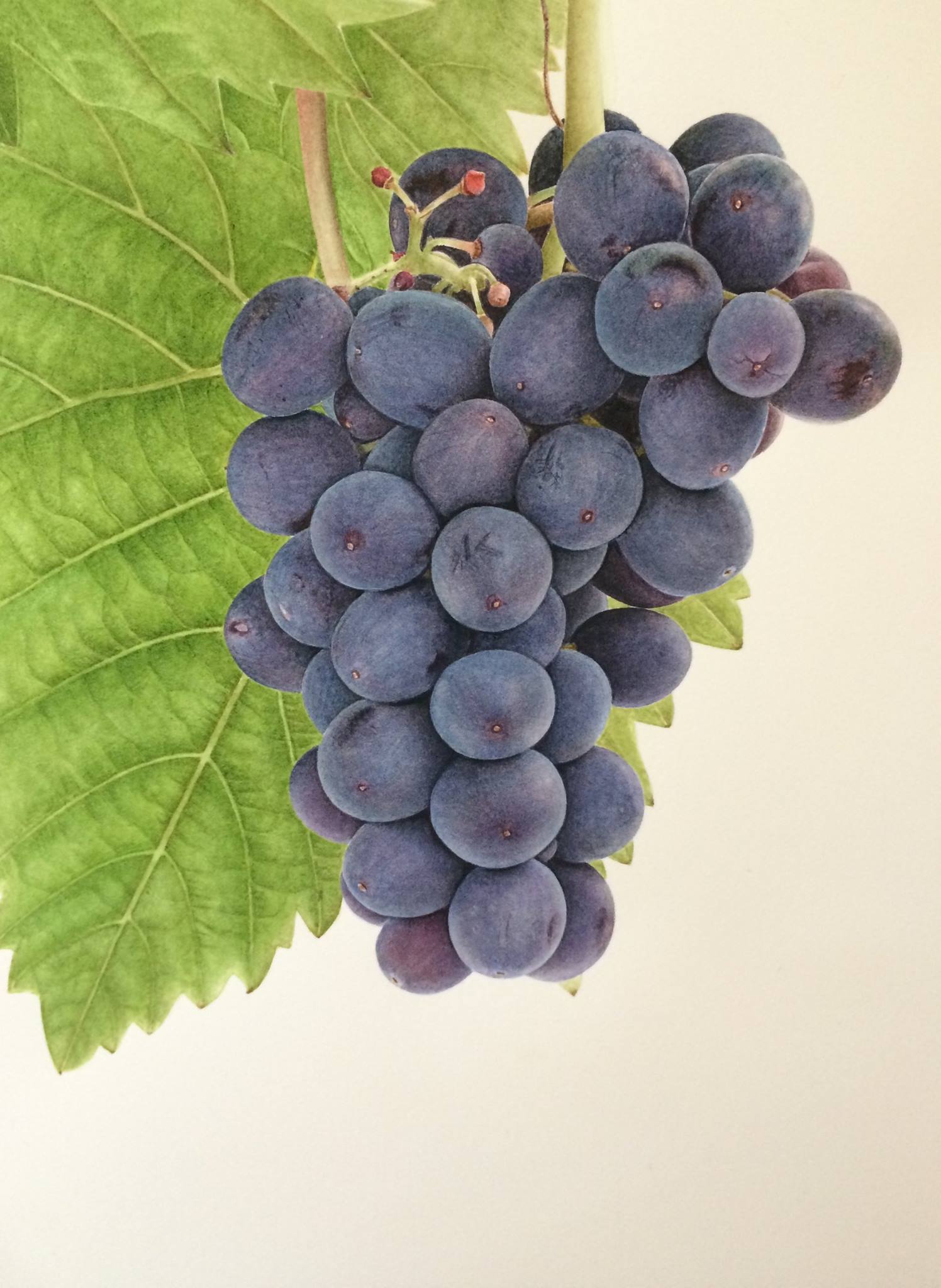
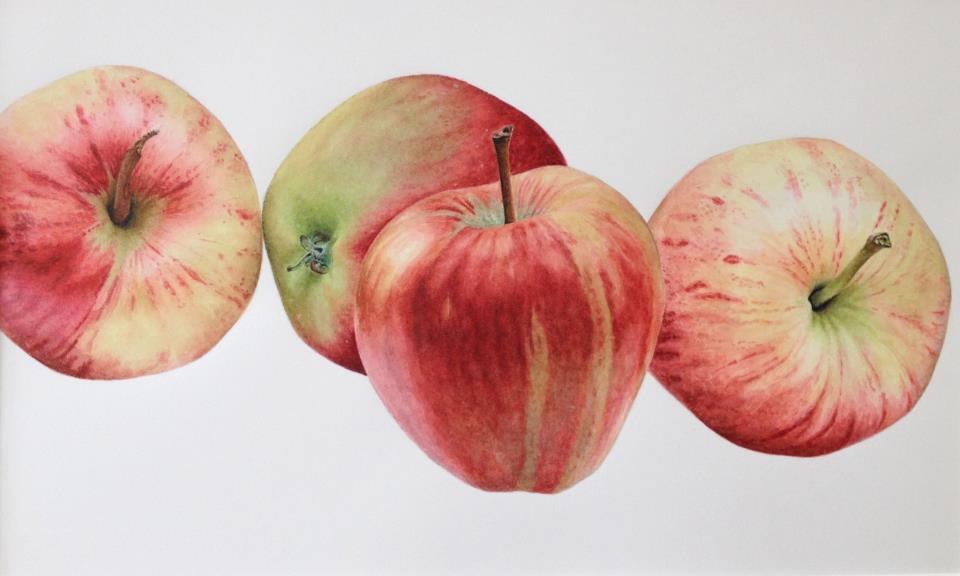
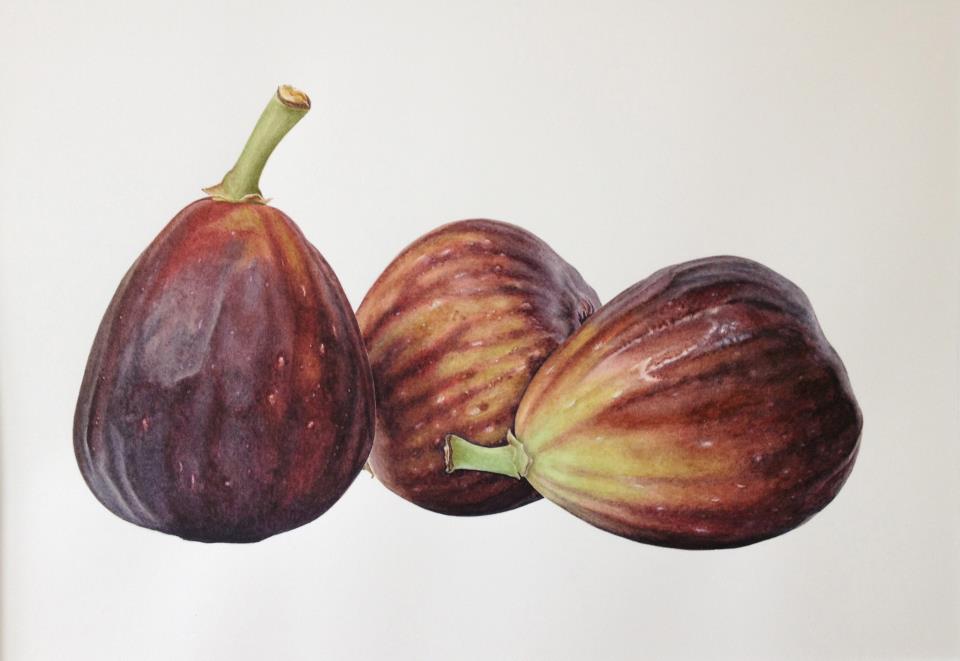
148685380242
148637649417
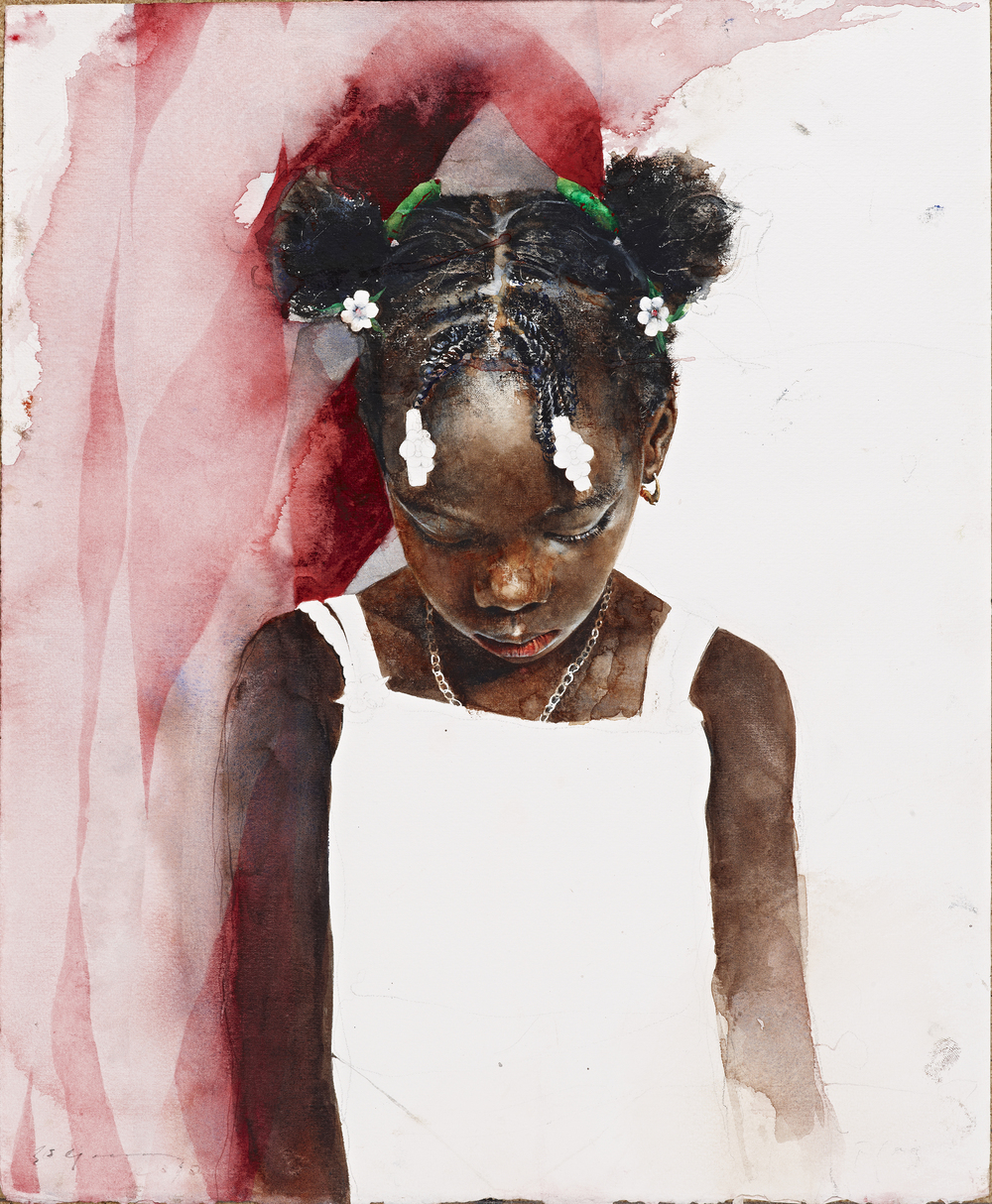
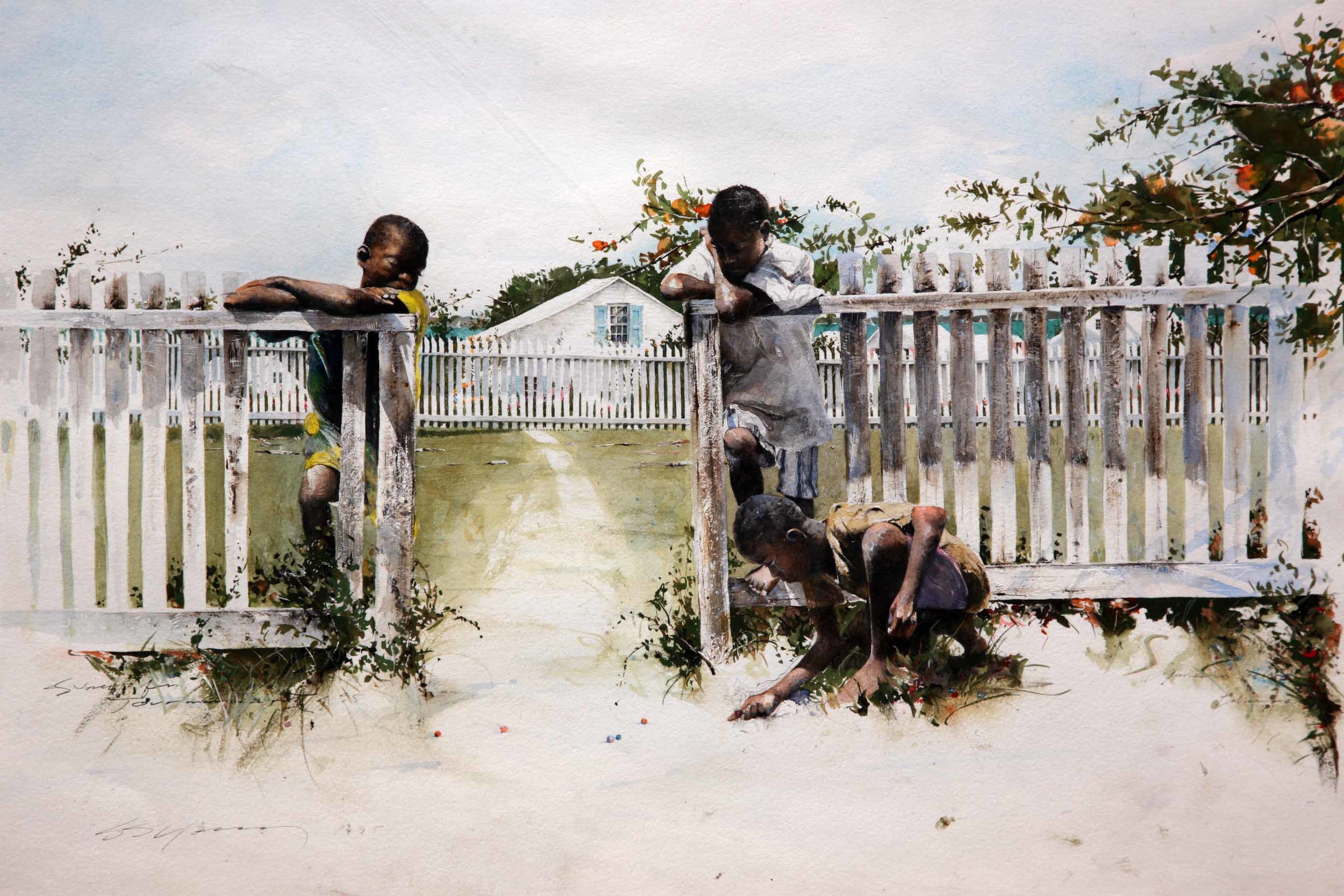
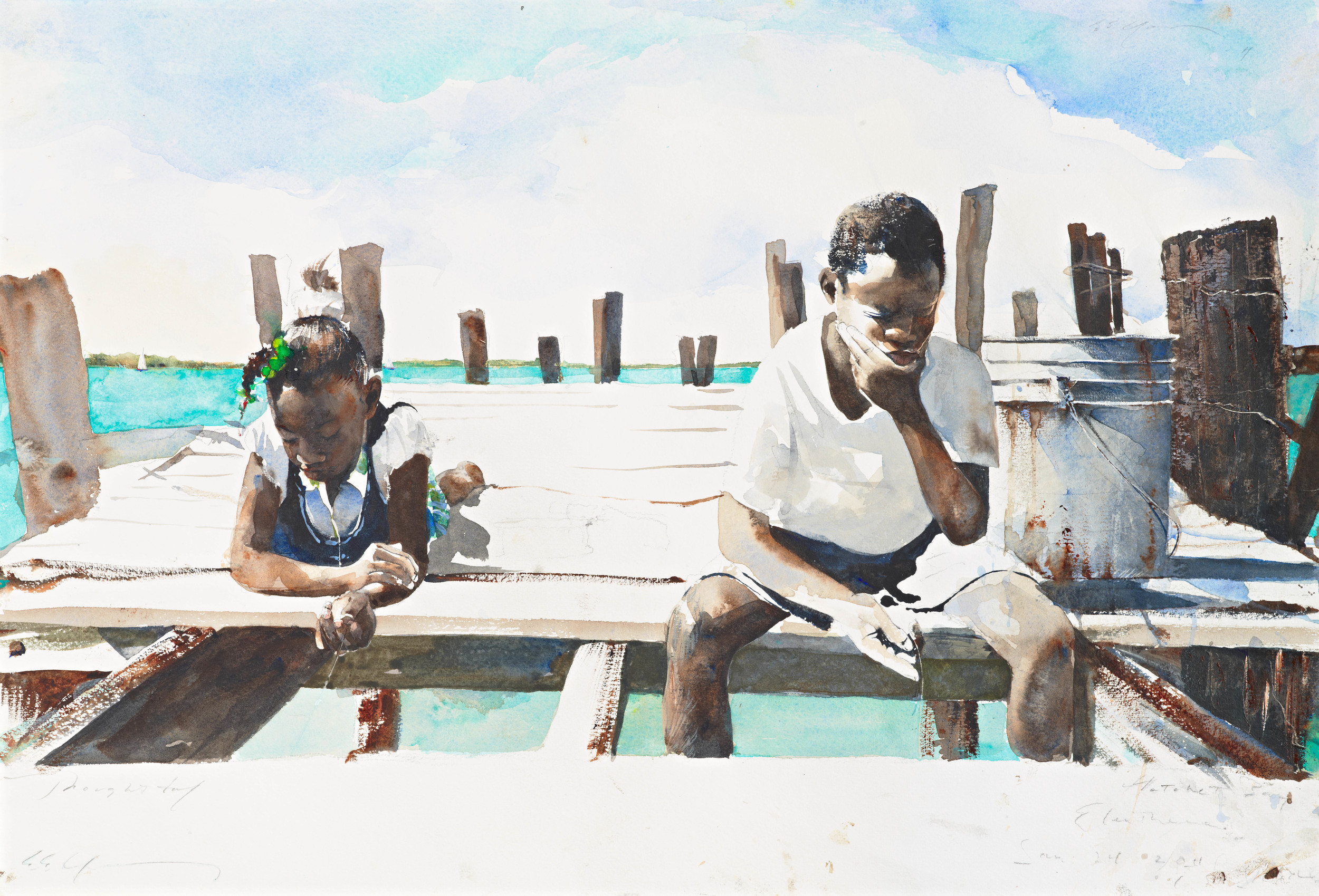
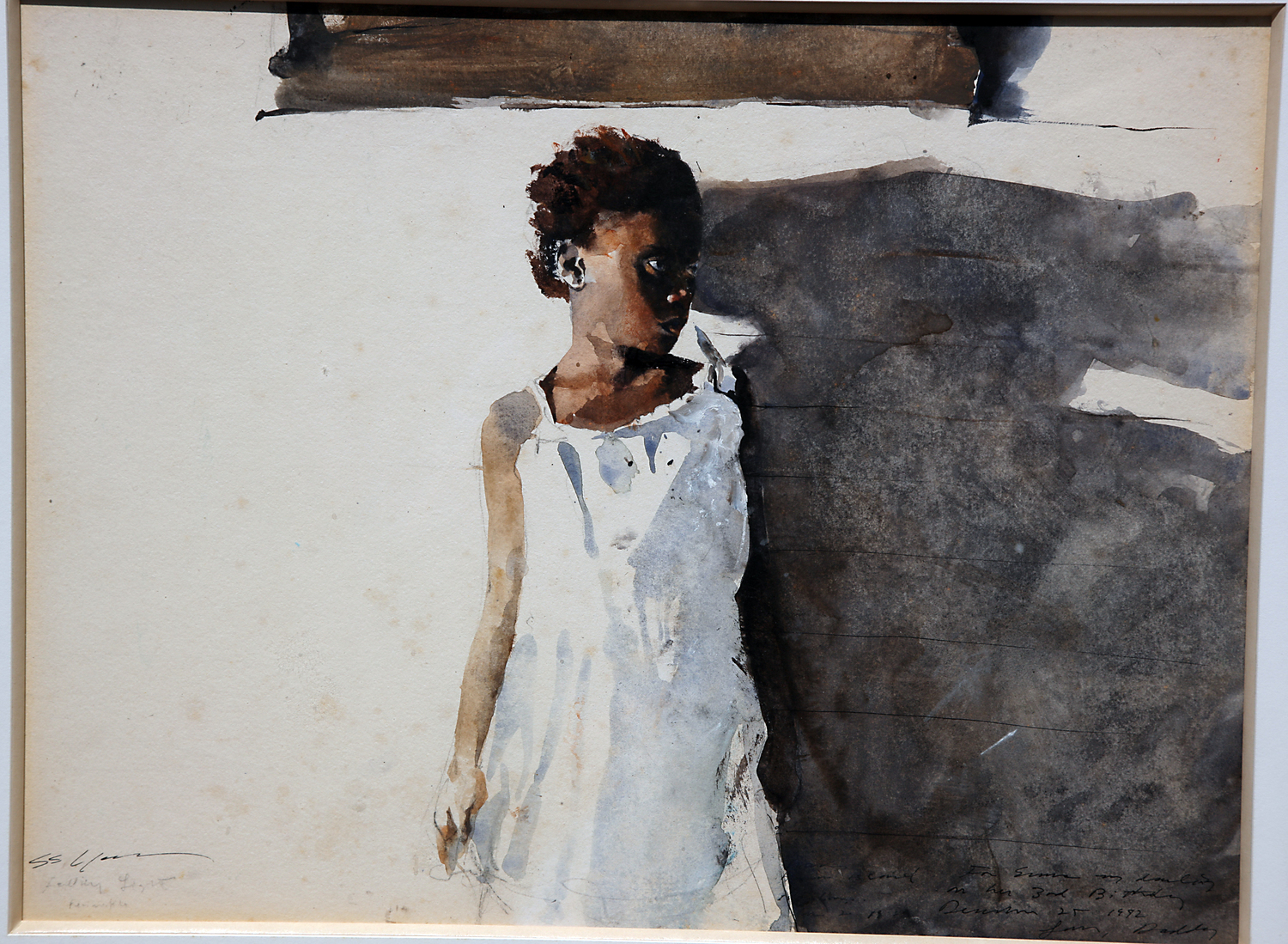
Alla Prima
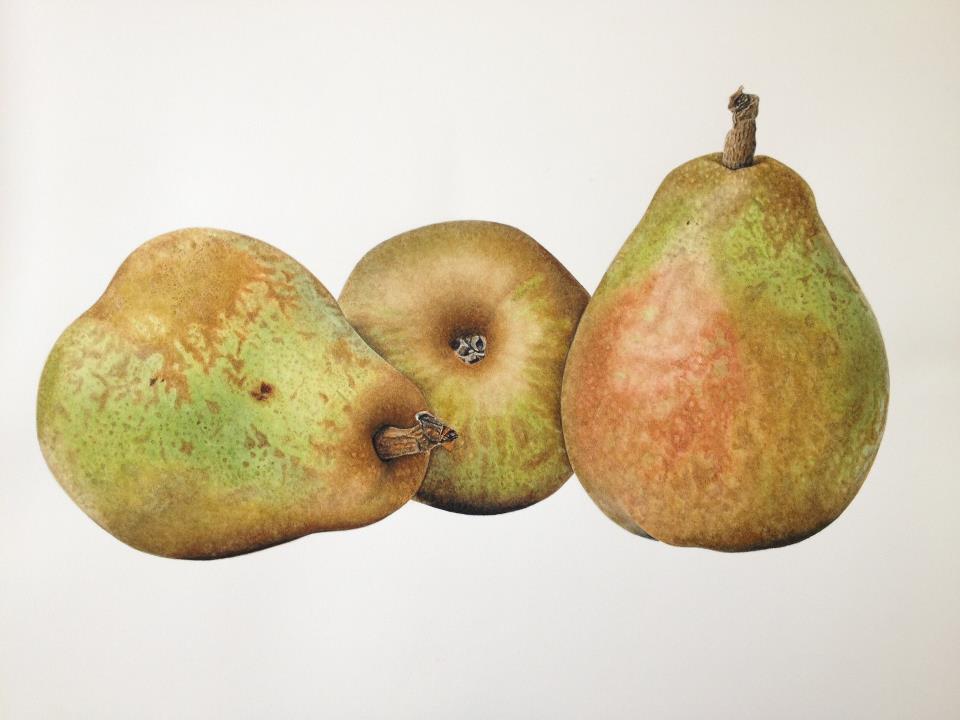
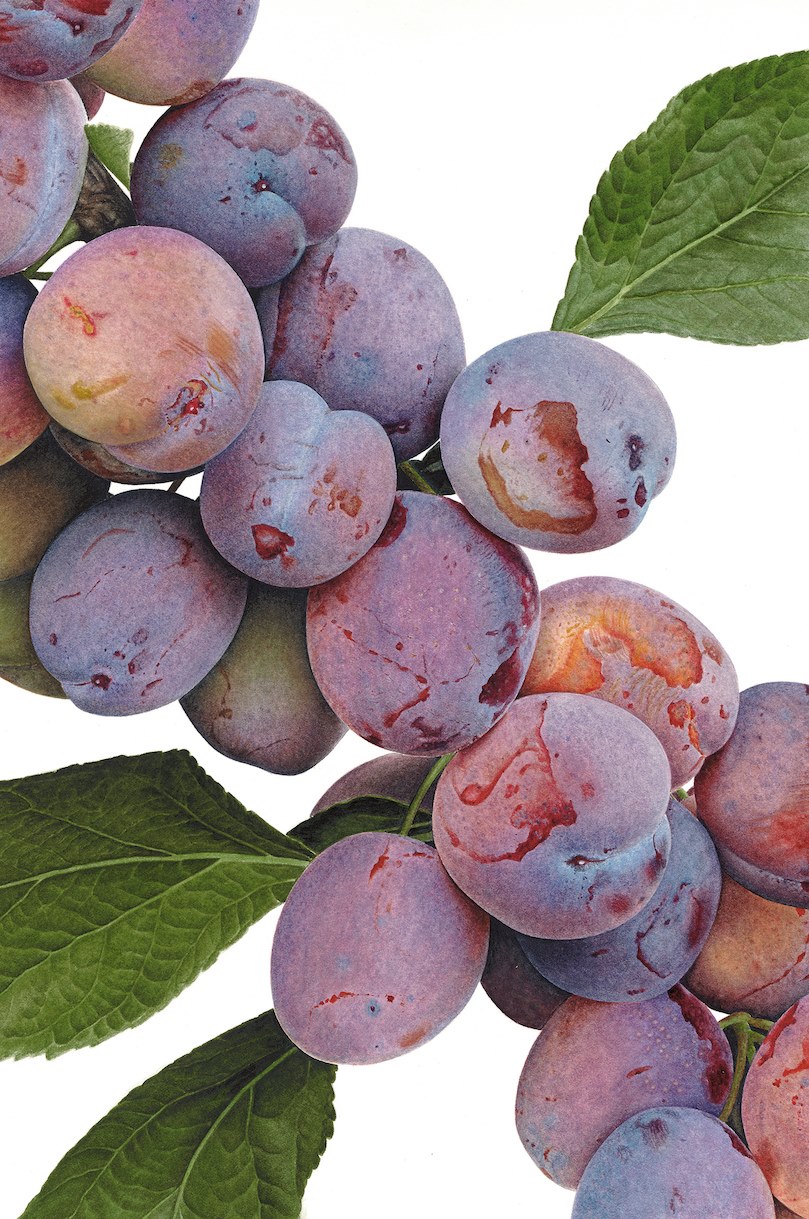
Wet-on-wet, or alla prima (Italian, meaning at first attempt), is a painting technique, used mostly in oil painting,
in which layers of wet paint are applied to previously administered
layers of wet paint. This technique requires a fast way of working,
because the work has to be finished before the first layers have dried.
It may also be referred to as ‘direct painting’ or the French term au premier coup (at first stroke).[1]
Wet-on-wet painting has been practiced alongside other techniques
since the invention of oil painting, and was used by several of the
major Early Netherlandish painters in parts of their pictures, such as Jan van Eyck in the Arnolfini portrait, and Rogier van der Weyden.[2]
In traditional painting methods new layers were applied to most parts
of a painting only after allowing the previous layer to completely dry.
This drying process could vary from several days to several weeks,
depending on the thickness of the layer. Work done using “alla prima”
can be carried out in one or more sessions – depending on the type of
paints used and their respective drying time – but it is mostly done in
one session or “sitting” only.[3]
Among the many Baroque painters who favored an alla prima technique were Diego Velázquez and Frans Hals. In the Rococo era, connoisseurs appreciated bold alla prima painting, as exemplified in the works of artists such as Jean-Honoré Fragonard, Francesco Guardi, and Thomas Gainsborough.
Since the mid-19th century, the use of commercially produced pigments
in portable tubes has facilitated an easily accessible variety of
colors to be used rapid and on-the-spot painting. Impressionists like Claude Monet, post-Impressionists like Vincent van Gogh, realists like John Singer Sargent, Robert Henri and George Bellows, Expressionists such as Chaim Soutine, and the Abstract Expressionist Willem de Kooning
have each in different ways exploited the potential for fluid energy in
the application of oil paints. It is still heavily used by both
figurative and non-figurative fine artists today.[4]
In the medium of watercolors,
wet-on-wet painting requires a certain finesse in embracing
unpredictability. Highly translucent and prone to accidents, watercolor
paint will bloom in unpredictable ways that, depending on the artist’s
frame of mind, can be a boon or a burden.
148194623437
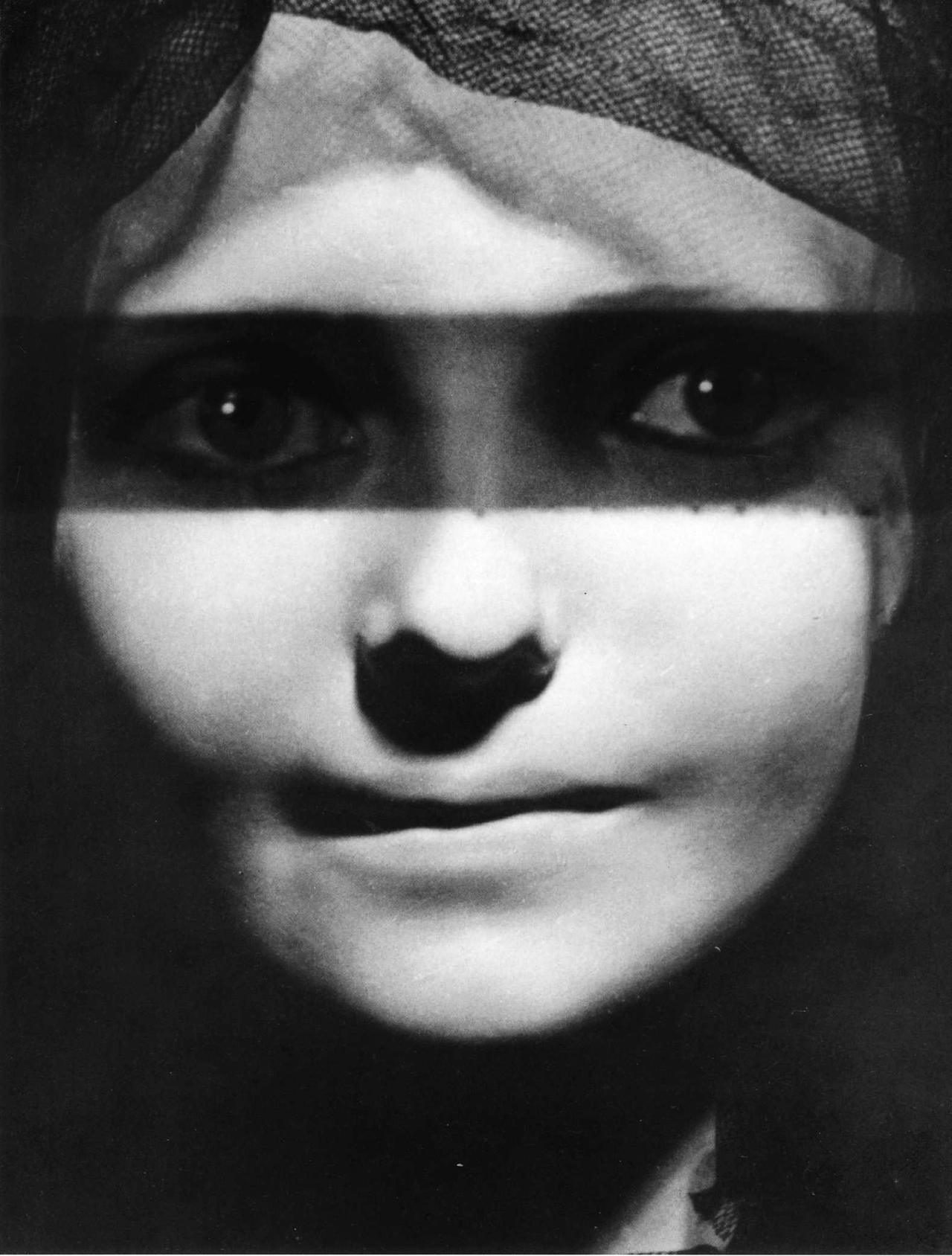
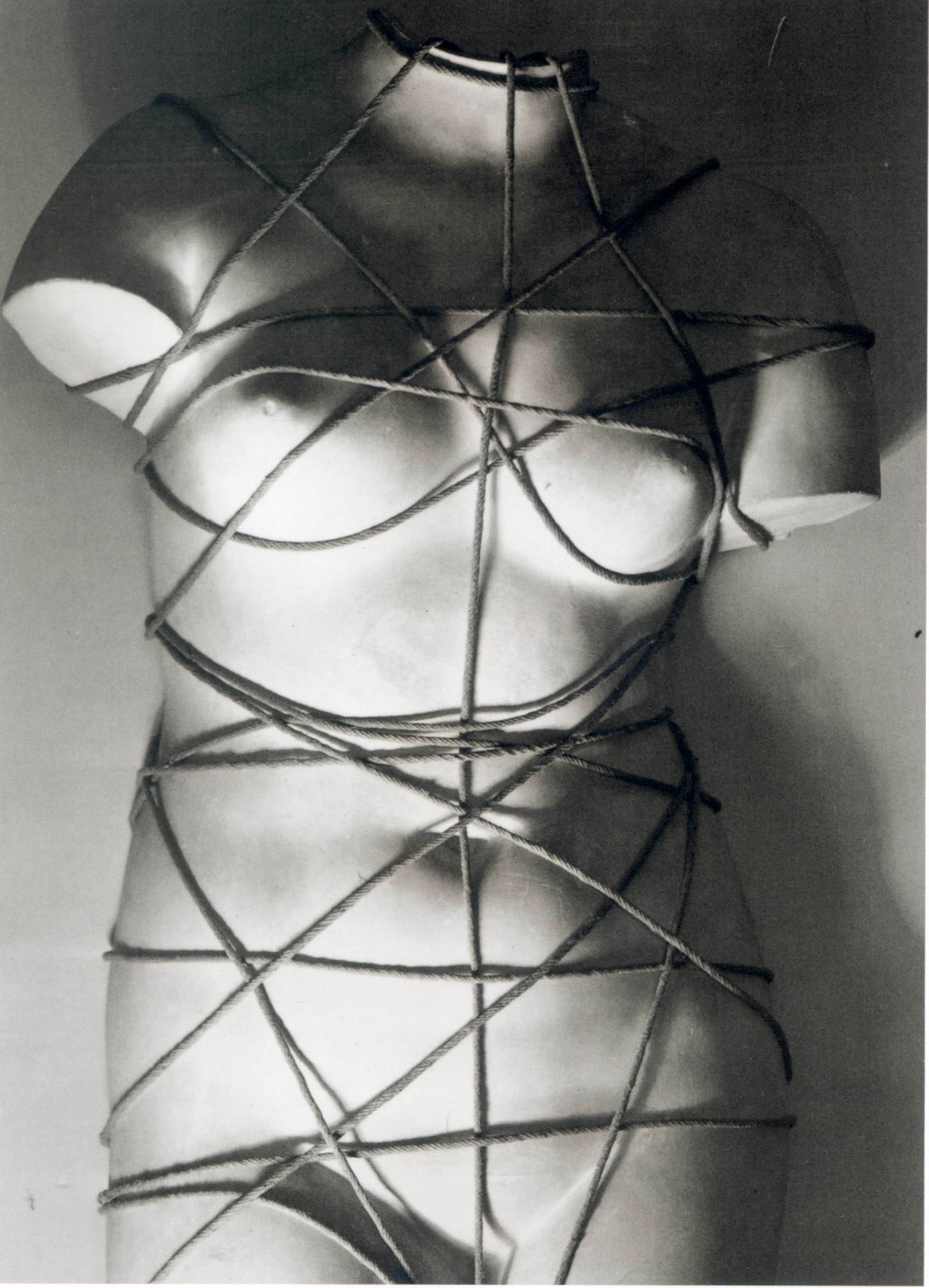
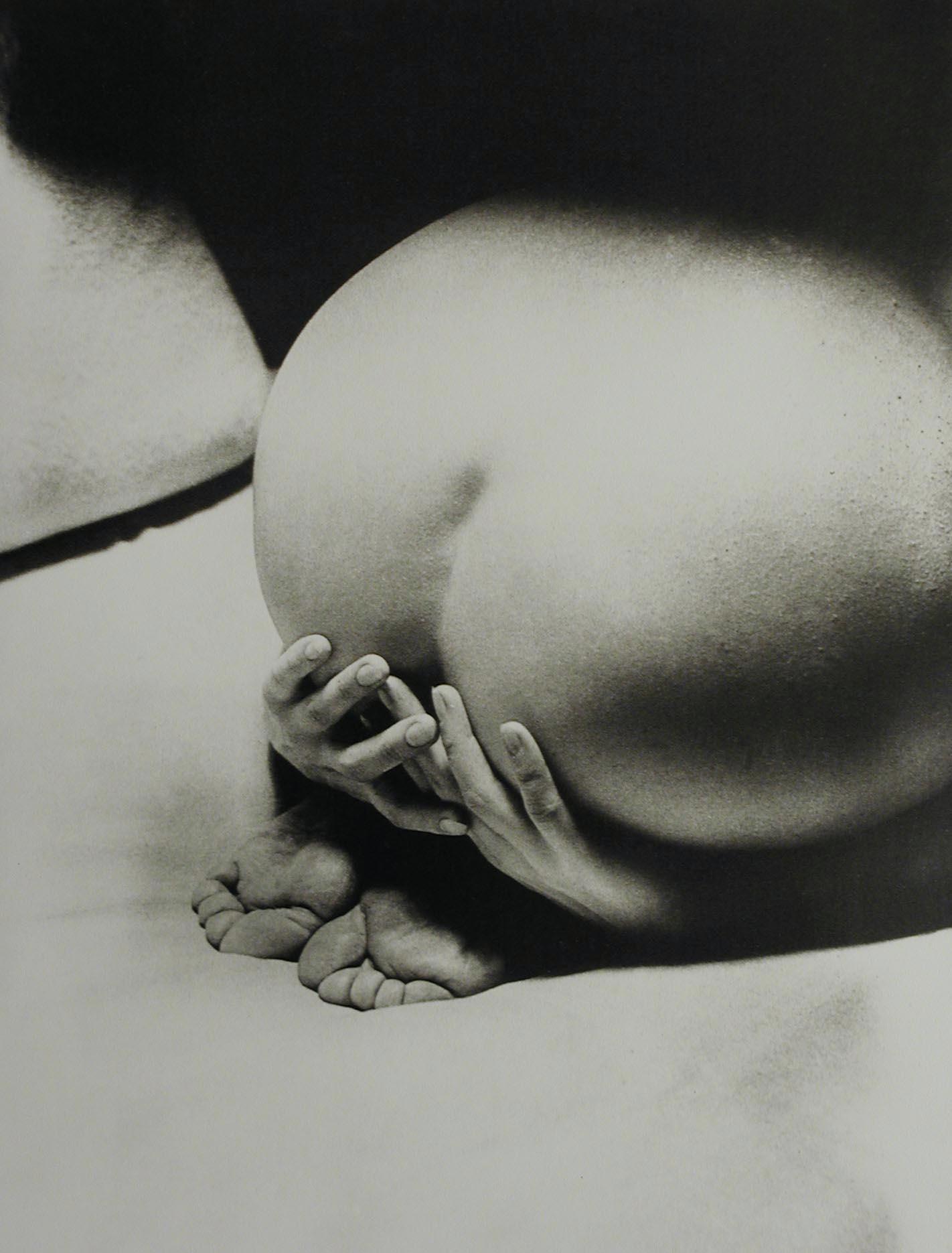
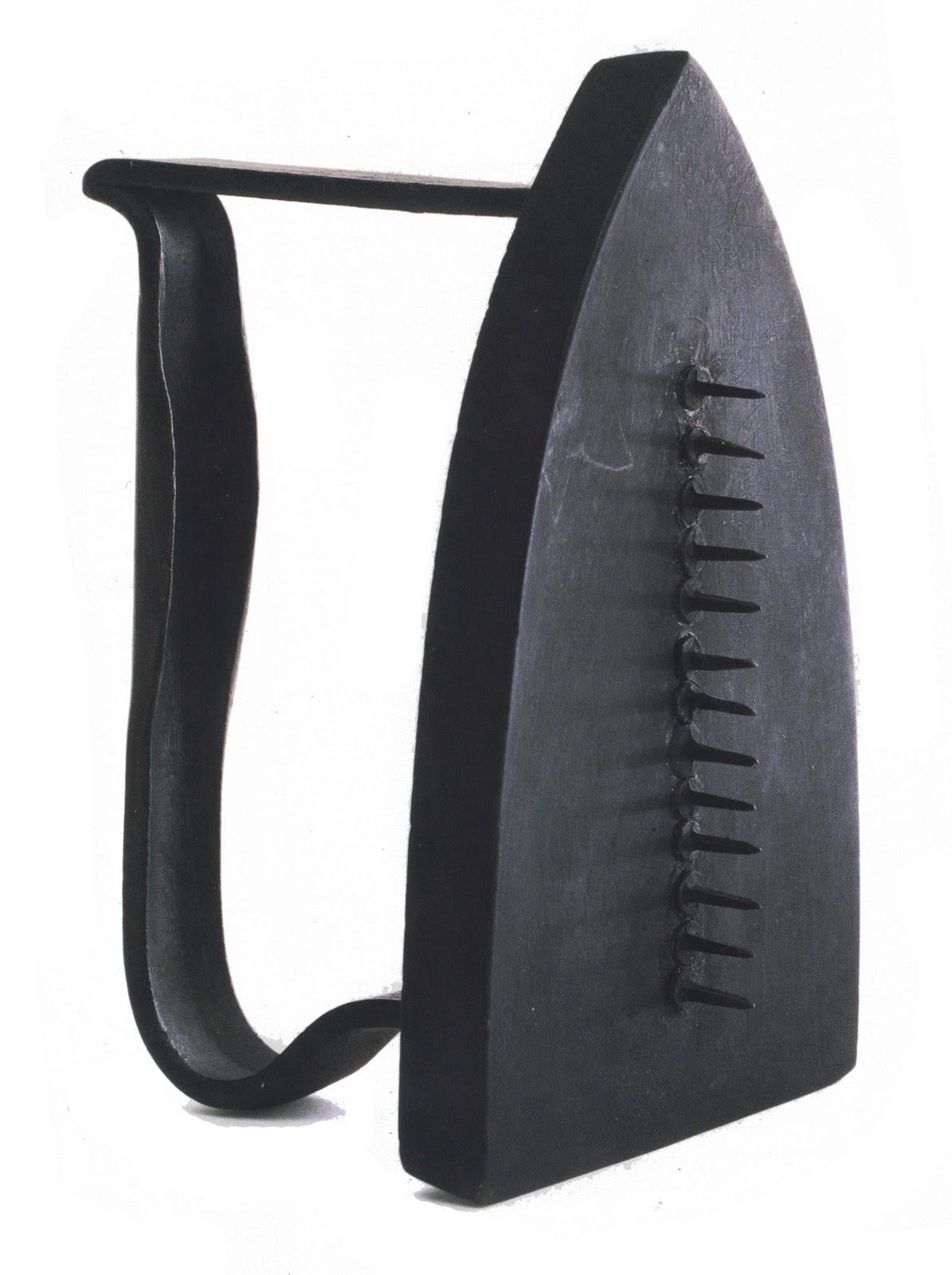
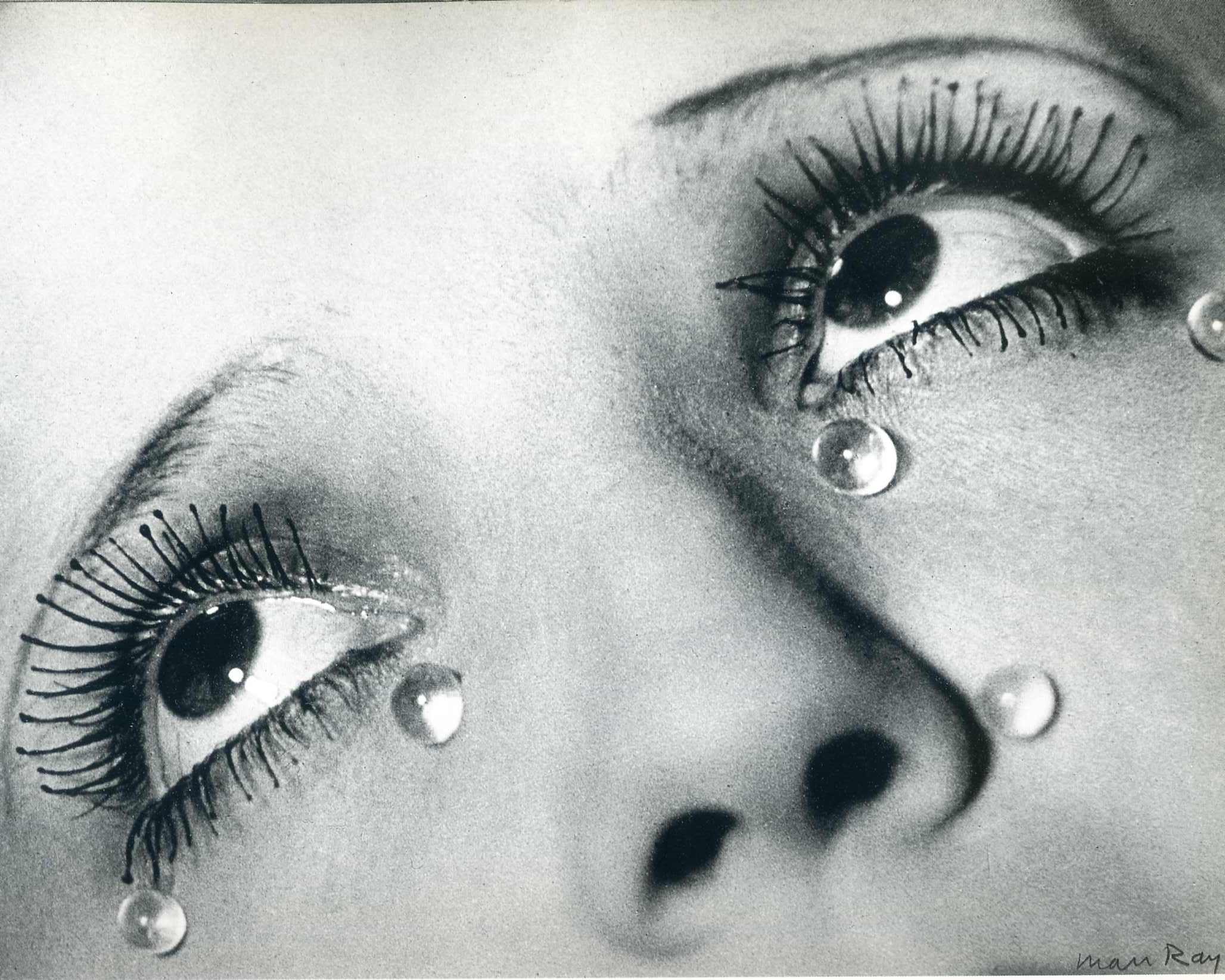
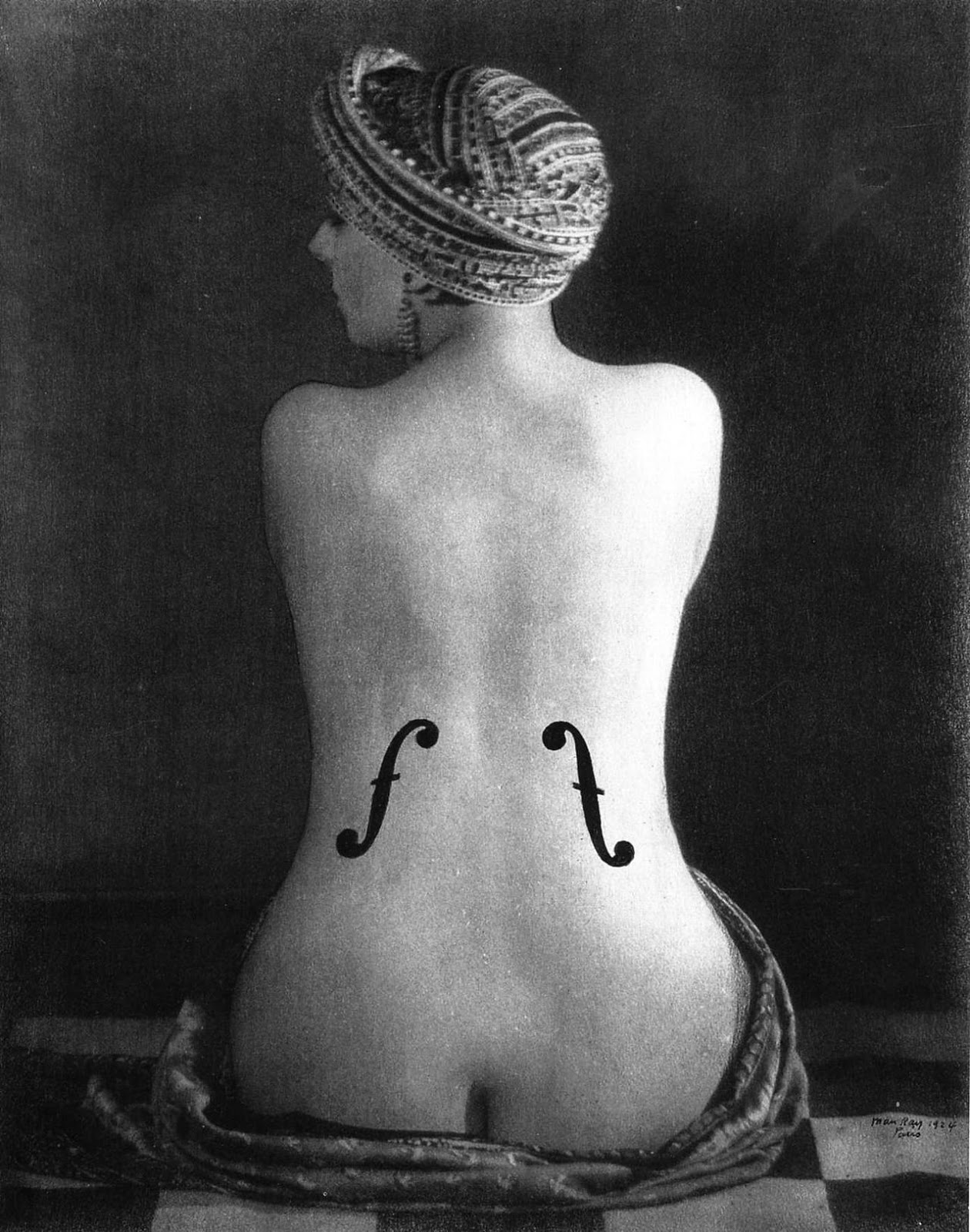
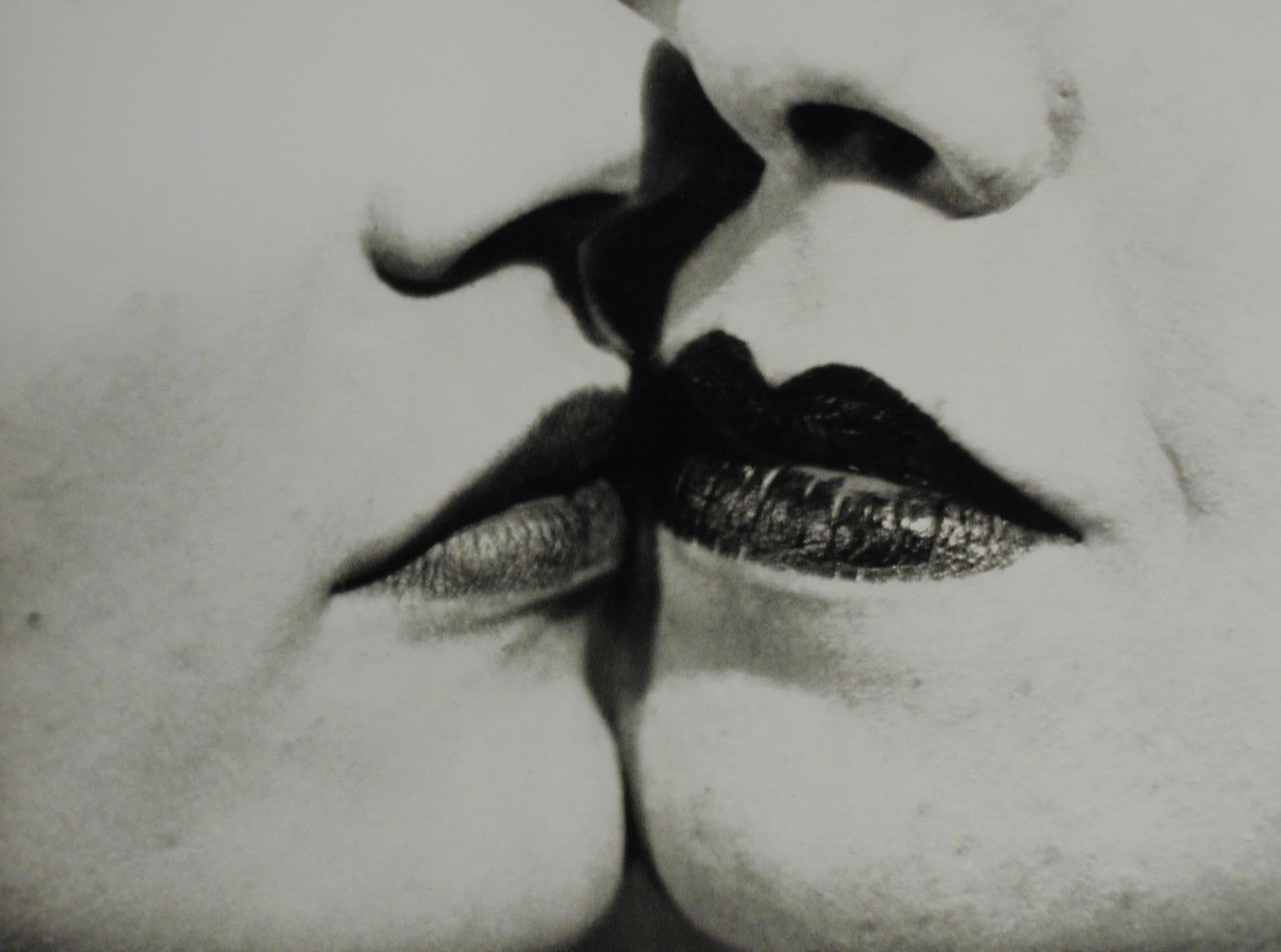
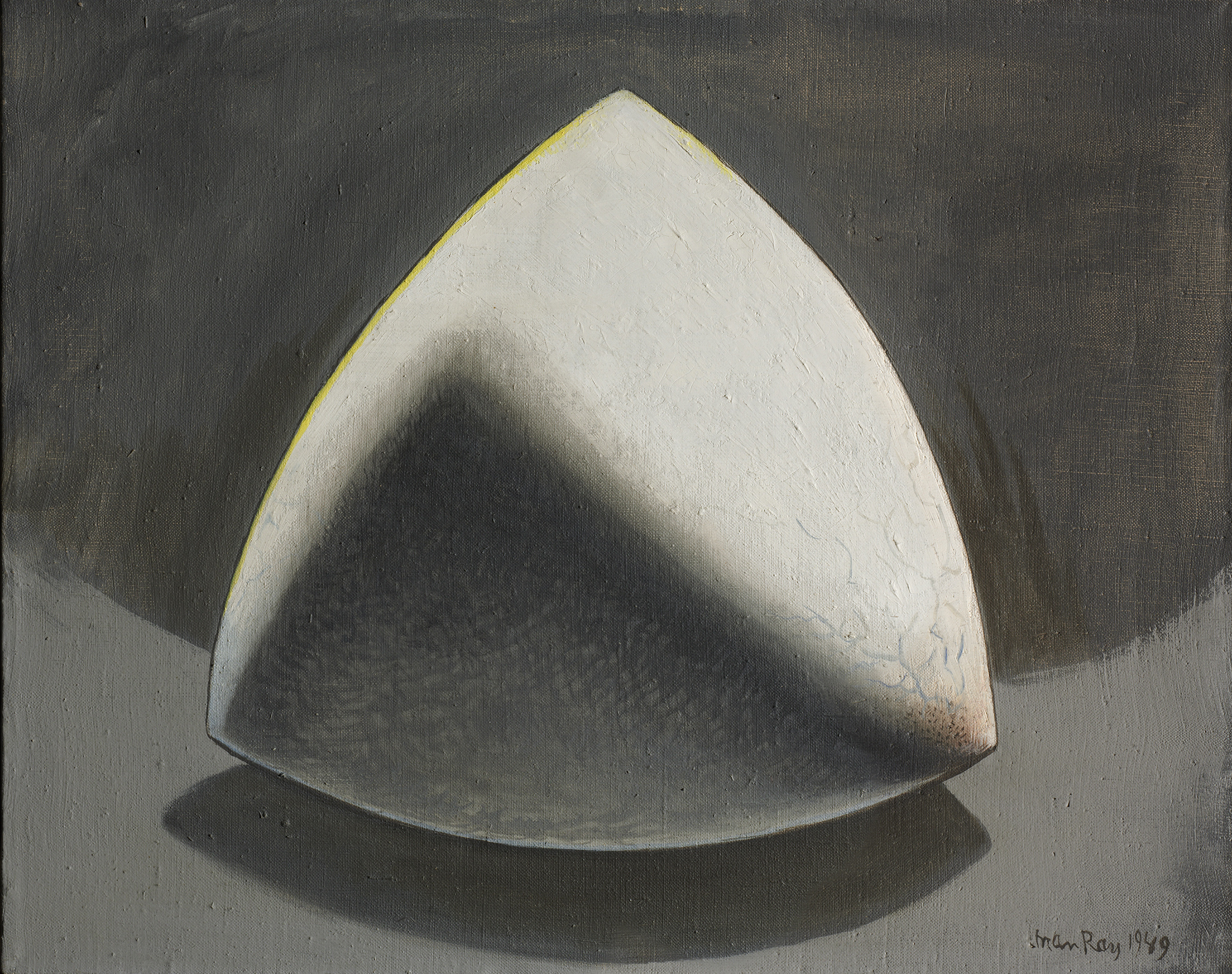
“Of course, there will always be those who look only at technique, who
ask “how”, while others of a more curious nature will ask “why”. Personally, I have always preferred inspiration to information.”
by Man Ray
148192201692
Dada
Dada was an informal international movement, with participants in
Europe and North America. The beginnings of Dada correspond to the
outbreak of World War I. For many participants, the movement was a protest against the bourgeois nationalist and colonialist
interests, which many Dadaists believed were the root cause of the war,
and against the cultural and intellectual conformity—in art and more
broadly in society—that corresponded to the war.
Many Dadaists believed that the ‘reason’ and ‘logic’ of bourgeois capitalist
society had led people into war. They expressed their rejection of that
ideology in artistic expression that appeared to reject logic and
embrace chaos and irrationality. For example, George Grosz later recalled that his Dadaist art was intended as a protest “against this world of mutual destruction.”
According to Hans Richter Dada was not art: it was “anti-art.” Dada represented the opposite of everything which art stood for. Where art was concerned with traditional aesthetics, Dada ignored aesthetics. If art was to appeal to sensibilities, Dada was intended to offend.
As Hugo Ball
expressed it, “For us, art is not an end in itself … but it is an
opportunity for the true perception and criticism of the times we live
in.”
A reviewer from the American Art News
stated at the time that “Dada philosophy is the sickest, most
paralyzing and most destructive thing that has ever originated from the
brain of man.” Art historians have described Dada as being, in large
part, a “reaction to what many of these artists saw as nothing more than
an insane spectacle of collective homicide.”
Years later, Dada artists described the movement as “a phenomenon
bursting forth in the midst of the postwar economic and moral crisis, a
savior, a monster, which would lay waste to everything in its path…
[It was] a systematic work of destruction and demoralization… In the
end it became nothing but an act of sacrilege.”
To quote Dona Budd’s The Language of Art Knowledge,
Dada was born out of negative reaction to the horrors of the First
World War. This international movement was begun by a group of artists
and poets associated with the Cabaret Voltaire
in Zürich. Dada rejected reason and logic, prizing nonsense,
irrationality and intuition. The origin of the name Dada is unclear;
some believe that it is a nonsensical word. Others maintain that it
originates from the Romanian artists Tristan Tzara’s and Marcel Janco’s
frequent use of the words “da, da,” meaning “yes, yes” in the Romanian
language. Another theory says that the name “Dada” came during a meeting
of the group when a paper knife stuck into a French–German dictionary
happened to point to ‘dada’, a French word for ‘hobbyhorse’.
The movement primarily involved visual arts, literature, poetry, art manifestos, art theory, theatre, and graphic design, and concentrated its anti-war politics through a rejection of the prevailing standards in art through anti-art cultural works.