pop art
772458773978775553
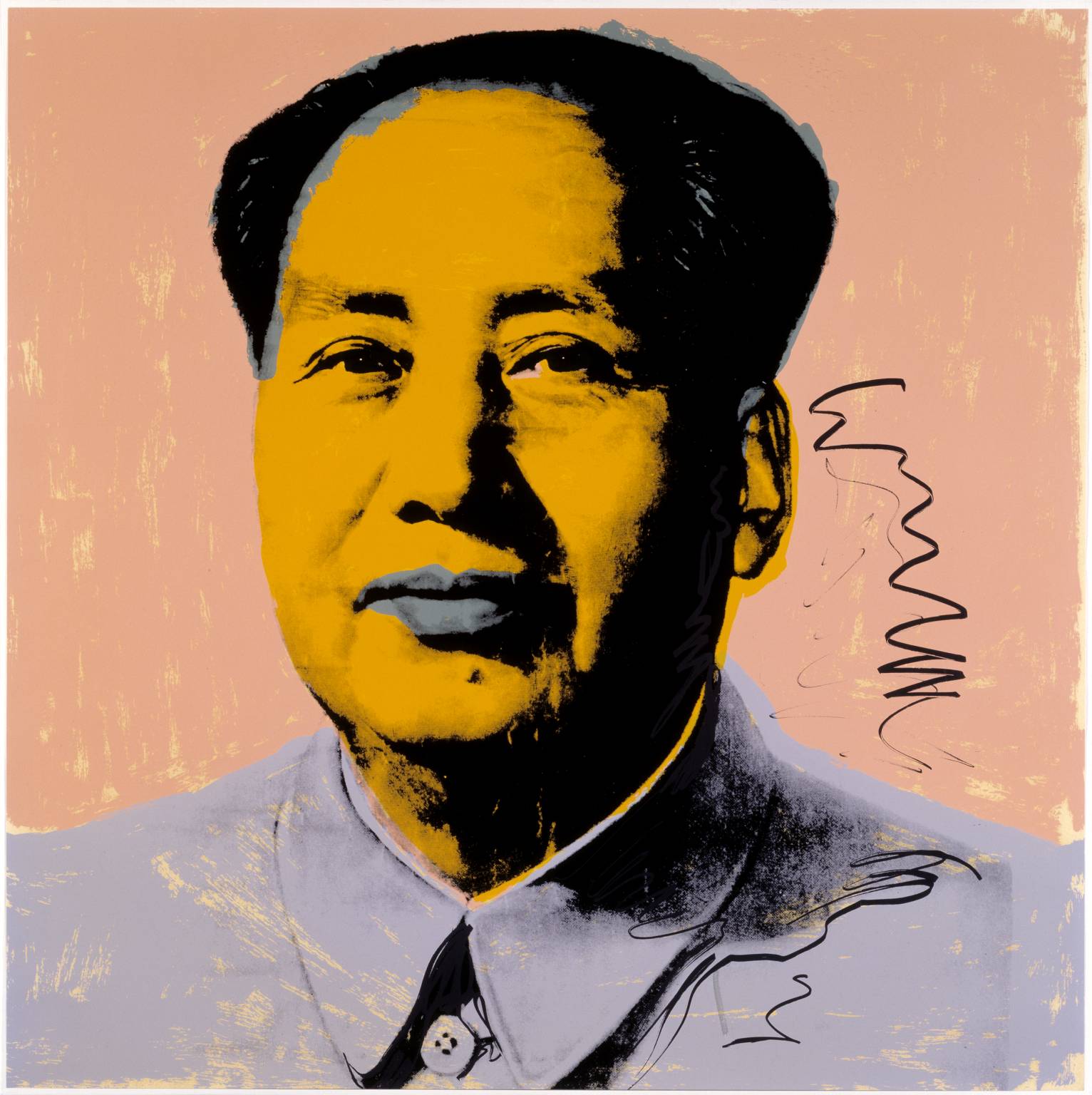
“Knocking down middle-class notions of painting as art, flaunting the reproductive techniques, mocking “the original,” skewering celebrity, and lauding it at the same time, laying on purposely bad technique, etc. Other pop artists were making similar efforts. But Warhol did it better. He made the point so strongly that repeating it today is a familiar strategy.”
— Robert Morris
768972888042799104

Edie Sedgwick & Andy Warhol, 1965
766741357215760384
Is attending art school necessary to become an artist?
Jean-Michel Basquiat did not attend formal art school. Instead, he was largely self-taught and became known as part of the street art scene in New York City in the late 1970s and early 1980s. He gained prominence through his graffiti work under the pseudonym “SAMO” and later transitioned to more formal art settings, becoming a major figure in the neo-expressionist movement. His raw talent, distinctive style, and bold commentary on issues such as race and class distinguished him as a powerful force in contemporary art without traditional academic training.
Andy Warhol did receive formal art education. He studied commercial art at Carnegie Institute of Technology (now Carnegie Mellon University) in Pittsburgh, graduating in 1949 with a degree in pictorial design. His education and subsequent work as a commercial illustrator greatly influenced his later artistic style and approach, particularly in his role as a leading figure of the Pop Art movement. Warhol’s use of mass production techniques, celebrity culture, and commercial imagery are often attributed to his early professional experiences and training.
Jackson Pollock did attend formal art school. He studied at the Art Students League of New York, where he was taught by Thomas Hart Benton, a leading American regionalist painter. Benton’s focus on rhythmic and dynamic compositions influenced Pollock’s early work, although Pollock later developed his unique style, breaking away from his mentor’s realism. Pollock became known for his groundbreaking drip and action painting techniques, making him one of the most significant figures in abstract expressionism.
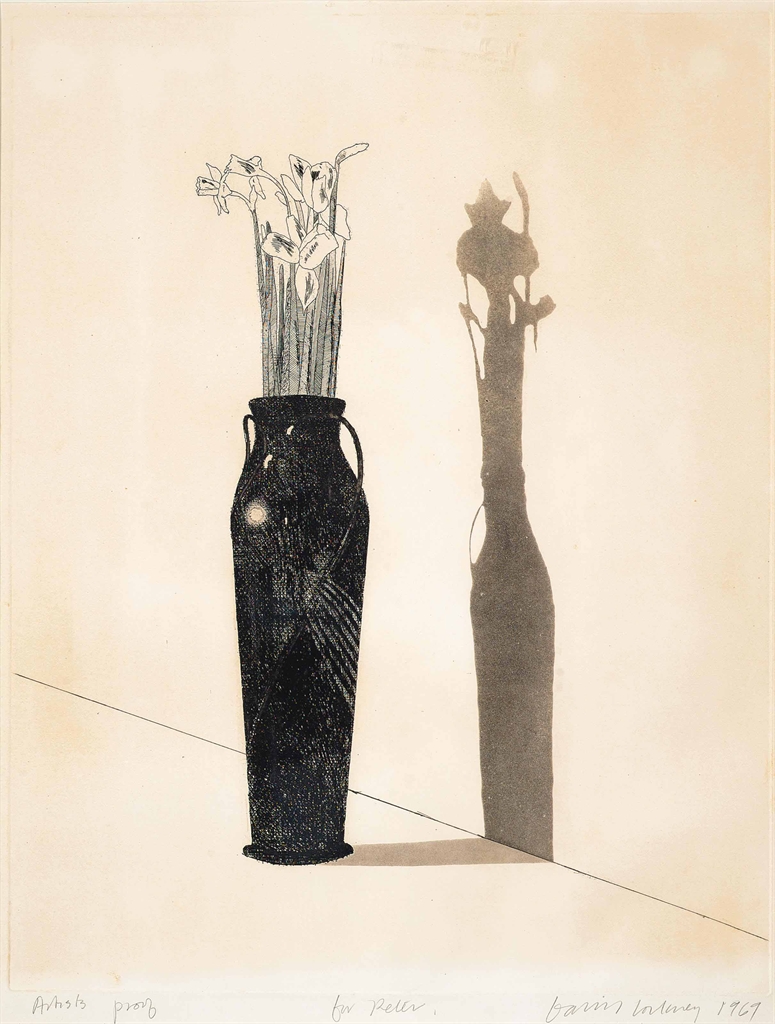
David Hockney attended art school and had a formal education in the arts. He studied at the Bradford College of Art in his hometown in England and later attended the Royal College of Art in London. Hockney gained recognition during his time at the Royal College, becoming a leading figure in the British Pop Art movement. His formal training helped him experiment with various media and styles, making him one of the most versatile and influential artists of the 20th and 21st centuries.
By ChatGPT
758984054980902912
The value of art
The value of art can be understood in multiple dimensions:
1. Cultural and Historical Significance: Art often captures the cultural, social, and historical contexts of the time in which it was created. It can serve as a record of human experience and a way to communicate across generations.
2. Emotional and Aesthetic Impact: Art has the power to evoke emotions, provoke thought, and provide aesthetic pleasure. Its ability to resonate with individuals on a personal level adds to its value.
3. Economic Value: Art can have significant monetary value, determined by factors such as the artist’s reputation, rarity, historical importance, and demand within the art market. This economic aspect is evident in auctions and private sales of artwork.
4. Symbolic Value: Art can carry symbolic meaning, representing ideals, beliefs, or social commentary. This can increase its value in the eyes of those who share or appreciate these symbols.
5. Personal Value: For many, art holds personal value, whether it’s a family heirloom, a piece that resonates with their personal experiences, or something that simply brings them joy.
In essence, the value of art is subjective and multifaceted, varying greatly depending on the context in which it is viewed and appreciated.
By ChatGPT
743199577519325184
The documentary Roy Lichtenstein 1991
735561042568118272
Andy Warhol: An American Prophet (Art History Documentary) | Perspective
734998216888696832

“Why do people think artists are special? It’s just another job.”— Andy Warhol
Andy Warhol (1928-1987)
Colored Mona Lisa
1963
silkscreen inks and graphite on canvas
125 7/8 x 82 1/8 in.
Price realised
USD 56,165,000