portrait
771237804178014208
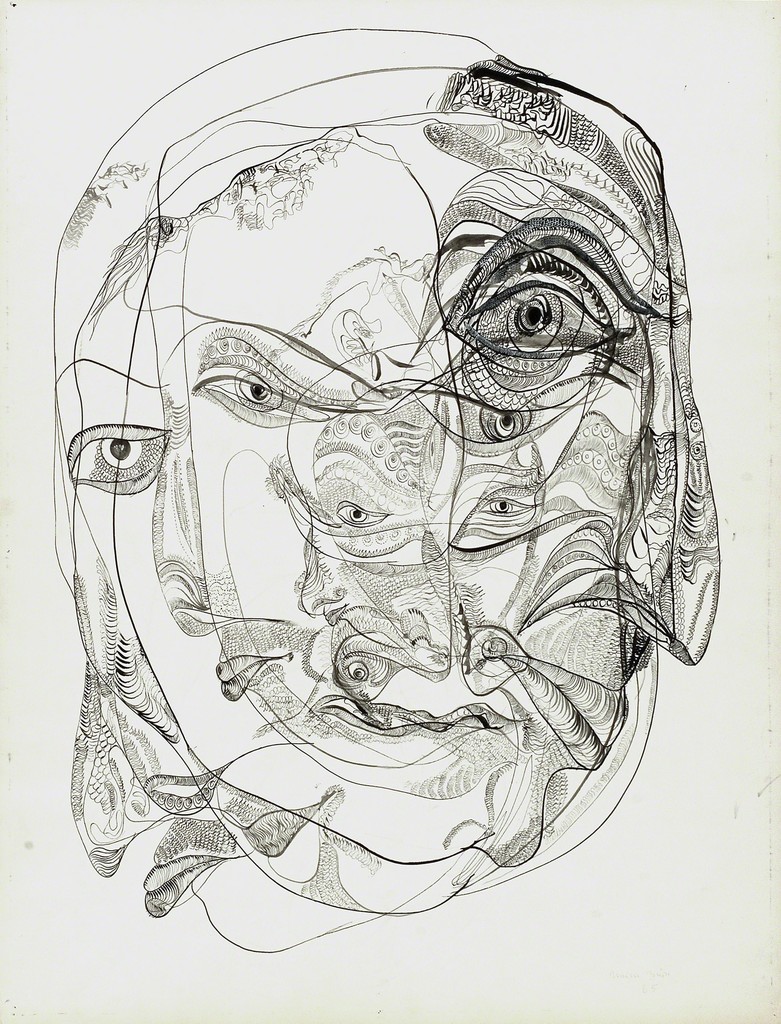
Unica Zürn – Untitled, 1965, ink & gouache on paper, 65.1 × 50.2 cm
767599952224534528

“I write about my own work because I want to speak for myself. I might not be the only authority, nor the best authority, but I want to participate in the writing of my own history. Why should artists be validated by outside authorities. I don’t like being paternalised and colonised by every Tom, Dick or Harry that comes along (male or female).” — Marlene Dumas
750400476443459584
748950983791525888

Diana Ross filming Mahogany, 1975
747483840922173440
“We now call it the community industry. The history of the web went as follows: at first it was military, then education and now commerce oriented. What are the possibilities of artists in the confrontation with these three systems? All of the time you can notice the anti-authoritarian spirit that changes flavour. At one stage it is simply pacifist. At another time, when it comes to education, it deals with intellectual independence. As Twain once said: “I’ve never let my school interfere with my education”.
Right now, we live in a corporate atmosphere. The dominant frame in the artistic field is decorative art, but I cannot waste my time discussing it. In new media art, the radical and experimental artists always confront the dominant frame. And right now, it is the community industry that provides the most useful grip that the corporate world can possibly have on the online population. You have all these various dimensions of self-‐disclosure, and when you disclose things about yourself you share parts of your privacy that feed the system. And I think this is a good topic for artists. I am currently working on a project with Heath Bunting. I think this is a good topic because people are blind, they behave as sheep.” — Vuk Ćosić
Vuk Ćosić
Deep ASCII
2021
Token ID: 0
Contract Address: 0x2C3c…dfFc
Non-Fungible Token: ERC-1155
MP4: 46.1 MB (48,440,942 bytes), 742x1034px, 00:01:19
From the 1998 full length video Deep ASCII, running time 59 minutes
Estimate
£40,000 – 50,000
747406738861457408
Art has the power to evoke moral contemplation, serving as a mirror to society’s values and challenging viewers to reflect on their own ethical beliefs.
745943960808275968
People may copy others for a variety of reasons, including:
- Lack of identity: They may copy others to be recognized.
- Jealousy: They may copy others because they want what you have.
- Insecurity: They may copy others to elevate themselves.
- Threatened: They may copy others because they feel threatened by your success.
- Obsession: They may copy others.
- Laziness: They may copy others.
- Mental health issues: They may copy others.
745312878744289280
744058757861031936
In a Brilliant Light: Van Gogh in Arles, 1984 | From the Vaults
744044404012187648
CryptoPunks: Details for Punk #3100
Sold 4.5KΞ ($16.03M)
742688200469905408
The dopamine, the deceitful dopamine, gives them a false sense of value.
— Soroosh Shahrivar
736331015327563776

“Everything I do is about self-presentation and empowerment. You know why it’s so important? Because even people who have very little can control how they present themselves to the world. If you have no money, no nothing, you can throw on a scarf, put your hat to the side and walk out in to the street and feel good. It’s style. Diana Vreeland said if you’re not born with it I feel sorry for your ass.” — Coreen Simpson
Coreen Simpson
Ntozake Shange
1997/2021
Gelatin silver print
26 × 26 in
Price: US$12,000
736223641671516160

“I have no regrets. My life is squares, triangles, lines.” — Vera Molnár
Vera Molnár
Themes and Variations #1
2023
computer generated
631 Eth/$1.2 million
500 generative art NFTs