Quote of the Day
135360020967
135177830767
Karma without Belief
by Ajahn Brahm
134887862902
Cognitive psychology
In the essay “Buddhism Meets Western Science”, Gay Watson explains:
Buddhism has always been concerned with feelings, emotions,
sensations, and cognition. The Buddha points both to cognitive and
emotional causes of suffering. The emotional cause is desire and its
negative opposite, aversion. The cognitive cause is ignorance of the way
things truly occur, or of three marks of existence: that all things are unsatisfactory, impermanent, and without essential self.
The noble eightfold path is, from this psychological viewpoint, an
attempt to change patterns of thought and behavior. It is for this
reason that the first element of the path is right understanding (sammā-diṭṭhi), which is how one’s mind views the world. Under the wisdom (paññā) subdivision of the noble eightfold path, this worldview is intimately connected with the second element, right thought (sammā-saṅkappa),
which concerns the patterns of thought and intention that controls
one’s actions. These elements can be seen at work, for example, in the
opening verses of the Dhammapada: The noble eightfold path is also the fourth noble truth.
All experience is preceded by mind,
Led by mind,
Made by mind.
Speak or act with a corrupted mind,
And suffering follows
As the wagon wheel follows the hoof of the ox.
All experience is preceded by mind,
Led by mind,
Made by mind.
Speak or act with a peaceful mind,
And happiness follows
Like a never-departing shadow.
Thus, by altering one’s distorted worldview, bringing out “tranquil
perception” in the place of “perception polluted”, one is able to ease
suffering. Watson points this out from a psychological standpoint:
Research has shown that repeated action, learning, and memory can
actually change the nervous system physically, altering both synaptic
strength and connections. Such changes may be brought about by
cultivated change in emotion and action; they will, in turn, change
subsequent experience.
134758024772
Face to Face with Life’s Challenges: Ole-Jørgen Edna at TEDxBKK
134748760701

134260420682
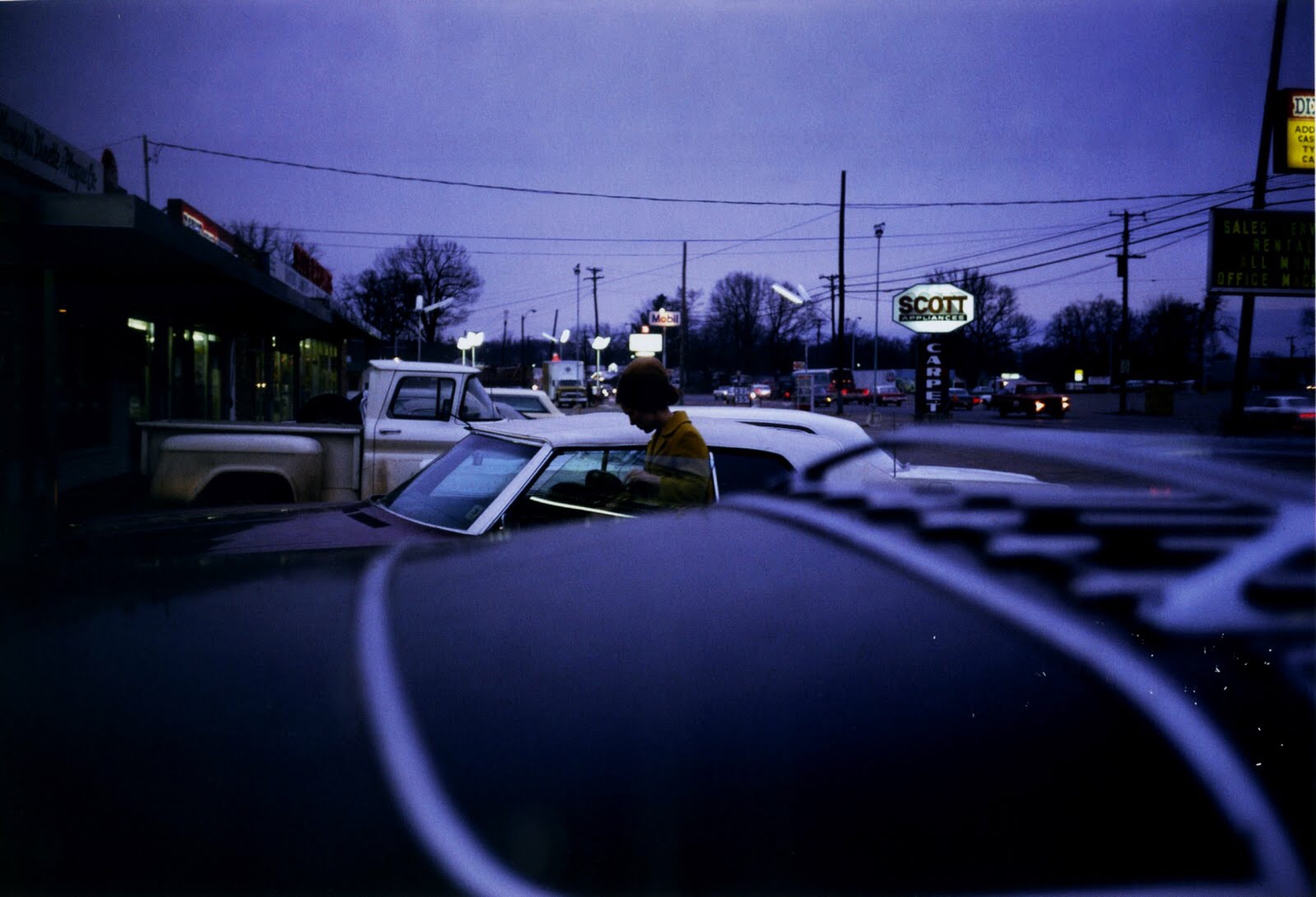
“I think with being blind the one thing you would have going is that you could still feel things, see your way around so to speak. And if you had had the experience of seeing at one time in your life, then you would know what it was like and be able to function. I’ve said this before, I think I could really photograph blind if I had to.”–William Eggleston
134189741442
Harold Budd (born May 24, 1936) is an American ambient/avant-garde
composer and poet. Born in Los Angeles, he was raised in the Mojave
Desert, and was inspired at an early age by the humming tone caused by
wind blown across telephone wires.
134070266937
Why Using a Website Template Isn’t a Good Idea
133990488707
This intriguing test will tell you how good you are at reading other people
Incredibly observant
You’re incredibly observant. You are very alert and have strong
instincts. You are able to read people’s emotions and make sense of the
way they are feeling in an instant. You don’t miss a beat and it is hard
to get much past you! Have you ever thought about working as a
detective?
133834280817
I happen to know this, and I happen to know that, and maybe I know that; and I work everything out from there. Tomorrow I may forgot that this is true, but remember that something else is true, so I can reconstruct it all again. I am never quite sure of where I am supposed to begin or where I am supposed to end. I just remember enough all the time so that as the memory fades and some of the pieces fall out I can put the thing back together again every day.
133800062532
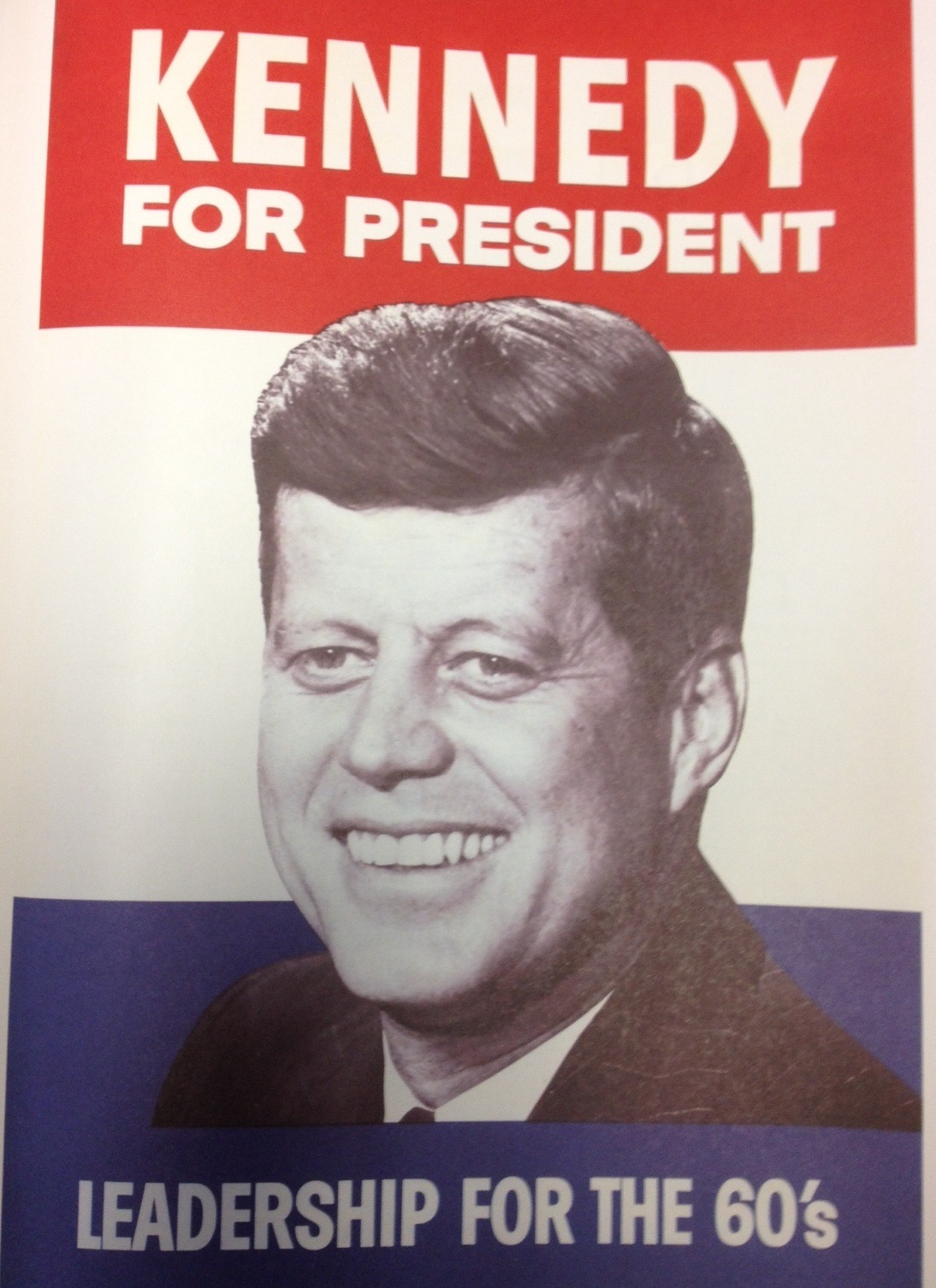
“Let every nation know, whether it wishes
us well or ill, that we shall pay any price, bear any burden, meet any
hardship, support any friend, oppose any foe to assure the survival and
the success of liberty.”—John F. Kennedy, 1960
133766814327
Relax. Everything’s out of control! | by Ajahn Brahm
133685448302
You’ve got mail (1998) – Official Movie Trailer