quotes
787511280792698880
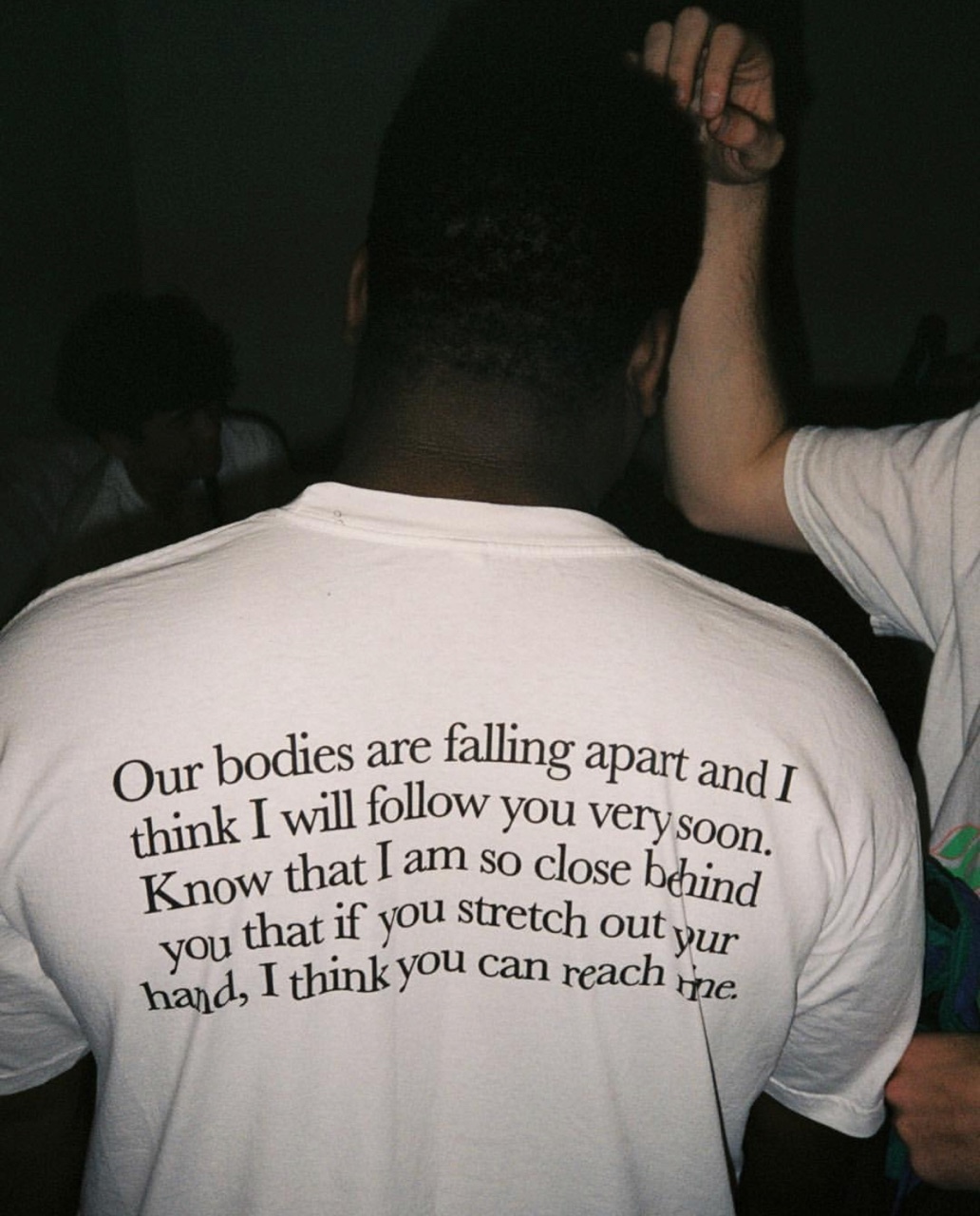
787501627015905280
plagiarism
noun [ U ]
UK /ˈpleɪ.dʒər.ɪ.zəm/ US /ˈpleɪ.dʒɚ.ɪ.zəm/
the process or practice of using another person’s ideas or work and pretending that it is your own.
787480790259974144
The Male Ego: Definition, Causes, Tips, and More
“The male ego can in some cases be tied to how and where a man sees his place in the world and whether he’s living up to expectations — his and those of society.
Cultural stereotypes for men can be intricately tied to both the inflation and deflation of the male ego. Some men measure themselves by the answers to the following questions:
Am I strong enough? Am I wealthy enough? Do I meet the traditional definition of masculinity? Do I attract women? Do I control things or people? Do people recognize me for these things and am I respected and revered for them?”
787426414753349632
“Government of the people, by the people, for the people, shall not perish from the Earth.”
— Abraham Lincoln
787426222983561216
“The care of human life and happiness… is the first and only legitimate object of good government.”
— Thomas Jefferson
787425731156312064
“And if the blind lead the blind, both shall fall into the ditch.”
— Matthew 15:14, King James Bible
787311239142506497
“All that jealousy and envy comin’ from my enemies.”
— Tupac Shakur
787255528374059008
What Happens In The Brain When We Dislike Somebody – Headspace
“In order to understand what happens in your body when you dislike someone, you can start by trying to understand fear. As Robert Sapolsky writes in “Why Your Brain Hates Other People,” when we see someone who even looks different from us, “there is preferential activation of the amygdala,” which means the brain region associated with fear and aggression flares up. This visceral, emotional reaction can spark a long-term pattern of dislike when it’s validated by action: if you perceive that someone has hurt you, your fear of them becomes rational. Our negative feelings toward someone get stronger as bad experiences with them pile up, and these negative thoughts trigger the fight-or-flight response in our bodies.”
787206214794756096
“And how life on your own terms might end in a blaze, not a sunset.”
— Butch Cassidy And The Sundance Kid
That line — “how life on your own terms might end in a blaze, not a sunset” — speaks to a deeper truth at the heart of Butch Cassidy and the Sundance Kid. Here’s a breakdown of what it means:
🔹 “Life on your own terms”
This refers to choosing freedom over conformity, even when it’s risky. Butch and Sundance live outside the law, not because they’re evil, but because they refuse to be boxed in by society’s rules. They’re chasing a life that feels real — unpredictable, open, dangerous — but theirs.
🔹 “Might end in a blaze”
A blaze represents something dramatic, violent, or heroic — like the film’s final shootout. It’s not a quiet death, not a fade-out. It’s going out with intensity, in action, without surrender. This symbolizes the cost of living freely: sometimes, it burns out fast.
🔹 “Not a sunset”
A sunset suggests peace, retirement, rest — a long life winding down gently. It’s the “safe” ending, the kind we’re told to aim for. But Butch and Sundance are too wild, too untamed, to ride off into one. Their story isn’t about safety — it’s about freedom, even if it comes at the end of a barrel.
🔹 The Meaning in Context
The film’s final freeze-frame — as they run into a hopeless gunfight — perfectly captures this idea. They chose a life of adventure and risk, and they stayed true to it until the very end. There’s no regret in that. Just the price of being free.
787058324565868544
“Insecure people put others down to raise themselves up.”
— Habeeb Akande