sculpture
149510472357
Tracey Emin in Confidence interview
148846567052
148194623437
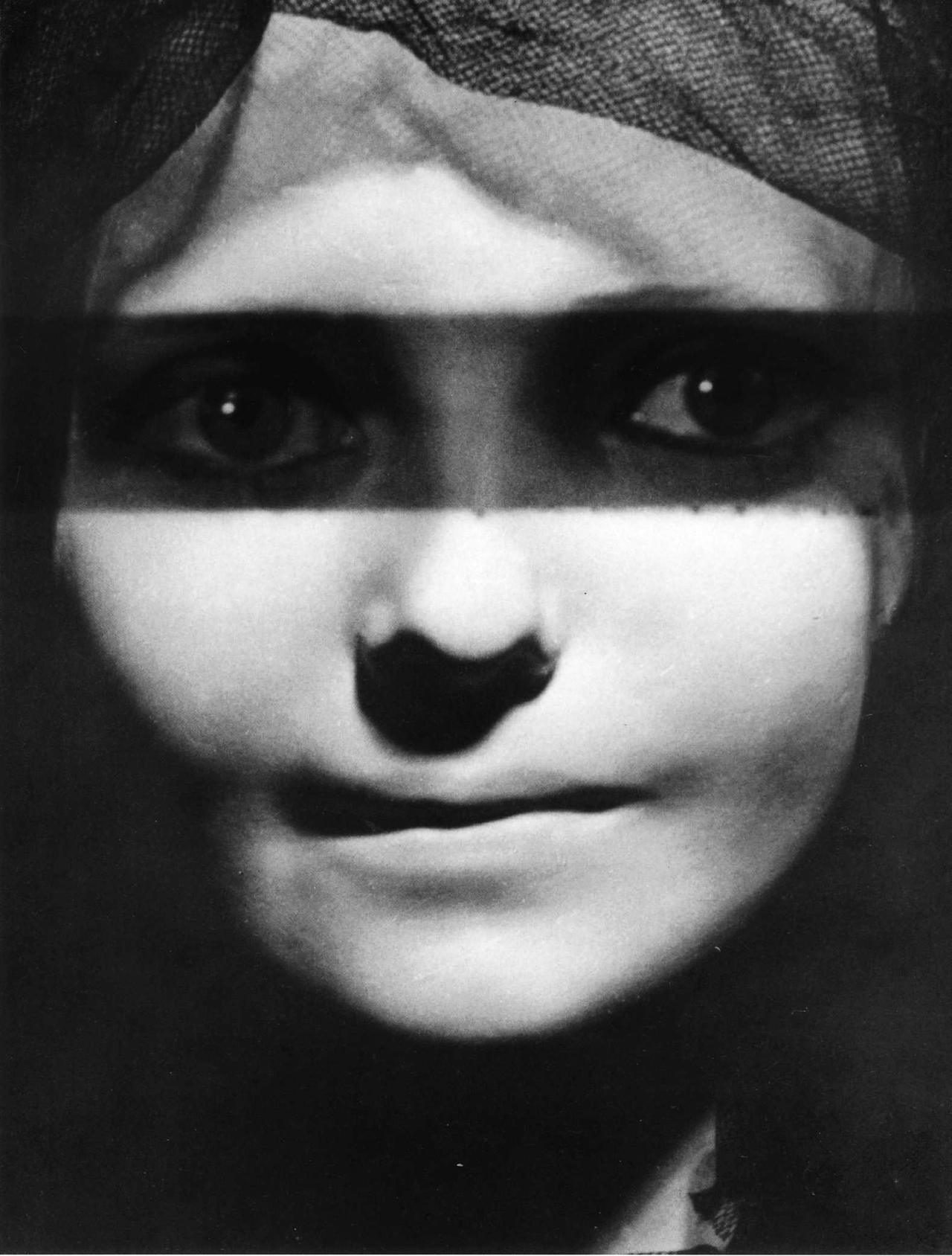
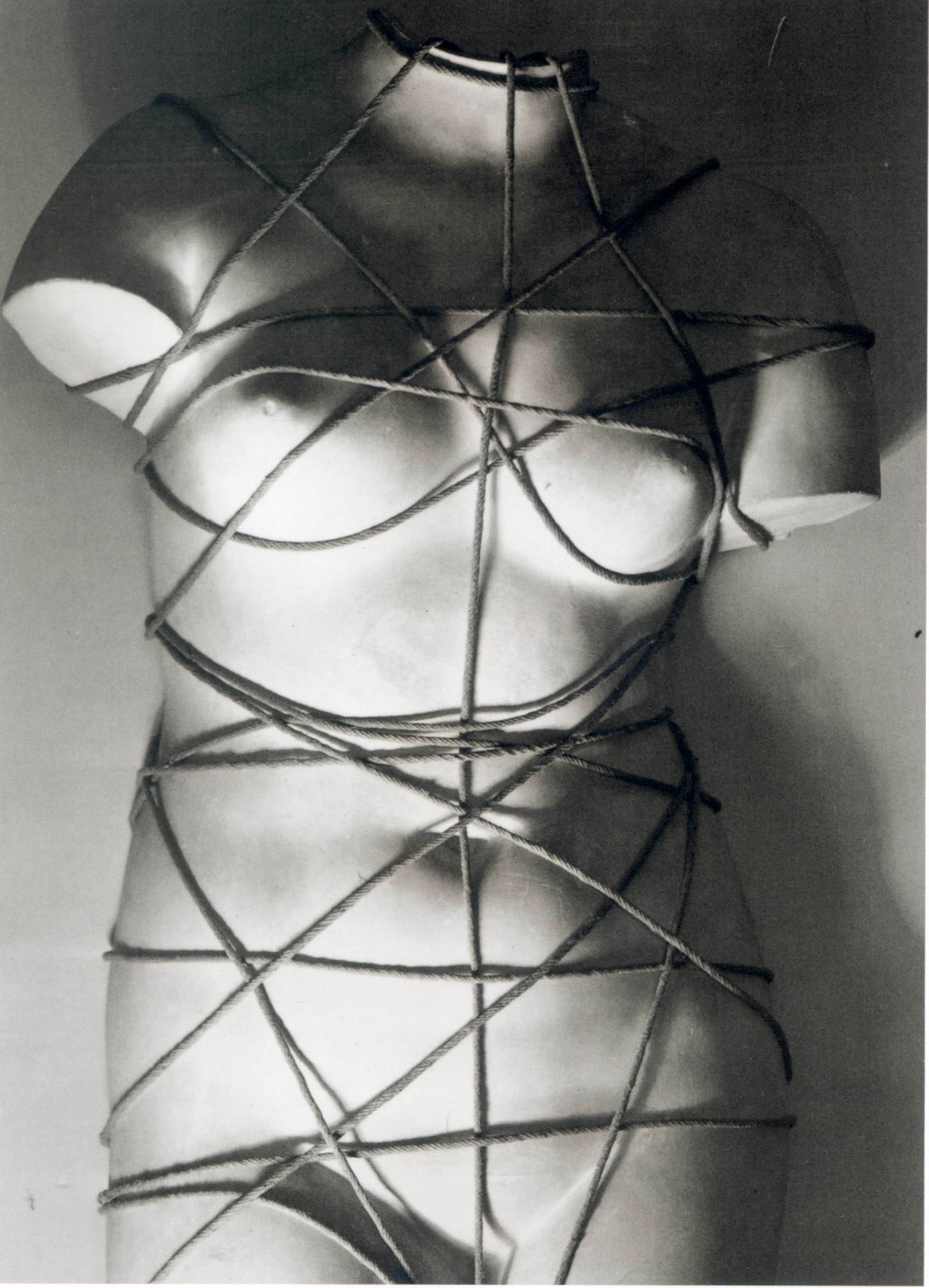
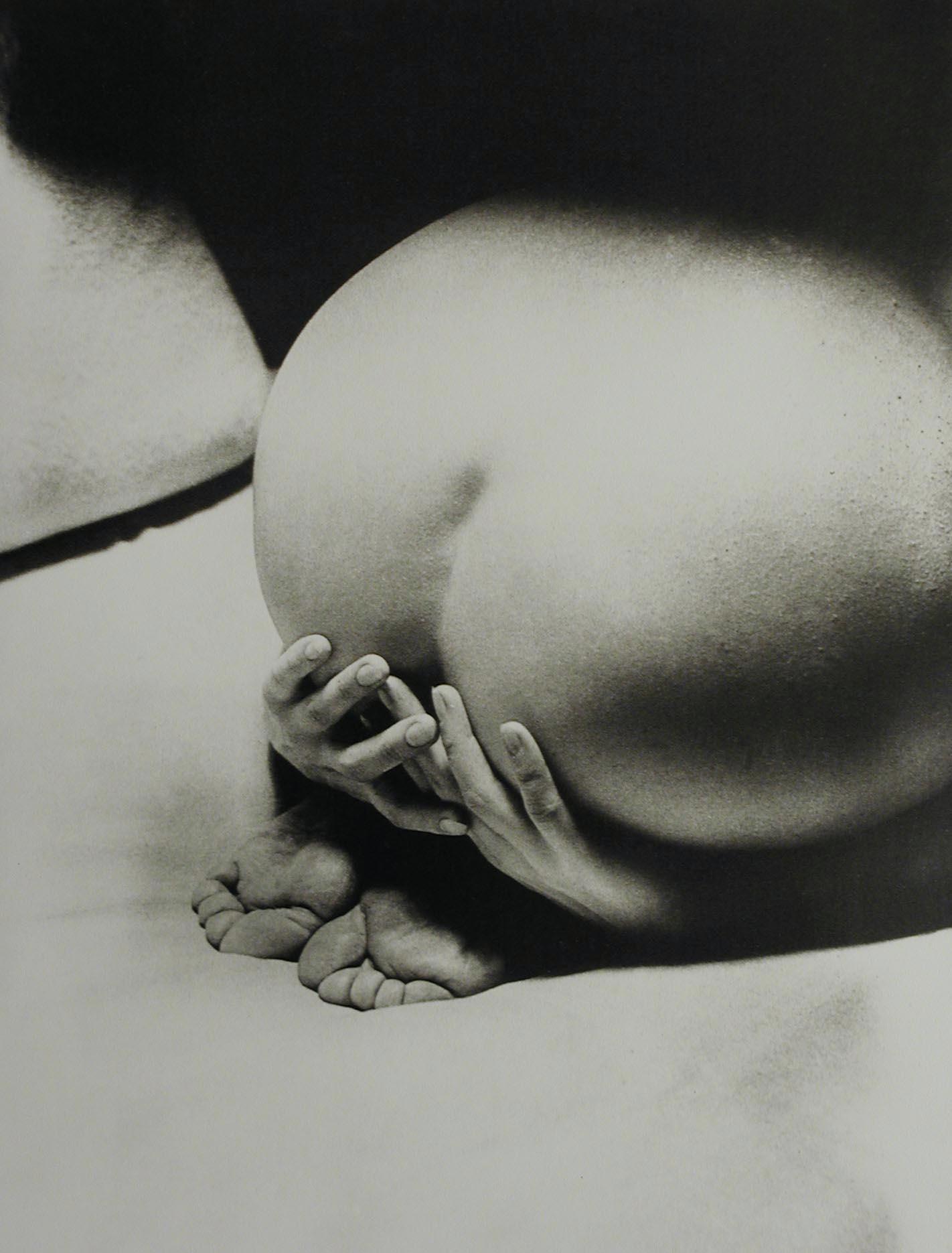
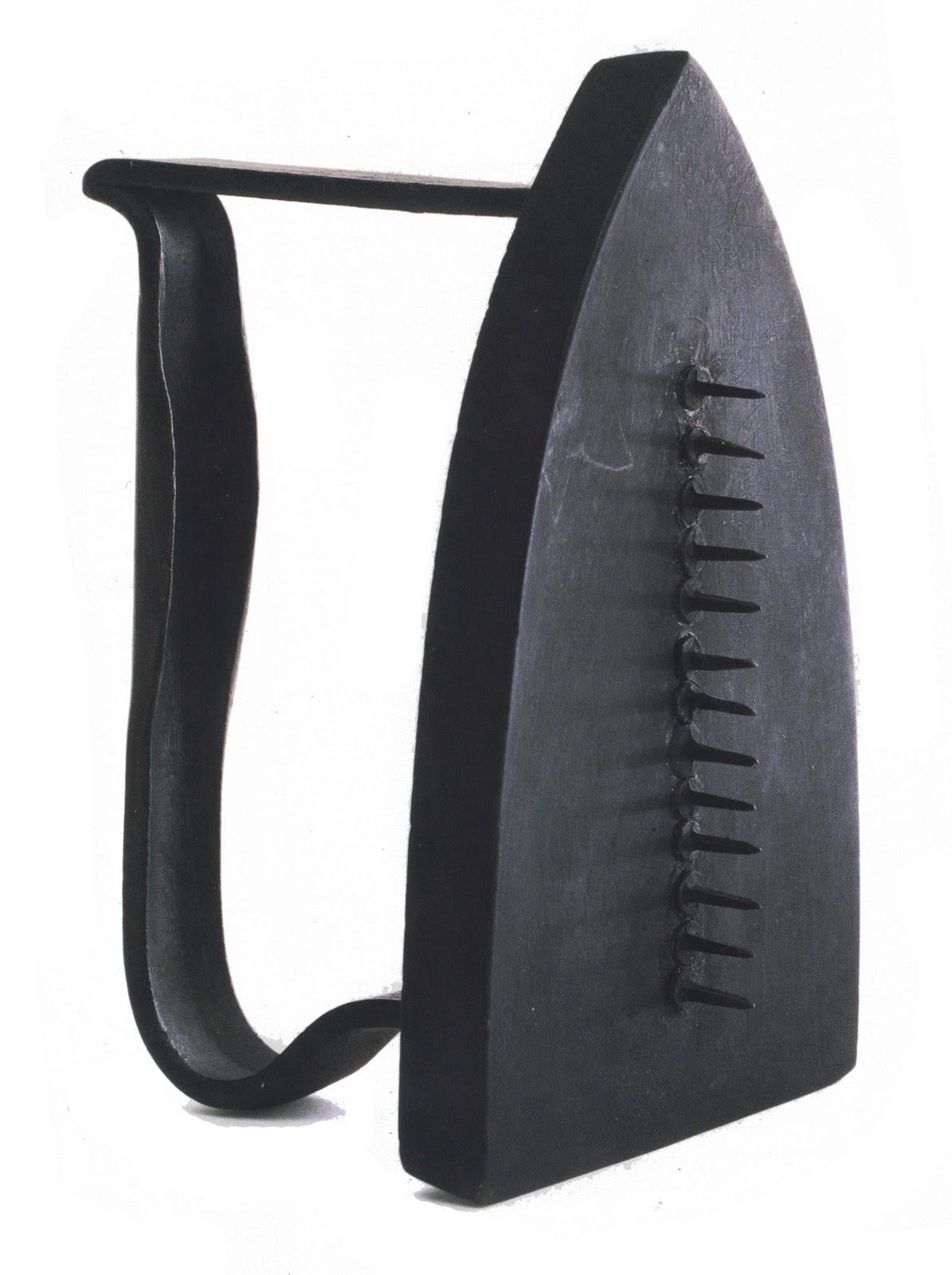
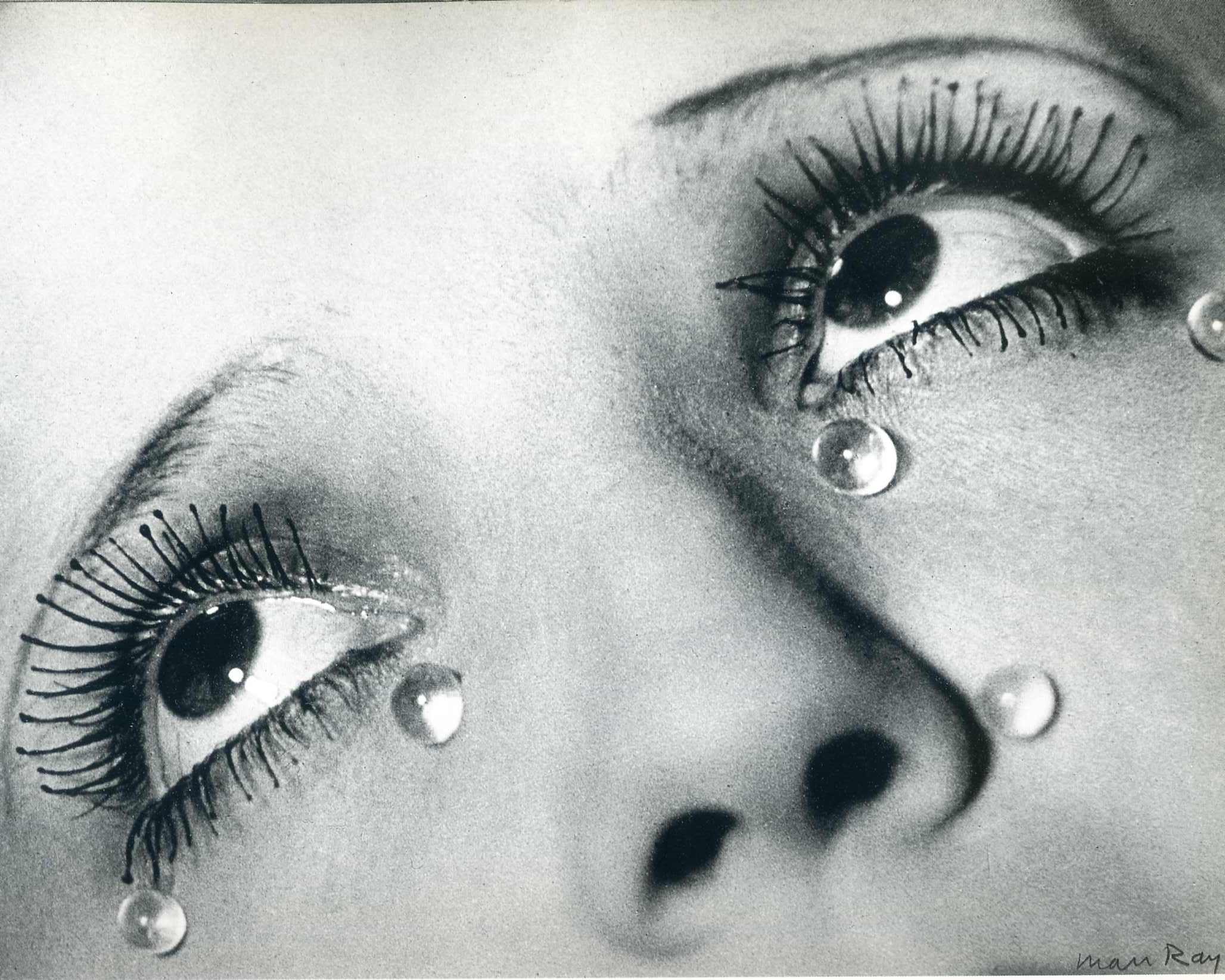
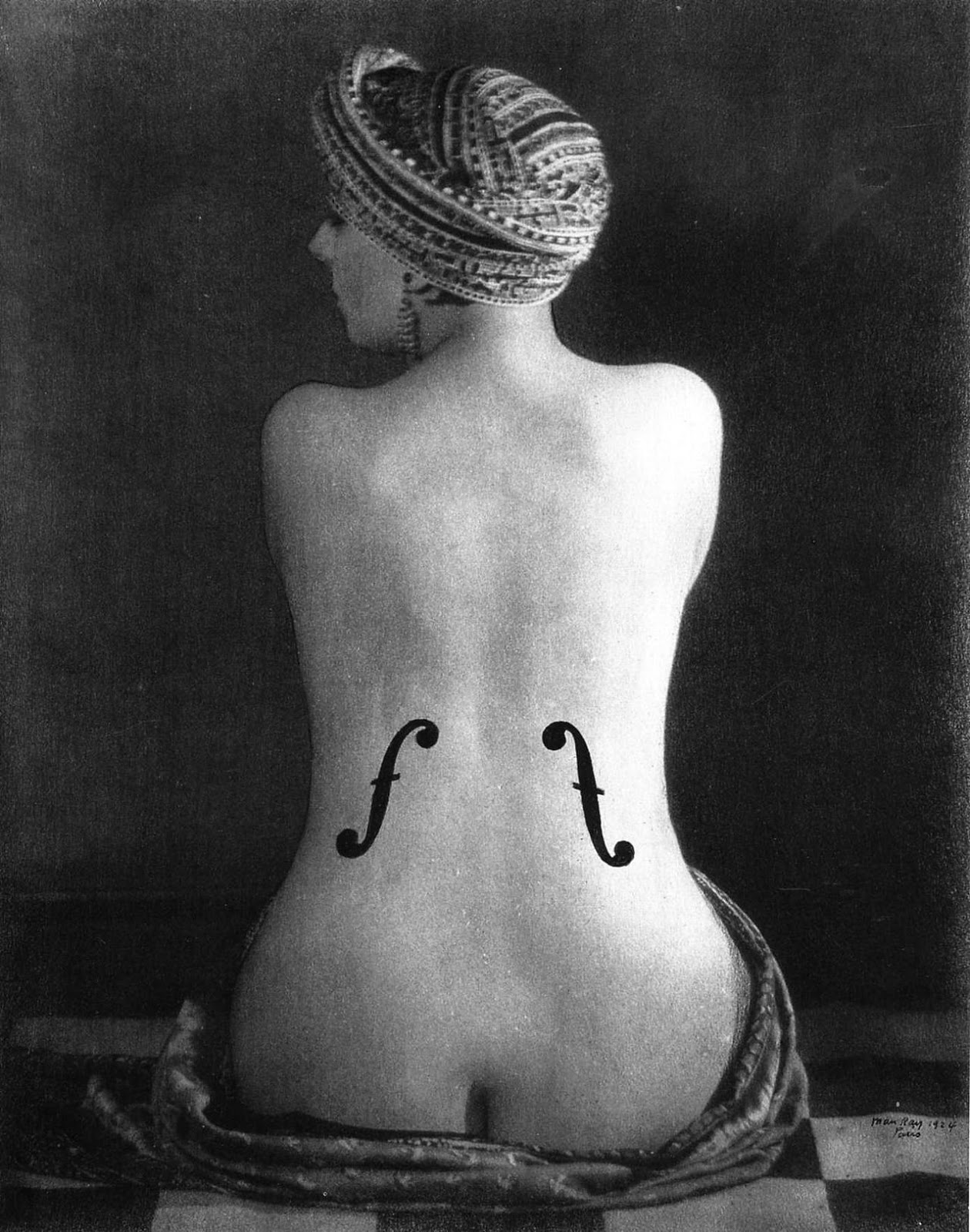
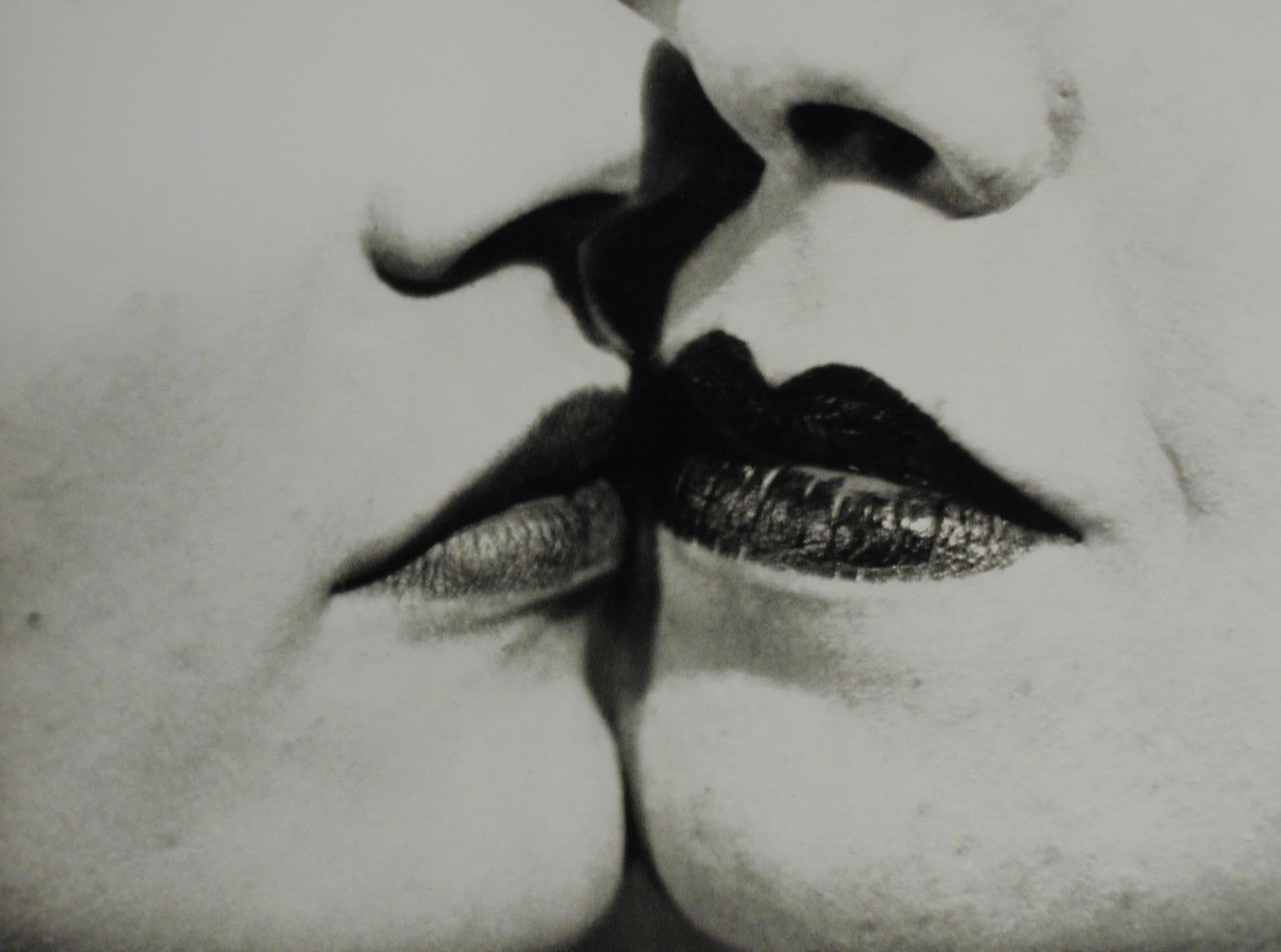
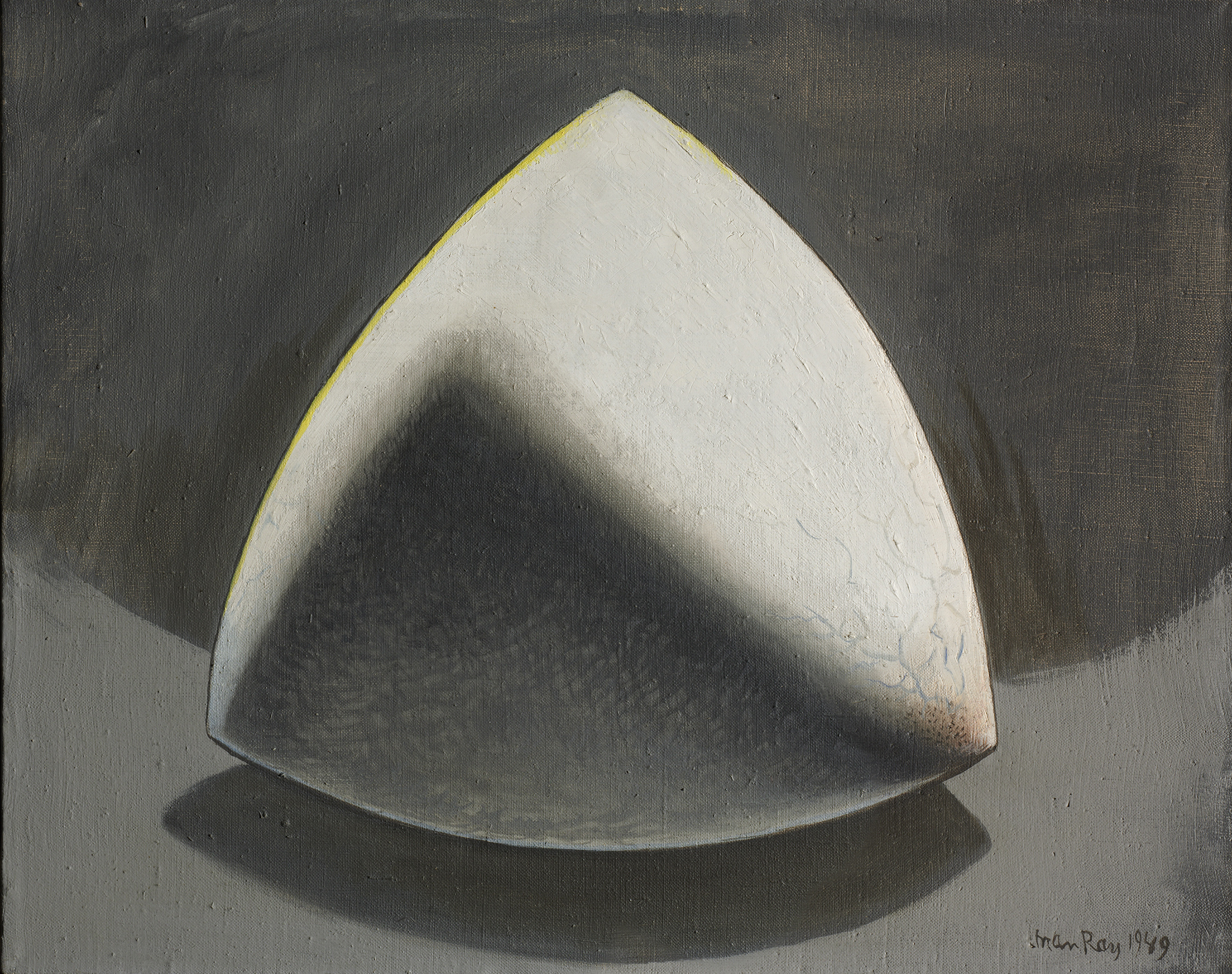
“Of course, there will always be those who look only at technique, who
ask “how”, while others of a more curious nature will ask “why”. Personally, I have always preferred inspiration to information.”
by Man Ray
148192201692
Dada
Dada was an informal international movement, with participants in
Europe and North America. The beginnings of Dada correspond to the
outbreak of World War I. For many participants, the movement was a protest against the bourgeois nationalist and colonialist
interests, which many Dadaists believed were the root cause of the war,
and against the cultural and intellectual conformity—in art and more
broadly in society—that corresponded to the war.
Many Dadaists believed that the ‘reason’ and ‘logic’ of bourgeois capitalist
society had led people into war. They expressed their rejection of that
ideology in artistic expression that appeared to reject logic and
embrace chaos and irrationality. For example, George Grosz later recalled that his Dadaist art was intended as a protest “against this world of mutual destruction.”
According to Hans Richter Dada was not art: it was “anti-art.” Dada represented the opposite of everything which art stood for. Where art was concerned with traditional aesthetics, Dada ignored aesthetics. If art was to appeal to sensibilities, Dada was intended to offend.
As Hugo Ball
expressed it, “For us, art is not an end in itself … but it is an
opportunity for the true perception and criticism of the times we live
in.”
A reviewer from the American Art News
stated at the time that “Dada philosophy is the sickest, most
paralyzing and most destructive thing that has ever originated from the
brain of man.” Art historians have described Dada as being, in large
part, a “reaction to what many of these artists saw as nothing more than
an insane spectacle of collective homicide.”
Years later, Dada artists described the movement as “a phenomenon
bursting forth in the midst of the postwar economic and moral crisis, a
savior, a monster, which would lay waste to everything in its path…
[It was] a systematic work of destruction and demoralization… In the
end it became nothing but an act of sacrilege.”
To quote Dona Budd’s The Language of Art Knowledge,
Dada was born out of negative reaction to the horrors of the First
World War. This international movement was begun by a group of artists
and poets associated with the Cabaret Voltaire
in Zürich. Dada rejected reason and logic, prizing nonsense,
irrationality and intuition. The origin of the name Dada is unclear;
some believe that it is a nonsensical word. Others maintain that it
originates from the Romanian artists Tristan Tzara’s and Marcel Janco’s
frequent use of the words “da, da,” meaning “yes, yes” in the Romanian
language. Another theory says that the name “Dada” came during a meeting
of the group when a paper knife stuck into a French–German dictionary
happened to point to ‘dada’, a French word for ‘hobbyhorse’.
The movement primarily involved visual arts, literature, poetry, art manifestos, art theory, theatre, and graphic design, and concentrated its anti-war politics through a rejection of the prevailing standards in art through anti-art cultural works.
147037410562
146600161077
Art is Dead
146444764522
Marcel Duchamp 1968 BBC interview
146258065812
THE HISTORY OF IMPRESSIONISM – Discovery Art Artist (documentary)
145954969562
145851619622
145722931125
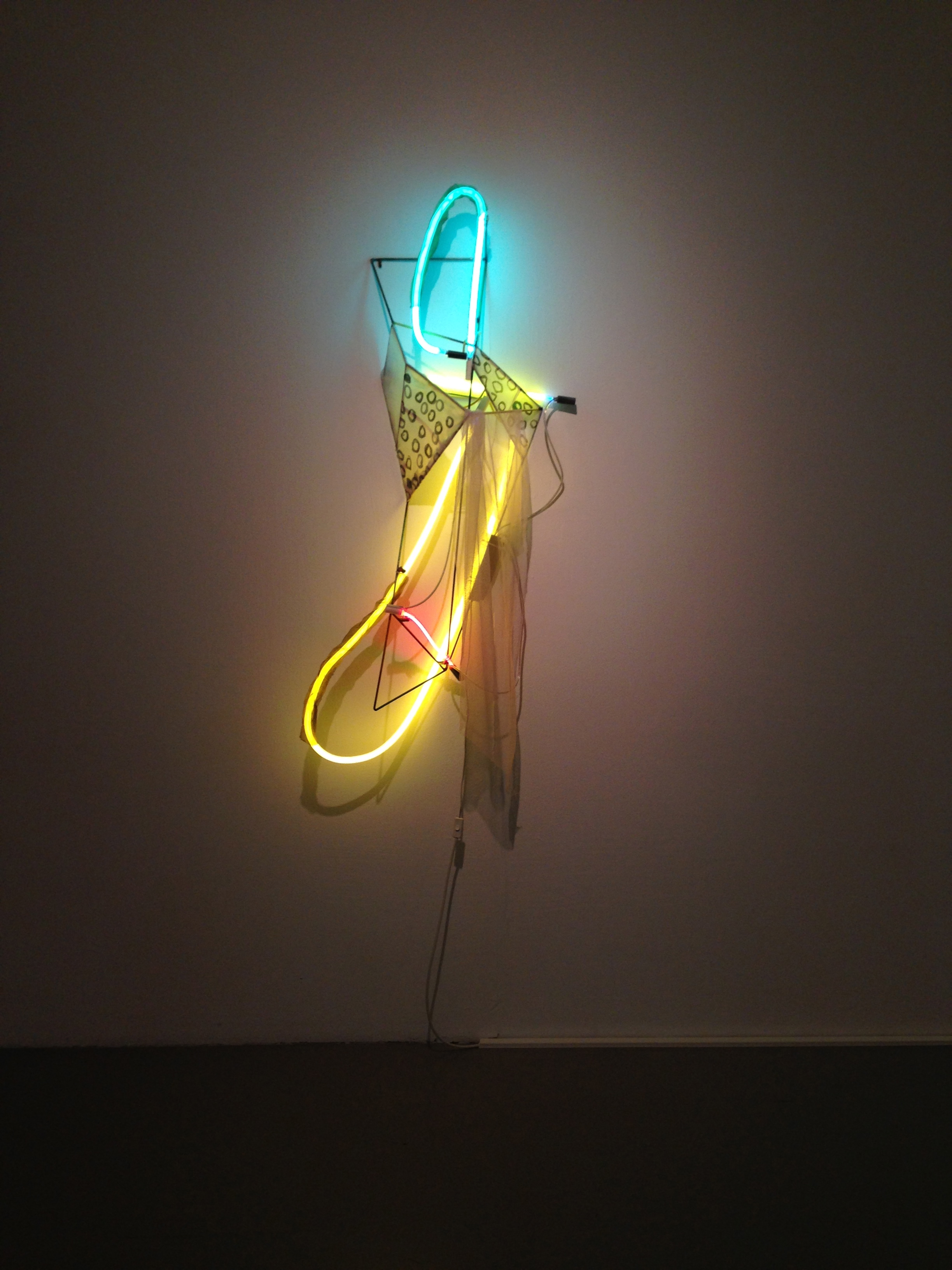
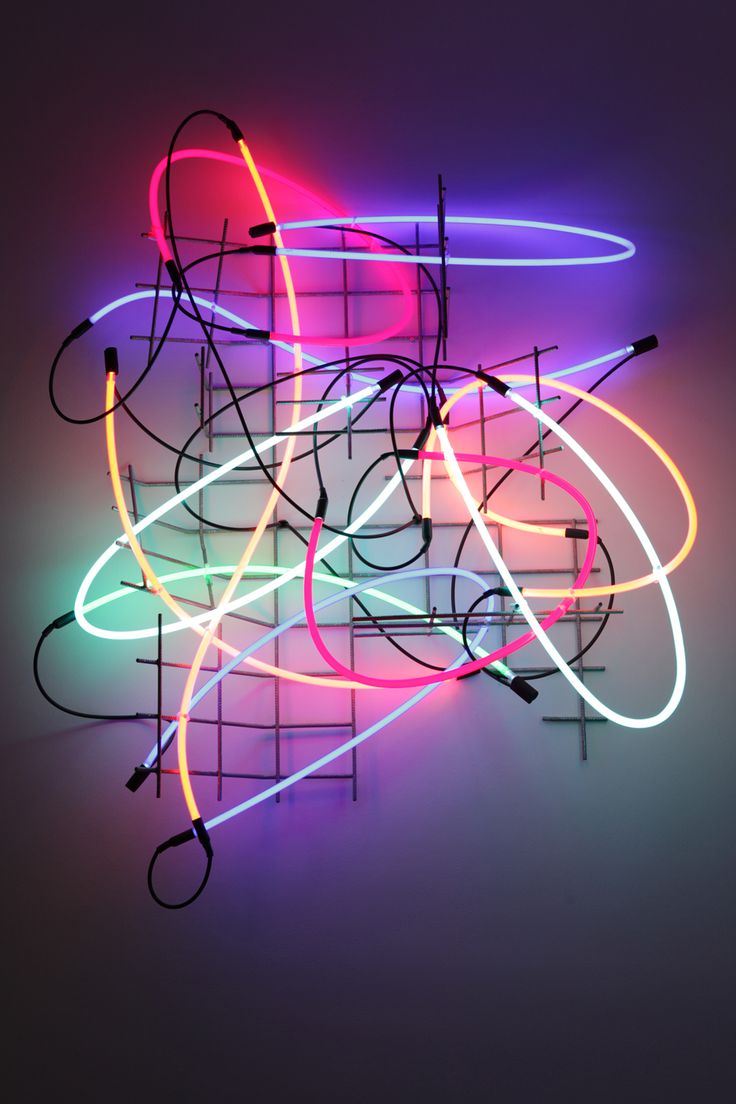
by Keith Sonnier
145604391732
Digital art, computer art, internet art, hard-edge painting, geometric abstraction, appropriation, hyperrealism, photorealism, expressionism, minimalism, lyrical abstraction, pop art, op art, abstract expressionism, color field painting, monochrome painting, neo-expressionism, collage, decollage, intermedia, assemblage, digital painting, postmodern art, neo-Dada painting, shaped canvas painting, environmental mural painting, graffiti, figure painting, landscape painting, portrait painting, are a few continuing and current directions at the beginning of the 21st century.
145513359207
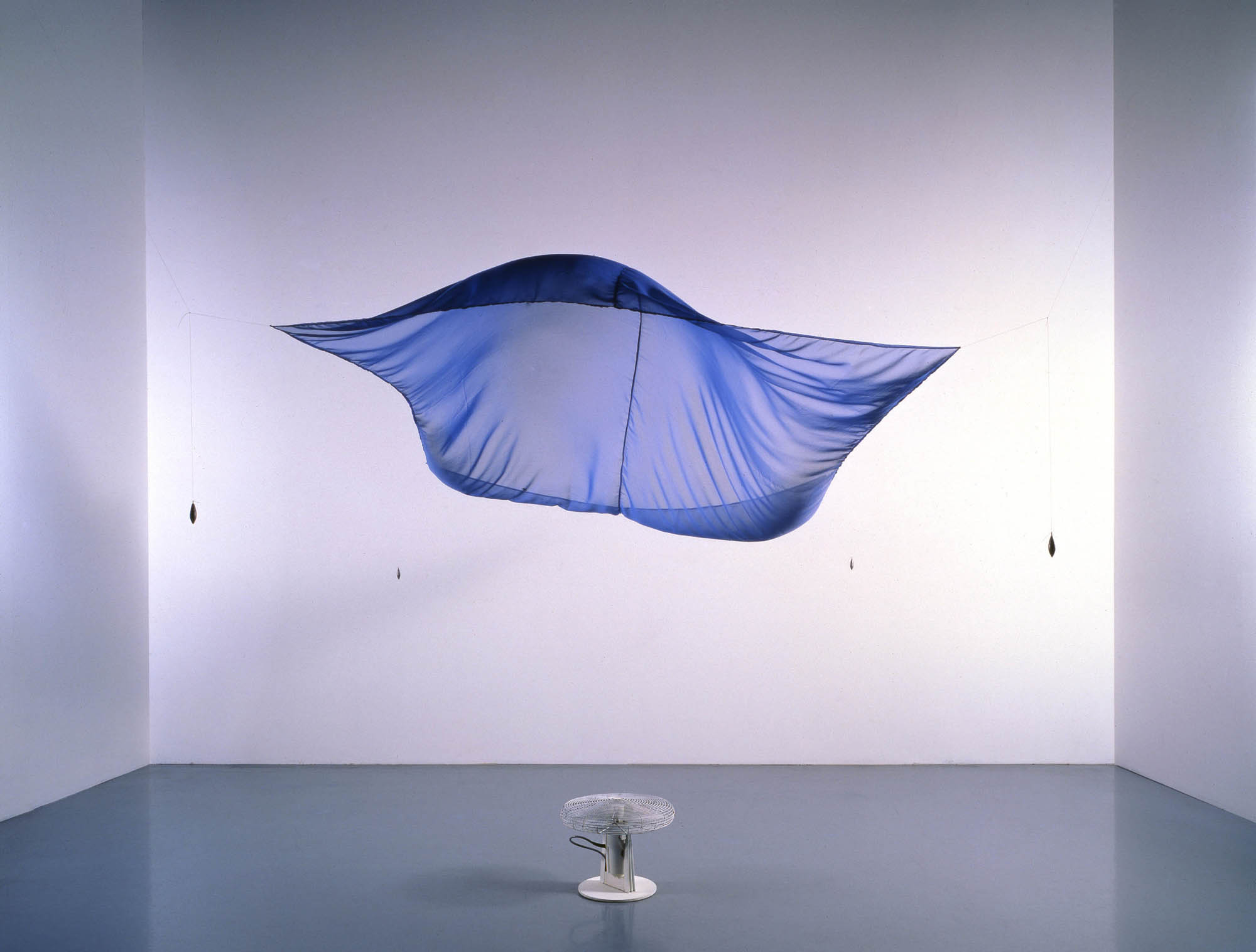
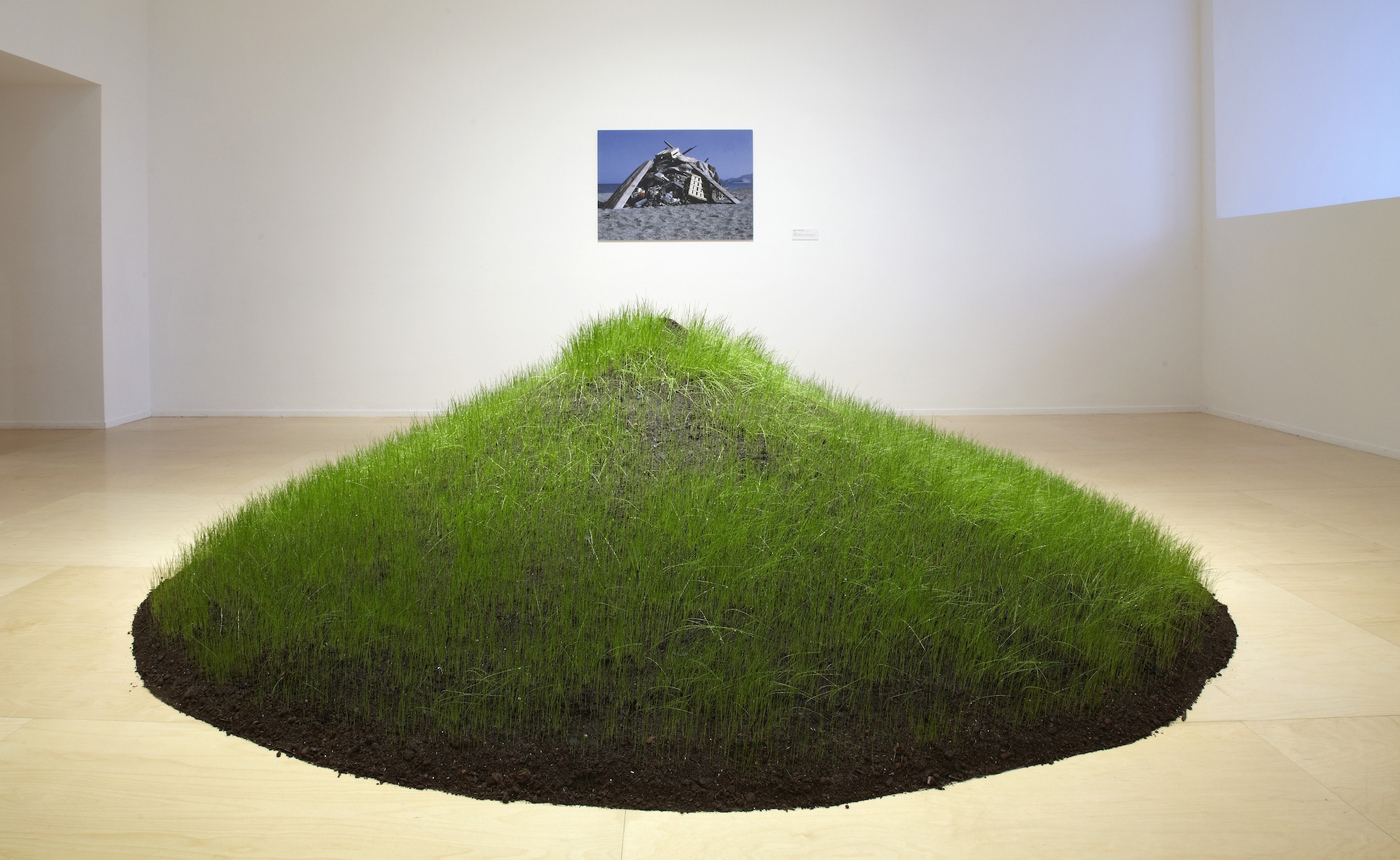

“Museums are managers of consciousness. They give us an
interpretation of history, of how to view the world and locate ourselves
in it. They are, if you want to put it in positive terms, great
educational institutions. If you want to put it in negative terms, they
are propaganda machines.”
by Hans Haacke
145511527272
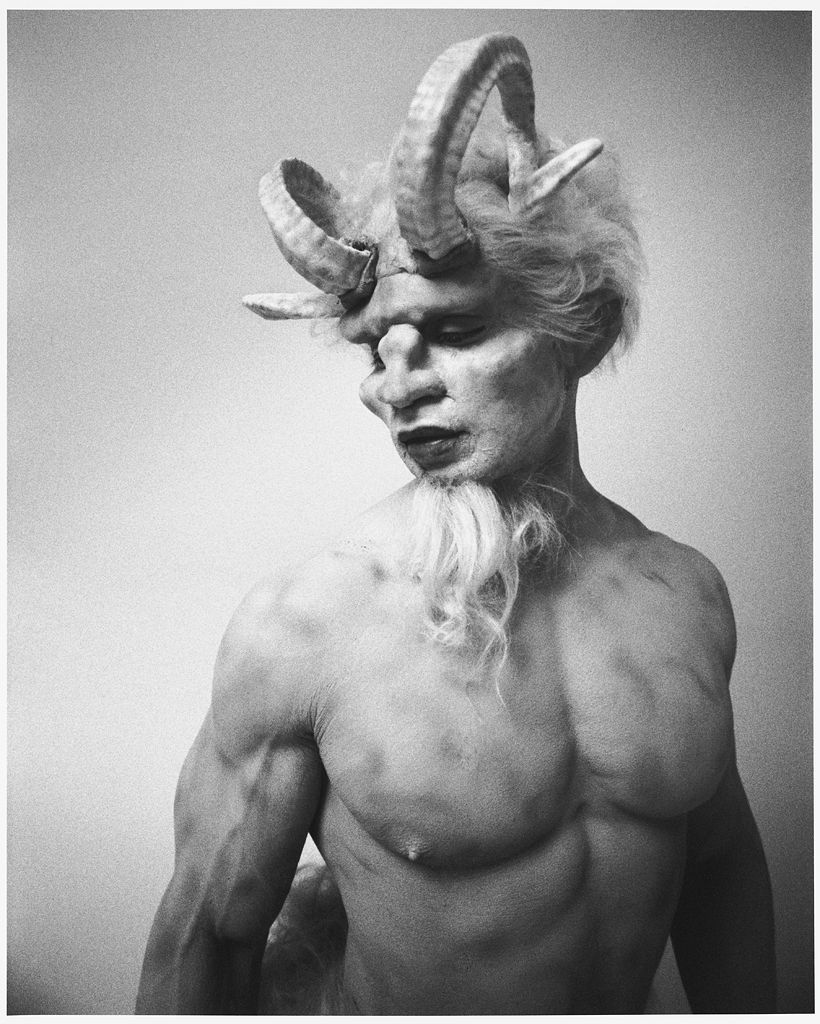
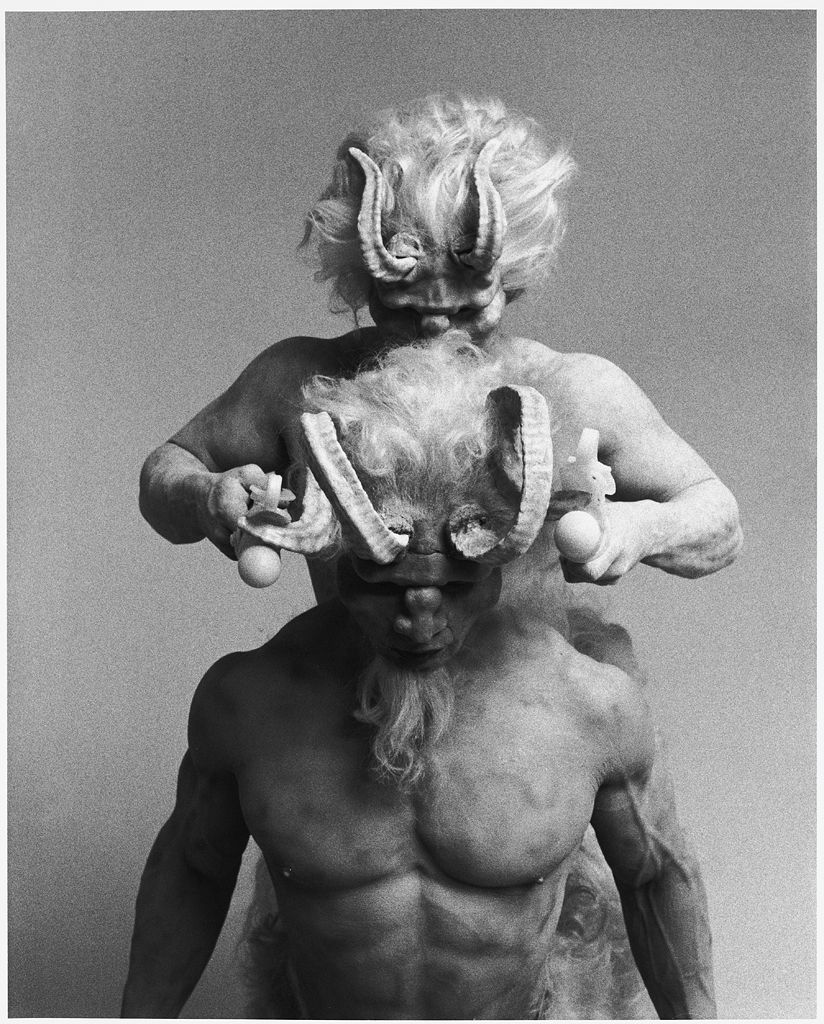
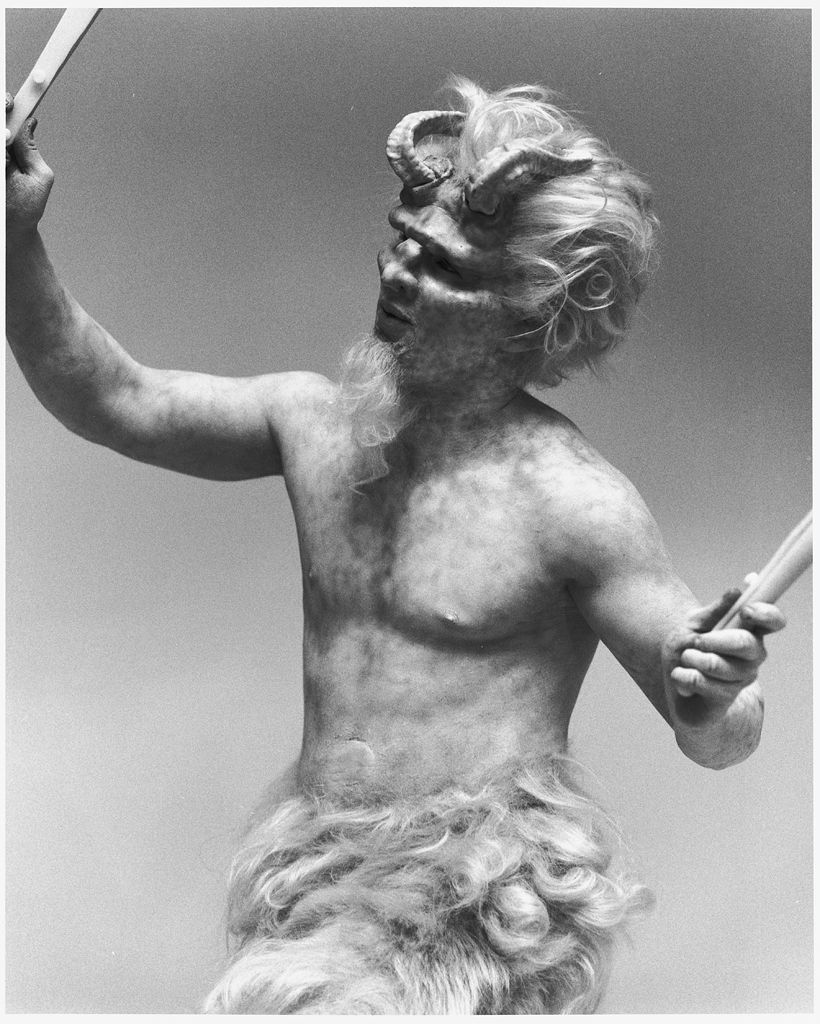
Envelopa: Drawing Restraint 7 (manual) C by Matthew Barney