sculpture
779488642004598785
Art Movement Overview
An art movement is a style or trend in art that is followed by a group of artists during a specific period. These movements often share common techniques, themes, or philosophies. They can be influenced by historical events, cultural shifts, or technological advancements.
For example:
- Impressionism (late 19th century) focused on capturing light and everyday life with loose brushwork.
- Surrealism (20th century) explored dreams and the unconscious mind with strange, dreamlike imagery.
- Abstract Expressionism (mid-20th century) emphasized spontaneous and emotional brushstrokes rather than realistic representation.
Art movements help categorize different styles and ideas in art history. Do you have a particular movement you’re interested in?
778723356790898688
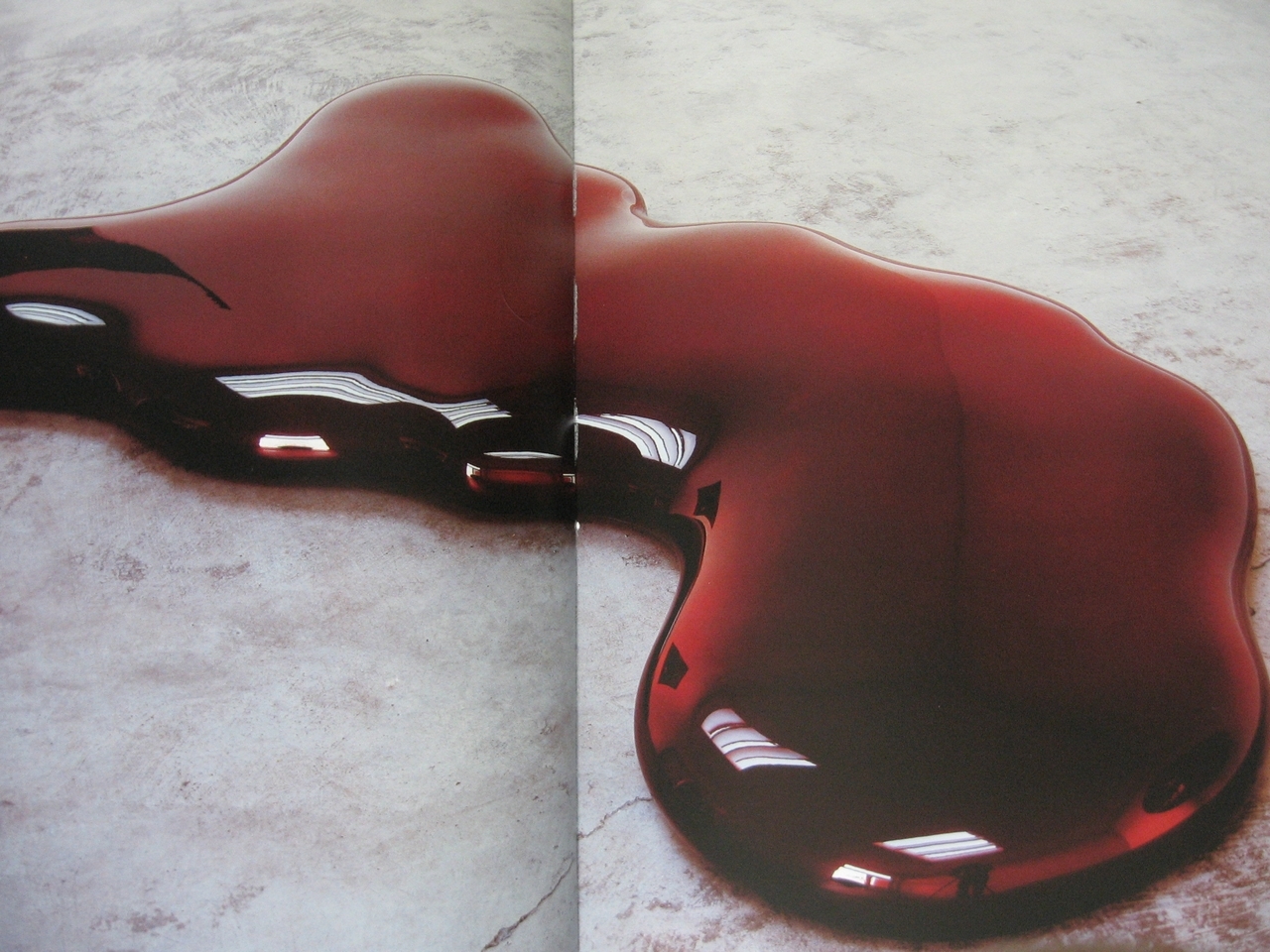
Blood, 2000 by Anish Kapoor
778558922029187072

“I still think science is looking for answers and art is looking for questions.”
⠀
Quinn sees the skeleton as representative of an everyman, an abstraction of a person since it is the part of the body which transcends death. The sculptures Angel and Waiting for Godot take the form of a praying skeleton and are an ironic reference to the idea of waiting for answers – or for some kind of external power to guide our life.
⠀
Marc Quinn
Waiting for Godot
2006
Patinated bronze
77h x 37w x 76.5d cm
778270497363345408
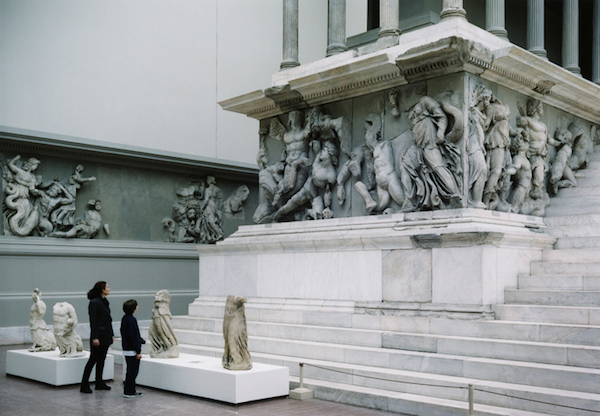
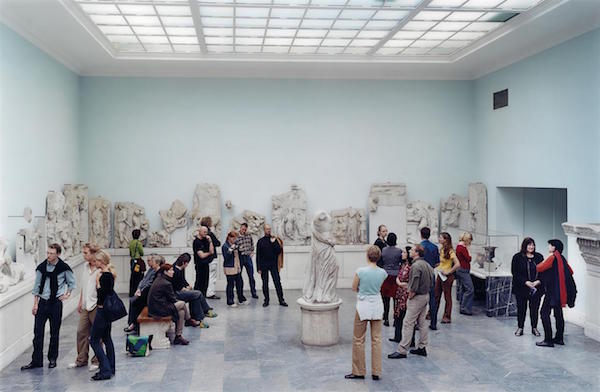
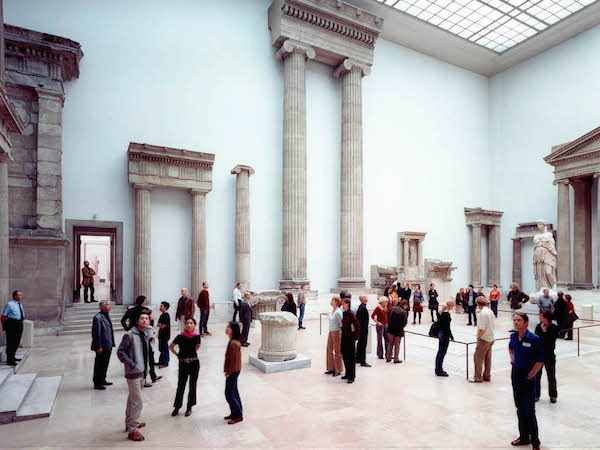
Pergamon Museum, Berlin, 1996-2001
Photo by Thomas Struth
More related posts: Thomas Struth | Museum
777788161445249024
“An idea is more important than style. Style is merely the vehicle for the idea.”
— Sol LeWitt
777726828804784128
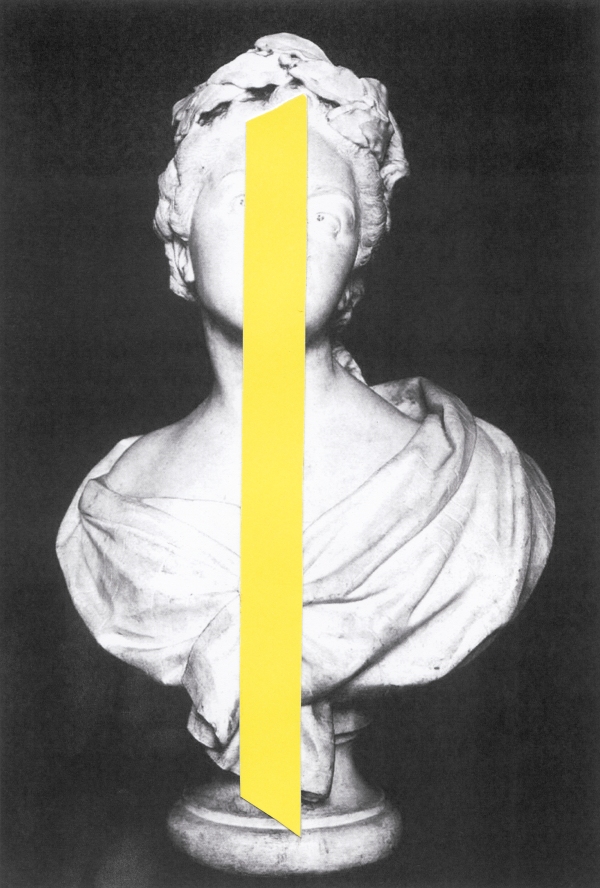
777709407417090048
“Well, it’s the creative process – research and inspiration. Development of ideas. Refinement and craft. You have to dig deep into the problem at the beginning and find that wee gem of an idea to springboard into something big. A truth you can then develop and craft into something beautiful. Feed your eyes and your senses and creative things start to happen.” — Chloe Templeman
777580748812288000
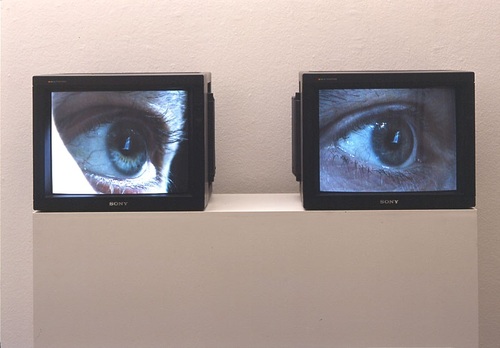
Waterfall
Mariele Neudecker
777538580458422272


“An artist fights to retain the integrity of a work so that it remains a strong, clear vision. Art is and should be the act of an individual willing to say something new, something not quite familiar.”
Maya Lin
Vietnam Veterans Memorial, 1982
National Mall, Washington D.C.
Sponsor: Vietnam Veterans Memorial Fund
Architect of Record: Cooper-Lecky Partnership
Landscape Architect: Henry Arnold
Photography: Terry Adams, Mark Segal, Victoria Sambunaris, Wendy Watriss
777372157967745024
“Concept is king. Without a strong idea, style is just decoration.”
– Unknown
776367919815868416
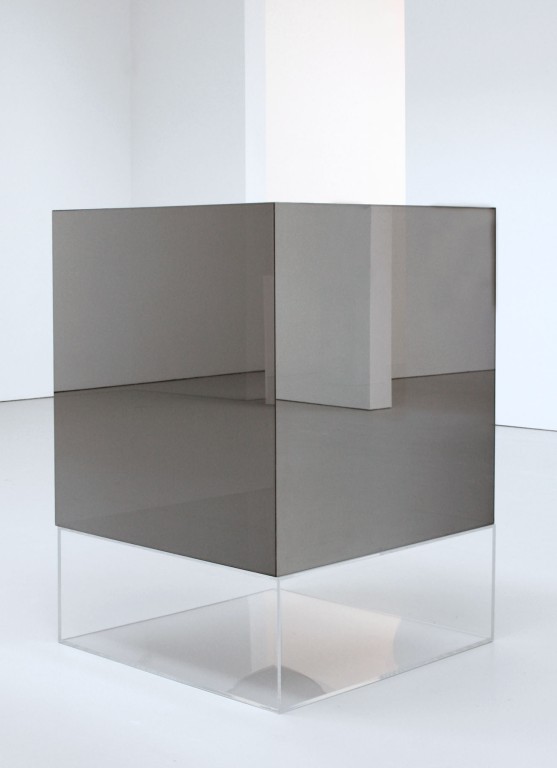
Larry Bell – Untitled, 1969, mineral coated glass, 40″ x 40″ x 40″
776096126336204800
Camille Claudel and Jessy Lipscomb ,1896.
775960420258332672

Tom Dale
Department of the Interior
2012
Black Leatherette inflatable castle and fan
600 x 500 x 500 cm
775776238150238208
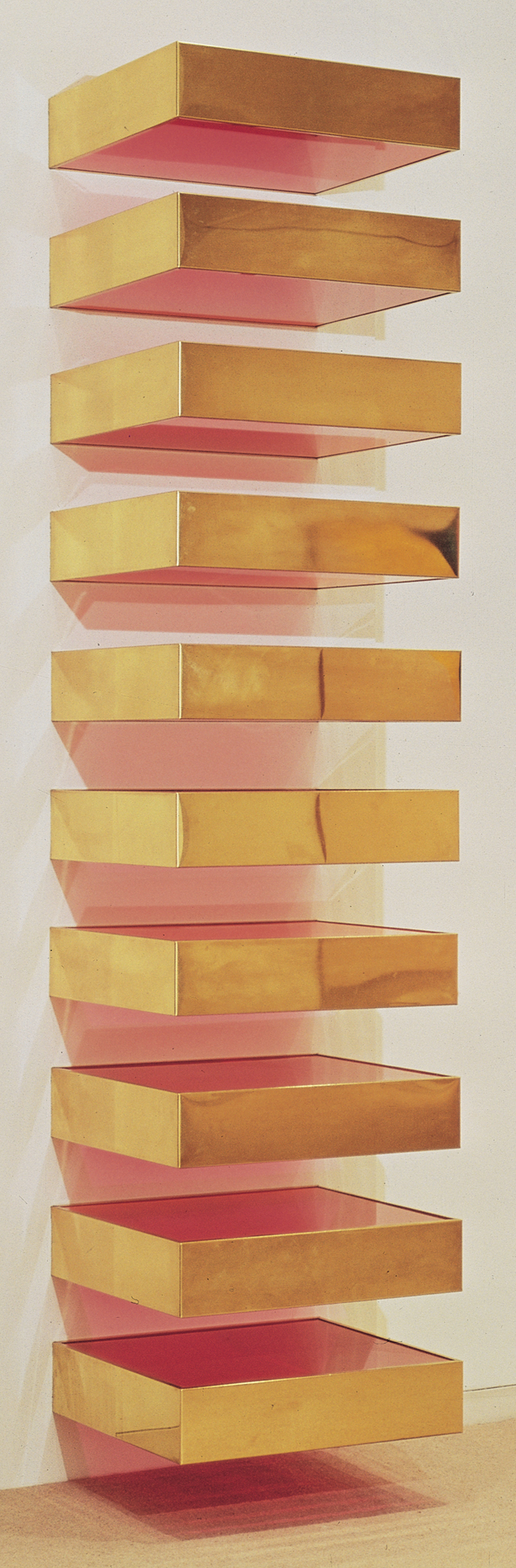
“I am not interested in the kind of expression that you have when you
paint a painting with brush strokes. It’s all right, but it’s already
done and I want to do something new. I didn’t want to get into something
which is played out and narrow. I want to do as I like, invent my own
interests. Of course, that doesn’t mean that people who, like Newman,
still paint are worn out. But I think that’s a particular kind of
experience involving a certain immediacy between you and the canvass,
you and the particular kind of experience of that particular moment. I
think what I’m trying to deal with is something more long range than
that in a way, more obscure perhaps, more involved with things that
happen over a longer time perhaps. At least it’s another area of
experience.”Donald Judd, Untitled, 1968.