society
633413460499234816
162815045382
This world is — and when I say “this world” I mean it, I don’t mean it in an ideal sense. I mean it in every day, every little thing you do — it’s such a “Gimme, gimme, gimme.” Everybody back off. Everybody’s taught that from school. Everywhere. Big business: You wanna be successful? You wanna be like Trump? Gimme, gimme, gimme. Push, push, push, push. Step, step, step. Crush, crush, crush. That’s how it all is. And it’s like nobody ever stops, you know?
161417138812
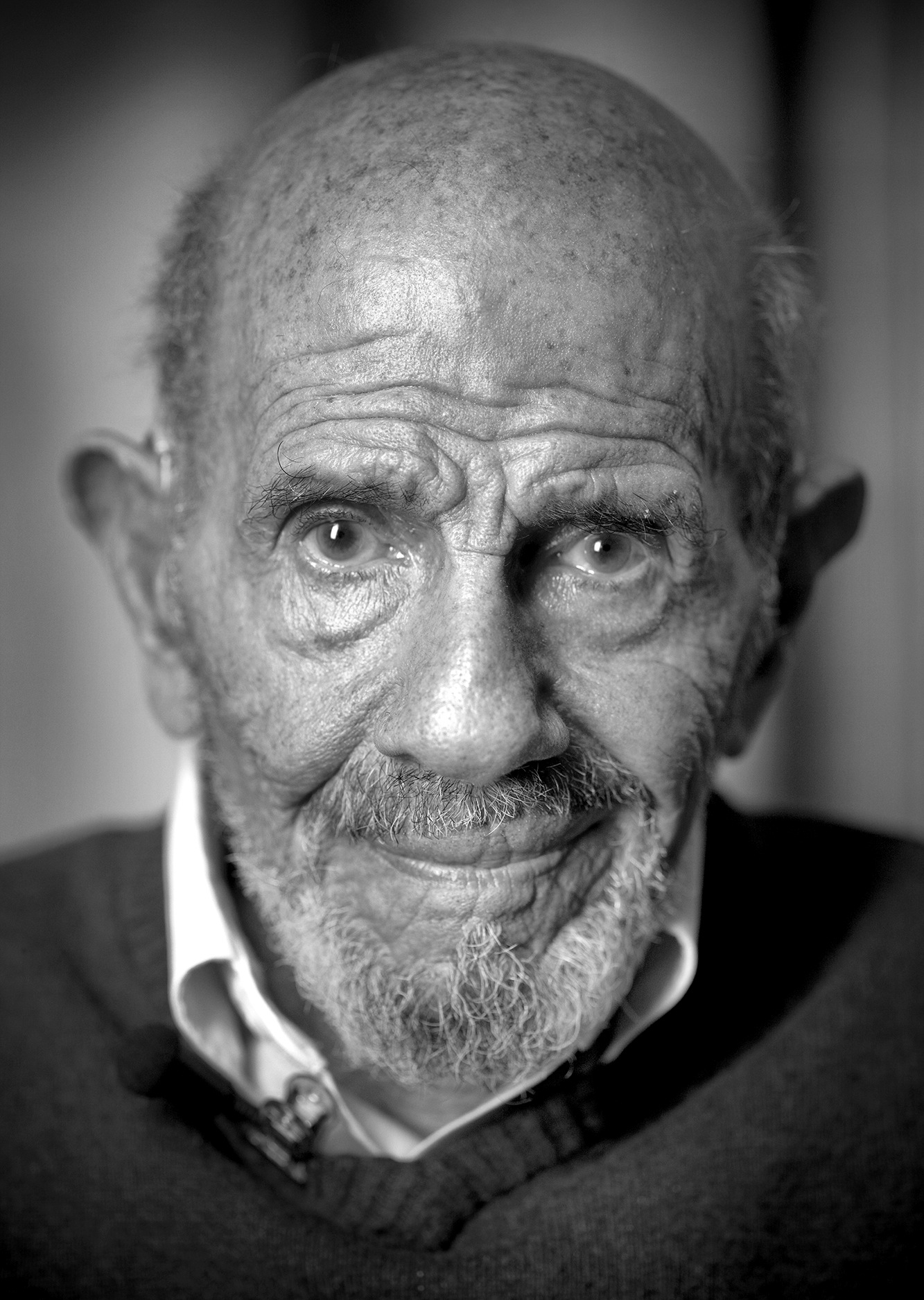
“Another factor encouraging my positive attitude about
problem solving was World War II when the U.S. spent billions of dollars
for weapons of mass destruction in the Manhattan Project. Cost was no
object and it was one of the largest and best-financed projects
undertaken to that date. I realized the same energies that went into the
Manhattan Project could be channeled to improve and update our way of
life, and to achieve and maintain the optimal symbiotic relationship
between nature and humankind. If we are willing to spend that amount of
money, resources, and human lives in times of war, we must ask why we
don’t commit equal resources to improving the lives of everyone and
anticipating humane needs for the future in times of peace.
When
scientists were called upon to solve problems of a military nature, the
answers were immediately forthcoming. This demonstrated to me the
ability of science and technology to solve problems when properly
organized and funded, but it is shameful that these methods are not
applied to solving social problems on a global scale. In my work I am
not attempting to predict the future. I am only pointing out what is
possible with the intelligent application and humane use of science and
technology. This does not call for scientists to manage society. What I
suggest is applying the methods of science to the social system for the
benefit of human kind and the environment.”
RIP Jacque Fresco
(March 13, 1916 – May 18, 2017)
159324777212
Passion Versus Obsession
Because passionate people are driven to create as a way to grow and achieve their potential, they are constantly seeking out others who share their passion in a quest for collaboration, friction and inspiration. Because they have a strong sense of self, passionate people are well-equipped to form relationships. They present themselves in ways that invite trust – they have little time for pretense and they are willing to express vulnerability and need in order to receive the help they need in achieving their own potential. Because they are passionate, they are willing to share their own knowledge and experience when they encounter someone sharing their passion. They are also intensely curious, seeking to understand the other passionate people they encounter in order to better see where and how they can collaborate to get better faster.
In contrast, obsessive people hide behind their objects of obsession. The objects are what are important, not others or even themselves. As a result, obsessive people are hard to get to know and trust – they share little of themselves and they exhibit minimal interest or curiosity regarding the needs or feelings of others. One of the hallmarks of obsessive people is that they tend to talk endlessly and often repetitively about the same thing, rarely inviting commentary or reaction from others, and ultimately pushing others away with their obsessive rants.
158502700977
Because parents have power over children. They feel they have to do what their parents say. But the love of money is the root of all evil. And this is a sweet child. And to see him turn like this, this isn’t him. This is not him.
158016332707
Why do people judge others?
People judge others because the human
brain has natural preconceptions and prejudices, argues Women’s Health.
The part of the brain responsible for emotional and social behavior
activates unconscious attitudes upon which people judge others, even
before knowing who they are, asserts Time.
Judging others is a normal
reaction, notes Psychology Today. This is because human beings have a
natural instinct for survival, which makes them defensive and judgmental
when they feel threatened. People also judge when they don’t understand
the reason for the behavior of others. When people are not aware of the
pain others are experiencing, they fail to understand why they become
difficult and judge them. People judge others because the human mind
naturally looks for the negative, reveals Psychology Today.
People judge others because they forget that all human beings make
mistakes. People have differences in the ways of seeking happiness and
fulfillment, which make it hard for others to accept some behaviors.
Lack of education on the disabilities that affect behavior also makes
people judge others, asserts Psychology Today.
People also judge others because of their appearance or weight.
Research reveals that most people assume that faces with prominent
cheekbones and inner eyebrows are more trustworthy, according to Time.
People should try to know others before judging them, recommends
Psychology Today. In addition, people should not underestimate the
struggles of others.
156106400692
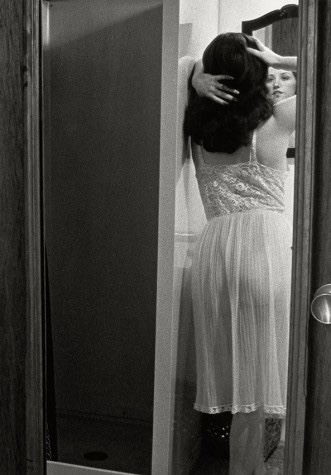
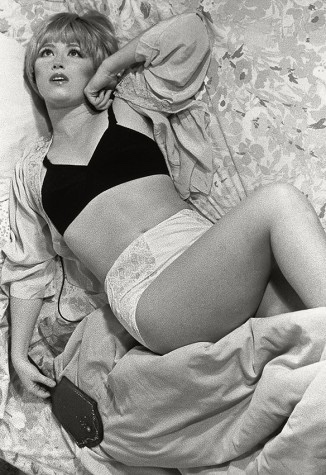
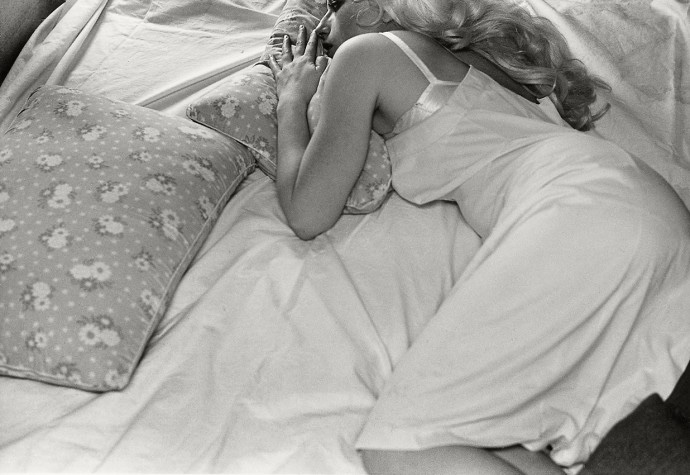

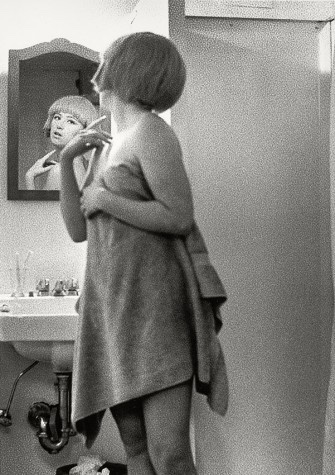
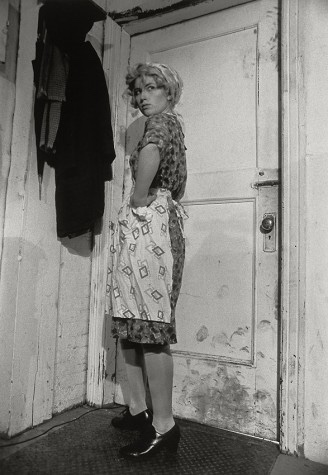

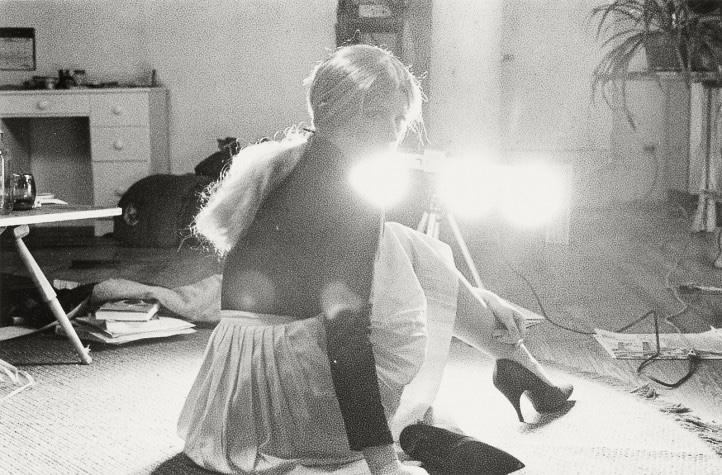
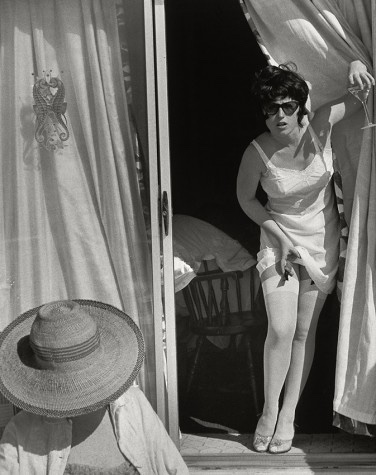
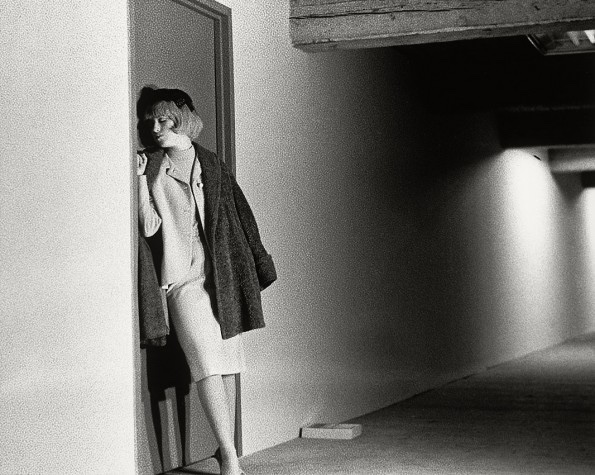
In fall 1977, Sherman began making pictures that would eventually become her groundbreaking “Untitled Film Stills.” Over three years, the series grew to comprise a total of seventy black-and-white photographs. Taken as a whole, the “Untitled Film Stills”—resembling publicity pictures made on movie sets—read like an encyclopedic roster of stereotypical female roles inspired by 1950s and 1960s Hollywood, film noir, B movies, and European art-house films. But while the characters and scenarios may seem familiar, Sherman’s “Stills” are entirely fictitious; they represent clichés (career girl, bombshell, girl on the run, vamp, housewife, and so on) that are deeply embedded in the cultural imagination. While the pictures can be appreciated individually, much of their significance comes in the endless variation of identities from one photograph to the next. As a group they explore the complexity of representation in a world saturated with images, and refer to the cultural filter of images (moving and still) through which we see the world.
Untitled Film Stills, 1977 by Cindy Sherman
155662884987
The Sixties – The Years That Shaped a Generation (TV) [2005]
155133207292
154537095227
จิตใจคน
154454224492
Develop Your Heart | Ajahn Brahm | 2 Dec 2016
153683171702
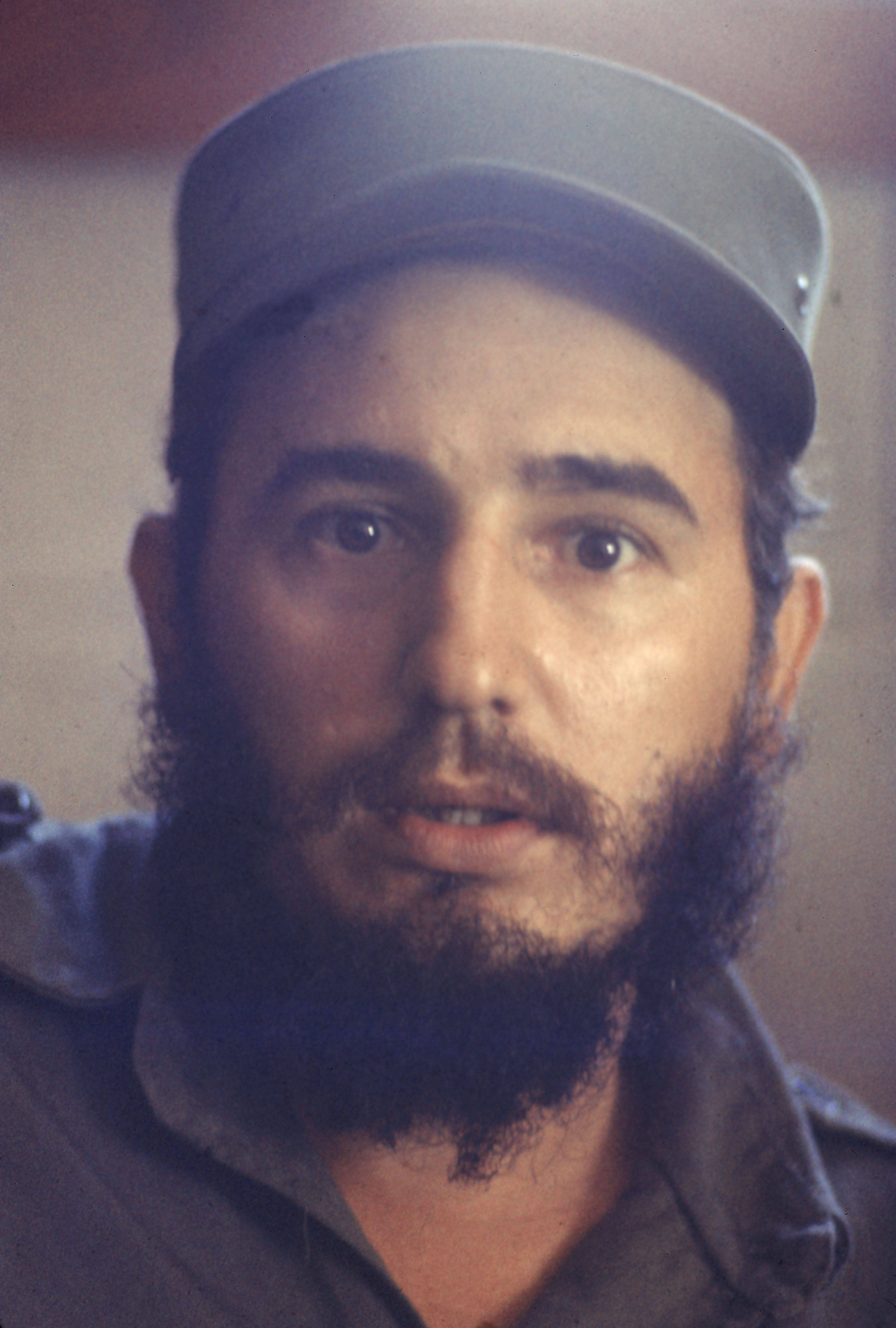
“I became a Communist by studying capitalist political economy, and when I had some understanding of that problem, it actually seemed to me so absurd, so irrational, so inhuman, that I simply began to elaborate on my own formulas for production and distribution.”
R.I.P. Fidel Castro (August 13, 1926 – November 25, 2016)
153616547784
Documentary | The Myths Around the First Thanksgiving