society
146703378967
146681288357
2 Thai Institutions students cause strife on the bus, 2012 Bangkok, Thailand.
เลิกใส่ uniform อาจจะแก้ปัญหานี้ได้
146623215802
146494504372
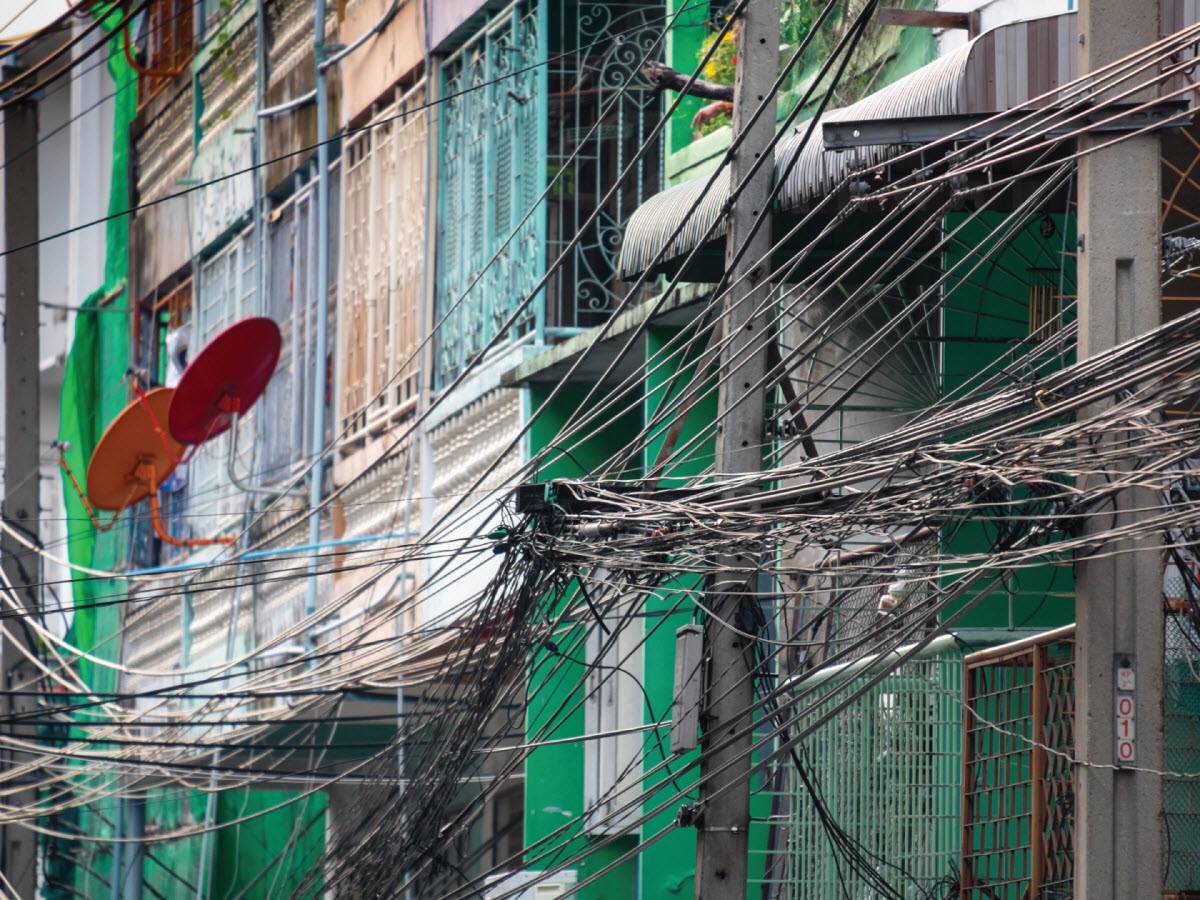
LIVE WIRES
Due to faulty infrastructure, many urban areas suffer from frequent
blackouts and power cuts, and the electrical grid often doesn’t serve
the people who need it most.
I’ve visited many cities filled
with tangled wires such as those in this photo from Thailand, where
people have illegally tapped into the grid on their own to get the power
they need—at great personal risk.
146404900492
146398717157
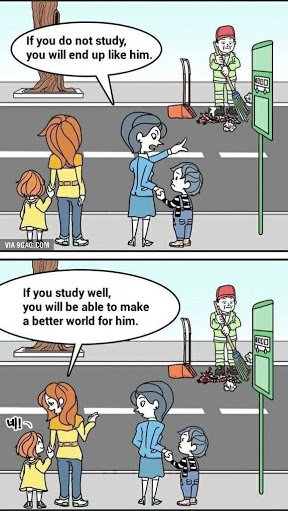
Dealing with Hatred | Ajahn Brahm | 17 June 2016
146352323247
146309242757


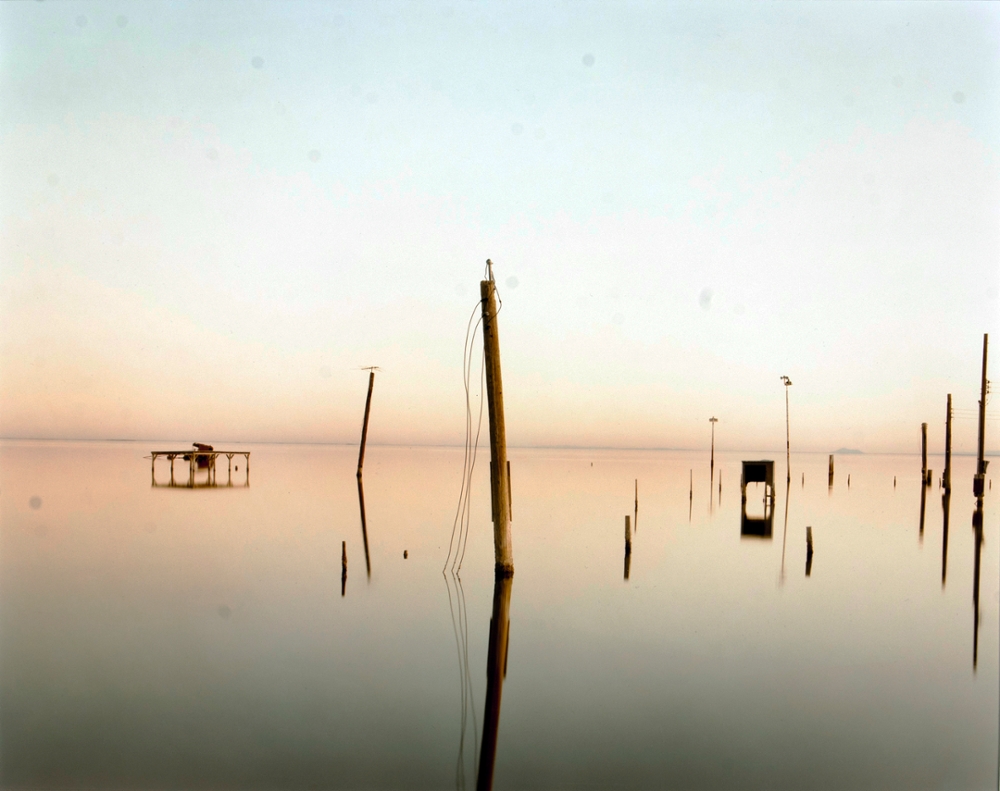



by Richard Misrach
146256285157
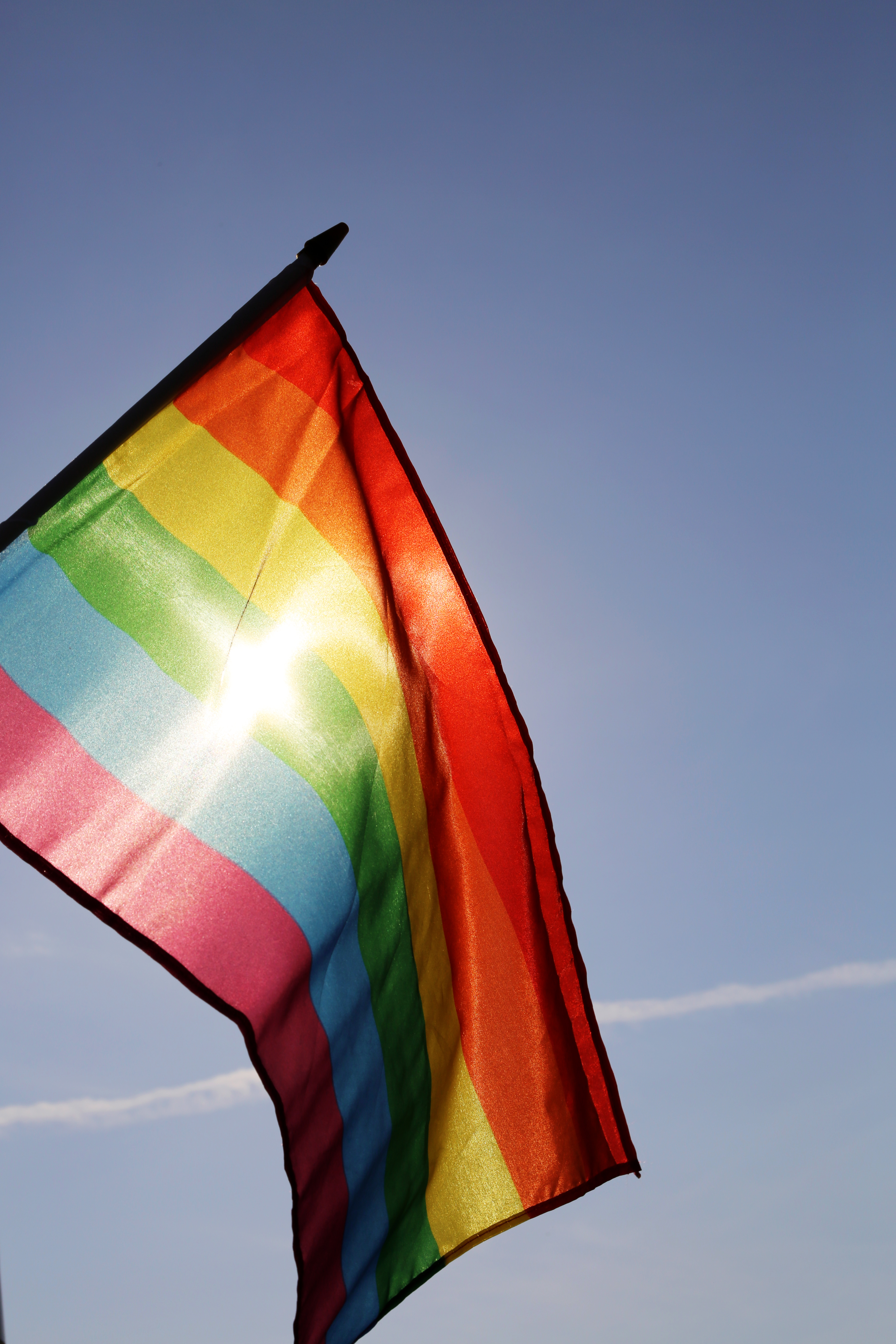
I read in the paper that my brothers are being thrown from rooftops blindfolded with their hands tied behind their backs for violating sharia law. I heard the crowds stone these fallen men if they move after they hit the ground. I heard it’s in the name of God. I heard my pastor speak for God too, quoting scripture from his book. Words like abomination popped off my skin like hot grease as he went on to describe a lake of fire that God wanted me in. I heard on the news that the aftermath of a hate crime left piles of bodies on a dance floor this month. I heard the gunman feigned dead among all the people he killed. I heard the news say he was one of us. I was six years old when I heard my dad call our transgender waitress a faggot as he dragged me out a neighborhood diner saying we wouldn’t be served because she was dirty. That was the last afternoon I saw my father and the first time I heard that word, I think, although it wouldn’t shock me if it wasn’t. Many hate us and wish we didn’t exist. Many are annoyed by our wanting to be married like everyone else or use the correct restroom like everyone else. Many don’t see anything wrong with passing down the same old values that send thousands of kids into suicidal depression each year. So we say pride and we express love for who and what we are. Because who else will in earnest? I daydream on the idea that maybe all this barbarism and all these transgressions against ourselves is an equal and opposite reaction to something better happening in this world, some great swelling wave of openness and wakefulness out here. Reality by comparison looks grey, as in neither black nor white but also bleak. We are all God’s children, I heard. I left my siblings out of it and spoke with my maker directly and I think he sounds a lot like myself. If I being myself were more awesome at being detached from my own story in a way I being myself never could be. I wanna know what others hear, I’m scared to know but I wanna know what everyone hears when they talk to God. Do the insane hear the voice distorted? Do the indoctrinated hear another voice entirely?
146012752407
Tupac’s banned MTV interview
145960036817
Update on the situations in France, Mexico and Colombia
145910299242
145821658188
AT&T Archives: Saul Bass Pitch Video for Bell System Logo Redesign