still life
782709740058951681
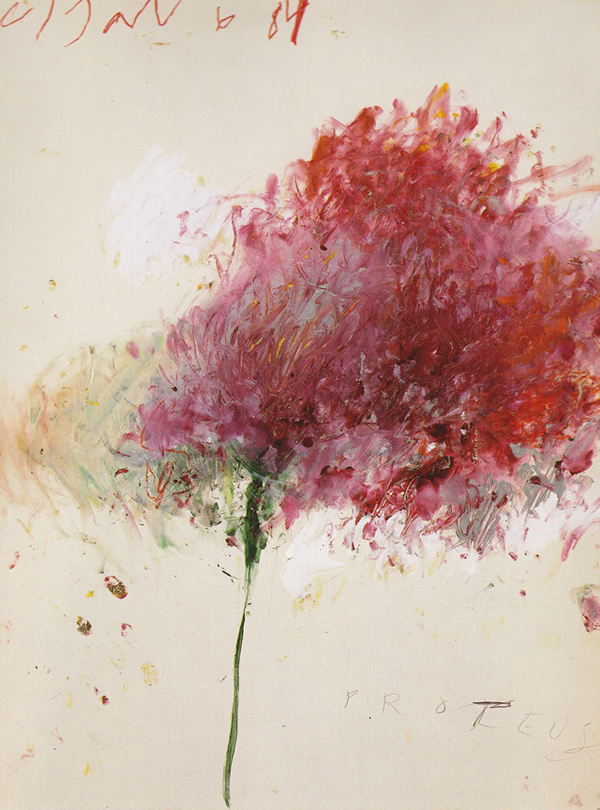
Proteus, Cy Twombly. 1984.
771974006928752640

“It’s a new medium, but I’m still painting… Whether it’s digital or not, the painting doesn’t change much in terms of meaning.” — David Hockney
David Hockney
Flowers, Glass Vase on a Table
2021
Ipad painting printed on paper
35 × 25 in.
US$110,000
755473919545393152
755202197360459776

aloneandforsakenbyfateandbyman:
The Sacrificial Lamb by Josefa de Óbidos, 1670
745689576194097152
160484649987
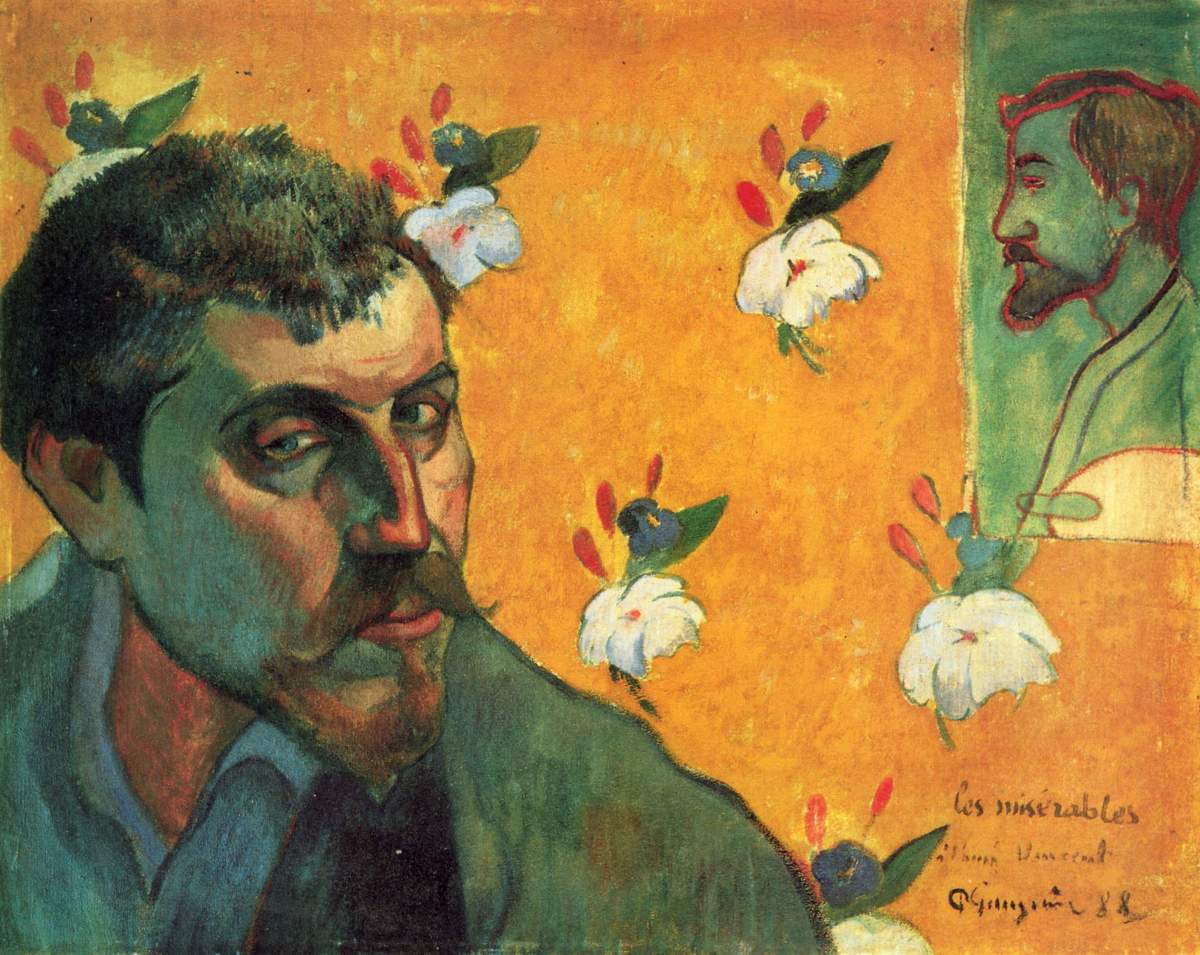
In the autumn of 1889, 41-year-old Gauguin received a distraught
letter from his young friend after a particularly harsh critical
reception of Bernard’s paintings. In a reply found in Paul Gauguin: Letters to His Wife and Friends (public library), the painter writes to his 21-year-old friend:
Your disconsolate letter reaches a countryside as
sorrowful. I understand the bitterness which sweeps over you at the
foolish reception of you and your works… What would you rather have? a
mediocrity which pleases everybody or a talent which breaks new ground.
We must choose if we have free will. Would you have the power of choice
if choosing leads to suffering — a Nessus shirt which sticks to you and
cannot be stripped off? Attacks on originality are to be expected from
those who lack the power to create and shrug their shoulders.
As for me, I own myself beaten — by events, by men, by
the family, but not by public opinion. I scorn it and I can do without
admirers. I won’t say that at your age I was like this, but by the
exertion of sheer will power, that is what I am like to-day. Let them
study carefully my last pictures and, if they have any feelings at all,
they will see what resigned suffering is in them — a cry wrung from the
heart… But you, why do you suffer, too? You are young, and too early you
begin to carry the cross. Do not rebel; one day, you will feel a joy in
having resisted the temptation to hate, and there is truly intoxicating
poetry in the goodness of him who has suffered.
155486883912
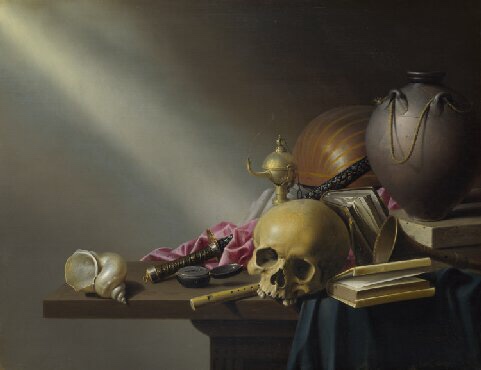
Still Life: An Allegory of the Vanities of Human Life (about 1640) by Harmen Steenwyck
154717313792
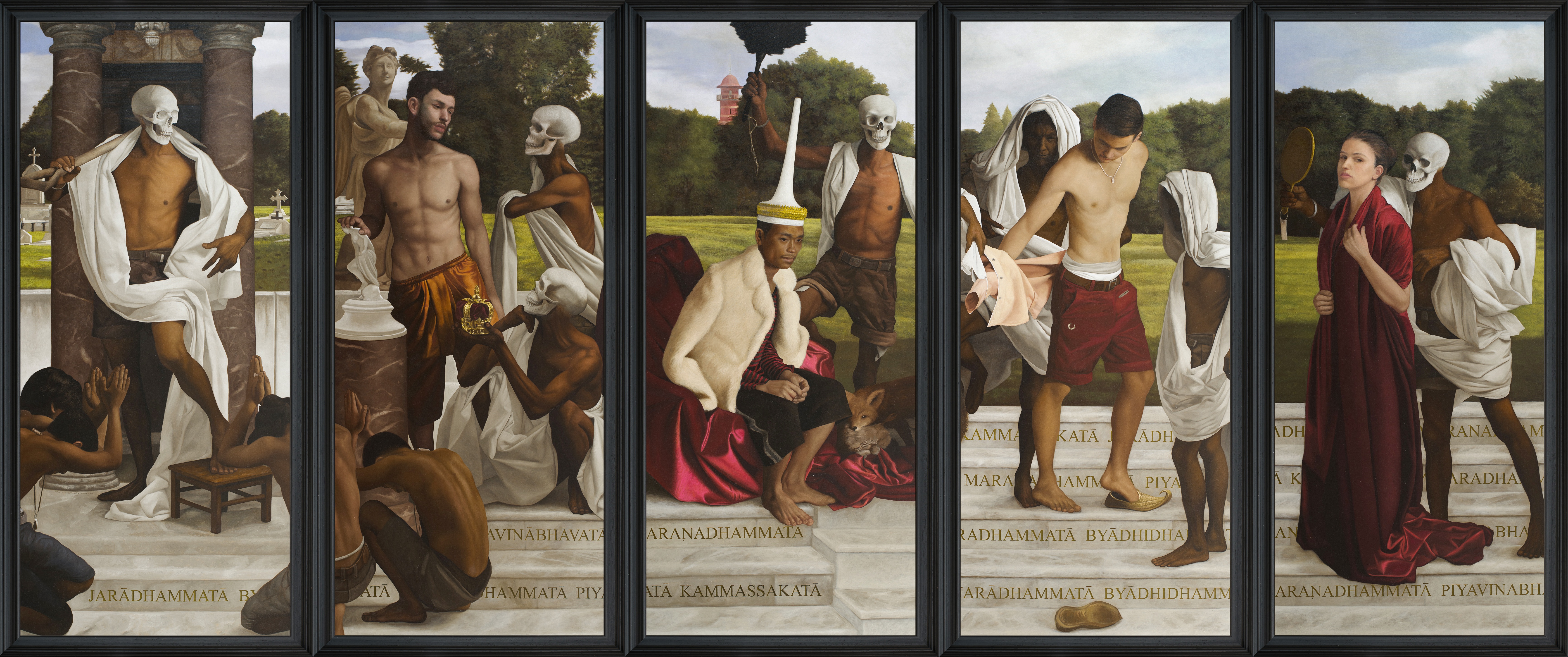
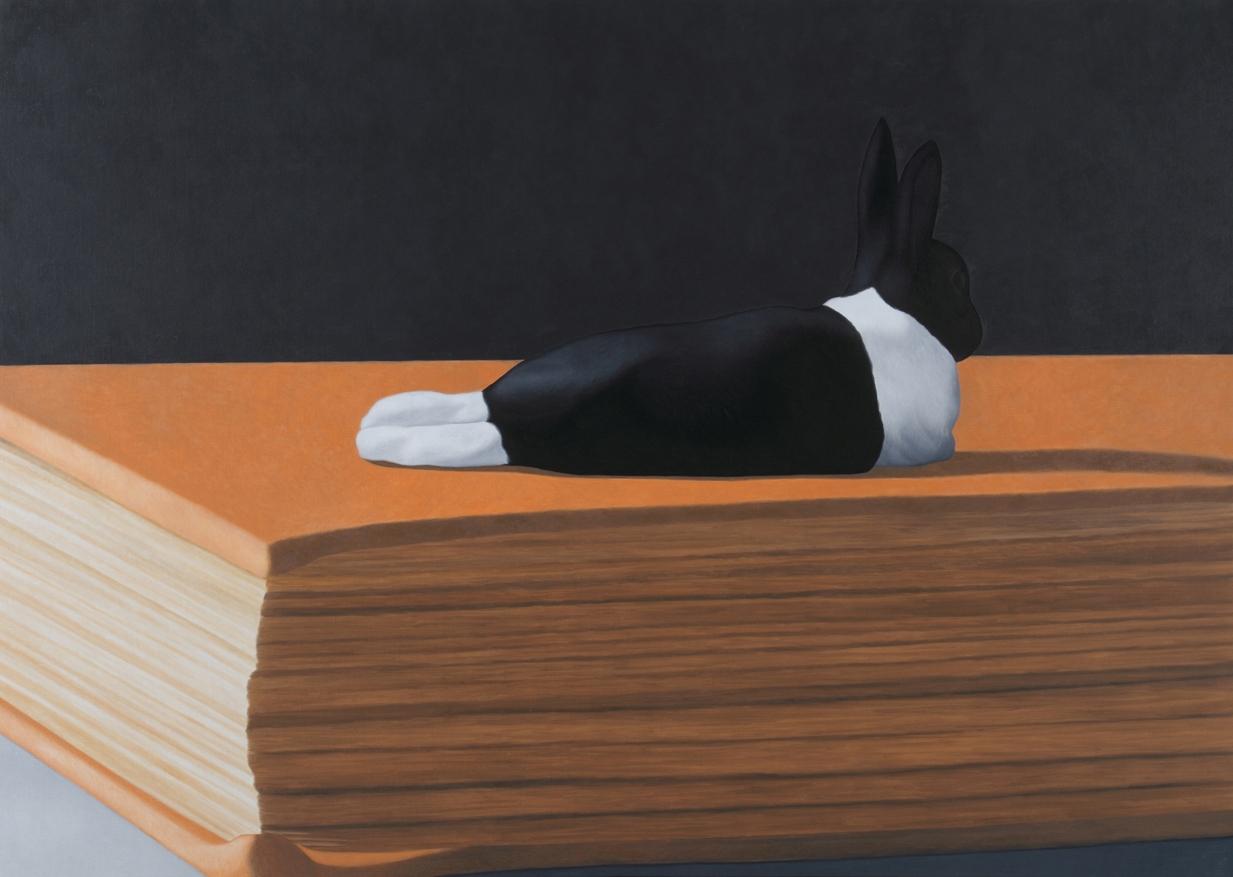
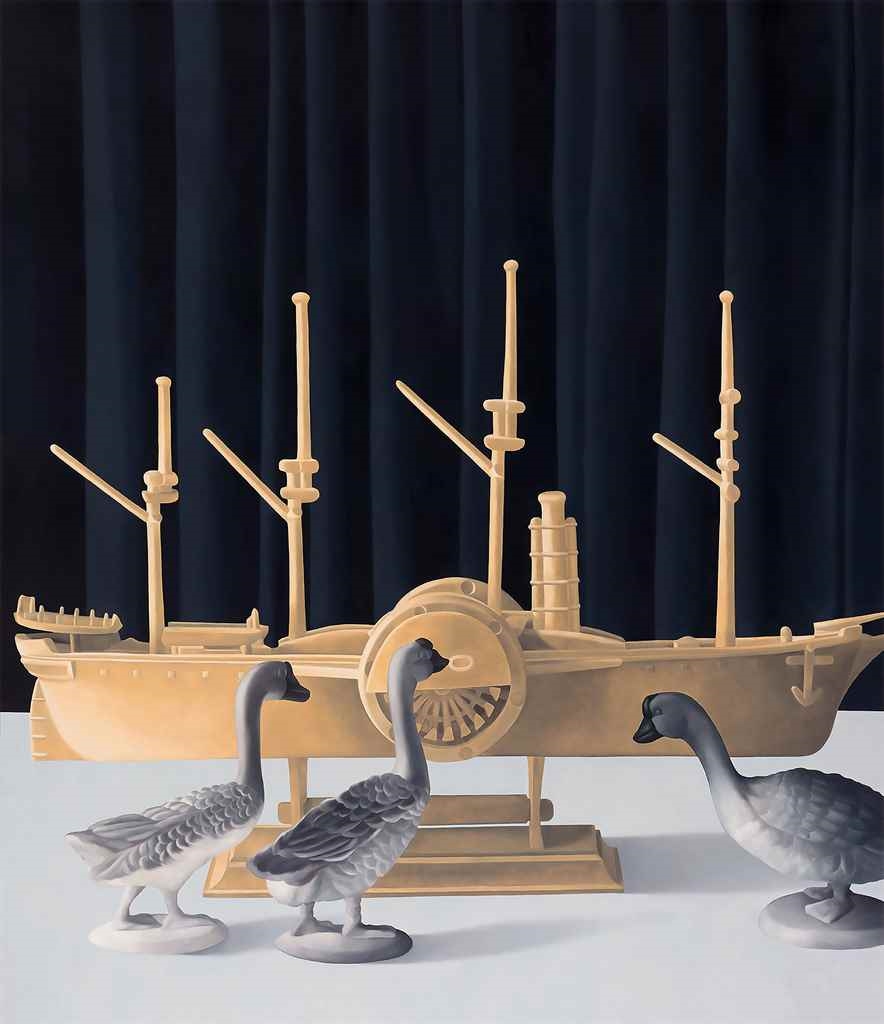
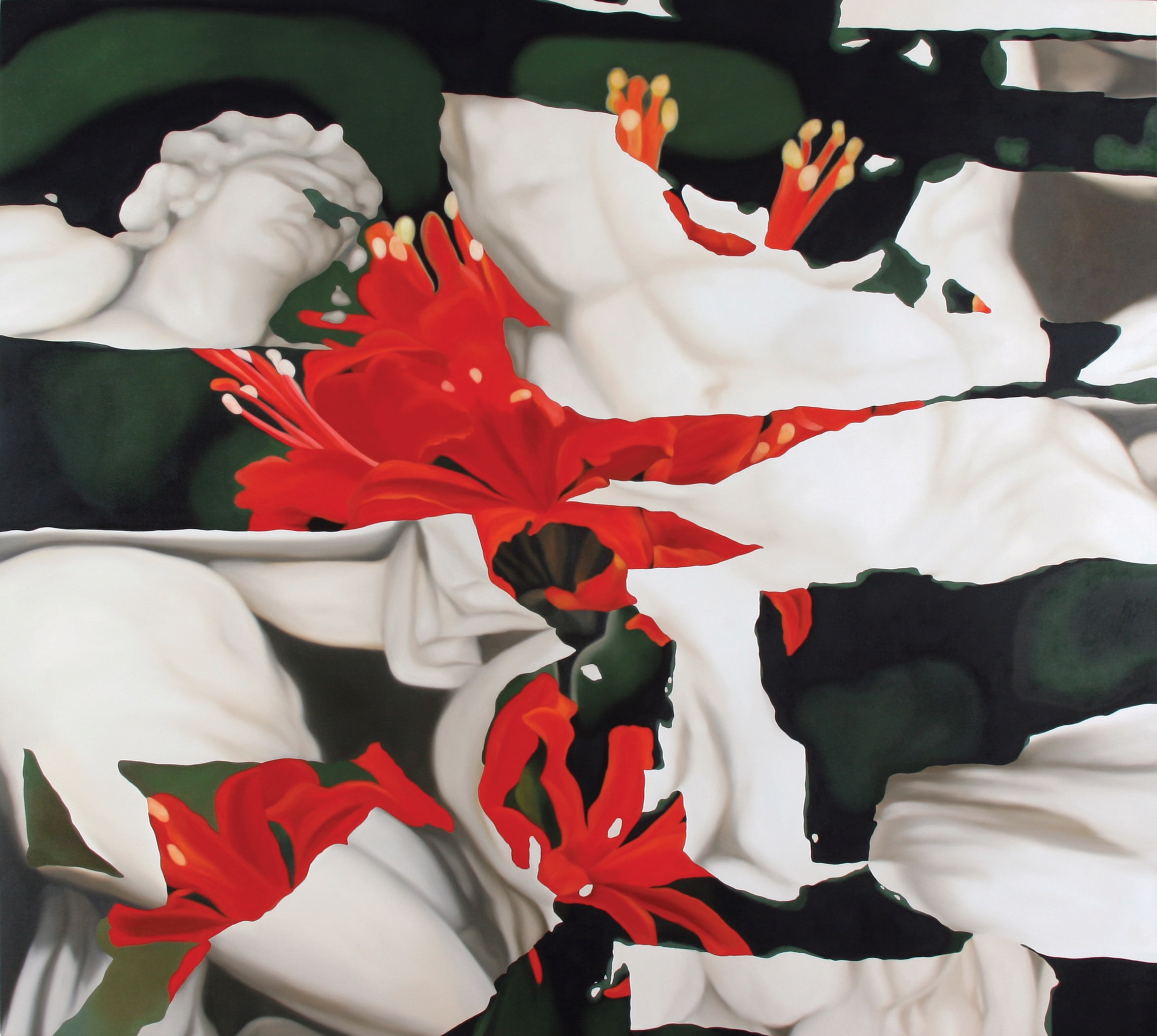
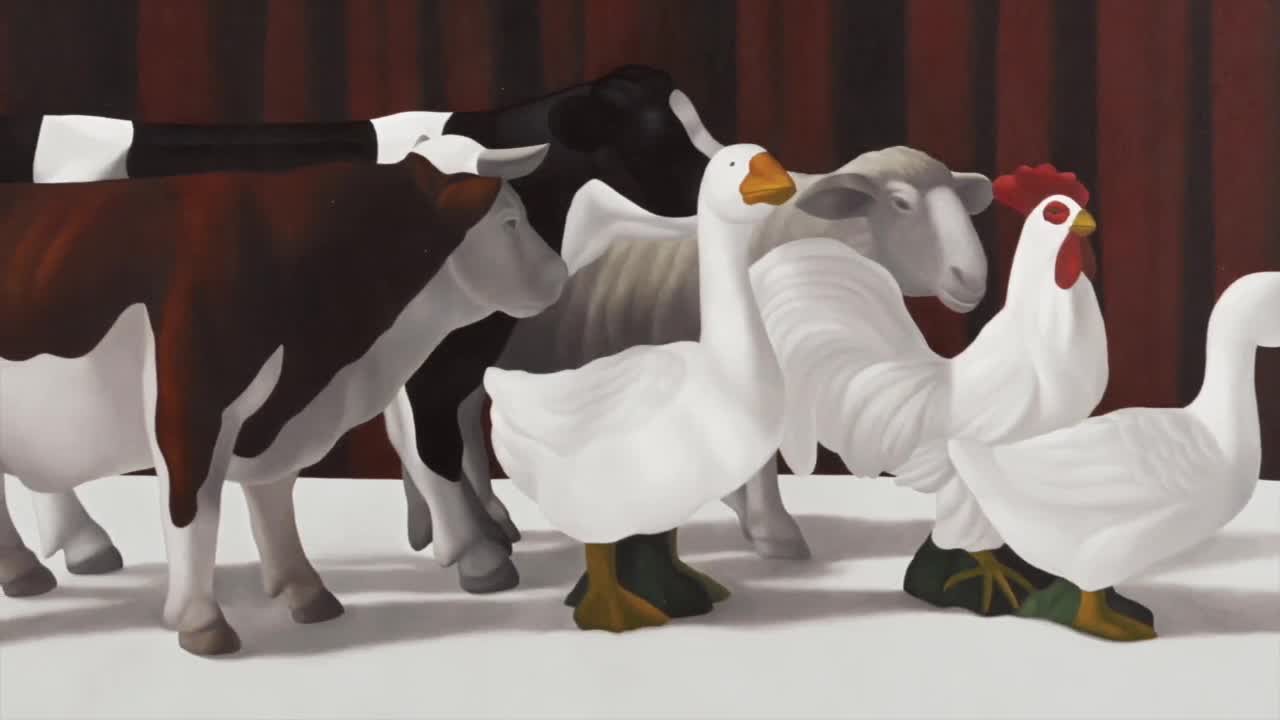
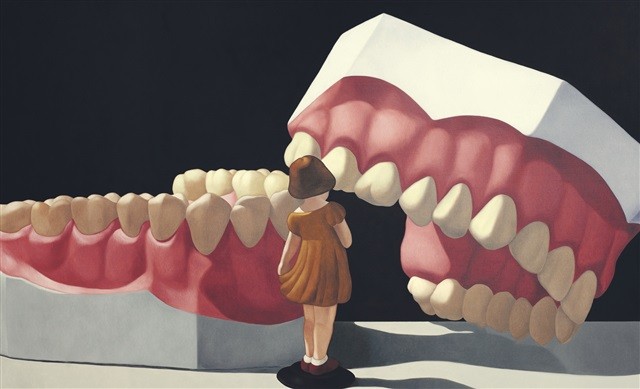
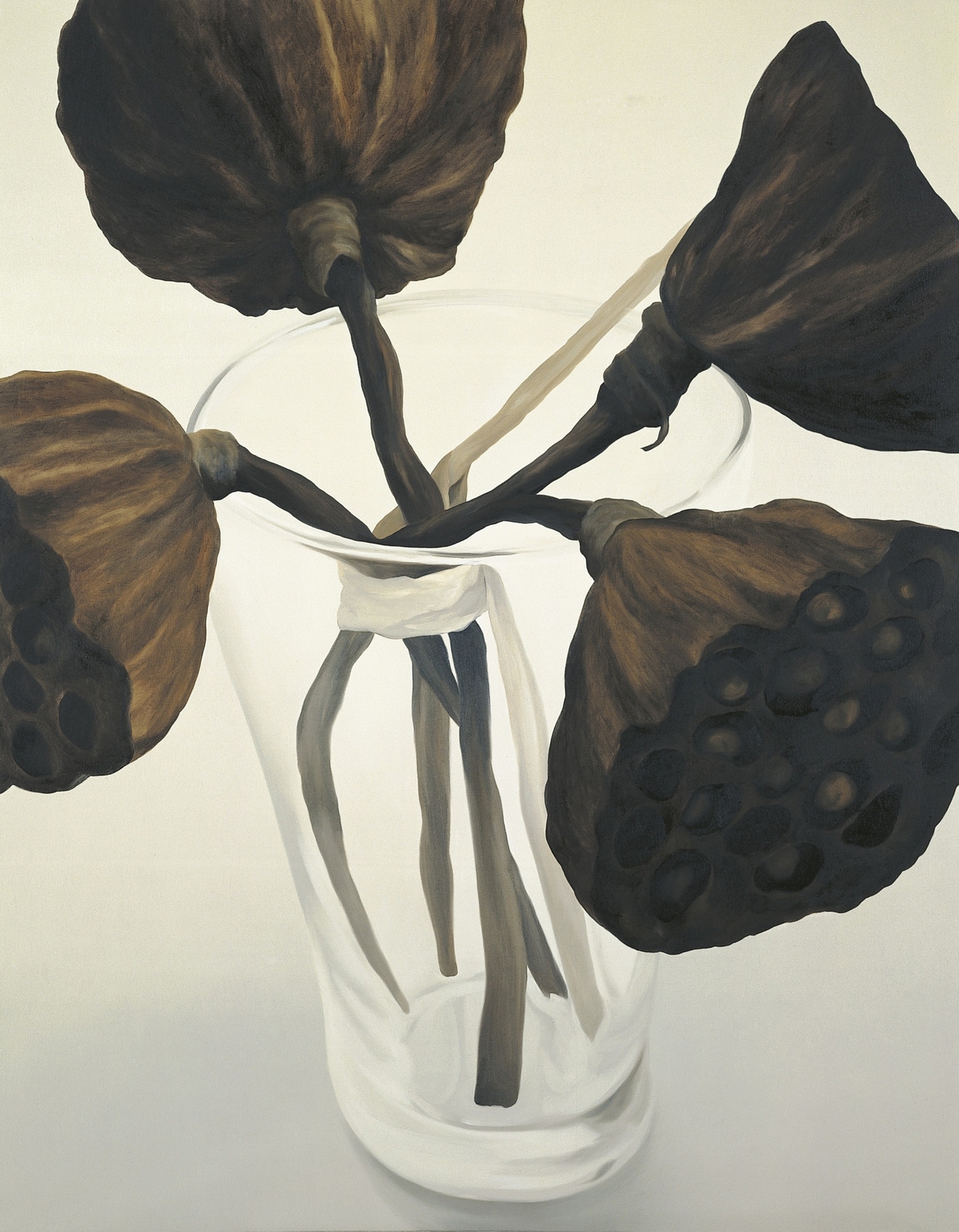
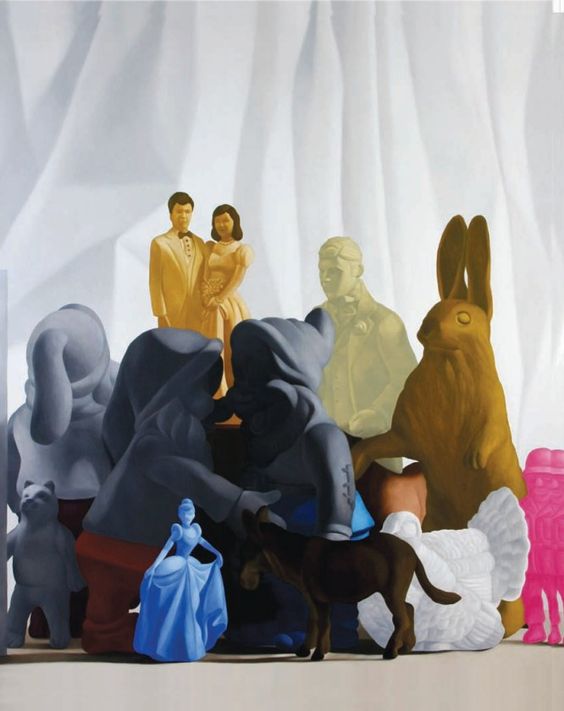
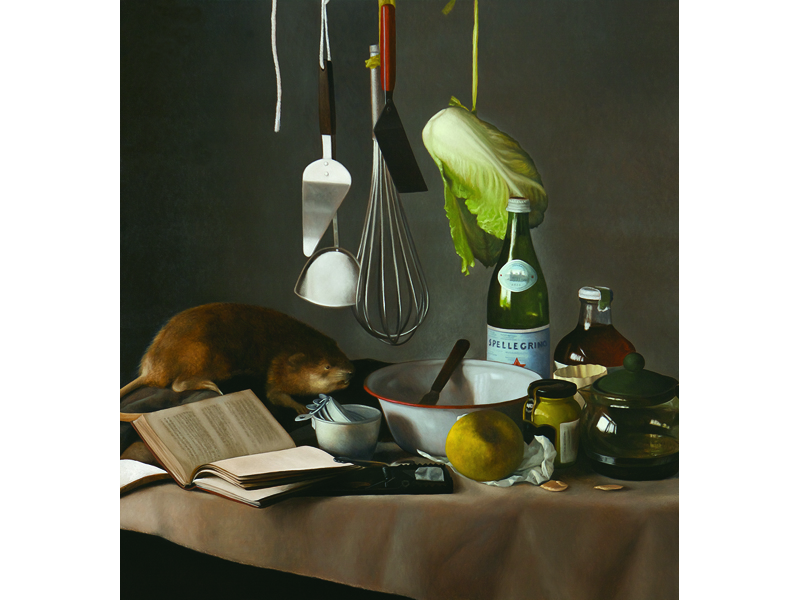
by Natee Utarit
151098955202
147203908420
The Power Of Art: Van Gogh
144166340952
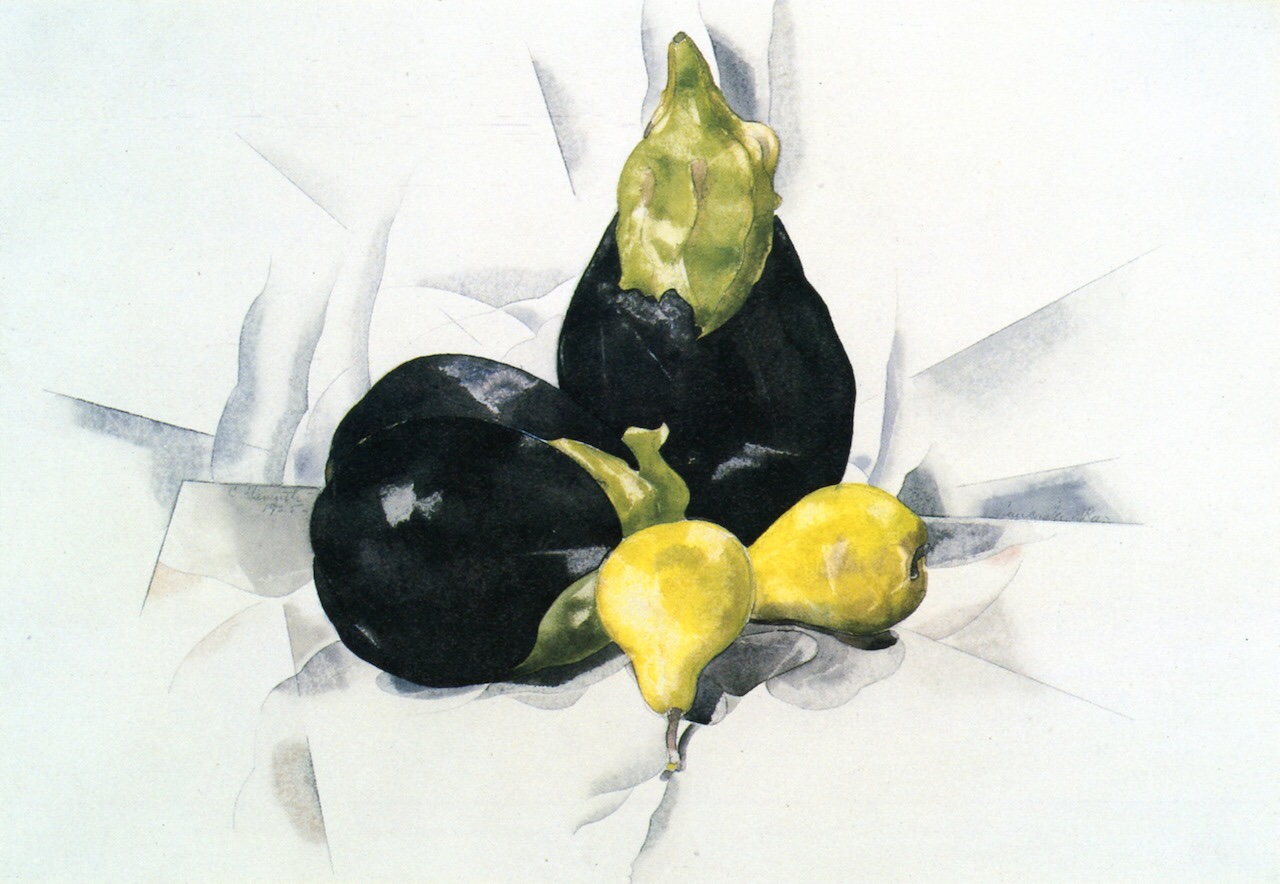
Eggplant & Pears by Charles Demuth
Influenced by Cubism and Futurism, Precisionism took for its main themes industrialisation and the modernization of the American landscape, the structures of which were depicted in precise, sharply defined geometrical forms.
143393991145
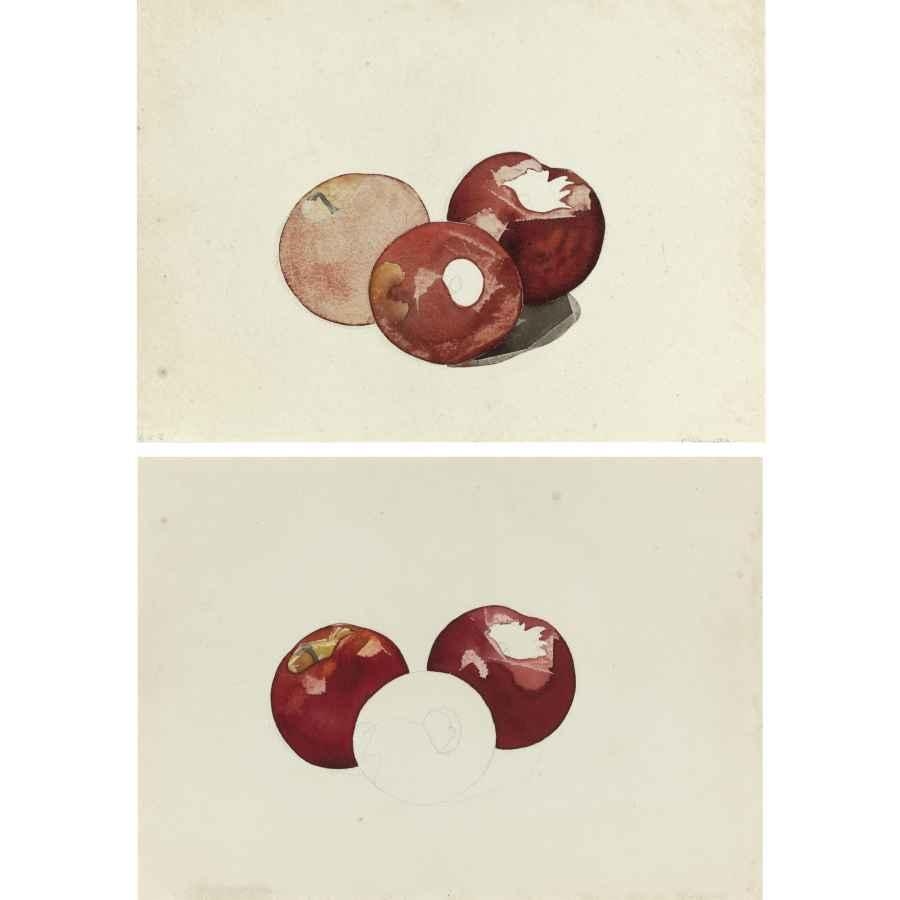
Three Red Apples, c. 1929 By Charles Demuth
141947429287
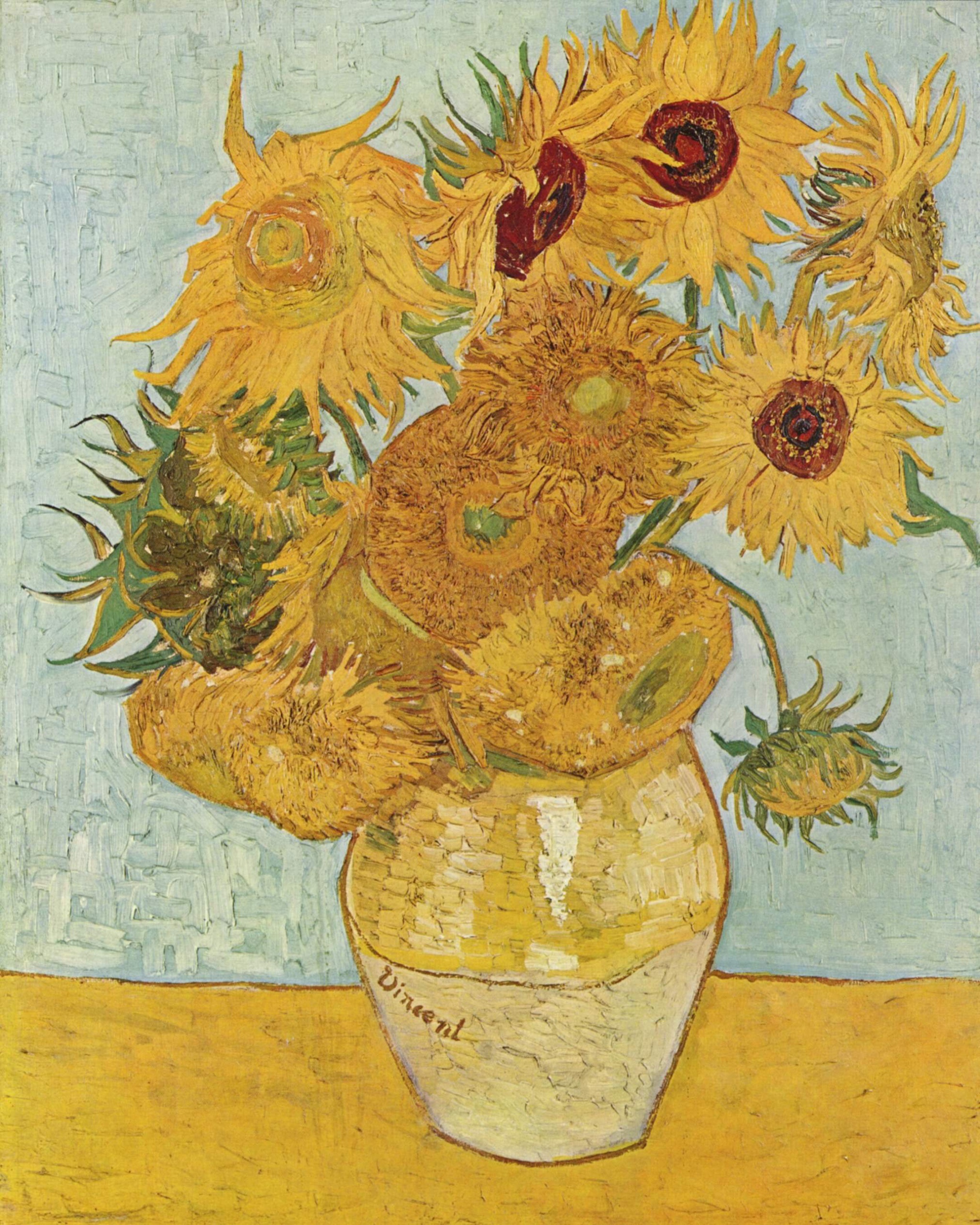
Happy Birthday Vincent van Gogh