style
777496541509337088
“You can’t copy anybody and end with anything. If you copy, it means you’re working without any real feeling.”
— Milt Jackson
777063929640828928
Bobby Hundreds Steps Down as Creative Director of The Hundreds
“Kim goes on to share that stepping down is ‘the best thing that could ever happen for the brand at this point in time,’ even referencing Souls of Mischief’s ‘Limitations’ lyric ‘MCs should know their limitations’ as a point of reflection. ‘I know my limitations,’ he states. ‘Do I think I know how to design well? Do I think I understand street fashion well? Absolutely. But am I the one to do it the best for The Hundreds at this point in time? I’m not, and David is. Having to swallow that pill was incredibly humbling.’”
776374440581890048
“You can’t copy anybody and end with anything. If you copy, it means you’re working without any real feeling.”
— Milt Jackson
776005492971552768
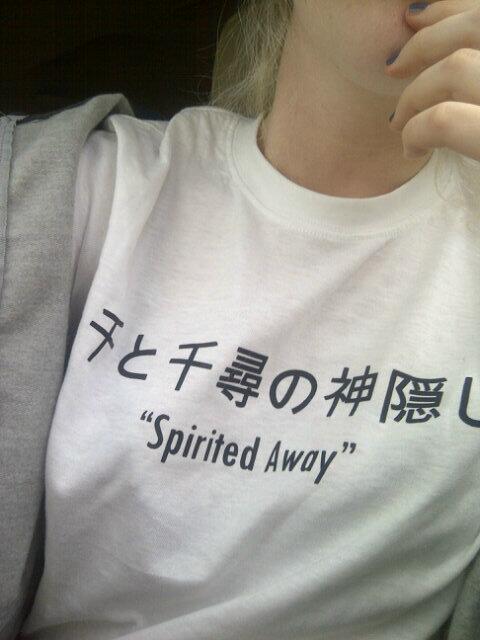
my t-shirt is better than your existence
774936110018281472
“You can’t copy anybody and end with anything. If you copy, it means you’re working without any real feeling.”
— Milt Jackson
774445701401870337
“You can’t copy anybody and end with anything. If you copy, it means you’re working without any real feeling.”
— Milt Jackson
770904000765853696
“You can’t copy anybody and end with anything. If you copy, it means you’re working without any real feeling.”
— Milt Jackson
770217634474147840
“You can’t copy anybody and end with anything. If you copy, it means you’re working without any real feeling.”
— Milt Jackson
768322378127360000
“You can’t copy anybody and end with anything. If you copy, it means you’re working without any real feeling.”
— Milt Jackson
767015292104753152
“You can’t copy anybody and end with anything. If you copy, it means you’re working without any real feeling.”
— Milt Jackson
732409900524781568

141141827022
Fashions fade, style is eternal.
133314112792
An art movement is a tendency or style in art with a specific common philosophy or goal, followed by a group of artists during a restricted period of time, (usually a few months, years or decades) or, at least, with the heyday of the movement defined within a number of years. Art movements were especially important in modern art, when each consecutive movement was considered as a new avant-garde.