technology
124122826892
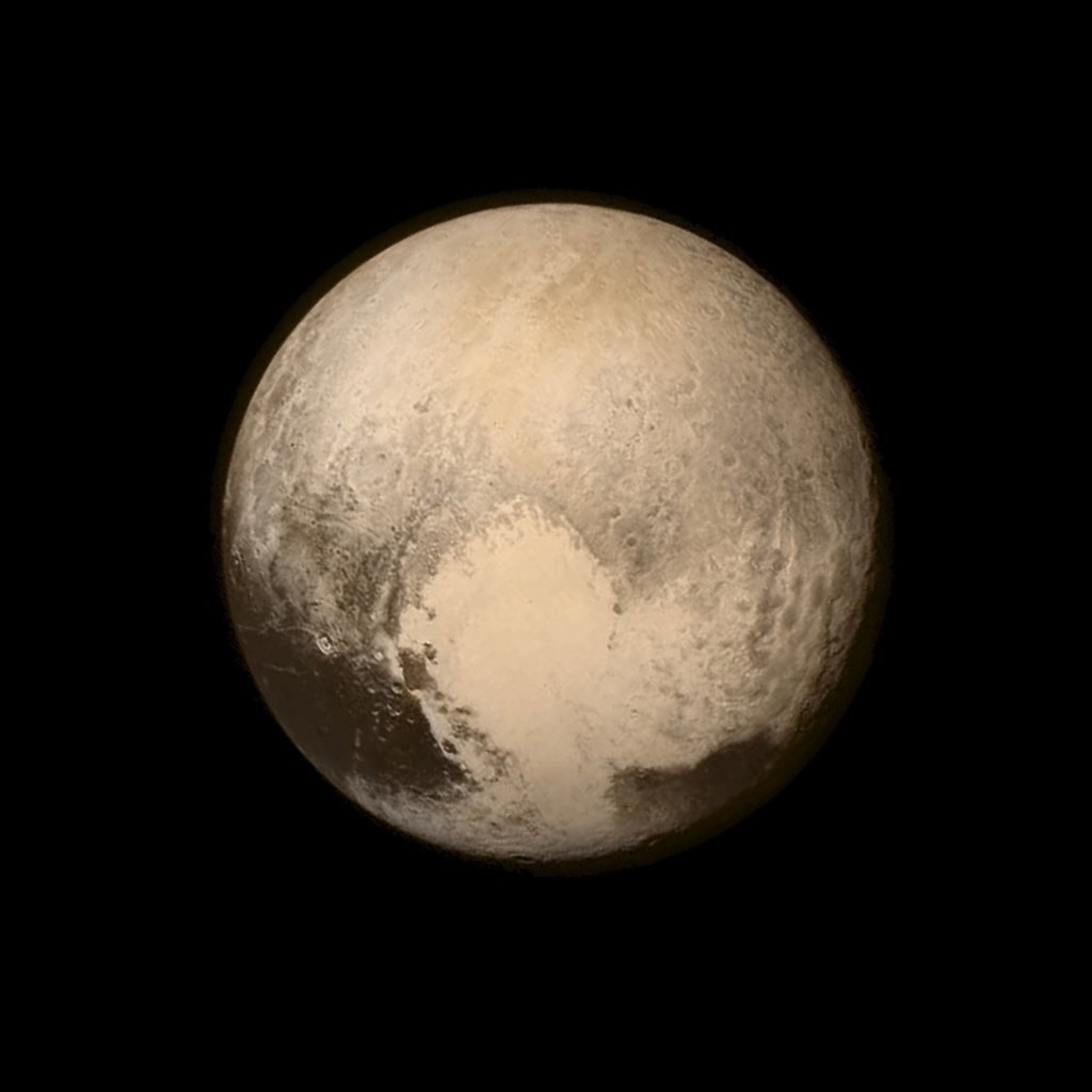
Pluto
123876849292
Stephen Colbert Interviews Neil deGrasse Tyson at Montclair Kimberley Academy
123755103457
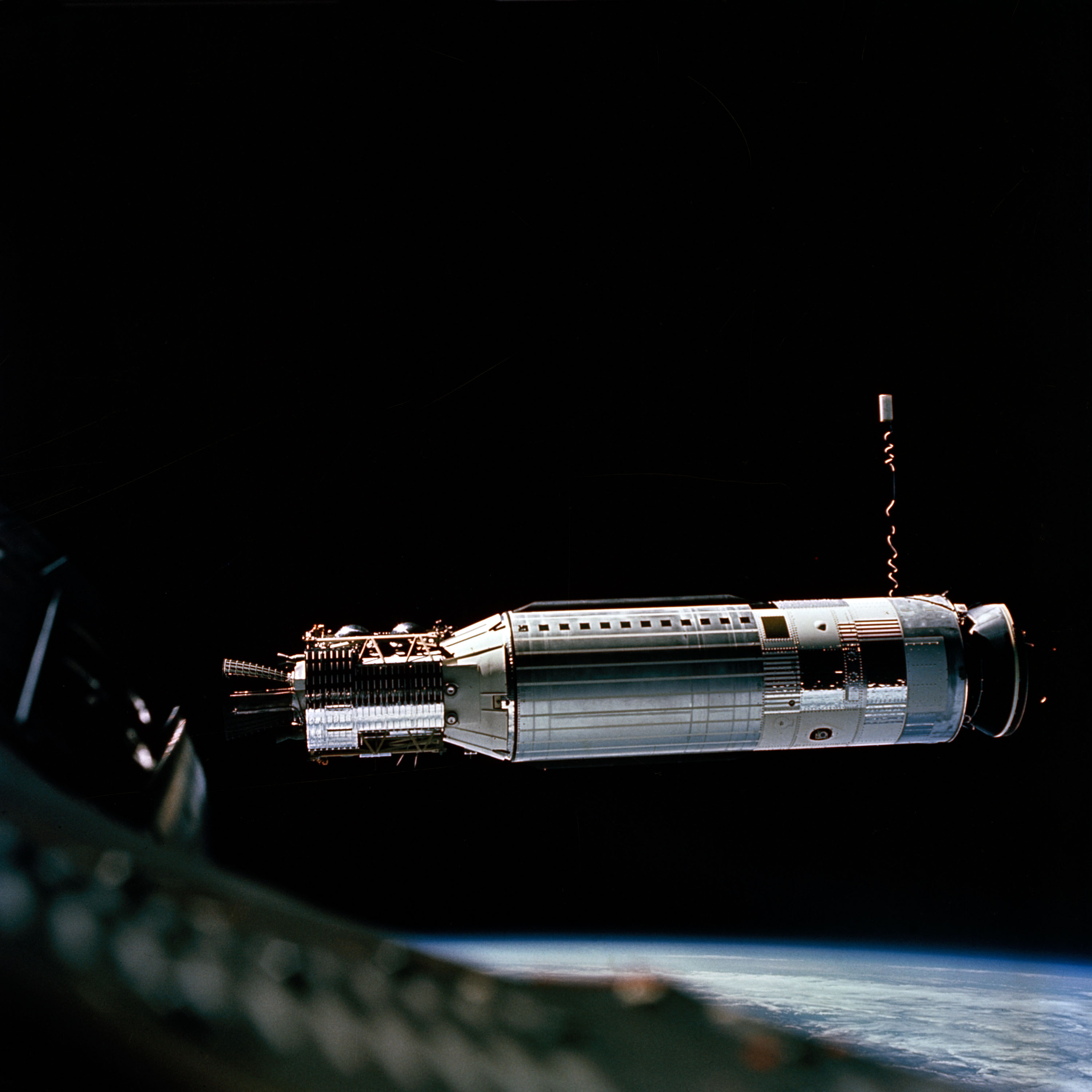
122400074187
In Computers We Trust? | Quanta Magazine
“Shalosh B. Ekhad, the co-author of several papers in respected mathematics journals, has been known to prove with a single, succinct utterance theorems and identities that previously required pages of mathematical reasoning. Last year, when asked to evaluate a formula for the number of integer triangles with a given perimeter, Ekhad performed 37 calculations in less than a second and delivered the verdict: “True.” Shalosh B. Ekhad is a computer. Or, rather, it is any of a rotating cast of computers used by the mathematician Doron Zeilberger, from the Dell in his New Jersey office to a supercomputer whose services he occasionally enlists in Austria. The name — Hebrew for “three B one” — refers to the AT&T 3B1, Ekhad’s earliest incarnation. “The soul is the software,” said Zeilberger, who writes his own code using a popular math programming tool called Maple.”
121895483447
121874361732

121367371919
Hiro
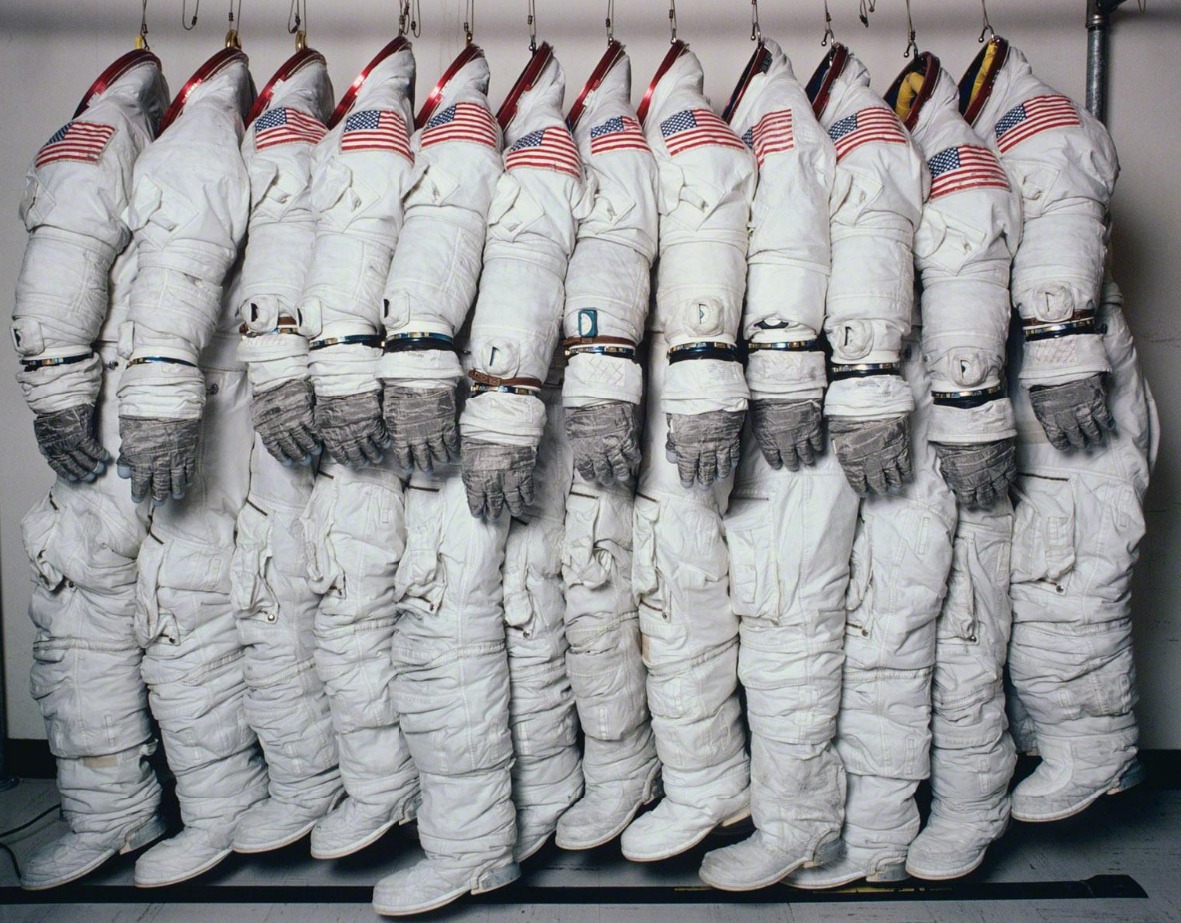
Apollo Spaceflight Training Suits, Houston, Texas, 1978
121018001282
Repost from @islandboiphotography “There is a Haitian saying which might upset the aesthetic images of most women. Nou lèd, Nou la, it says. We are ugly, but we are here. Like the modesty that is somewhat common in Haitian culture, this saying makes a deeper claim for poor Haitian women than maintaining beauty, be it skin deep or otherwise. For most of us, what is worth celebrating is the fact that we are here, that we against all the odds exist. To the women who might greet each other with this saying when they meet along the countryside, the very essence of life lies in survival. It is always worth reminding our sisters that we have lived yet another day to answer the roll call of an often painful and very difficult life.” -Edwidge Danticat-
———-
How are we today, sister?
-We are ugly, but we are here.
———-
“Be strong, you never know who you are inspiring”. The “Face It Project” with @caxmee . You are an inspiration to me and to many! #islandboiphotography #lifestyle #beautyofawoman #blackisbeautiful #myblackisbeautiful #melanin #faceitproject #caxmee #blacklivesmatter #blackout #afropunk #inspiration #motivation #determination #greatness #confidence #courageous #strength #strongwoman #fanmdjanm #curlbox #urbanhairpost #africaninspiredshow #bookme #investinyourself #letswork #letscreate #unconditionalselflove #powerful
120915970047
120839026007
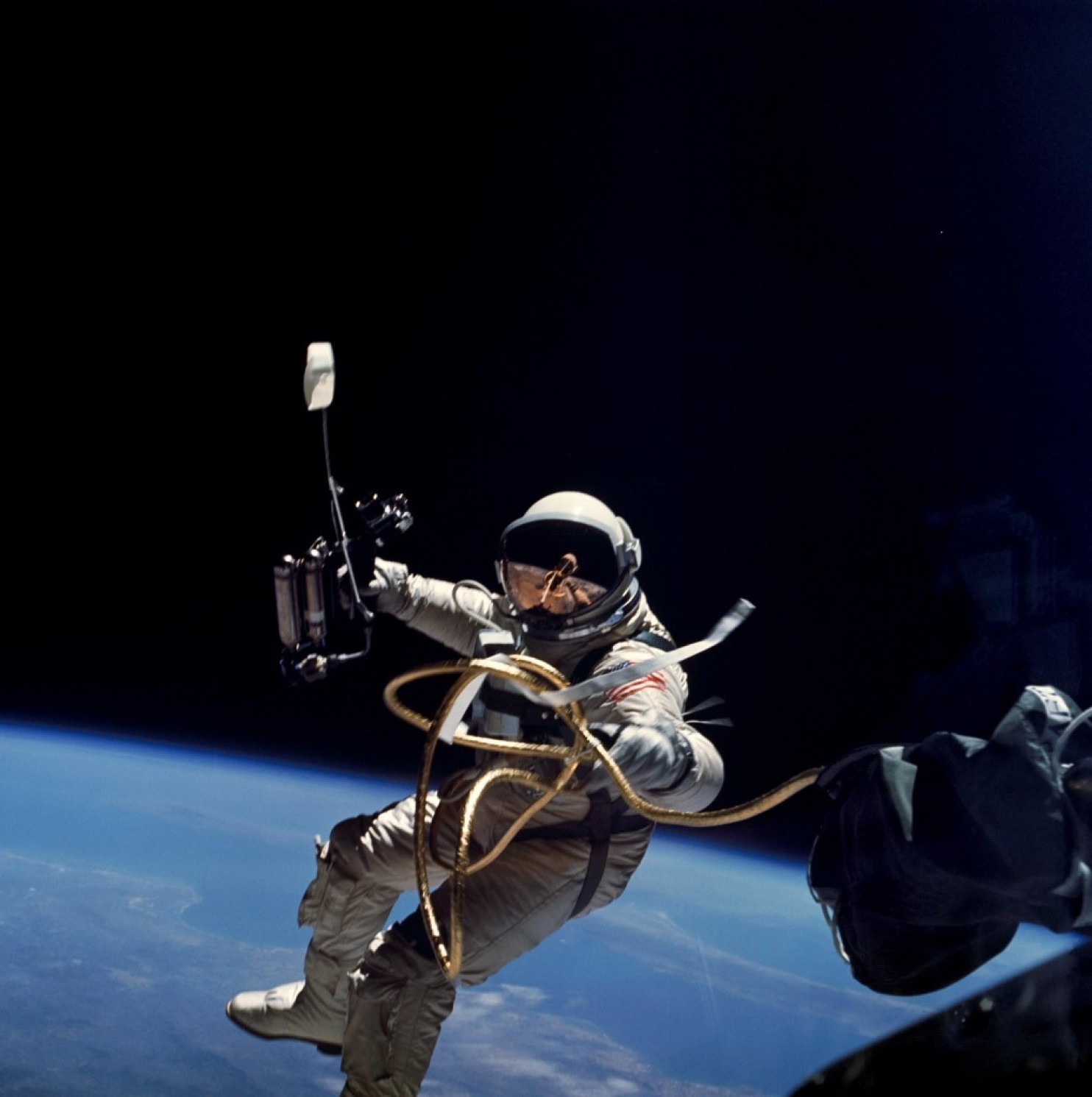
Edward White
120768064997
119571255317
Though some visions of the future seem far away, know that they arrive sooner than you think.
This Compuserve poster is from 1982. 25 years later, the first iPhone was released, and the concepts listed in the advert were considered to be the most basic functions of the device: banking, stock-tracking, email, and even multiplayer bridge…
As we look 25 years into the future, considering the exponentially increasing rate of science and technology, will our current futurist visions be seen as equally basic? Life extension, body augmentation and brain-computer interfaces will likely come installed as default apps too.
“Someday” is closer than you think.
117740522539
What does space smell like?
It’s strange to think that the near-vacuum of space
could have a smell, and stranger still that humans — atmospheric
creatures — can actually experience it. Astronauts have consistently
reported the same strange odour after lengthy space walks, bringing it
back in on their suits, helmets, gloves and tools. Its bitter, smoky,
metallic smell — like seared steak, hot metal and arc welding smoke all
rolled into one. NASA have asked a chemist, Steve Pearce, to reproduce
the smell to use during acclimatization training, mapping out the likely
chemistry using natural materials to mimic the odor for accuracy. It’s
believed that the smell is caused by high-energy vibrations in particles
that mix with the air when brought inside. In the future, we might even
recreate the smell of the moon, Mars, Mercury or any place in the
universe, provided we have the right chemical information. In fact, we
can even recreate the smell of the heart of the galaxy — astronomers
searching for animo acids in Sagittarius B2, a vast dust cloud in the
middle of the Milky Way, have reported that due to a substance called
ethyl formate, it smells and tastes of raspberries and rum — much more
pleasant than seared steak and metal.
117445794437
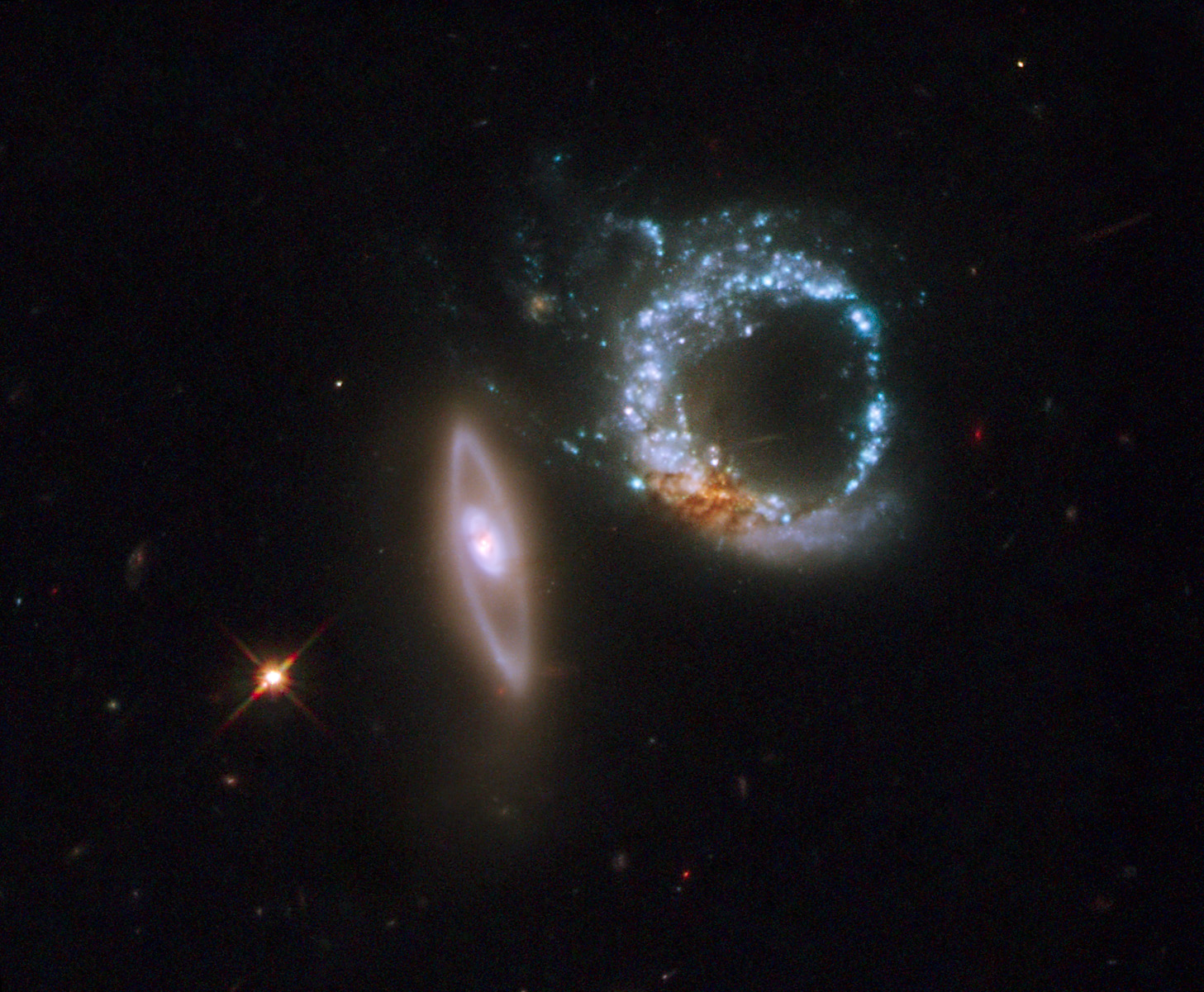
NASA’s Hubble Space Telescope is back in business.
Just a couple of days after the orbiting observatory was brought back
online, Hubble aimed its prime working camera, the Wide Field Planetary
Camera 2 (WFPC2), at a particularly intriguing target, a pair of
gravitationally interacting galaxies called Arp 147.
The image demonstrated that the camera is working exactly as it was
before going offline, thereby scoring a “perfect 10” both for
performance and beauty.
The two galaxies happen to be oriented so that they appear to mark the
number 10. The left-most galaxy, or the “one” in this image, is
relatively undisturbed apart from a smooth ring of starlight. It appears
nearly on edge to our line of sight. The right-most galaxy, resembling a
zero, exhibits a clumpy, blue ring of intense star formation.
The blue ring was most probably formed after the galaxy on the left
passed through the galaxy on the right. Just as a pebble thrown into a
pond creates an outwardly moving circular wave, a propagating density
wave was generated at the point of impact and spread outward. As this
density wave collided with material in the target galaxy that was moving
inward due to the gravitational pull of the two galaxies, shocks and
dense gas were produced, stimulating star formation.
The dusty reddish knot at the lower left of the blue ring probably marks
the location of the original nucleus of the galaxy that was hit.
Arp 147 appears in the Arp Atlas of Peculiar Galaxies, compiled by
Halton Arp in the 1960s and published in 1966. This picture was
assembled from WFPC2 images taken with three separate filters. The blue,
visible-light, and infrared filters are represented by the colors blue,
green, and red, respectively.
The galaxy pair was photographed on October 27-28, 2008. Arp 147 lies in
the constellation Cetus, and it is more than 400 million light-years
away from Earth.