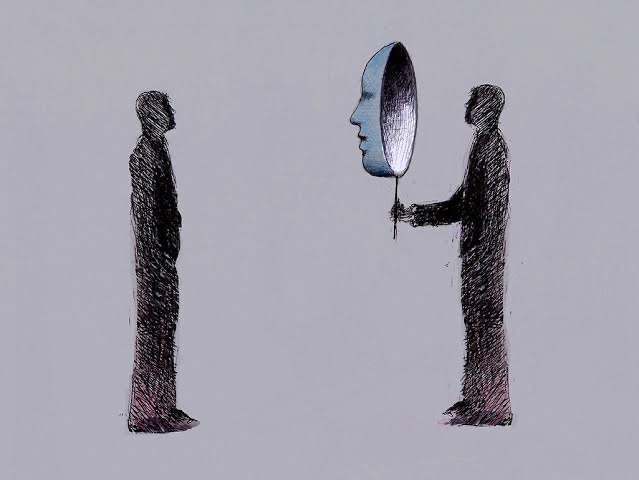
true self
766412907979423744
Finding creative ideas
Finding creative ideas can come from a blend of exploration, inspiration, and structure. Here are some techniques you can try:
- Divergent Thinking: Start with brainstorming without limits. Jot down as many ideas as possible, no matter how unconventional. Quantity often leads to quality by pushing past the obvious.
- Mind Mapping: Begin with a core concept and visually branch out with related ideas. This approach can reveal connections you hadn’t considered.
- Combine and Remix: Take two unrelated concepts and see if you can combine them into something new. For example, think about how the paper industry could intersect with environmental education, or how digital platforms can simulate real-world investment.
- Observe and Take Notes: Everyday life is a constant source of inspiration. Notice trends, user pain points, or processes that could be streamlined. Keep a notebook to capture these thoughts, even if they seem random at first.
- Reverse Thinking: Instead of asking “How can I create a great idea?”, try thinking in reverse—consider how not to solve a problem or list “don’ts” for a project. This can lead to breakthrough thinking by clarifying what you do want.
- Draw from Other Industries: Looking at innovation in completely different fields often brings fresh perspectives. For instance, if you’re in the paper industry, examine what the tech or entertainment industries are doing to engage customers and consider how you might apply similar strategies.
- Set Constraints: Ironically, limitations can fuel creativity. Setting a constraint like “this idea must be doable with only one material” forces you to think deeply about how to work within boundaries.
- Collaborate with Others: Bringing other perspectives into the mix can help generate more ideas and refine them. Try brainstorming sessions with people who have different backgrounds or expertise.
- Experiment and Prototype: Sometimes ideas only become clear through trial and error. Don’t wait for a perfect concept—build quick prototypes or mockups to test the feasibility and refine them as you go.
- Take Breaks: Finally, stepping away and engaging in different activities, like a walk or even enjoying a beer, can refresh your mind and lead to unexpected insights.
By ChatGPT
765241403090583552
765240958384209920
“You really need faith in yourself to make art and to stand up for what you believe in.”
— Elizabeth Peyton
765198559175901184
The Many Ways We Lie to Ourselves
“The key aspect of these lies is that people treat (or search for) evidence in a motivationally biased way. Self-deception can be like a drug, numbing you from harsh reality, or turning a blind eye to the tough matter of gathering evidence and thinking (Churchland, 2013). As Voltaire commented long ago, ‘Illusion is the first of all pleasure.’”
764065834602790912
“We all lie to ourselves. Whether we’re convincing ourselves that something is or isn’t true, self-deception is a common psychological tactic—so common, in fact, that people can be unaware they’re even doing it.
But why do we do it? Research defines self-deception as an independent mental state made up of conscious and unconscious memories and attitudes, as well as controlled and automatic processes, that serves as an attempt at self-protection or enhancement.”
762693017652101120
“Ego Traps • If you think it is more “spiritual” to ride a bike to work or use public transportation, but then find yourself judging anyone who drives a car, you’re in an ego trap. • If you think it is more “spiritual” to stop watching television because it rots your brain, but then find yourself judging those who still watch TV, you’re in an ego trap. • If you think it is more “spiritual” to avoid reading gossip, tabloid or news magazines, but then find yourself judging those who do read those things, you’re in an ego trap. • If you think it is more “spiritual” to listen to classical music or soothing nature sounds, but then find yourself judging those who listen to mainstream or pop music, you’re in an ego trap. • If you think it is more “spiritual” to do yoga, become a vegan, buy organic, buy healing crystals, practice reiki, meditate, wear hippie/thrift shop clothing, visit ashrams and read enlightened spiritual books, but then you judge anyone who doesn’t do those things, you’re in an ego trap. Always be aware of the feeling of superiority. Self-righteous superiority is your biggest clue that you are in an ego trap. The ego loves to sneak in the back door. It will take a noble idea, like starting up yoga, and then twist it to serve its own ends by making you feel superior to others; you will start to look down on those who are not following your righteous “spiritual” path. Superiority, judgment and condemnation. That is the ego trap.”
—