universe
120504822032
117740522539
What does space smell like?
It’s strange to think that the near-vacuum of space
could have a smell, and stranger still that humans — atmospheric
creatures — can actually experience it. Astronauts have consistently
reported the same strange odour after lengthy space walks, bringing it
back in on their suits, helmets, gloves and tools. Its bitter, smoky,
metallic smell — like seared steak, hot metal and arc welding smoke all
rolled into one. NASA have asked a chemist, Steve Pearce, to reproduce
the smell to use during acclimatization training, mapping out the likely
chemistry using natural materials to mimic the odor for accuracy. It’s
believed that the smell is caused by high-energy vibrations in particles
that mix with the air when brought inside. In the future, we might even
recreate the smell of the moon, Mars, Mercury or any place in the
universe, provided we have the right chemical information. In fact, we
can even recreate the smell of the heart of the galaxy — astronomers
searching for animo acids in Sagittarius B2, a vast dust cloud in the
middle of the Milky Way, have reported that due to a substance called
ethyl formate, it smells and tastes of raspberries and rum — much more
pleasant than seared steak and metal.
117527731647
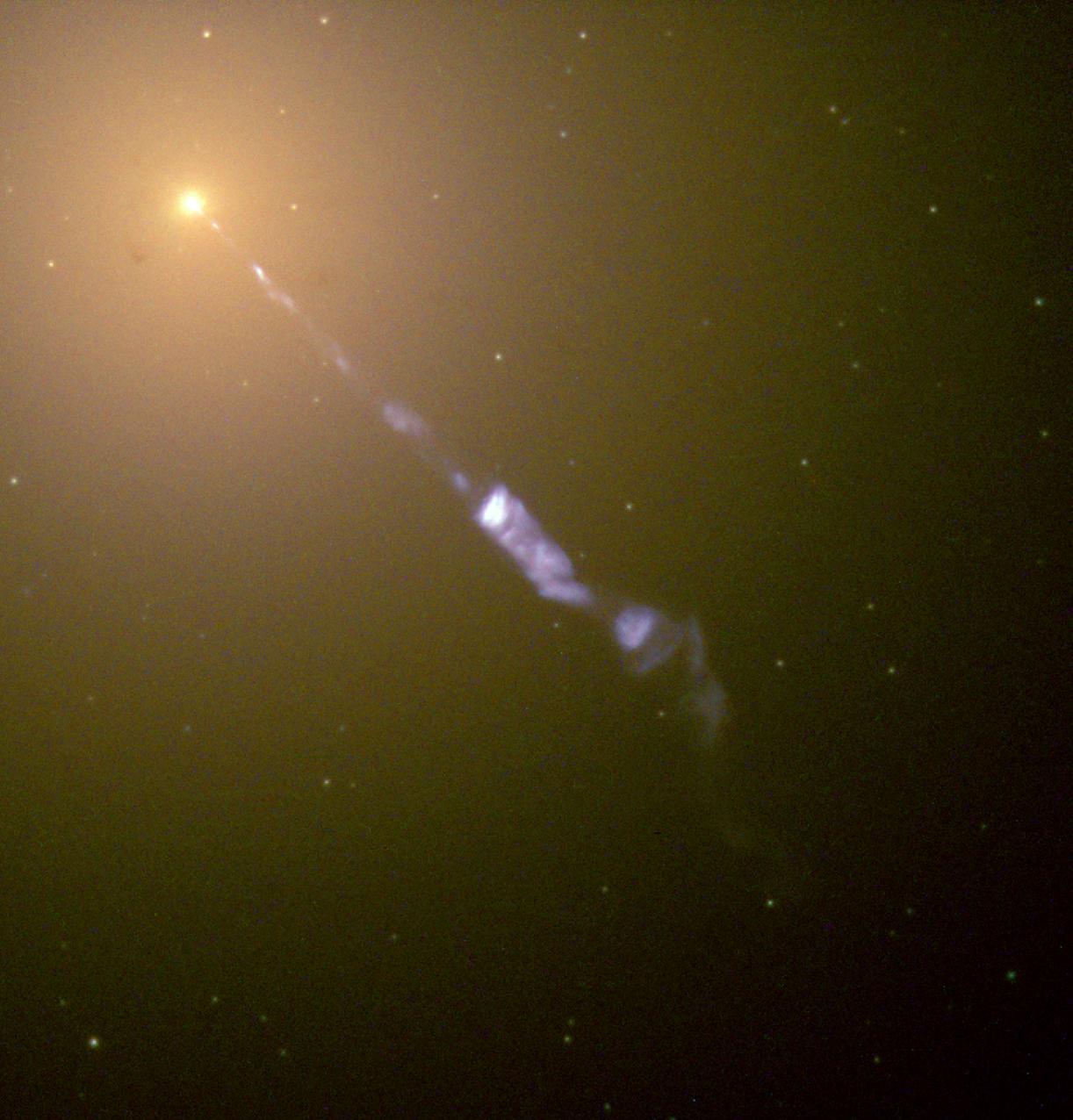
Black Hole-Powered Jet of Electrons and Sub-Atomic Particles Streams From Center of Galaxy M87
117445794437
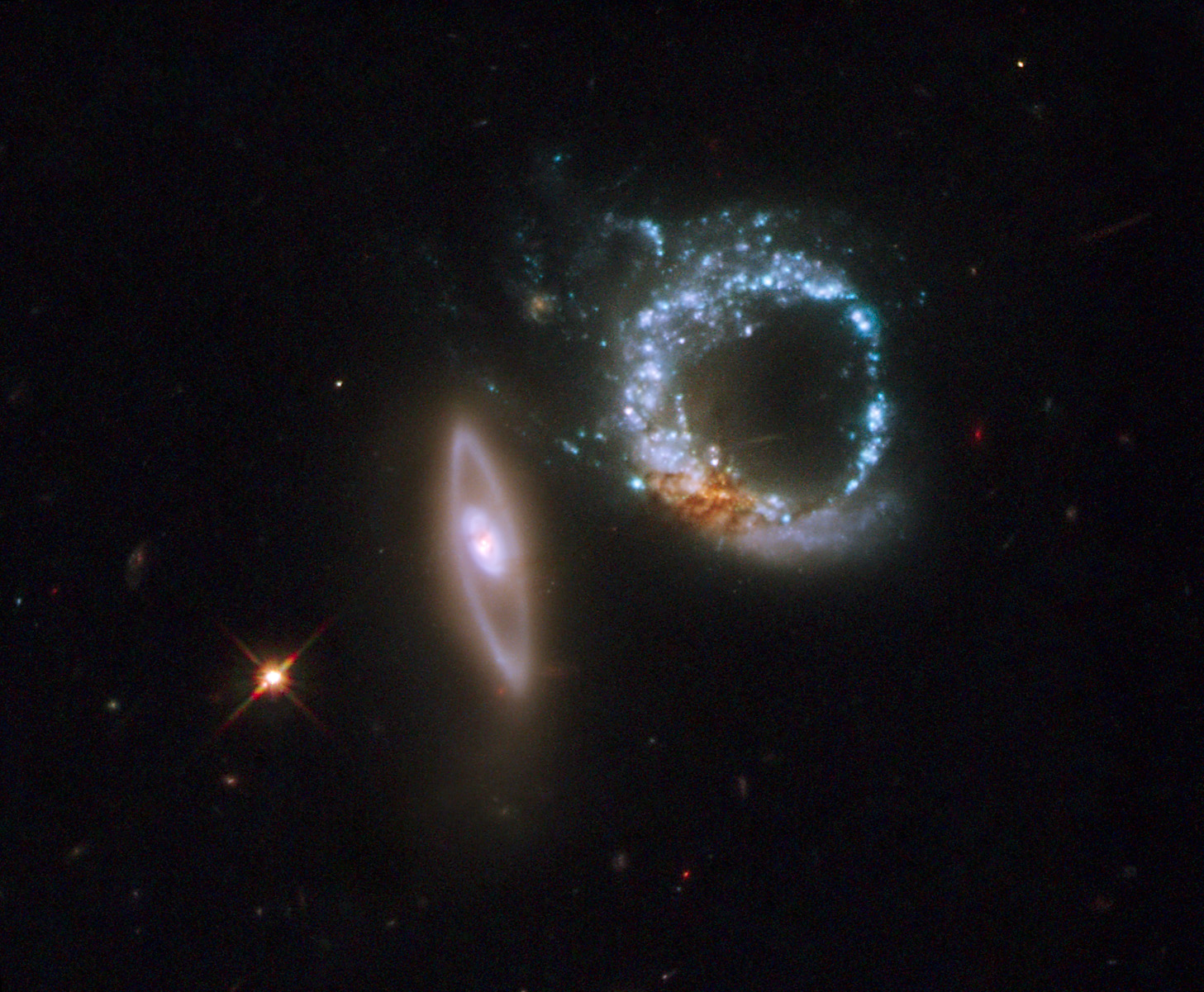
NASA’s Hubble Space Telescope is back in business.
Just a couple of days after the orbiting observatory was brought back
online, Hubble aimed its prime working camera, the Wide Field Planetary
Camera 2 (WFPC2), at a particularly intriguing target, a pair of
gravitationally interacting galaxies called Arp 147.
The image demonstrated that the camera is working exactly as it was
before going offline, thereby scoring a “perfect 10” both for
performance and beauty.
The two galaxies happen to be oriented so that they appear to mark the
number 10. The left-most galaxy, or the “one” in this image, is
relatively undisturbed apart from a smooth ring of starlight. It appears
nearly on edge to our line of sight. The right-most galaxy, resembling a
zero, exhibits a clumpy, blue ring of intense star formation.
The blue ring was most probably formed after the galaxy on the left
passed through the galaxy on the right. Just as a pebble thrown into a
pond creates an outwardly moving circular wave, a propagating density
wave was generated at the point of impact and spread outward. As this
density wave collided with material in the target galaxy that was moving
inward due to the gravitational pull of the two galaxies, shocks and
dense gas were produced, stimulating star formation.
The dusty reddish knot at the lower left of the blue ring probably marks
the location of the original nucleus of the galaxy that was hit.
Arp 147 appears in the Arp Atlas of Peculiar Galaxies, compiled by
Halton Arp in the 1960s and published in 1966. This picture was
assembled from WFPC2 images taken with three separate filters. The blue,
visible-light, and infrared filters are represented by the colors blue,
green, and red, respectively.
The galaxy pair was photographed on October 27-28, 2008. Arp 147 lies in
the constellation Cetus, and it is more than 400 million light-years
away from Earth.
117391368487
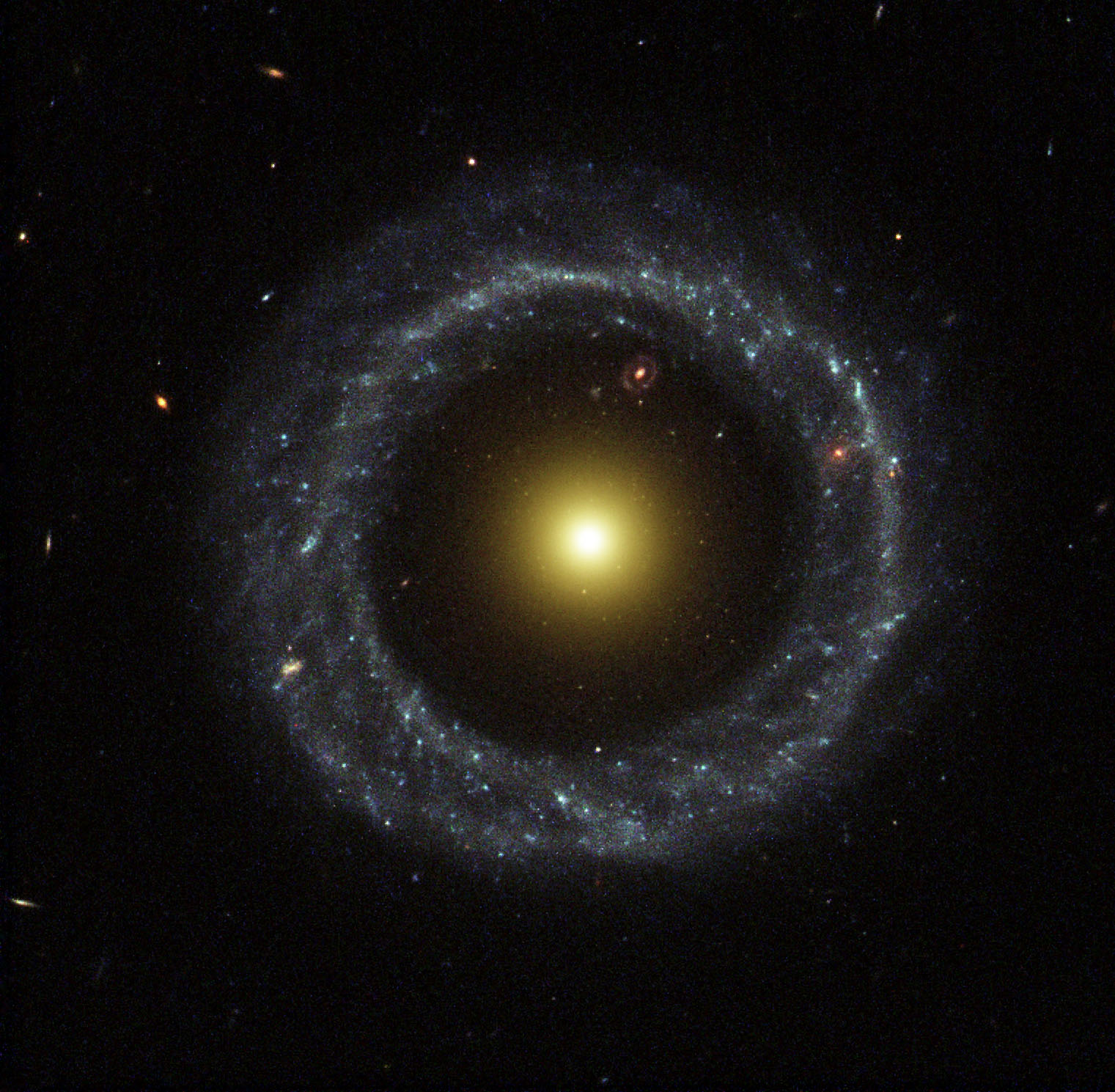
An image of Hoag’s Object, a non-typical galaxy of the type known as a ring galaxy, discovered in 1950 by astronomer Art Hoag, who initially thought it to be a planetary nebula.
Serendipitously, from the perspective of our solar system what appears
to be an even more distant ring galaxy is plainly visible within the gap
between this galaxy’s central body of mostly yellow stars and the outer
ring of blue stars.
115750659802
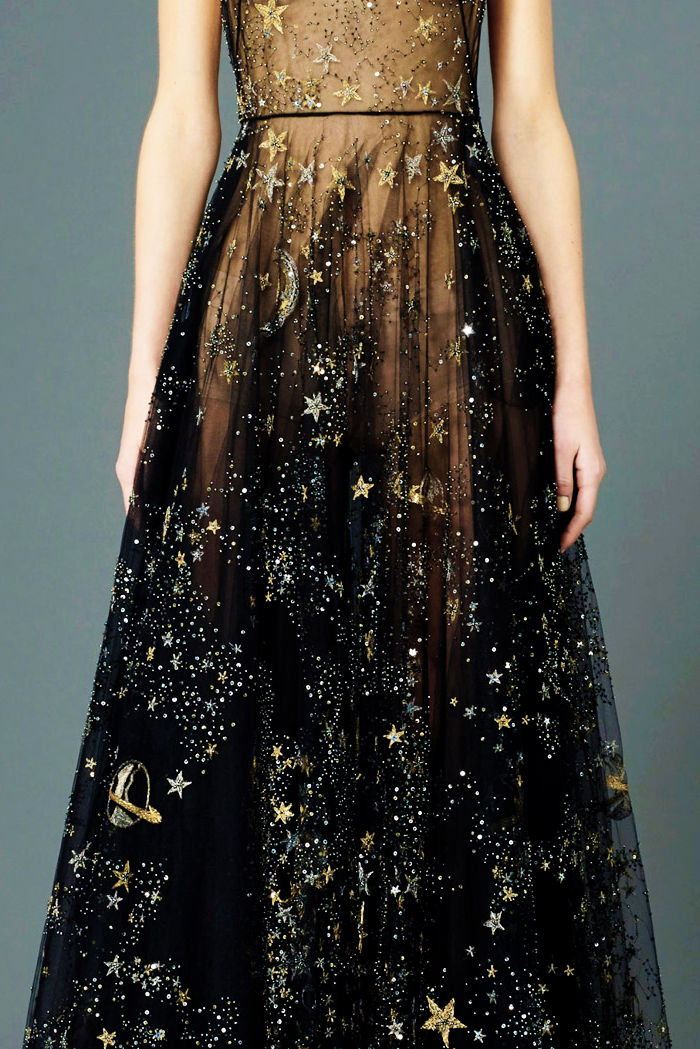
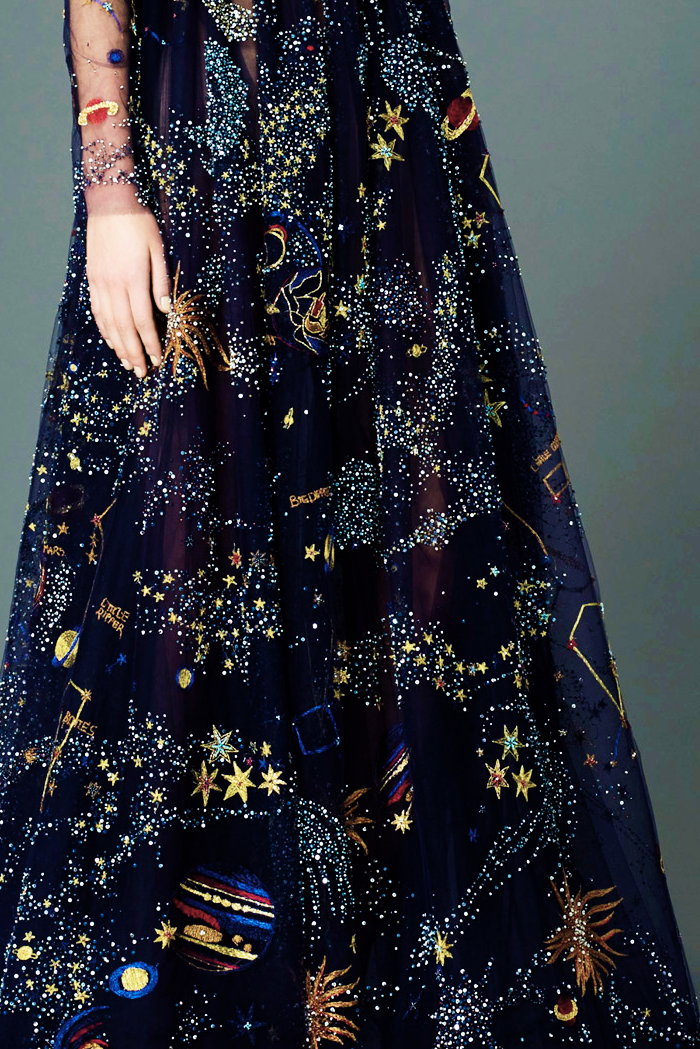
Valentino
114925684507
John Frusciante interview