world war 2
785621298624823296
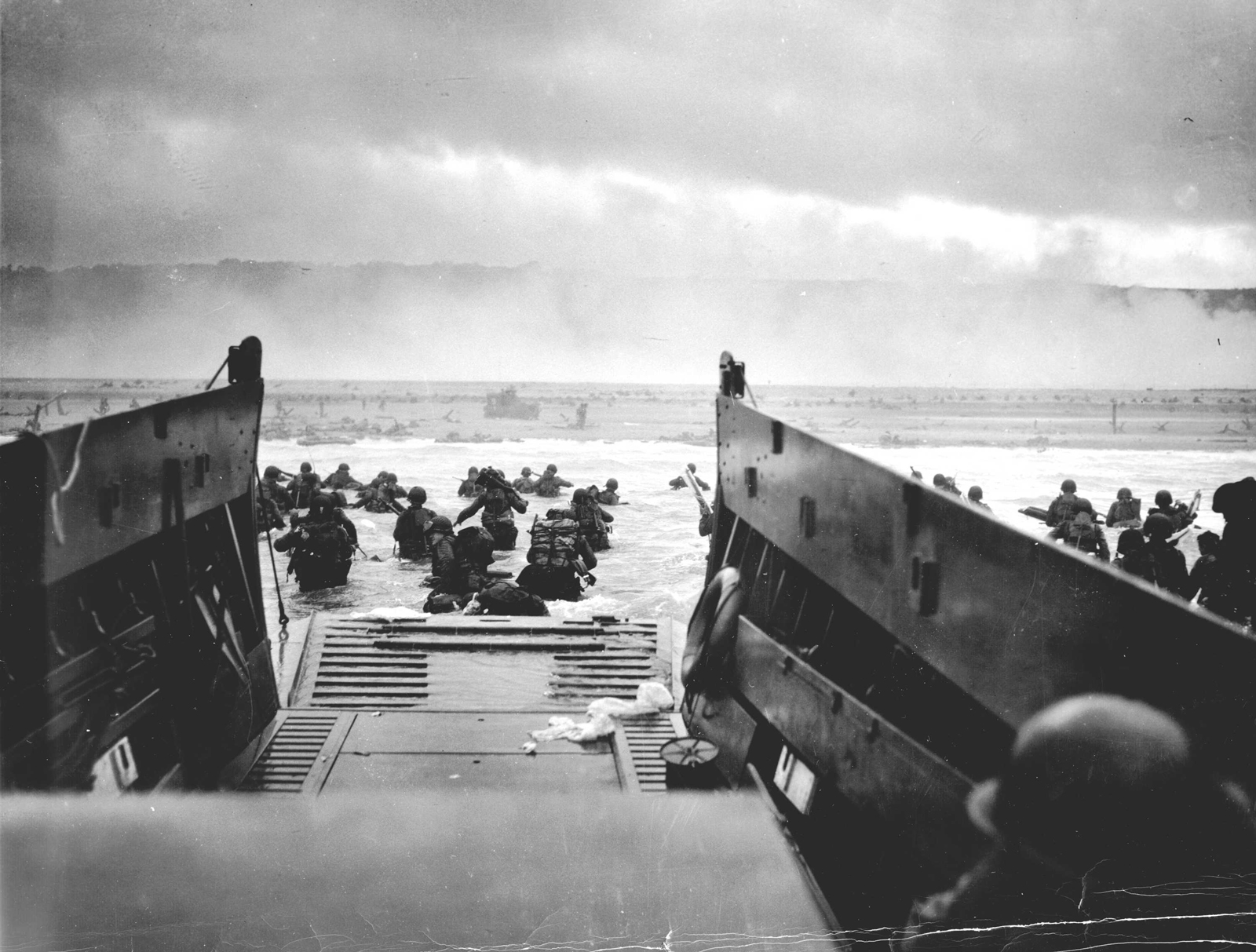
D-Day | Normandy landings
716345465014206464
715900277974286336
704114929525030912

644502061855145984
153293811162
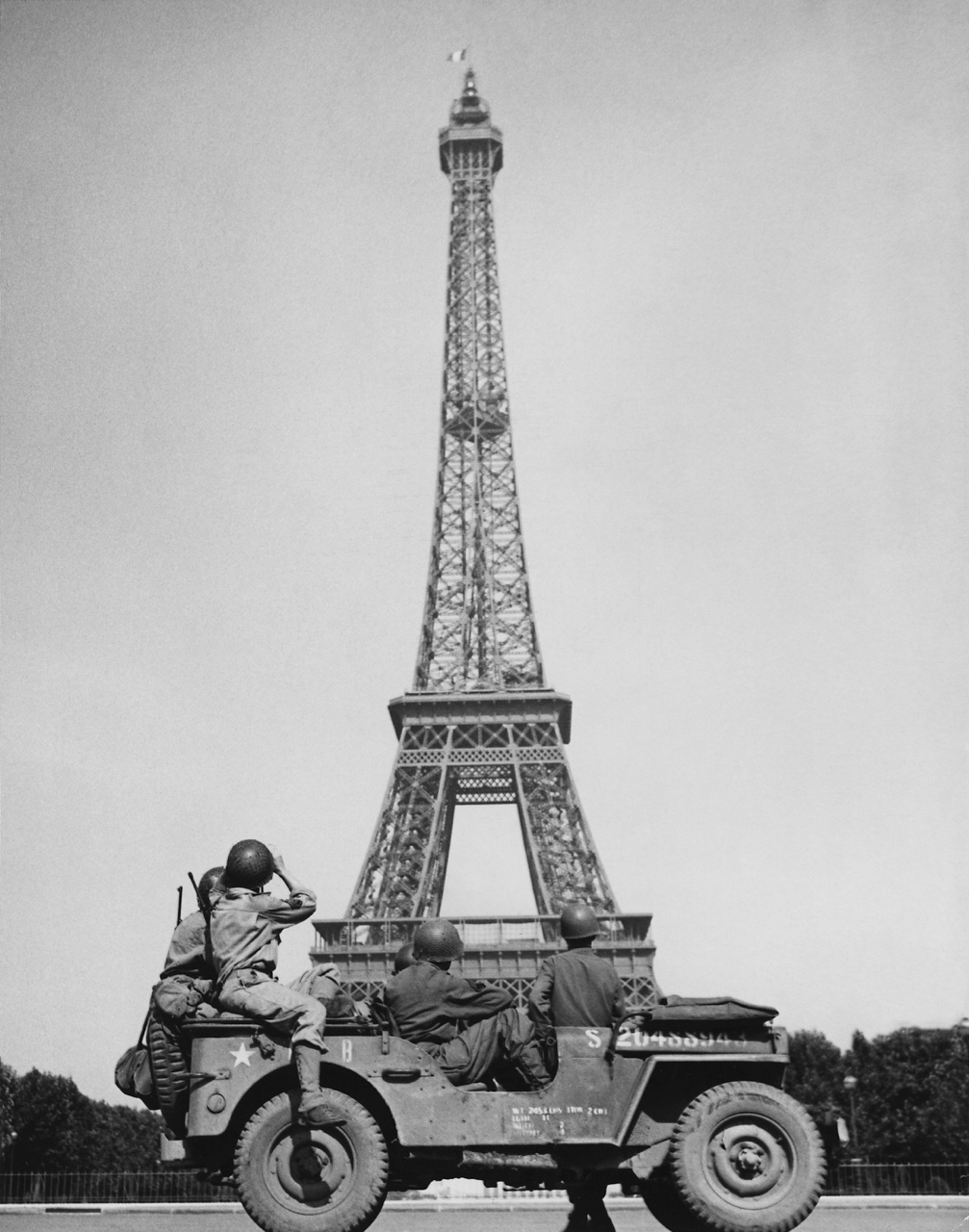
American soldiers watch the French flag flying on the Eiffel Tower, c. 25 August 1944
137745581827
Anne Frank
126002226427
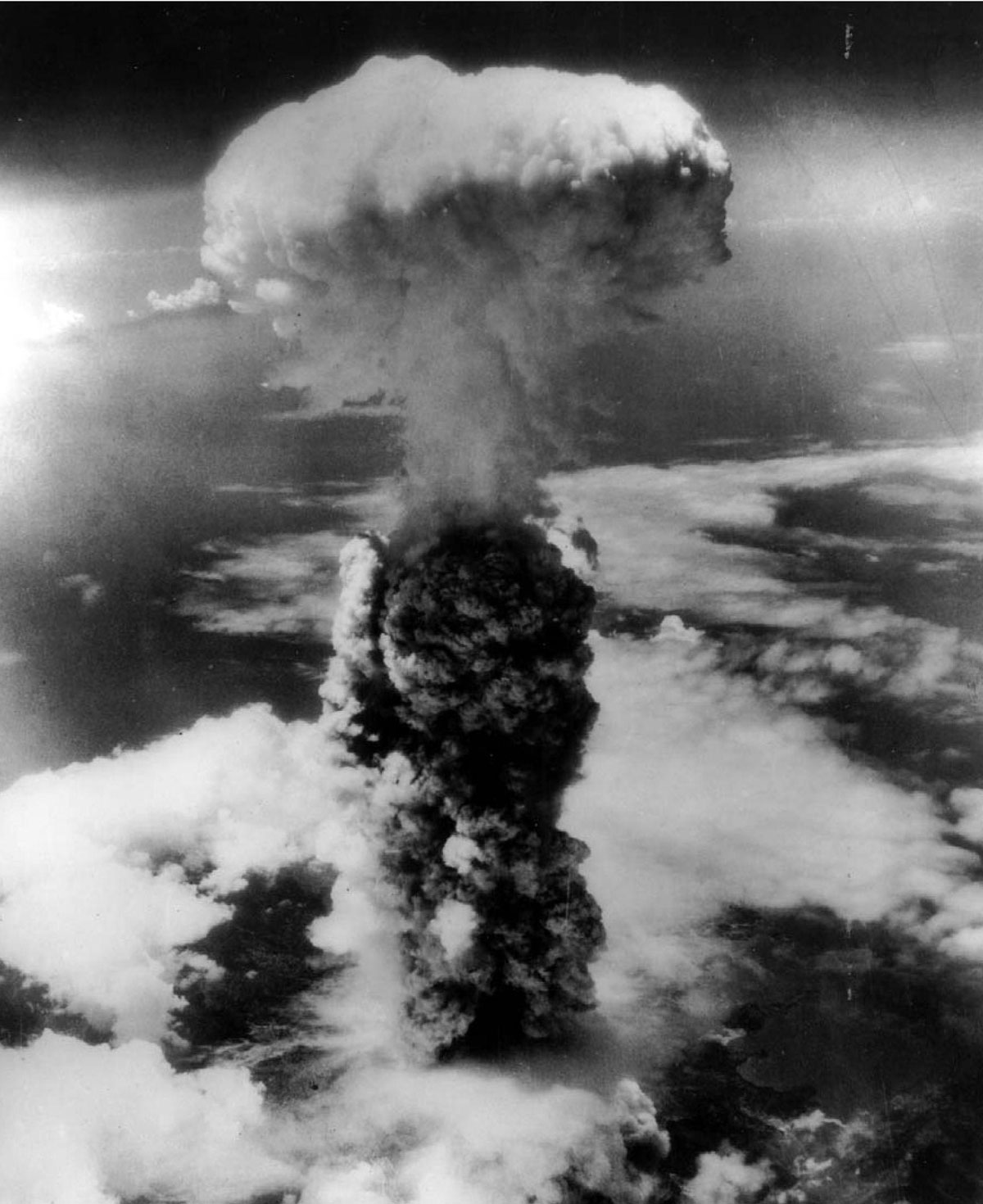
ATOMIC BOMBING OF NAGASAKI, 9 August 1945
118602853027
118128680593
114741755992
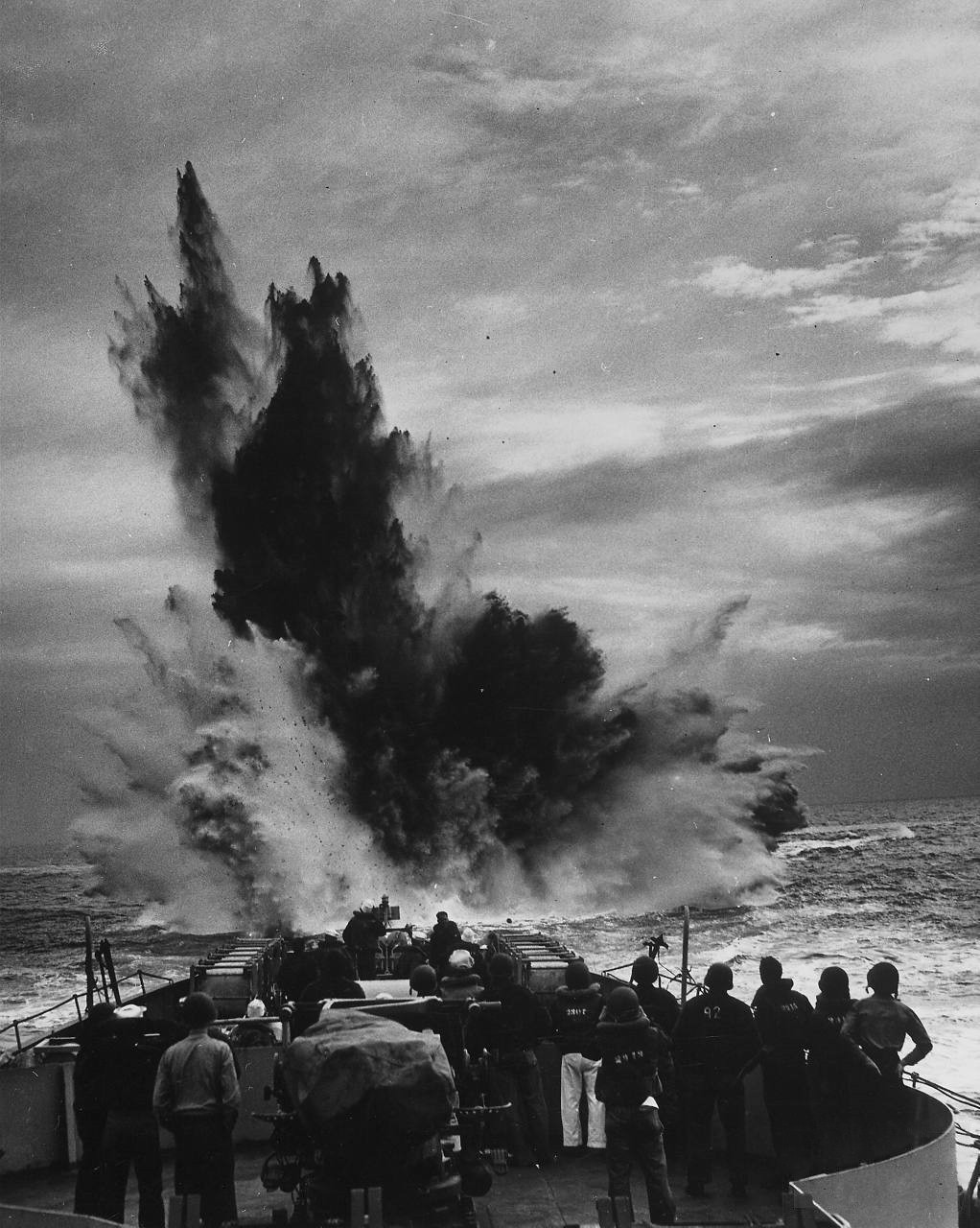
A depth charge is an anti-submarine warfare (ASW) weapon intended to destroy or cripple a target submarine by subjecting it to a powerful hydraulic shock. Most depth charges are fitted with conventional high explosives and a fuze set to cause detonation at a preselected underwater depth. Depth charges can be dropped by ships, patrol aircraft, or helicopters. The depth charge has now largely been replaced by anti-submarine homing torpedoes.
A depth charge fitted with a nuclear warhead is known as a nuclear depth bomb. These were designed to be dropped from a patrol plane or deployed by anti-submarine missile
from a surface ship, or another submarine, located a safe distance
away. All nuclear anti-submarine weapons were withdrawn from service by
the United States, the United Kingdom, France, Russia, and China in or
around 1990. They were replaced by conventional weapons that provided
ever-increasing accuracy and range as ASW technology improved.