artist
779134743333797888
Psychology of Competitiveness | Eastern Oregon University Online
One study of just this concept found that nearly half of people surveyed would rather make $50,000 in a world where the average salary is $25,000 than make $100,000 in a world where the average is $200,000; that is, they prioritized making more relative to other people rather than having a higher overall income. As the saying goes, “If you and I are being chased by a bear, I don’t have to outrun the bear; I just have to outrun you.”
778965841240899584
“Because judgmentalism destroys relationships. If you are better than someone, you are apart from them. You are above them, not beside them—and so nobody is beside you. And, of course, because real strength is not about sh*tting on other people. It’s about knowing who you are, what you value, and how you want to live that truth. It’s about knowing that you can afford to be generous because you are enough and there is enough to go around. Extending you some kindness does not diminish me; instead, it makes the world that I exist in a better place to be. We bake a bigger pie; we all win.”
778965573375770624
“When you judge another, you do not define them; you define yourself.”
— Wayne Dyer
778934460219539456

“It’s pronounced ‘JIF,’ not ‘GIF.’ End of story.” — Stephen Wilhite
778932636733374464
“You have to learn to be human first… before you can learn art.” — Silpa Bhirasri
This sentence conveys the idea that art is not just a technical skill or creative ability, but also something that deals with deep humanity, such as emotions, thoughts, spirit, experiences, and moral values. If an artist lacks an understanding of humanity—such as empathy, understanding the complexities of life, or having a broad and deep perspective—the art created may lack the true meaning of the dimension.
“Learning to be human” here can mean many things, such as:
- Understanding oneself and one’s own emotions
- Understanding society, culture, and history
- Recognizing the suffering and joy of others
- Developing empathy and ethical awareness
Great art often comes from communicating humanity on a deep level, whether it’s pain, hope, love, or the changes in life. Therefore, this sentence may serve as a reminder that art practice should not only be based on technique, but also on understanding life and humanity.
“พวกเธอต้องเรียนรู้ความเป็นมนุษย์ก่อน… ถึงจะเรียนศิลปะ” — ศิลป์ พีระศรี
ประโยคนี้สื่อถึงแนวคิดที่ว่าศิลปะไม่ใช่เพียงทักษะทางเทคนิคหรือความสามารถในการสร้างสรรค์เท่านั้น แต่ยังเป็นสิ่งที่เกี่ยวข้องกับความเป็นมนุษย์ในเชิงลึก เช่น อารมณ์ ความคิด จิตวิญญาณ ประสบการณ์ และคุณค่าทางศีลธรรม หากศิลปินขาดความเข้าใจในความเป็นมนุษย์—เช่น การเอาใจใส่ผู้อื่น การเข้าใจความซับซ้อนของชีวิต หรือการมีมุมมองที่กว้างและลึกซึ้ง—ศิลปะที่สร้างขึ้นอาจขาดมิติของความหมายที่แท้จริง
การ “เรียนรู้ความเป็นมนุษย์” ในที่นี้อาจหมายถึงหลายอย่าง เช่น
- การเข้าใจตนเองและอารมณ์ของตัวเอง
- การเข้าใจสังคม วัฒนธรรม และประวัติศาสตร์
- การรับรู้ถึงความทุกข์และความสุขของผู้อื่น
- การพัฒนาความเห็นอกเห็นใจและสำนึกทางจริยธรรม
ศิลปะที่ยิ่งใหญ่มักเกิดจากการสื่อสารความเป็นมนุษย์ในระดับที่ลึกซึ้ง ไม่ว่าจะเป็นความเจ็บปวด ความหวัง ความรัก หรือความเปลี่ยนแปลงของชีวิต ดังนั้น ประโยคนี้อาจเป็นการเตือนว่าการฝึกฝนศิลปะไม่ควรมีเพียงเทคนิคเพียงอย่างเดียว แต่ต้องมีความเข้าใจชีวิตและมนุษย์เป็นรากฐานด้วย
778861131566546944
Van Gogh sold one painting in his lifetime. Was he not an artist?
778834799718809600

778830947647963136
“The value of art lies in its power to inspire, not in its price tag.”
— Unknown
778813988850073600
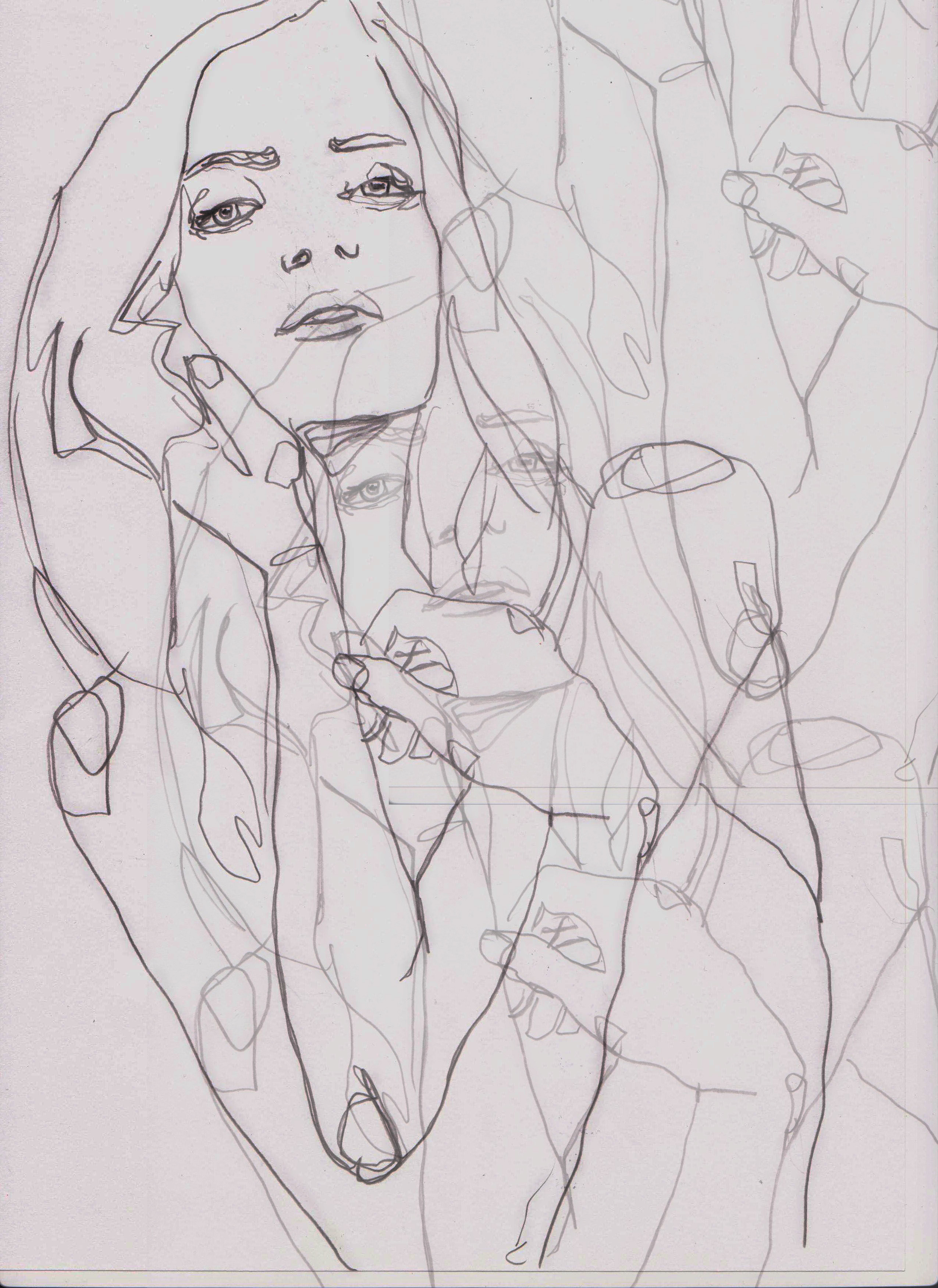
Illustration by Rafaela Kacunic.
778784876000346112
“It is important to ask yourself whether your thoughts are consistent with facts or logic. There could be another explanation for a situation that is truer than your interpretation. Sometimes it is hard to break from long-held beliefs that have become part of your reality. Understand that it can take time and patience to overcome any negative preconceived notions toward your life that you’ve built up.”
778783751142588416
“The man who has no imagination has no wings.”
— Muhammad Ali
778783804021260288
Can art school teach you to be creative and generate ideas?
Yes, Art school can provide an environment that nurtures creativity and helps you develop the skills to generate ideas. It offers structured guidance, exposure to diverse techniques, and opportunities to experiment with various forms of expression. But it often depends on how creativity is approached in the learning environment. Creativity thrives in settings that encourage exploration, critical thinking, and self-expression. Here’s how schools can foster creativity:
- Project-Based Learning
By working on open-ended projects, students learn to solve problems, think critically, and generate original ideas.- Encouraging Divergent Thinking
Activities that have multiple solutions, like brainstorming sessions or creative writing, can help students think outside the box.- Exposure to the Arts
Art, music, and drama classes can nurture imagination and help students express unique perspectives.- Problem-Solving Challenges
STEM projects, design thinking exercises, or even puzzles can encourage innovative solutions.- Open-Ended Questions
Teachers who ask “what if” or “how might we” questions inspire students to think imaginatively.However, fostering creativity requires an environment where failure is treated as part of the process and not something to fear. If a school emphasizes rote learning or rigid conformity, it might stifle creativity. Creativity is also deeply personal, so individuals may need to supplement their education with personal exploration and experimentation.
Do you think your school experience supported creativity, or did you develop it outside of the classroom?
By ChatGPT
778723356790898688

Blood, 2000 by Anish Kapoor
778645109920219136
Asian Conical Hat
The Asian conical hat (often called a sugegasa in Japan, dǒulì in China, nón lá in Vietnam, etc.) itself is not inherently racist—it is a traditional and practical piece of headwear used for centuries in many Asian countries, primarily for sun and rain protection. However, it can become problematic in certain contexts:
- Stereotyping & Caricature – When used as a costume or paired with exaggerated accents, clothing, or mannerisms, it can contribute to racial stereotypes, reducing rich and diverse cultures to a simplistic image.
- Mockery & Disrespect – If worn in a way that mocks or trivializes Asian cultures, especially in Western media or Halloween costumes, it can be offensive.
- Historical Context – In some places, the conical hat has been used to depict Asians in a demeaning way, such as in propaganda or racist cartoons.
If it’s used to stereotype, mock, or dehumanize, it can be offensive.